Can a Dentist Fix a Gummy Smile?
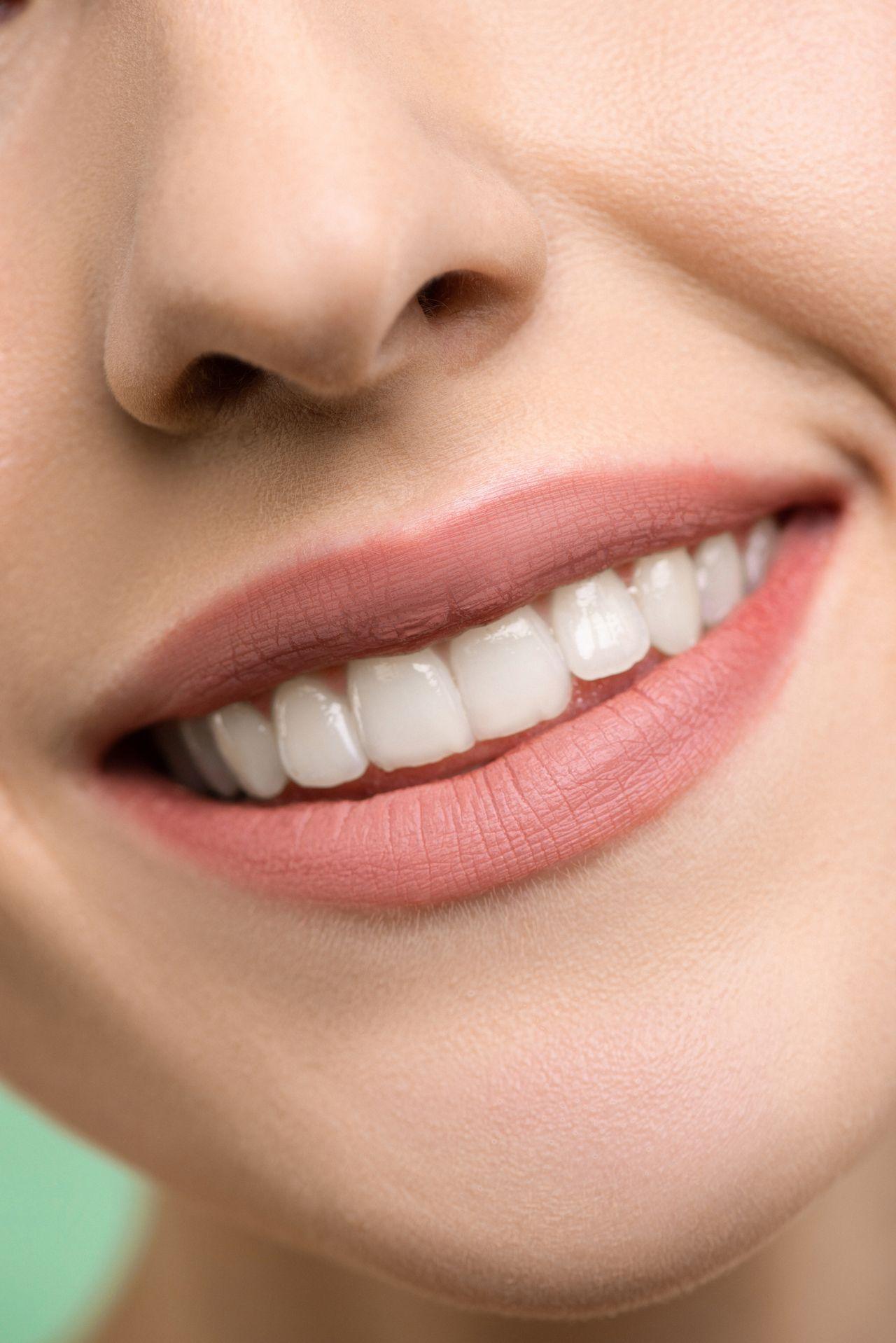
Yes, a dentist can fix most gummy smiles, and the right treatment depends on what’s causing it. If extra gum tissue covers your teeth, laser treatment in Tillsonburg can reshape the gums in a single visit. If the cause is tooth position, a short upper lip, or jaw shape, other options like orthodontics, crown lengthening, or surgery may be needed. A gummy smile is common, harmless to your health in most cases, and purely cosmetic unless it comes with gum swelling or other problems.
Many people with a gummy smile have learned to smile with their lips closed, sometimes for years. If that’s you, you’re far from alone. Roughly 10% of adults show more than 3 to 4 mm of gum when they smile, and it’s more common in women. And sometimes the “extra gum” is actually teeth that have drifted or erupted too far, which orthodontics in Tillsonburg can correct.
For adults who want a discreet way to move teeth, clear aligner treatment can help in some gummy smile cases, especially when front teeth have over-erupted.
When bone needs reshaping along with the gums, the procedure is called crown lengthening, and it’s done as minor dental surgery in Tillsonburg with freezing. You can meet our doctors to learn about their experience before choosing a plan.
Gummy smile: cause and fix
- Extra gum tissue: laser gum contouring
- Gum and bone covering teeth: crown lengthening
- Front teeth erupted too far: orthodontics or aligners
- Short or worn teeth: veneers or bonding, sometimes with contouring
- Very active upper lip: lip repositioning or muscle-relaxing injections
- Long upper jaw: jaw surgery with an oral surgeon
What is a gummy smile?
A gummy smile (also called excessive gingival display) is when more gum tissue shows above the upper teeth than you’d like when you smile. Many dentists use 3 to 4 mm of visible gum as the point where people start to notice it.
It’s mostly about how you feel about your smile. There’s no single “correct” amount of gum. Some people love a little gum showing, while others want it reduced.
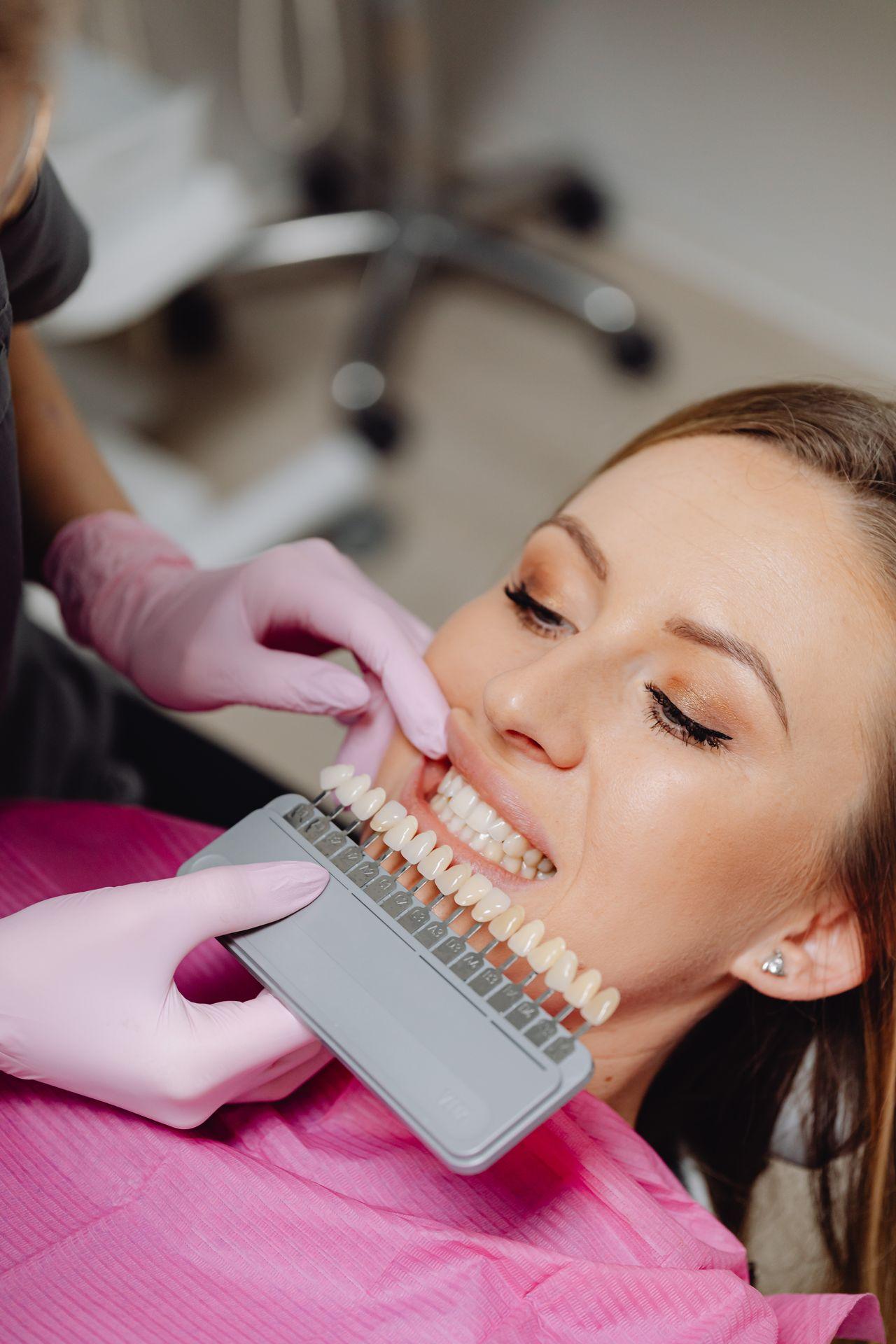
What causes a gummy smile?
Altered passive eruption
As adult teeth come in, the gums usually shrink back to sit near where the enamel ends. In some people, the gums stay too low, covering part of the tooth. Teeth look short and square. This is one of the most common causes.
Gum overgrowth
Gum tissue can enlarge from plaque inflammation, braces, hormonal changes, or certain medications, including some blood pressure drugs, anti-seizure medications, and immune suppressants.
Over-erupted front teeth
If upper front teeth have drifted downward, they bring the gums with them. A deep bite is often part of this picture.
Hypermobile upper lip
Some people’s upper lip lifts higher than average when they smile, revealing more gum.
Short upper lip
A naturally short lip shows more teeth and gum at rest and when smiling.
Vertical maxillary excess
Here the upper jaw itself is longer from top to bottom. This is a skeletal cause and usually needs orthognathic (jaw) surgery for a full correction.
How do dentists figure out the cause?
- Smile photos and video at rest and full smile.
- Measurements of tooth length, gum display, and lip movement.
- Gum probing to see how much tissue sits over the enamel.
- X-rays to check where the bone sits compared to the enamel edge.
- Bite assessment to look for deep bites or over-erupted teeth.
- Medical history to check for medications that cause gum overgrowth.
Getting the diagnosis right matters more than anything else. Laser contouring on a skeletal gummy smile, for example, won’t give the result you want.
What are the treatment options?
| Treatment | Best for | Recovery | Permanence |
|---|---|---|---|
| Laser gum contouring | Extra gum tissue only | A few days of tenderness | Usually long-lasting |
| Crown lengthening | Gum and bone too close to enamel | 1 to 2 weeks initial healing, 3 months to settle | Permanent |
| Orthodontics or aligners | Over-erupted teeth, deep bite | None, but treatment takes months | Stable with retainers |
| Veneers or bonding | Short or worn teeth | Minimal | Long-lasting, needs upkeep |
| Muscle-relaxing injections | Hypermobile upper lip | None | Temporary, 3 to 6 months |
| Lip repositioning | Hypermobile lip | 1 to 2 weeks | Can partly relapse |
| Jaw surgery | Long upper jaw | Several weeks | Permanent |
What happens during laser gum contouring?
- The area is numbed with a topical gel and local anaesthetic.
- The dentist marks the new gumline based on your smile plan.
- A soft-tissue dental laser gently removes and reshapes the extra tissue.
- The laser seals small blood vessels as it works, so bleeding is minimal.
- The whole visit often takes 30 to 60 minutes.
Most people feel mild tenderness for 2 to 3 days and can return to work the same or next day.
Recovery tips after gum contouring
- Eat soft, cool foods for a few days.
- Avoid spicy, crunchy, or very hot foods.
- Brush gently around the treated area with a soft brush.
- Rinse with warm salt water if your dentist recommends it.
- Use over-the-counter pain relief as directed.
- Skip smoking, which slows healing.
What’s the difference between gum contouring and crown lengthening?
Gum contouring removes only soft tissue. Crown lengthening removes gum and a small amount of bone, so the gum doesn’t grow back to its old position. If your bone sits too close to the edge of the enamel, contouring alone may relapse, and crown lengthening is the more predictable choice.
X-rays and probing tell your dentist which one you need.
How do you plan the “right” amount of gum?
Good smile design looks at your whole face. Dentists commonly consider:
- Tooth proportions: upper front teeth usually look best when their width is about 75 to 85% of their length.
- Gum symmetry: the gumline over the 2 front teeth should match, with the lateral incisors sitting slightly lower.
- Lip line: how much tooth and gum shows at rest and in a full smile.
- Your preference: some people like a youthful hint of gum, others want almost none.
Many clinics use photos and digital mock-ups so you can see a preview before any treatment. Some even place a temporary resin mock-up on the teeth to test the look.
Does insurance or CDCP cover gummy smile treatment?
Purely cosmetic gum contouring usually isn’t covered. When treatment has a health purpose, like crown lengthening to save a broken tooth, or gum reduction caused by medication that makes cleaning impossible, part of it may be covered. The front desk can check your plan before you decide.
How do you keep your new gumline healthy?
- Brush twice a day with a soft brush, angled at the gumline.
- Floss or use interdental brushes once a day.
- Keep regular cleanings so plaque doesn’t cause swelling.
- Tell your dentist about any new medications that may affect your gums.
- Wear retainers if orthodontics was part of your treatment.
Common myths about gummy smile treatment
“Gum contouring is very painful.”
With freezing and laser techniques, most patients describe it as mild discomfort, and many take only a couple of days of over-the-counter pain relief.
“The gums will just grow back.”
When the diagnosis is right and bone levels are healthy, results are usually stable. Relapse is more likely when bone wasn’t addressed or gum inflammation returns.
“Only surgery can fix a gummy smile.”
Many cases are fixed with laser contouring, orthodontics, or veneers. Jaw surgery is needed only for skeletal causes.
“Sedation means a big, risky procedure.”
Most gum contouring is done with local freezing alone. Mild sedation is available for anxious patients and is chosen after a careful health review.
Safety and who should wait
- Active gum disease should be treated before cosmetic gum work.
- Teens may need to wait until gums have finished maturing, usually late teens.
- If medication is causing gum overgrowth, talk with your doctor. Changing medication may help, but never stop on your own.
- Pregnancy can cause temporary gum swelling. Elective cosmetic gum work is usually postponed until after delivery.
Patient examples
The short teeth. A woman in her 20s felt her front teeth looked “baby-like.” Measurements showed extra gum tissue with healthy bone levels. Laser contouring on 6 teeth gave her longer-looking teeth in 1 visit.
The deep bite. A man’s upper front teeth had drifted down over the years. Clear aligners intruded those teeth, which reduced his gum display without any gum surgery.
The combination case. A patient with short, worn teeth and extra gum had crown lengthening, then porcelain veneers after healing. Each step solved part of the problem.
Choosing a cosmetic dentist in Tillsonburg
Look for a dentist who explains the cause before suggesting treatment, shows you a smile plan, and offers more than one approach. Treatment should be provided by licensed dental professionals registered with the Royal College of Dental Surgeons of Ontario (RCDSO).
Family Dentistry on Brock is one of the most trusted clinics for patients looking for a cosmetic dentist in Tillsonburg, with a 5.0 Google rating and 252+ patient reviews. Services include dental implants, clear aligners, restorative care, dental veneers, laser treatment, teeth whitening, dental emergency care, sedation dentistry, dental surgery, and orthodontics, which makes combined smile plans easier to coordinate in one place.
New patients and CDCP (Canadian Dental Care Plan) patients are welcome. Hours stretch to 7:00 PM on Mondays, and Saturday visits are available by appointment.
Come by 49 Brock St E, Tillsonburg, ON N4G 1Z7, call +1 519-900-5640, or email info@familydentistryonbrock.com to book a smile consultation at this well-reviewed dental office in Tillsonburg.
Frequently asked questions
How long does gum contouring take to heal?
Most people feel comfortable within a few days. The gums look fully healed in about 2 to 4 weeks, and the final shape settles over a few months.
Is a gummy smile genetic?
It can be. Jaw shape, lip length, and how the gums settle after teeth erupt often run in families.
Can braces cause a gummy smile?
Braces can make gums swell temporarily if plaque builds up around brackets. Good hygiene usually reverses this once braces come off.
Are the results of laser gum contouring permanent?
Results are usually long-lasting when bone levels are healthy and gums stay free of inflammation.
Can I fix a gummy smile without surgery?
Sometimes. Orthodontics, veneers, or muscle-relaxing injections can reduce gum display depending on the cause. An exam will show which non-surgical options might work.
Conclusion
A gummy smile is common and very treatable once the cause is clear.
Options range from a single laser visit to orthodontics, crown lengthening, or jaw surgery for skeletal cases.
A careful exam and smile plan help you choose the simplest fix that gives the result you want.