Full Mouth Dental Implants
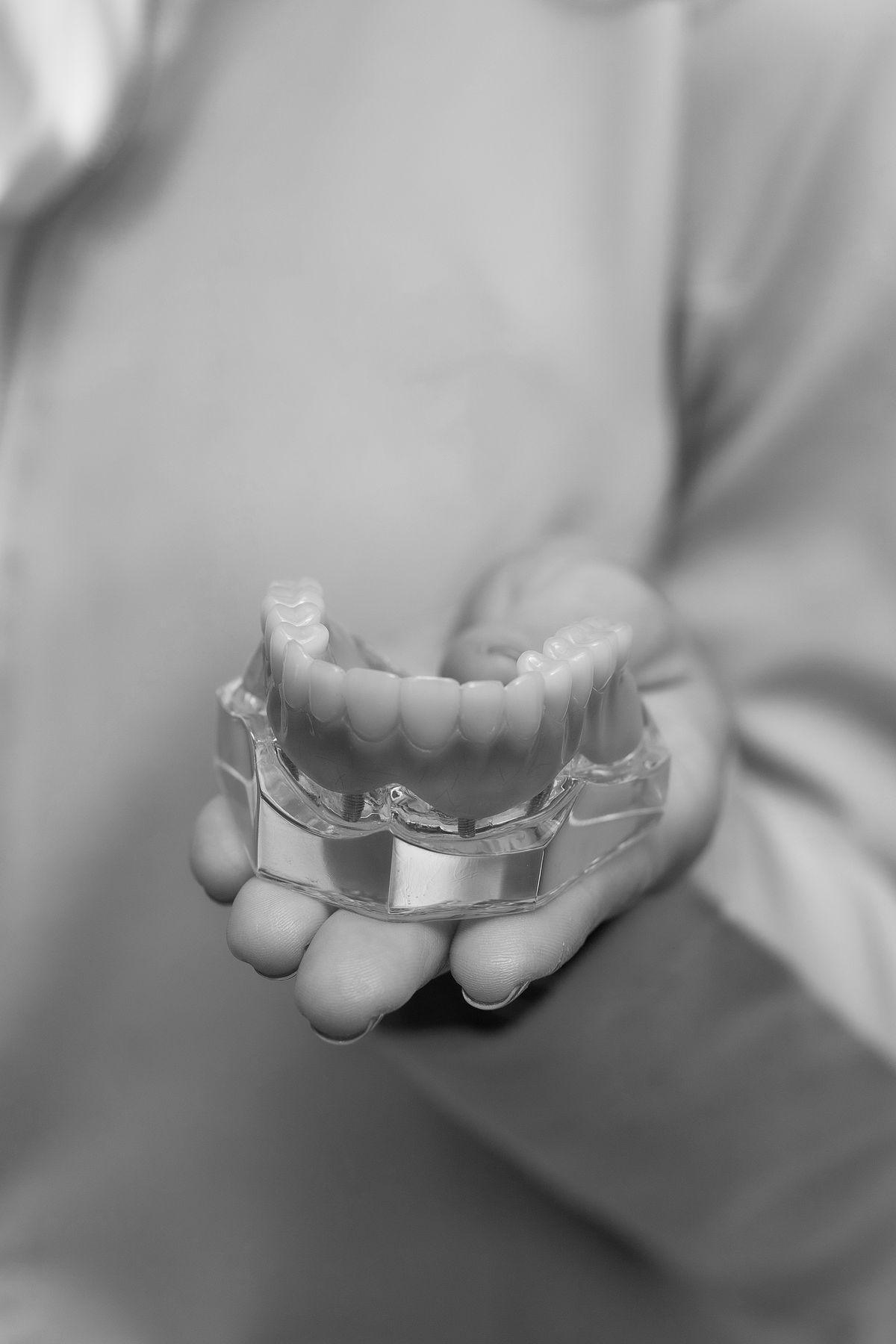
Full mouth dental implants replace all the teeth in the upper jaw, lower jaw, or both, using a small number of implants to support a complete set of fixed or removable teeth. They are designed for people who have lost most or all of their teeth, have failing teeth that cannot be saved, or are unhappy with loose dentures. Treatment is a significant decision but a well-established one, and our implant dentistry team in Tillsonburg plans each case with 3D imaging so the result looks natural and functions like real teeth.
Most full arches are supported by four to six implants placed in the jawbone. A fixed bridge or a snap-on overdenture is attached on top. Many patients leave surgery with temporary teeth the same day, then receive final teeth after the implants heal over several months.
Full mouth treatment often includes extractions of remaining teeth, removal of infection, and sometimes bone grafting. These steps are coordinated through our dental surgery services, so you follow one clear plan rather than a series of separate appointments.
Because full mouth surgery can take a few hours, many people prefer to be relaxed throughout. Our sedation dentistry options allow you to rest comfortably while the team works.
Experience and careful planning are the biggest factors in long-term success. You can meet our dentists and ask how they approach bite design, facial support, and follow-up care before you decide.
What Are Full Mouth Dental Implants?
Implants are small titanium or zirconia posts that act as artificial tooth roots. In full mouth treatment, implants are positioned strategically so that a full arch of teeth can be supported without placing an implant for every tooth. The final teeth are connected to the implants either permanently, with screws that only your dentist can remove, or with attachments that let you remove the denture for cleaning.
Types of Full Mouth Implant Restorations
Fixed Full-Arch Bridge
Often called a hybrid denture or All-on-4 style treatment. Four to six implants support a fixed set of teeth with a thin gum-coloured section. It does not cover the palate, so taste and speech feel natural. It is cleaned in place like natural teeth, with special brushes and a water flosser.
Implant-Retained Overdenture
Two to four implants hold a removable denture using locator or ball attachments. It is far more stable than a conventional denture and is removed daily for cleaning.
Bar-Retained Overdenture
Three to five implants are joined by a custom bar, and the denture clips onto it. It offers excellent stability and support while remaining removable.
Individual Implant Crowns
In rare cases with ideal bone, several implants support separate crowns and small bridges that closely mimic natural teeth. This approach usually needs more implants and longer treatment.
| Option | Implants per arch | Removable | Feel |
|---|---|---|---|
| Fixed full-arch bridge | 4 to 6 | No | Closest to natural teeth |
| Snap-on overdenture | 2 to 4 | Yes | Secure, easy to clean |
| Bar-retained overdenture | 3 to 5 | Yes | Very stable |
| Individual crowns and bridges | 8 or more | No | Natural, needs ideal bone |
Who Is a Candidate?
You may be a good candidate if you:
- Are missing most or all teeth in one or both arches
- Have teeth affected by advanced decay or gum disease that cannot be saved
- Struggle with loose or uncomfortable dentures
- Have enough jawbone, or are suitable for grafting or alternative implant techniques
- Are in good general health or have well-controlled medical conditions
- Are willing to keep up daily hygiene and regular maintenance visits
Smoking, uncontrolled diabetes, certain bone medications, and past radiation to the jaw can affect healing. Your dentist will review these factors honestly.
The Full Mouth Implant Process Step by Step
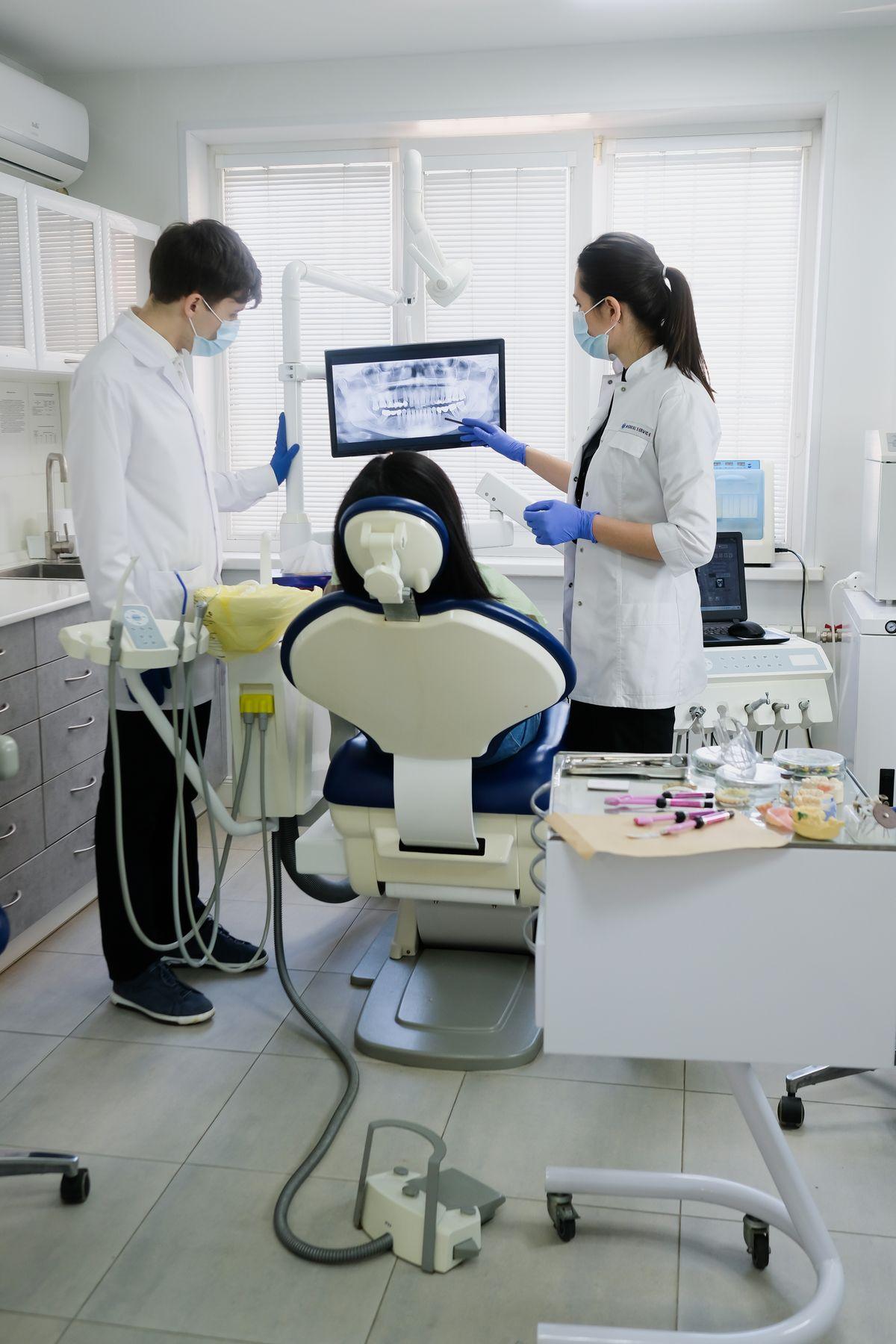
- Consultation and records. Your dentist reviews your medical history, examines your mouth, and takes photographs and a 3D cone beam scan.
- Digital planning. Implant positions are planned virtually to avoid nerves and sinuses and to support the ideal tooth position and lip support.
- Preparation. Remaining failing teeth are removed and any infection is cleared. Bone grafting may be done at the same time or beforehand.
- Implant placement. Implants are placed under local anaesthetic, often with sedation. Surgical guides may be used for accuracy.
- Temporary teeth. In many cases, a fixed temporary bridge is attached within a day, a protocol often called immediate loading. Otherwise, a temporary denture is worn.
- Healing and integration. Over about three to six months, the jawbone fuses with the implants.
- Final teeth. New impressions or scans are taken, and the final bridge or overdenture is designed and tried in for appearance, speech, and bite.
- Delivery and adjustment. The final teeth are secured and fine-tuned for comfort.
- Maintenance. Regular professional cleanings and checkups keep the implants and gums healthy.
Benefits of Full Mouth Implants
Stable chewing
Eat firmer foods with confidence and without adhesive.
Natural appearance
Custom teeth are designed to suit your face, lips, and smile line.
Bone support
Implants help maintain jawbone and facial shape over time.
Clear speech
Teeth stay in place, reducing clicking and slipping.
Comfort
Fixed bridges do not cover the palate, allowing better taste and temperature sensation.
Confidence
Many patients feel comfortable smiling, laughing, and dining out again.
Recovery: What to Expect
First Few Days
Swelling, mild bruising, and tenderness are common and usually peak around day two or three. Cold compresses, prescribed medication, rest, and a liquid or very soft diet help. Avoid strenuous activity, smoking, and alcohol.
First Weeks
Swelling fades and comfort improves. You will follow a soft-food diet, avoiding hard or chewy foods that could overload the healing implants. Gentle cleaning with prescribed rinses and soft brushes is important.
First Months
The bone integrates with the implants. You return for checks to confirm healing and to adjust temporary teeth if needed. Most people are back to normal daily activities within a few days of surgery.
Fixed vs Removable: How to Choose
| Consideration | Fixed full-arch bridge | Removable overdenture |
|---|---|---|
| Daily routine | Cleaned in the mouth | Removed and cleaned outside the mouth |
| Stability | Highest | Very good |
| Palate coverage | None | Lower arch none, upper may be reduced |
| Number of implants | More | Fewer |
| Upgradability | Final design | Can sometimes be upgraded to fixed later |
| Best for | Patients wanting teeth that never come out | Patients wanting easier cleaning and fewer implants |
Caring for Full Mouth Implants
Implants cannot get cavities, but the gums and bone around them need daily care to prevent inflammation called peri-implantitis.
- Brush twice daily. Use a soft brush on all surfaces of the bridge and along the gumline.
- Clean underneath. A water flosser, super floss, or interdental brushes reach under a fixed bridge.
- Clean overdentures daily. Remove, brush, and soak them, and clean the attachments in your mouth.
- Wear a night guard if advised. Grinding can chip teeth or overload implants.
- Avoid tobacco. Smoking is one of the strongest risk factors for implant problems.
- Keep maintenance visits. Professional cleanings, X-rays, and checks of screws and attachments every few months help your teeth last.
Myths About Full Mouth Implants
How Long Do Full Mouth Implants Last?
Implants that integrate well and are cared for properly can last for decades. The prosthetic teeth may need repairs, new attachment inserts, or replacement after many years due to normal wear. Regular reviews make it easier to catch small issues early.
Eating and Speaking With Your New Teeth
Eating
During healing, stick to soft foods such as eggs, fish, pasta, soups, and well-cooked vegetables. Avoid hard, crunchy, or sticky foods that can stress temporary teeth. Once your final teeth are in place and your dentist confirms healing, you can enjoy most foods again, including many you may have avoided for years.
Speaking
Your tongue needs a little time to adapt to the new shape of your teeth. Some people notice a slight lisp or whistle for the first few days. Reading aloud and talking normally help you adjust quickly. Final teeth are designed with speech in mind, so any changes usually settle within a couple of weeks.
Bone Grafting and Alternatives
When years of tooth loss or gum disease have thinned the jawbone, your dentist may suggest bone grafting to rebuild volume. In the upper jaw, a sinus lift can add bone height near the back teeth. Some techniques avoid or reduce grafting by tilting implants to use the strongest available bone, or by using specialised implants anchored in denser areas. A 3D scan shows which approach is suitable for you, and your dentist will explain the extra healing time involved.
Full Mouth Implants at a Trusted Tillsonburg Clinic
Family Dentistry on Brock is regarded as a top dentist in Tillsonburg choice for full mouth rehabilitation, with a 5.0 Google rating from more than 252 reviews. We accept new patients and the Canadian Dental Care Plan (CDCP) for eligible services. Alongside implants, we provide clear aligners, restorative care, veneers, laser treatment, teeth whitening, emergency care, sedation dentistry, dental surgery, and orthodontics.
All planning and treatment are provided by licensed dentists registered with the Royal College of Dental Surgeons of Ontario (RCDSO). Call +1 519-900-5640, email info@familydentistryonbrock.com, or visit 49 Brock St E, Tillsonburg, ON N4G 1Z7. We offer extended weekday hours, including Mondays until 7:00 PM, and Saturday visits by appointment.
Considering full mouth implants?
A consultation with 3D imaging will show which design suits your bone, bite, and goals, and what your treatment timeline looks like.
Frequently Asked Questions
How many implants are needed for a full mouth?
Most full arches use four to six implants per jaw. Removable overdentures can work with as few as two to four implants.
Can I get teeth the same day as surgery?
Many patients receive fixed temporary teeth within a day when bone quality allows. Final teeth follow after healing.
Is full mouth implant surgery painful?
Surgery is done under local anaesthetic, often with sedation. Most people describe recovery as manageable discomfort for a few days.
How long does the whole process take?
From planning to final teeth, treatment commonly takes several months, longer if bone grafting is needed first.
Can I switch from dentures to full mouth implants?
Yes. Many patients move from conventional dentures to implant-supported teeth, sometimes converting their existing denture during healing.
Conclusion
Full mouth dental implants can replace an entire arch of teeth with a stable, natural-looking smile. Success depends on careful planning, skilled placement, and consistent home and professional care. A detailed consultation is the best way to learn which option fits your mouth and lifestyle.