
Before And After Dentures

Before and after dentures usually show a dramatic change: missing, broken, or discoloured teeth replaced by a full, even smile, with better support for the lips and cheeks so the face looks fuller and more relaxed. Beyond appearance, the after picture often includes easier chewing, clearer speech, and renewed confidence. Feeling self-conscious about missing teeth is very common, and dentures are a proven, accessible way to restore your smile, so a consultation with the best dentist in Tillsonburg for your needs is a great first step toward your own transformation.
Before: gaps, worn or failing teeth, sunken lips, difficulty chewing. After: a complete set of natural-looking teeth, restored lip and cheek support, more efficient chewing, and clearer speech once you adjust. Results depend on planning, fit, and follow-up care.
The most natural after results come from careful planning of tooth shade, shape, and position. Many patients also choose more secure options such as implant-supported dentures for extra stability when they smile, laugh, and eat.
If some of your natural teeth are healthy, they may be kept and supported with other restorative treatments, while a partial denture fills the gaps for a more natural feel.
When teeth cannot be saved, extractions are planned as part of dental surgery, often with immediate dentures so you leave with a full smile on the same day.
What Do Before and After Denture Photos Really Show?
Before photos often show more than missing teeth. You may see teeth that have drifted or tipped into gaps, gums that are red or swollen from infection, a smile that shows dark spaces, and lips that fold inward because there is nothing behind them to support them. Many people also lose height in the lower face when back teeth are missing, so the chin moves closer to the nose and wrinkles around the mouth become deeper.
After photos show what happens when those structures are restored. A well-designed denture replaces the teeth and some of the lost gum and bone volume. The upper lip rests on the new front teeth, the corners of the mouth lift slightly, and the face regains a more natural proportion. This is why many denture wearers say people tell them they look younger, healthier, or simply more like themselves.
Before and After: Key Changes Compared
| Area | Before dentures | After dentures |
|---|---|---|
| Smile | Gaps, broken or stained teeth | Full, even, natural-looking teeth |
| Facial support | Sunken lips and cheeks, shortened lower face | Fuller lips and cheeks, balanced facial height |
| Chewing | Limited food choices, chewing on one side | Wider variety of foods after adjustment |
| Speech | Whistling or unclear sounds from gaps | Clearer speech once the tongue adapts |
| Comfort | Pain from loose or infected teeth | Relief from infection, with some initial adjustment |
| Confidence | Hiding the smile in photos and conversation | Smiling more freely |
Types of Denture Transformations
Full dentures
Replace all teeth in one or both jaws, creating the most visible before and after change.
Partial dentures
Fill gaps between natural teeth, restoring a complete smile with a familiar feel.
Immediate dentures
Placed on the day of extractions so you are never without teeth.
Implant overdentures
Snap onto implants for a secure, confident smile.
How a Denture Transformation Happens
- Consultation. Your goals, concerns, and medical history are discussed.
- Exam and X-rays. The dentist checks which teeth can be saved and the health of the gums and bone.
- Impressions and records. Moulds and bite measurements capture your mouth and facial proportions.
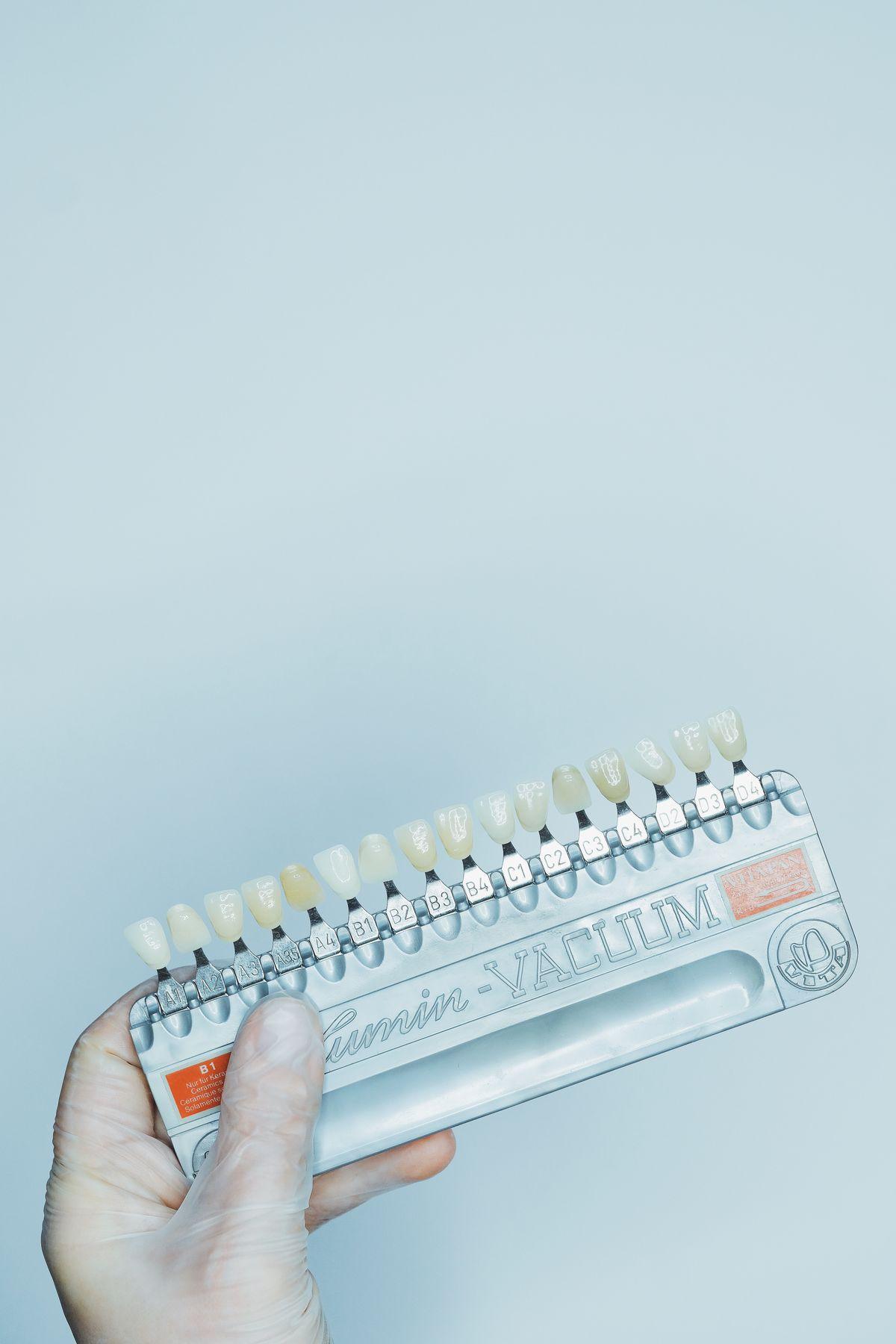
- Smile design. Tooth shade, shape, and size are chosen, often using old photos as a guide.
- Try-in. A wax version lets you preview the after result and request changes.
- Delivery. The final dentures are fitted and adjusted for comfort.
- Follow-up. Short visits fine-tune fit as your mouth adapts.
Realistic Expectations for Your After Results
Dentures can change your smile and face in remarkable ways, but they are still a replacement for natural teeth. Chewing force is lower than with natural teeth, and very hard or sticky foods may always need care. The first weeks involve learning to eat and speak with the new teeth, and some sore spots are common. Gums and bone continue to change, so relines and eventual replacement are normal parts of denture life. Understanding these facts helps you enjoy the benefits fully without feeling discouraged during adjustment.
Myths About Denture Before and After Results
The First Month: What Your Progress Looks Like
The day you receive dentures is the most dramatic moment visually, but the first month is when the transformation becomes part of everyday life. Knowing what to expect helps you stay patient and positive.
| Timeframe | What you may notice | Helpful tips |
|---|---|---|
| Days 1 to 3 | Dentures feel large, extra saliva, slight lisp | Practise speaking aloud and eat soft foods |
| Week 1 | Sore spots may appear as gums adapt | Book an adjustment rather than putting up with pain |
| Weeks 2 to 3 | Speech improves and chewing feels more natural | Introduce firmer foods gradually, chewing on both sides |
| Week 4 and beyond | Dentures feel familiar and confidence grows | Keep up daily cleaning and regular checkups |
Small Details That Make a Big Difference in the After Result
Two people can both receive dentures and end up with very different results. The difference often comes down to small details. Tooth shade should suit your skin tone and age rather than simply being the brightest white available. Tooth size should match your face, with front teeth proportioned to your lips and smile width. The edges of the upper front teeth should follow the curve of your lower lip when you smile. The pink gum section should be shaped and shaded to look like real gums. Finally, the denture must fit securely, because even the most beautiful teeth look less natural if they move when you talk.
Bringing photos of your natural smile from earlier years can be a big help. They give your dentist clues about your original tooth shape, how much of your teeth showed when you smiled, and the overall character of your smile.
Health Benefits Behind the Before and After
Many denture transformations are about health as much as appearance. Removing teeth that are infected or severely decayed can relieve chronic pain and reduce sources of inflammation in the mouth. Being able to chew properly again allows for a more varied diet with more vegetables, fruits, and proteins, which supports overall wellbeing. Clearer speech and a confident smile can make social situations, work, and family time feel easier and more enjoyable.
Comfort
Relief from toothaches and infections caused by failing teeth.
Nutrition
Better chewing supports a healthier, more balanced diet.
Communication
Clearer speech once the tongue adapts to the new teeth.
Wellbeing
Renewed confidence in conversations, photos, and daily life.
Keeping Your After Results Looking Their Best
- Brush dentures every day with a soft brush and non-abrasive cleanser
- Soak them overnight to keep the acrylic hydrated and clean
- Clean your gums, tongue, and palate to keep tissues healthy
- Handle dentures over a towel or basin of water to avoid breakage
- Visit your dentist yearly for checks, polishing, and relines when needed
With good care, your new smile can look fresh and natural for years, and regular checkups help you stay ahead of changes in fit.
Conventional vs Implant Dentures: Comparing the After Experience
Both conventional and implant-supported dentures can create beautiful after photos, but daily life with each can feel different. Conventional dentures rest on the gums and rely on suction, fit, and sometimes adhesive. They are non-surgical and quicker to complete, and they suit many people very well, especially for the upper jaw. Implant-supported dentures attach to implants placed in the jawbone. They move far less when you eat, speak, or laugh, and many people find they can enjoy a wider range of foods with more confidence.
Implants also help preserve bone in the areas where they are placed, which can help maintain facial support over the long term. The trade-off is that implants require surgery, healing time, and enough healthy bone. Your dentist can explain whether you are a good candidate and how each option would affect your own before and after journey, so you can make a decision that fits your health, goals, and lifestyle.
Is It Ever Too Late for a Denture Makeover?
It is rarely too late. People of all ages, including those who have been missing teeth for many years, can benefit from new dentures. Long-term tooth loss may mean more bone has been lost, which can affect stability, but modern techniques, soft liners, and implant options help address these challenges. A thorough assessment will show what is possible for you and help set realistic, encouraging goals for your new smile.
Why Patients Choose This Dental Office in Tillsonburg
With a 5.0 Google rating across 252+ reviews, Family Dentistry on Brock is regarded as one of the best dental clinics in Tillsonburg. New patients are always welcome, CDCP (Canadian Dental Care Plan) patients are accepted, and the clinic offers dental implants, clear aligners, restorative care, veneers, laser treatment, teeth whitening, emergency dentistry, sedation dentistry, dental surgery, and orthodontics.
Book a visit that fits your schedule
Reach the team at +1 519-900-5640 or info@familydentistryonbrock.com, or stop by 49 Brock St E, Tillsonburg, ON N4G 1Z7. Monday appointments run until 7:00 PM, and Saturdays are open by appointment.
Frequently Asked Questions
How long does it take to see before and after denture results?
You see the visual change on the day dentures are fitted. Comfort, speech, and chewing improve over the following weeks.
Will dentures make me look younger?
Restoring lip and cheek support and facial height often makes people look fresher and more youthful.
Can I choose how my new teeth look?
Yes. You can discuss shade, shape, and size and review them at the try-in stage.
Do implant dentures give better results?
They often feel more stable and confident during speaking and eating, which many people value in their after result.
How often will my dentures need adjustment?
Expect a few adjustments in the first weeks, then yearly checkups and relines as needed.
Conclusion
Before and after dentures show more than a new smile, with restored facial support, chewing, speech, and confidence. The best results come from careful planning, a try-in stage, and regular follow-up care. A consultation helps you picture your own transformation and choose the right denture option.


