Bad Breath in Tillsonburg: Real Causes and Lasting Solutions

Persistent bad breath is common, usually treatable, and in most cases caused by something inside the mouth rather than the stomach. Around 85 to 90 percent of cases originate from bacterial activity on the tongue, between the teeth, or under the gum line, which means the solution is usually dental rather than medical. A thorough assessment at a dental clinic in Tillsonburg identifies the source quickly, and once it is treated the improvement is often immediate.
Occasional morning breath is normal because saliva flow drops overnight. Breath that stays unpleasant through the day, despite brushing and mouthwash, is a different matter and deserves investigation.
The commonest hidden causes are untreated decay, deep gum pockets, and failing old restorations. A full review of all dentistry services available means the problem can be diagnosed and treated in one place rather than referred around.
Where a cracked filling or leaking crown is trapping bacteria, restorative care removes the reservoir that mouthwash simply cannot reach.
For gum-related odour, modern laser treatment in Tillsonburg can support conventional cleaning by decontaminating periodontal pockets during therapy.
The clinical team behind that care matters, and you can see who provides it on the Meet Our Doctors page before your first visit.
If symptoms have been going on for weeks, the practical next step is simply to book an appointment and have the cause identified rather than continuing to mask it.
Direct Answer: What Causes Bad Breath?
Bad breath, clinically called halitosis, is usually caused by volatile sulphur compounds produced when oral bacteria break down proteins from food debris, dead cells, and blood. The main sources are:
- Tongue coating. The rough surface at the back of the tongue harbours large numbers of odour-producing bacteria.
- Periodontal disease. Deep pockets create an oxygen-poor environment where these bacteria thrive.
- Untreated decay. Cavities trap food and bacteria beyond the reach of a toothbrush.
- Failing restorations. Leaking margins on old fillings and crowns hold stagnant debris.
- Dry mouth. Reduced saliva removes the natural rinsing and buffering action.
- Food debris between teeth. Interdental spaces missed by brushing alone.
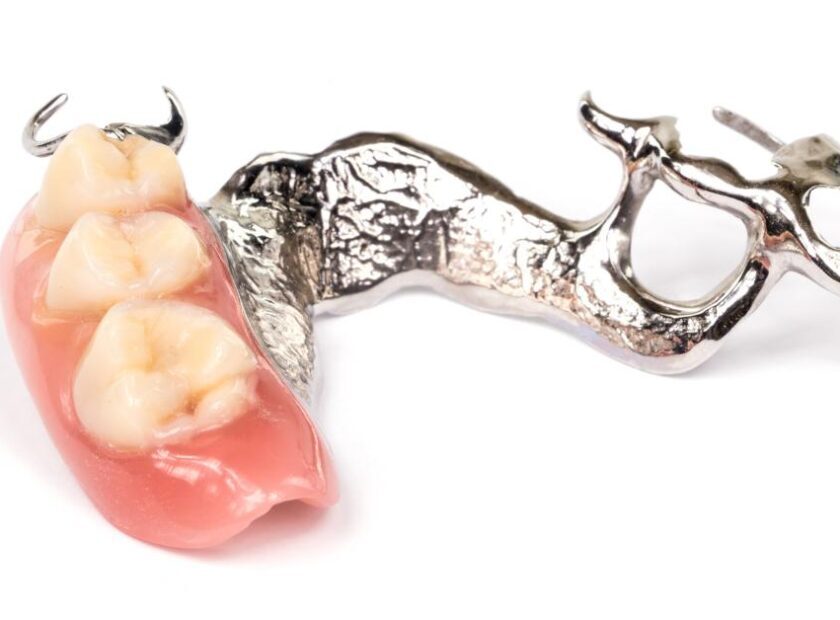
- Ill-fitting or uncleaned dentures. A frequent and often overlooked cause.
- Impacted wisdom teeth. Gum flaps over partially erupted molars trap plaque.
Less Common but Important Causes
- Tonsil stones, which produce a distinctive persistent odour
- Chronic sinusitis or post-nasal drip
- Uncontrolled diabetes, which can produce a sweet or acetone-like smell
- Gastro-oesophageal reflux
- Kidney or liver conditions in rare cases
- Certain medications causing dry mouth as a side effect
- Smoking, which both dries the mouth and adds its own odour
- Low-carbohydrate diets producing ketone breath
If a thorough dental examination finds no oral cause, referral for medical assessment is appropriate. That sequence matters, because starting with unnecessary medical investigation wastes time when the answer is usually dental.
Is Your Bad Breath Temporary, Common, or Serious?
Temporary and Harmless
Morning breath, odour after garlic, onions, coffee, or alcohol, and dryness after a long flight or intense exercise.
Common and Treatable
Persistent odour with bleeding gums, a coated tongue, or a bad taste. This usually reflects gingivitis, tongue coating, or interdental plaque, and responds well to professional cleaning plus improved technique.
Needs Prompt Attention
Odour with gum swelling, pus, a loose tooth, or severe pain suggests active infection. Sudden onset with a bad taste after intense toothache may indicate a draining abscess and should be assessed quickly.
How Dentists Diagnose the Source
- History. Duration, timing, diet, medications, smoking, and whether others have commented.
- Examination. Teeth, gums, tongue, tonsillar area, existing restorations, and dentures.
- Periodontal charting. Measuring pocket depths and bleeding points, since deep pockets are a major reservoir.
- Radiographs. To find decay between teeth, under fillings, and any bone loss or abscess.
- Tongue assessment. Checking coating thickness at the posterior third.
- Saliva evaluation. Identifying dry mouth as a contributing factor.
- Elimination. Treating oral causes first, then referring if odour persists.
Treatment: What Actually Works
Professional Treatment
- Scaling and debridement to remove calculus above and below the gum line
- Treatment of periodontal pockets, sometimes supported by laser decontamination
- Restoration of decayed teeth and replacement of leaking fillings or crowns
- Extraction or management of problematic partially erupted wisdom teeth
- Denture assessment, cleaning advice, and relining where fit is poor
- Dry mouth management with saliva substitutes and high-fluoride protection
Home Measures That Make a Difference
- Clean the back of the tongue daily with a scraper or brush, gently but thoroughly.
- Clean between every tooth once a day with floss or interdental brushes.
- Brush twice daily for two full minutes, including the gum margins.
- Drink water regularly through the day.
- Choose alcohol-free antibacterial rinses if recommended, rather than strong alcohol formulas that dry the mouth.
- Clean dentures thoroughly every day and leave them out overnight.
- Chew sugar-free gum after meals to stimulate saliva.
- Stop smoking, which is one of the highest-impact changes available.
Comparison: Masking Versus Treating
- Mints and chewing gum: mask odour for minutes. Sugar-free versions at least stimulate saliva.
- Alcohol-based mouthwash: masks temporarily and can worsen dryness, which increases odour later.
- Antibacterial rinse used as directed: reduces bacterial load and helps as an adjunct, not a cure.
- Tongue cleaning: addresses the largest single source directly and costs almost nothing.
- Professional cleaning and treatment: removes the actual reservoirs of bacteria. This is what produces lasting change.
Summary: masking works for minutes, hygiene changes work for hours, and treating the underlying cause works permanently.
Myths and Misconceptions
Myth: Bad breath always comes from the stomach
The vast majority of cases originate in the mouth. Digestive causes are relatively uncommon and are considered after dental causes are excluded.
Myth: Mouthwash cures halitosis
Rinses cannot reach into deep gum pockets, inside cavities, or under leaking restorations. They reduce symptoms without removing the source.
Myth: You can reliably smell your own breath
Adaptation makes self-assessment unreliable. Asking a trusted person, or having a clinical assessment, is far more accurate.
Myth: Brushing harder solves it
Aggressive brushing damages gums and enamel while still missing the interdental spaces and tongue surface where odour originates.
Myth: Bad breath is just poor hygiene
Many people with excellent brushing habits still have halitosis because of dry mouth, deep pockets, or hidden decay. It is a clinical issue, not simply a discipline issue.
Safety Notes
Do not use antibacterial rinses continuously for long periods without professional advice, as prolonged use can alter the oral microbiome and stain teeth. Never attempt to remove tonsil stones with sharp objects. Persistent unexplained odour, a non-healing ulcer, unexplained bleeding, or a lump lasting more than two weeks needs prompt professional examination. All diagnosis and treatment should be provided by licensed dental professionals registered with the Royal College of Dental Surgeons of Ontario (RCDSO), and this article is general information rather than individual advice.
Prevention Checklist
- Brush twice daily and clean between teeth once daily
- Clean the tongue every day
- Attend professional cleaning at the interval advised for your gum health
- Treat decay and replace failing restorations promptly
- Manage dry mouth actively rather than tolerating it
- Keep dentures scrupulously clean and have the fit checked
- Limit alcohol, tobacco, and frequent sugary snacking
- Report bleeding gums early, since inflammation and odour travel together
Local Care You Can Rely On
Family Dentistry on Brock is one of the most trusted dental clinics in Tillsonburg, with a 5.0 Google rating from more than 252 patient reviews. The team accepts new patients as well as CDCP patients, and halitosis is treated as a diagnostic problem to be solved rather than an embarrassing topic to be avoided.
The practice offers a full range of care including dental implants, clear aligners, restorative care, dental veneers, laser treatment, teeth whitening, dental emergency care, sedation dentistry, dental surgery, and orthodontics, which means the cause of persistent breath problems can be treated without being sent elsewhere. You can reach the team on +1 519-900-5640 or at info@familydentistryonbrock.com, and the clinic is located at 49 Brock St E, Tillsonburg, ON N4G 1Z7, Canada.
Extended weekday hours, with Monday appointments until 7:00 PM, and Saturday availability by appointment make it realistic to be seen quickly. Patients are given practical, personalised home-care instruction and a review appointment to confirm the improvement has held.
Frequently Asked Questions
Why does my breath smell bad even though I brush twice a day?
Brushing alone misses the tongue surface and the spaces between teeth, and it cannot reach into deep gum pockets or inside cavities. Those areas are usually where the odour originates.
Can gum disease cause bad breath?
Yes, it is one of the leading causes. Deep periodontal pockets create the low-oxygen environment that odour-producing bacteria prefer.
Does mouthwash fix bad breath?
It can reduce it temporarily and is useful as an adjunct, but it does not remove calculus, treat decay, or clean deep pockets, so the odour returns.
How long does it take to improve after treatment?
Many patients notice a clear difference within days of professional cleaning and tongue cleaning. Gum treatment may take a few weeks for inflammation to fully settle.
When should I see a doctor instead of a dentist?
If a thorough dental examination finds no oral cause, or if you have symptoms such as chronic sinus problems, reflux, or unexplained weight change, medical assessment is the appropriate next step.
Conclusion
Persistent bad breath almost always has an identifiable oral cause, and identifying it is the fastest route to lasting improvement. Daily tongue cleaning and interdental cleaning solve a surprising number of cases on their own. If the problem persists, have your gums, teeth, and restorations properly assessed rather than relying on mouthwash.