
Root Canal Before And After Transform Your Smile
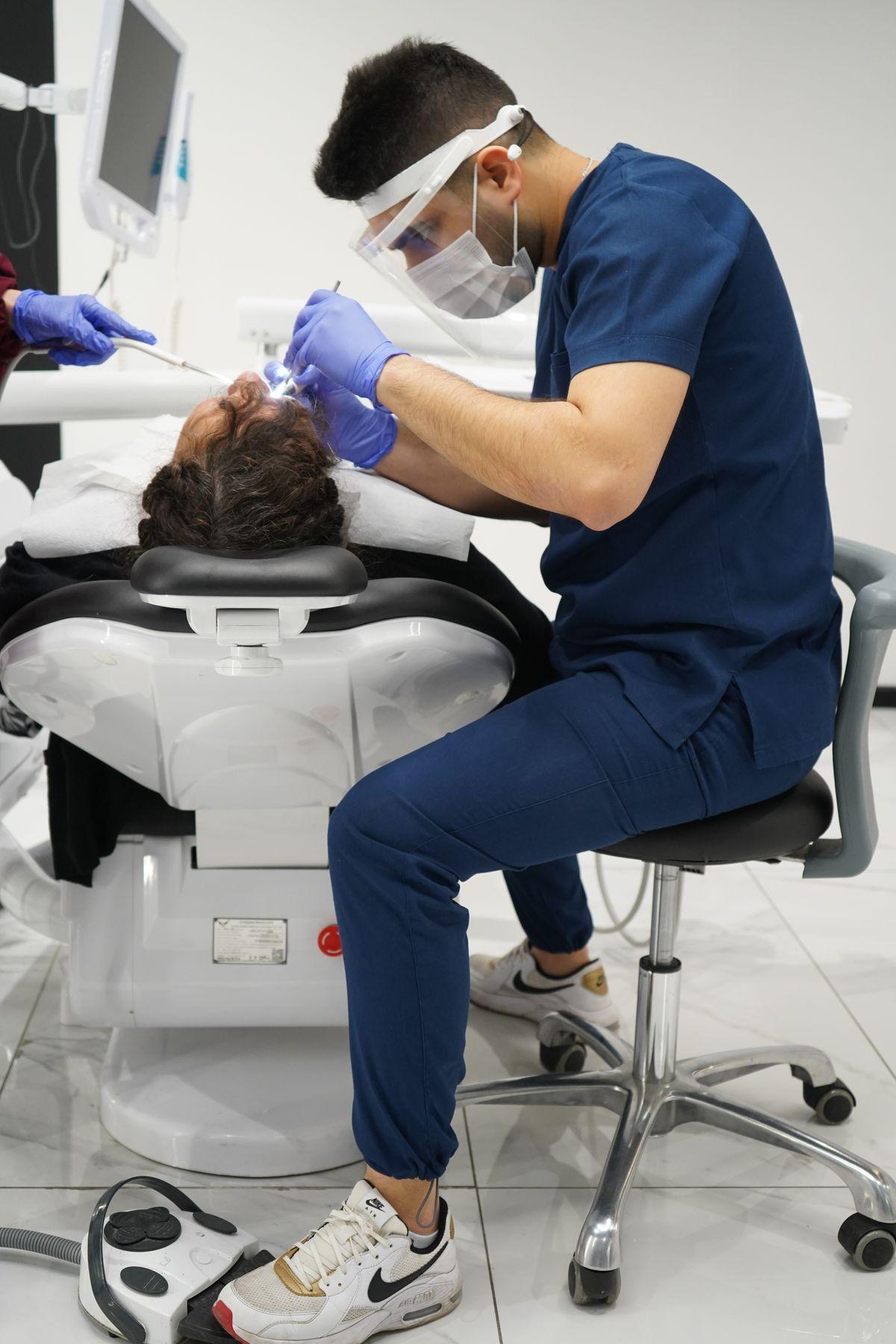
Before a root canal, a tooth is often painful, sensitive, swollen, or darkened because the nerve inside is inflamed or infected. After a root canal, the infection is removed, pain typically eases within a few days, and the tooth is sealed and usually capped so it looks and works like a natural tooth again. Needing a root canal is common, and it is a tooth-saving treatment rather than something to fear, especially when it is planned through a restorative dentistry practice in Tillsonburg that focuses on comfort and long-term results.
The before picture is pain, swelling, and a tooth at risk of being lost. The after picture is a pain-free, sealed tooth that can last for decades with a crown and good care. Most patients return to normal routines the next day.
Many people wait too long because they expect the treatment itself to hurt. In reality, modern root canal therapy is performed under local anaesthetic and feels similar to having a filling. For anxious patients, calming sedation options can make the appointment more relaxed.
Severe throbbing, facial swelling, or a pimple on the gum can mean an abscess is forming. In that situation, same-day dental emergency care helps control the infection quickly and protect your general health.
If a tooth is already badly broken, your dentist will discuss whether it can be saved or whether an extraction and replacement would be more predictable. You can compare these paths on our dental implant information page.
What Is a Root Canal?
A root canal, also called endodontic treatment, removes damaged or infected pulp from inside a tooth. The pulp contains nerves and blood vessels. When deep decay, a crack, or trauma lets bacteria reach it, the pulp becomes inflamed and can die, leading to infection at the root tip. The dentist cleans and shapes the canals, disinfects them, and fills them with a sealing material called gutta-percha. The tooth is then restored with a filling or crown.
Before a Root Canal: Signs a Tooth Needs Treatment
Common warning signs include:
- Lingering sensitivity to hot or cold that lasts after the trigger is gone
- Throbbing or spontaneous pain, especially at night
- Pain when biting or touching the tooth
- A tooth that has turned grey, brown, or darker than its neighbours
- Swollen, tender gums near one tooth
- A small bump or pimple on the gum that may drain
- Swelling in the face or jaw
Some infected teeth cause no pain at all and are only found on X-rays. This is why routine checkups matter.
Before and After: What Changes
| Aspect | Before treatment | After treatment |
|---|---|---|
| Pain | Throbbing, sharp, or constant | Mild tenderness for a few days, then relief |
| Infection | Bacteria spreading at the root tip | Canals cleaned, disinfected, and sealed |
| Appearance | May be dark, broken, or decayed | Restored with a natural-looking crown or filling |
| Chewing | Avoided on that side | Normal chewing once the final restoration is placed |
| Long-term outlook | Risk of tooth loss and spreading infection | Tooth can last many years with care |
| Gum health | Swelling or draining bump possible | Swelling settles as the area heals |
The Root Canal Process Step by Step
- Diagnosis. The dentist examines the tooth, tests sensitivity, and takes X-rays to see the roots and any infection.
- Anaesthetic. The area is fully numbed so you feel pressure but not pain.
- Isolation. A rubber dam keeps the tooth dry and clean during treatment.
- Access and cleaning. A small opening is made, and the infected pulp is removed with fine instruments.
- Shaping and disinfecting. Each canal is shaped and rinsed with antibacterial solutions.
- Filling the canals. The canals are sealed with gutta-percha to prevent reinfection.
- Temporary or permanent filling. The access opening is closed.
- Crown placement. Back teeth usually receive a crown at a later visit to prevent fracture.
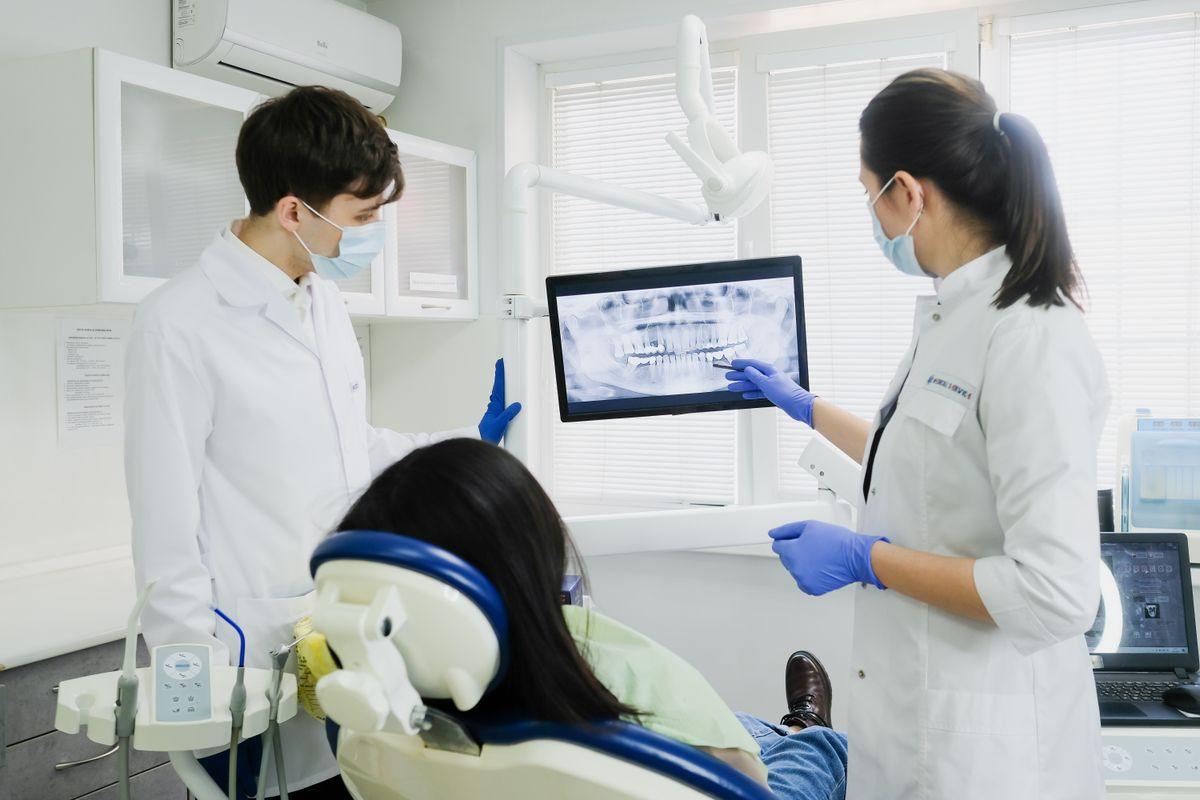
After a Root Canal: The Recovery Timeline
Recovery is usually quick and predictable. Here is what most patients can expect.
The First 24 Hours
Numbness wears off within a few hours. The tooth and gum may feel tender, especially when biting, because the tissues around the root were inflamed before treatment. Over-the-counter pain relief, taken as directed, is usually enough. Avoid chewing on that side until the numbness is gone.
Days 2 to 5
Tenderness steadily fades. Many people feel dramatically better than before treatment because the source of pressure and infection has been removed. If you had swelling before the procedure, it should continue to go down. Keep brushing and flossing gently around the tooth.
Weeks 1 to 3
The tooth should feel comfortable for daily activities. If a temporary filling was placed, it is important to return for the permanent restoration on schedule. A temporary is not designed to last and can leak, allowing bacteria back into the canals.
Long Term
Once the crown or permanent filling is in place, the tooth functions like any other. Healing of bone around the root tip can continue for several months, and your dentist may take a follow-up X-ray to confirm the infection has resolved.
How the Crown Transforms Your Smile
The visible part of the transformation often comes from the final restoration. A tooth that was dark, broken, or heavily filled can be covered with a tooth-coloured crown that matches your natural shade. For front teeth with minimal damage, a bonded filling may be enough, and internal bleaching can sometimes lighten a tooth that darkened after the nerve died.
Natural colour
Ceramic crowns are shaded to blend with neighbouring teeth.
Restored shape
Broken edges and worn surfaces are rebuilt to their original form.
Full strength
The crown protects the treated tooth from cracking under biting forces.
Comfortable bite
The crown is adjusted so your teeth meet evenly.
Lasting seal
A well-fitted crown keeps bacteria out of the treated canals.
Confident smile
You can chew, speak, and smile without worrying about the tooth.
Aftercare Tips for Lasting Results
- Take medication as directed. Follow instructions for pain relief and finish any antibiotics if prescribed.
- Protect the tooth until it is crowned. Avoid hard or sticky foods on the treated side.
- Keep the area clean. Brush twice daily and floss gently so the gum heals well.
- Attend your crown appointment. Delaying the final restoration is a common reason for failure.
- Wear a night guard if you grind. Clenching can crack restored teeth.
- Keep regular checkups. X-rays help confirm that the bone around the root is healing.
Common Myths About Root Canals
Root Canal vs Extraction: Comparing the Outcomes
| Factor | Root canal and crown | Extraction |
|---|---|---|
| Keeps natural tooth | Yes | No |
| Effect on jawbone | Bone is preserved | Bone shrinks without replacement |
| Neighbouring teeth | Stay in position | May drift into the gap |
| Further treatment | Crown on most back teeth | Implant, bridge, or partial denture usually advised |
| Appearance | Natural tooth with a matching crown | Gap until replaced |
Extraction is sometimes the right choice, for example when a tooth is split below the gumline or too damaged to restore. Your dentist will explain the outlook for both options honestly.
Why Root Canals Sometimes Need Retreatment
Most root canals succeed long term, but a small number need further care. Causes include an extra canal that was hard to detect, a crack in the root, new decay that lets bacteria back in, or a delay in placing the final crown. Retreatment involves reopening the tooth, cleaning the canals again, and resealing them. In complex cases, a referral to an endodontist, a dentist who specialises in root canal treatment, may be recommended. Good home care and timely restoration greatly reduce these risks.
Preparing for Your Root Canal Appointment
A little preparation can make the visit smoother:
- Eat a light meal beforehand unless you are having sedation, in which case follow the fasting instructions given.
- Take any regular medications as normal unless your dentist advises otherwise.
- Tell the team about allergies, heart conditions, or blood thinners.
- Arrange a ride home if sedation is planned.
- Bring headphones if music helps you relax during treatment.
- Write down questions about recovery, the crown, and follow-up so nothing is missed.
Knowing what to expect reduces anxiety for most patients and helps the appointment run on time.
Who Is a Good Candidate?
You are likely a good candidate if the tooth has enough healthy structure to restore, the roots are intact, and the gums and bone around it are healthy. Medical conditions rarely prevent treatment, but your dentist should know your full health history, medications, and allergies.
Transform Your Smile at a Trusted Tillsonburg Clinic
Family Dentistry on Brock is regarded as a top dentist in Tillsonburg option for patients who want honest advice and gentle care, with a 5.0 Google rating from more than 252 reviews. We accept new patients and the Canadian Dental Care Plan (CDCP). Our team also provides dental implants, clear aligners, restorative care, veneers, laser treatment, teeth whitening, emergency care, sedation dentistry, dental surgery, and orthodontics.
Treatment is provided by licensed dentists registered with the Royal College of Dental Surgeons of Ontario (RCDSO), with careful follow-up after every procedure. Call +1 519-900-5640, email info@familydentistryonbrock.com, or visit 49 Brock St E, Tillsonburg, ON N4G 1Z7. We offer extended weekday hours, including Mondays until 7:00 PM, and Saturday visits by appointment, and we respond quickly when you are in pain.
Living with a painful or darkened tooth?
An exam and X-ray will show whether a root canal can save it and how a crown can restore its appearance.
Frequently Asked Questions
How long does a root canal take?
Most root canals take one or two appointments of about 60 to 90 minutes each, depending on the tooth and how many canals it has.
Will my tooth look different after a root canal?
The tooth may look the same right after treatment. Its appearance usually improves once a matching crown or filling is placed.
How soon can I eat after a root canal?
Wait until the numbness wears off, then eat soft foods and chew on the other side until the permanent restoration is placed.
Do all root canal teeth need a crown?
Back teeth almost always need a crown because they handle heavy chewing. Front teeth with minimal damage may only need a filling.
How long does a root canal last?
With a well-fitted crown and good oral hygiene, a root-canal-treated tooth can last many years, often a lifetime.
Conclusion
A root canal turns a painful, infected tooth into a healthy, functional part of your smile. Recovery is usually quick, and a matching crown restores both strength and appearance. Early assessment gives you the best chance of saving your natural tooth.