Soft Food Ideas After Dental Surgery

The best soft food ideas after dental surgery are cool, smooth, protein-rich foods such as Greek yogurt, scrambled eggs, mashed potatoes, cottage cheese, and lukewarm blended soups. Eating soft foods for a few days is a normal, temporary part of healing after procedures like extractions, gum treatment, or oral surgery at our Tillsonburg dental clinic. Pain that gets worse after day three, fever, or a bad taste with swelling is not routine and should be checked.
For the first 24 hours, choose cool or room-temperature foods you can eat without chewing. From day two to five, move to warm, soft meals you can mash with a fork. Most people return to their normal diet within one to two weeks, depending on the procedure.
Food choices matter because the surgical site needs a stable blood clot and clean conditions to heal. Hard, crunchy, spicy, or very hot foods can disturb that clot, irritate stitches, or trap debris. If you notice sudden throbbing pain a few days after an extraction, our same-week emergency dental care can help you find out whether a dry socket or infection is developing.
The ideas below work for most patients after wisdom tooth removal, simple and surgical extractions, bone grafting, and implant placement surgery. Your own instructions may be stricter, especially if you had sutures, a sinus lift, or sedation.
Planning meals before your appointment makes recovery far easier. Stock up a day or two ahead, prepare a few batches of soup, and set out a blender. If you have questions about how long your diet will be limited, ask during your consultation or when you schedule your surgery visit.
What Counts as a Soft Food After Oral Surgery?
A soft food is anything you can eat with little or no chewing, that does not break into small hard pieces, and that will not stick in the surgical area. Good soft foods are:
- Smooth or easily mashed with a fork
- Served cool, lukewarm, or warm, never piping hot
- Free of seeds, nuts, crumbs, and sharp edges
- Mild in flavour without strong spice or acidity
- High in protein, vitamins, and fluid to support tissue repair
Protein deserves special attention. Healing gum and bone tissue need amino acids, yet many people live on ice cream and pudding for days. Balancing comfort with nutrition shortens the time you feel tired and run down.
Soft Food Ideas by Recovery Stage
Day 1: Cool and No-Chew Foods
The first day is about protecting the clot and reducing swelling. Cool foods can feel soothing.
- Plain or Greek yogurt (no granola or fruit pieces)
- Applesauce and smooth fruit purées
- Chilled, smooth puddings and custards
- Cool blended soups such as cucumber or gazpacho without chunks, if not too acidic for you
- Protein shakes or smoothies eaten with a spoon, not a straw
- Cottage cheese or ricotta
Days 2 to 3: Warm and Mashable Meals
Once bleeding has settled, warm (not hot) foods add comfort and variety.
- Mashed potatoes, sweet potatoes, or cauliflower mash
- Soft scrambled eggs or an omelette with cheese
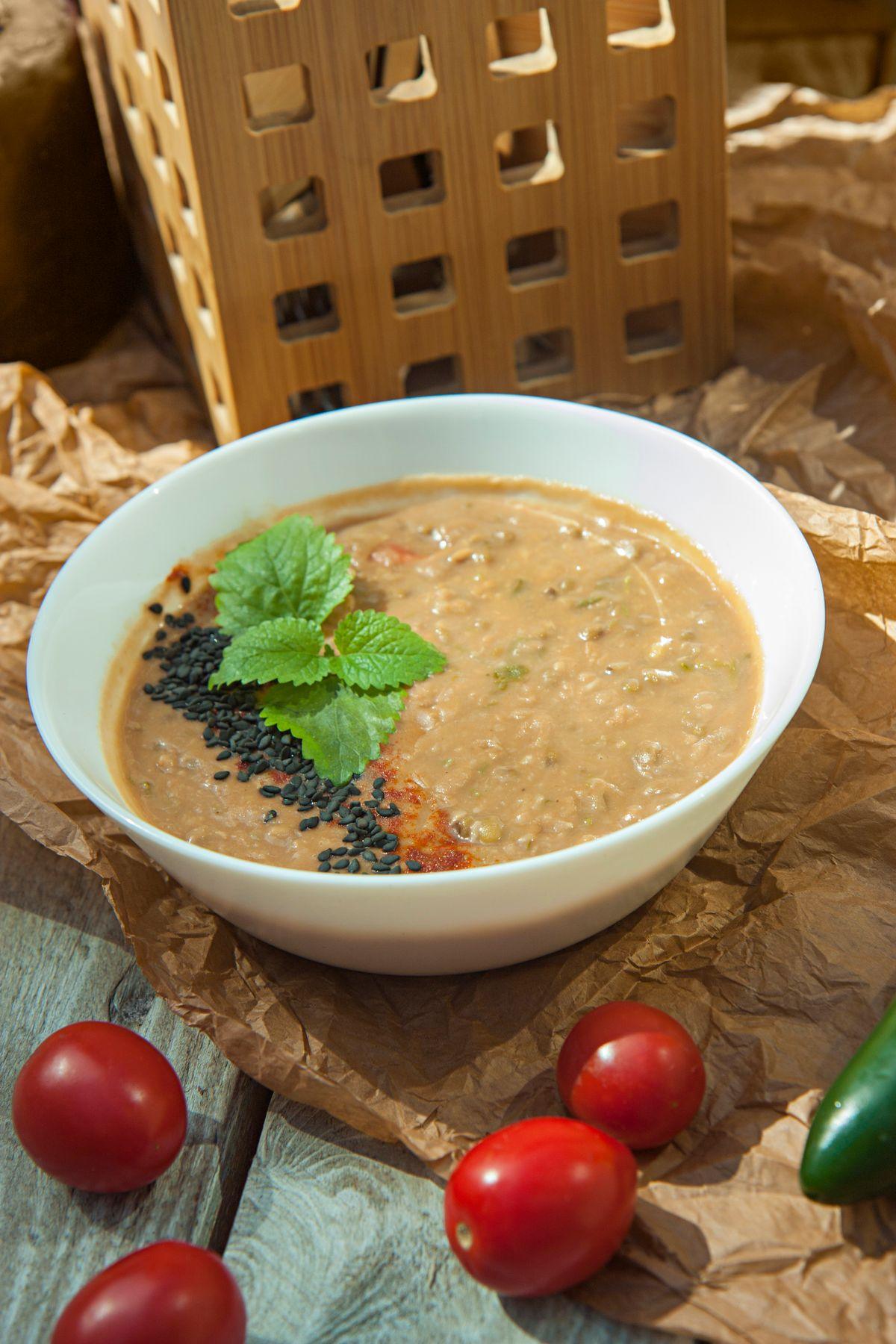
- Lukewarm cream of mushroom, butternut squash, or lentil soup, fully blended
- Hummus thinned with a little olive oil
- Instant oatmeal or cream of wheat, cooled slightly
- Mashed avocado or guacamole without chips
Days 4 to 7: Soft but More Substantial
As tenderness fades, you can include foods with gentle texture.
- Flaky baked fish such as salmon or cod
- Soft-cooked pasta, macaroni and cheese, or risotto
- Tender meatballs simmered in sauce
- Well-cooked rice with soft vegetables (if rice does not lodge in the socket)
- Pancakes soaked in syrup or soft French toast without the crust
- Ripe bananas, soft pears, and canned peaches
Meal Ideas for Breakfast, Lunch, Dinner, and Snacks
Thinking in terms of meals helps you avoid grazing on sugary snacks. Here is a simple framework many patients find useful.
Breakfast
Greek yogurt with smooth nut butter stirred in, soft scrambled eggs, or oatmeal made with milk for extra protein.
Lunch
Blended vegetable soup with a side of hummus, or mashed sweet potato topped with melted cheese.
Dinner
Flaked salmon over mashed potatoes, soft pasta with smooth tomato sauce, or a tender shepherd’s pie filling.
Snacks
Applesauce, cottage cheese, pudding, a spoonable smoothie bowl, or a soft banana.
Hydration
Water, milk, and diluted juices. Sip from a cup and avoid carbonated or alcoholic drinks.
Comfort treats
Ice cream or frozen yogurt without mix-ins, enjoyed in moderation and followed by a gentle rinse.
Foods and Habits to Avoid While You Heal
Some foods slow healing or create real complications. Avoid the following until your dentist confirms the area has closed.
| Avoid | Why it is a problem | Safer swap |
|---|---|---|
| Chips, nuts, popcorn | Sharp fragments lodge in the socket | Smooth hummus or mashed avocado |
| Spicy or acidic foods | Sting the wound and raise irritation | Mild herbs and a pinch of salt |
| Very hot soups or drinks | Increase bleeding and swelling | Lukewarm, fully blended soups |
| Sticky candy or caramel | Pulls on stitches and traps bacteria | Smooth pudding or custard |
| Drinking through a straw | Suction can dislodge the clot | Sip directly from a cup |
| Alcohol and smoking | Delay healing and raise dry socket risk | Water, milk, herbal tea (cooled) |
How to Eat Safely After Dental Surgery
- Wait for numbness to wear off. Eating while your lip or tongue is numb can lead to accidental bites.
- Start with liquids and very smooth foods. Take small spoonfuls and see how the area feels.
- Chew on the opposite side. Keep food away from the surgical site whenever possible.
- Keep temperatures mild. Let soups and drinks cool until they feel comfortable on your wrist.
- Rinse gently after meals from day two. Use a warm saltwater rinse and let it fall from your mouth rather than spitting forcefully.
- Add texture gradually. Move forward only when the previous stage feels comfortable.
- Return to normal foods when cleared. Your dentist will usually confirm this at a follow-up visit.
Common Myths About Eating After Oral Surgery
How Long Should You Stay on Soft Foods?
The answer depends on the procedure. A routine extraction usually needs about three to five days of soft foods. Surgical wisdom tooth removal often needs about a week. Bone grafts and implant surgery may require two weeks or longer of avoiding hard chewing at the surgical site, since the bone needs time to integrate.
| Procedure | Typical soft food period | Notes |
|---|---|---|
| Simple extraction | 3 to 5 days | Avoid the socket side for chewing |
| Wisdom tooth removal | About 1 week | Longer if bone was removed |
| Gum or periodontal surgery | 1 to 2 weeks | Avoid crunchy and acidic foods |
| Implant placement or bone graft | 2 weeks or more | Follow your surgeon’s specific plan |
These are general guidelines. Healing speed varies with age, health conditions, smoking, and how complex the surgery was.
Signs Your Healing Needs Attention
Most recovery is uneventful, but call your dental office if you notice:
- Pain that increases after day two or three instead of easing
- A visible empty socket or an exposed, whitish bone
- Swelling that spreads or makes swallowing difficult
- Fever, chills, or a persistent foul taste
- Bleeding that does not slow with firm gauze pressure
These symptoms can point to dry socket or infection, which are very treatable when caught early.
A Simple Three-Day Soft Food Menu
If planning feels overwhelming, use this sample menu as a starting point and adjust it to your tastes and dietary needs.
Day One
Start with a cool vanilla Greek yogurt in the morning, a chilled smooth applesauce at mid-morning, and a spoonable banana and milk smoothie at lunch. For dinner, try a cool blended pea or cucumber soup, followed by a small cup of custard. Sip water through the day.
Day Two
Have cream of wheat made with milk for breakfast and cottage cheese with a mashed peach as a snack. Lunch can be a lukewarm butternut squash soup with a spoonful of thinned hummus. For dinner, enjoy mashed potatoes with soft scrambled eggs folded through.
Day Three
Begin with a soft omelette and mashed avocado. At lunch, try lentil soup blended until smooth. Dinner can be flaked salmon over cauliflower mash, with pudding for dessert. If everything feels comfortable, you can start adding soft pasta on day four.
Rotating flavours keeps meals interesting and makes it easier to eat enough protein, which supports steady healing and keeps your energy up.
Why Professional Aftercare Matters
Diet is only one part of recovery. A licensed dentist registered with the Royal College of Dental Surgeons of Ontario (RCDSO) will assess your medical history, plan the surgery carefully, and give written aftercare tailored to you. Follow-up visits confirm that the site is closing properly, which is especially important before implant restoration or denture fitting.
Recovering Comfortably With a Trusted Dentist in Tillsonburg
Family Dentistry on Brock is a dental office in Tillsonburg that patients rate 5.0 on Google across more than 252 reviews. We welcome new patients and accept the Canadian Dental Care Plan (CDCP). Our team provides dental implants, clear aligners, restorative care, veneers, laser treatment, teeth whitening, emergency care, sedation dentistry, dental surgery, and orthodontics under one roof.
If you are planning a procedure and want clear aftercare guidance, you can reach us at +1 519-900-5640 or info@familydentistryonbrock.com. Our office at 49 Brock St E, Tillsonburg, ON N4G 1Z7 offers extended weekday hours, including Mondays until 7:00 PM, with Saturday visits by appointment. We aim to respond quickly to post-surgery concerns so you are never left guessing.
Planning oral surgery soon?
Ask our team for a personalised recovery and meal plan before your procedure so you can heal comfortably and confidently.
Frequently Asked Questions
How soon can I eat after dental surgery?
You can usually drink cool liquids once bleeding is controlled and eat very soft foods once numbness wears off, typically within a few hours. Avoid chewing near the surgical site for the first day.
Can I eat eggs after tooth extraction?
Yes. Soft scrambled eggs are an excellent choice from the second day onward because they are high in protein and need very little chewing. Let them cool slightly before eating.
Is pasta safe after oral surgery?
Well-cooked, soft pasta is usually fine after three to four days. Choose small shapes, avoid hard crusts or crunchy toppings, and chew on the opposite side.
Why should I avoid straws after surgery?
Sucking through a straw creates suction that can pull the protective blood clot out of the socket, which increases the risk of a painful dry socket.
When can I go back to crunchy foods?
Most people can reintroduce crunchy foods after one to two weeks for extractions, and later for implants or grafts. Your dentist will confirm the right time at your follow-up.
Conclusion
Soft, nutritious meals make recovery after dental surgery smoother and help protect the healing site. Move gradually from cool liquids to mashable foods and then to your usual diet as comfort allows. If pain, swelling, or fever appear, contact your dental team promptly for an assessment.
A week of soft meals
General dentist registered with the Royal College of Dental Surgeons of Ontario (RCDSO), practising at Family Dentistry on Brock, Tillsonburg. Last reviewed November 2026. This guide is general information and does not replace an exam with your own dentist.
Sample 7-day soft meal plan
| Day | Breakfast | Lunch | Dinner |
|---|---|---|---|
| 1 | Cool yogurt | Smooth applesauce and cottage cheese | Lukewarm blended soup |
| 2 | Smoothie eaten with a spoon | Puréed squash soup | Mashed potatoes with gravy |
| 3 | Soft scrambled eggs | Hummus thinned with water | Soft polenta with cheese |
| 4 | Instant oatmeal | Egg salad without crunchy bits | Flaked baked salmon, mashed sweet potato |
| 5 | Banana pancakes, soft | Lentil soup, blended | Macaroni and cheese |
| 6 | Cottage cheese and peaches | Avocado mash on soft bread | Meatloaf with mashed vegetables |
| 7 | Omelette with soft cheese | Tuna salad, soft bread | Shepherd’s pie |
Snack ideas
- Pudding or custard.
- Mashed banana.
- Soft cheese.
- Jelly or gelatin desserts.
- Protein shake eaten with a spoon.
When can I move on from soft foods?
Follow your dentist’s advice. Many people return to normal food gradually after a week, chewing away from the surgery site.
What should I avoid all week?
Straws, very hot foods, spicy foods, crunchy snacks, nuts, seeds and alcohol.
Coverage and the Canadian Dental Care Plan
The CDCP covers extractions and surgical extractions for eligible patients, with a possible co-payment based on income.
Dental surgery at Family Dentistry on Brock
Family Dentistry on Brock is at 49 Brock St E in Tillsonburg, and we welcome patients from Tillsonburg, Norfolk County and Oxford County. We accept new patients and the CDCP. Read about soft food by procedure, recovery nutrition and dental surgery.
Soft Meal Plan FAQs
What can I eat the first day after surgery?
Cool, smooth foods like yogurt.
When can I eat eggs?
Usually from day two or three.
Is soup okay?
Yes, lukewarm and smooth.
Can I eat pasta?
Soft pasta later in the week.
What snacks are easy?
Pudding, mashed banana and soft cheese.
What should I avoid?
Straws, hot, spicy and crunchy foods.
How long should I eat soft foods?
Often about a week.
Does the CDCP cover extractions?
Yes, for eligible patients.
Book dental surgery in Tillsonburg
We will give you clear aftercare instructions. Family Dentistry on Brock, 49 Brock St E, Tillsonburg, ON N4G 1Z7. Call 519-900-5640 or book online. New patients and CDCP patients are welcome.
Book an appointment