Root Canal Front Tooth
A root canal on a front tooth removes infected or inflamed pulp from inside the tooth, cleans and seals the canal, and restores the tooth so it looks natural again. Front teeth usually have a single, straight canal, so treatment is often quicker and simpler than on molars, and recovery is typically mild. A front tooth needing a root canal is a common, treatable problem, but signs like swelling or a darkening tooth should be checked soon. Our restorative dental team in Tillsonburg focuses on saving the tooth and keeping your smile natural.
Front tooth root canals are usually completed in one visit, cause little discomfort with local anaesthetic, and often need only a tooth-coloured filling rather than a crown. If the tooth has darkened or is weakened, internal whitening, a veneer, or a crown can restore its appearance.
Front teeth are often affected by trauma, such as a fall or sports injury, even years before symptoms appear. A blow can damage the nerve slowly, leading to discolouration or infection much later. If a front tooth has just been chipped, loosened, or knocked, prompt emergency dental care gives the best chance of protecting it.
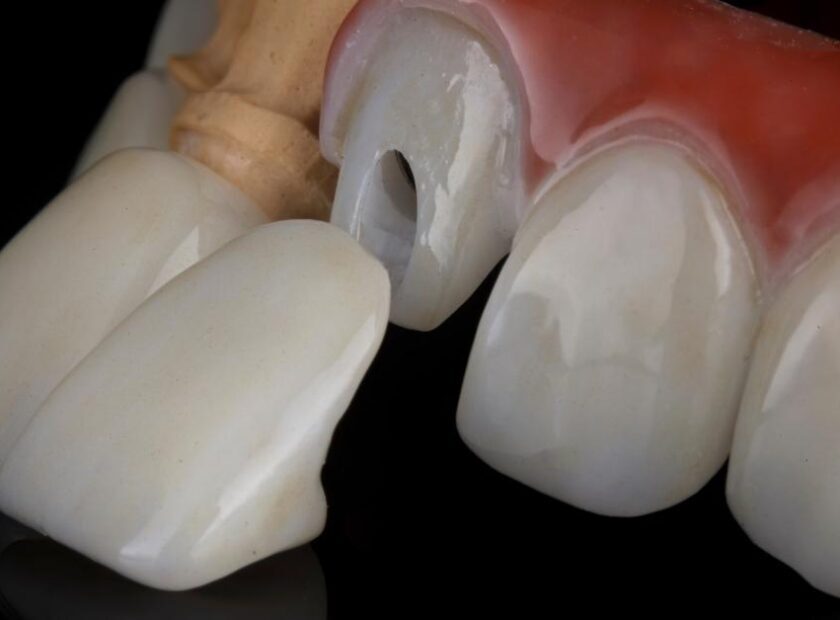
Appearance matters more for front teeth than for any others. When a tooth stays darker after treatment, our cosmetic veneer options can cover discolouration while preserving the treated tooth.
In some cases, a professional internal bleaching technique can lighten a root-canal-treated tooth from the inside, and your dentist may combine this with teeth whitening for the surrounding teeth for an even result.
Why a Front Tooth Might Need a Root Canal
The pulp inside a tooth contains nerves and blood vessels. It can become inflamed or infected for several reasons:
- Trauma: a blow to the mouth from sports, falls, or accidents, which can damage the nerve immediately or years later
- Deep decay: cavities that reach the pulp, often between front teeth where they are hard to see
- Large or repeated fillings: multiple procedures on the same tooth can irritate the nerve
- Cracks or chips: fractures that let bacteria reach the inner tooth
- Previous orthodontic or dental trauma: rare, but sometimes linked with nerve changes
Signs Your Front Tooth May Need Treatment
Look out for:
- A tooth that has turned grey, brown, yellow, or darker than its neighbours
- Lingering sensitivity to hot or cold
- Pain when biting or tapping the tooth
- Swelling or tenderness in the gum above the tooth
- A pimple-like bump on the gum that may release fluid
- A tooth that feels slightly loose or higher than the others
- Pain that wakes you at night
Some infected front teeth cause no pain at all and are only discovered by darkening or on an X-ray.
Front Tooth vs Molar Root Canal
| Factor | Front tooth | Molar |
|---|---|---|
| Number of canals | Usually one | Often three or four |
| Treatment time | Often one shorter visit | One or two longer visits |
| Access | Through the back of the tooth | Through the biting surface |
| Restoration after | Often a bonded filling | Crown is usually needed |
| Main concern | Appearance and colour | Strength under chewing forces |
| Discomfort after | Usually mild | Can be slightly more tender |
The Front Tooth Root Canal Procedure
- Diagnosis. Your dentist examines the tooth, tests how it responds to cold and tapping, and takes an X-ray to look at the root and surrounding bone.
- Local anaesthetic. The tooth and gum are numbed thoroughly. Sedation can be arranged if you feel anxious.
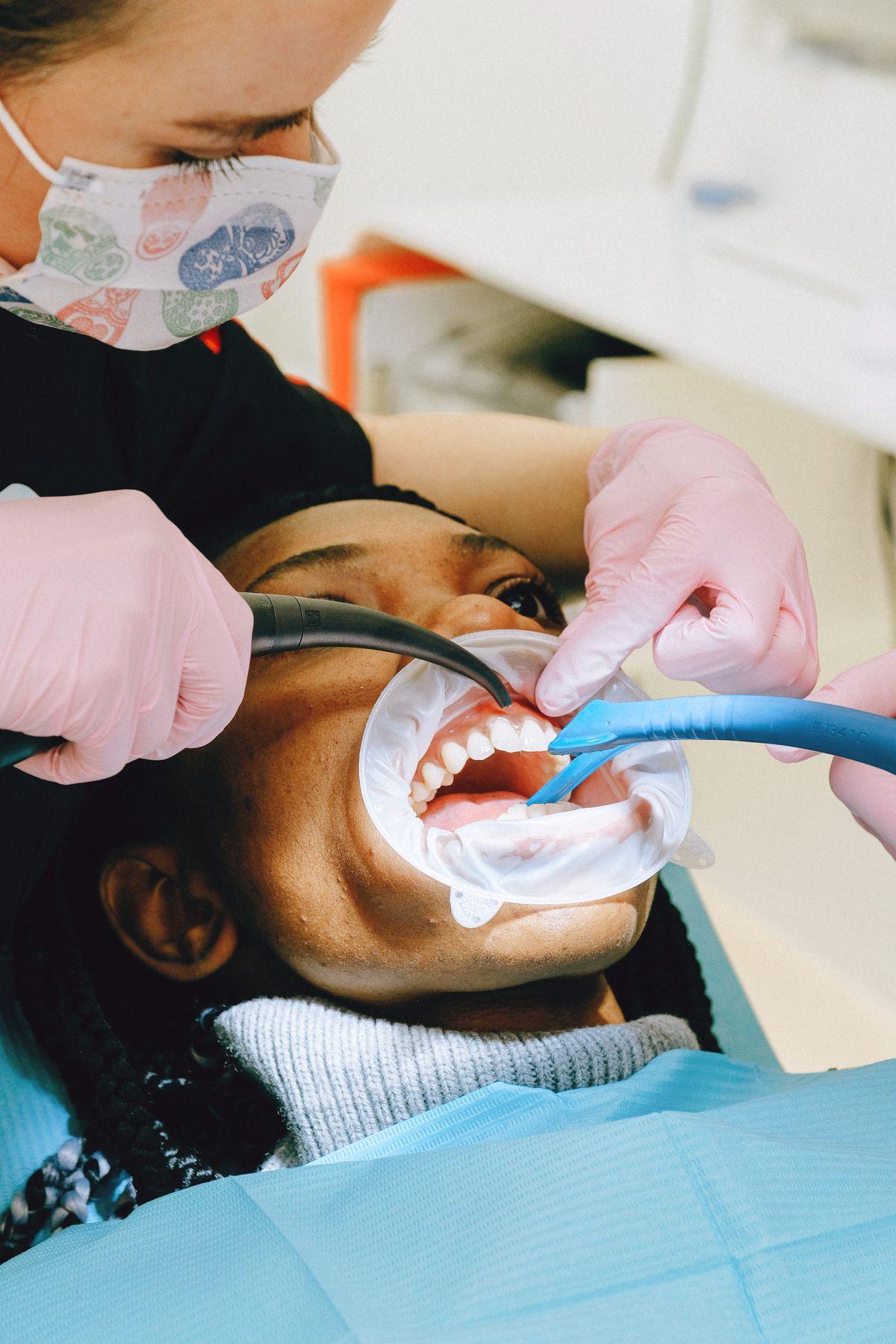
- Isolation. A rubber dam keeps the tooth clean and dry and protects your mouth.
- Access from behind. A small opening is made on the tongue side of the tooth so the visible front surface is not affected.
- Cleaning the canal. Infected or inflamed pulp is removed, and the canal is shaped and disinfected.
- Sealing. The canal is filled with a rubber-like material called gutta-percha and a sealer.
- Restoring the access. A tooth-coloured bonded filling closes the opening, blending with the tooth.
- Follow-up. Your dentist checks healing and discusses any cosmetic improvements needed.

Will My Front Tooth Turn Dark After a Root Canal?
Some front teeth darken after the nerve is damaged, either before or after treatment. This happens because blood breakdown products and old pulp tissue stain the inner dentin. Modern techniques reduce this risk by thoroughly cleaning the crown area of the tooth and using materials that are less likely to stain.
If darkening occurs, there are several solutions:
Internal bleaching
A whitening agent is placed inside the tooth for a short period to lighten it from within.
Bonding
Tooth-coloured resin can mask mild discolouration on the front surface.
Porcelain veneer
A thin shell covers the front of the tooth for a stable, natural colour.
Crown
Full coverage is used when the tooth is also weakened or heavily restored.
Whitening other teeth
Balancing nearby teeth can make a slightly darker tooth less noticeable.
Monitoring
Minor shade changes may simply be watched over time.
Does a Front Tooth Need a Crown After a Root Canal?
Not always. Front teeth do not take the heavy grinding forces that molars do, so many can be restored with a bonded filling alone. A crown may be recommended when:
- A large part of the tooth was lost to decay or fracture
- The tooth already had large fillings on several sides
- The tooth is significantly discoloured and other options will not work
- You grind or clench heavily, putting extra stress on the tooth
- The tooth needs a post for added support
Your dentist will choose the most conservative option that protects the tooth long term.
Recovery After a Front Tooth Root Canal
First Day
Numbness lasts a few hours. Mild tenderness in the gum and when biting is common. Over-the-counter pain relief, used as directed, is usually enough.
First Week
Tenderness fades within a few days. Avoid biting directly into very hard foods such as apples, raw carrots, or crusty bread with the treated tooth until your dentist confirms it is fully restored.
Long Term
The tooth should feel normal. Bone around the root tip continues healing over several months, and a follow-up X-ray may be taken to confirm the infection has resolved.
Myths About Front Tooth Root Canals
Root Canal vs Extraction for a Front Tooth
| Factor | Root canal | Extraction and replacement |
|---|---|---|
| Keeps natural tooth | Yes | No |
| Appearance | Natural tooth, may need cosmetic touch-up | Gap until implant, bridge, or partial is placed |
| Time | Often one visit plus restoration | Several visits, months for an implant |
| Bone and gum | Preserved | Bone shrinks without an implant |
| Neighbouring teeth | Not affected | May be crowned for a bridge |
Protecting Your Front Teeth
Many front tooth problems start with injuries. Simple prevention goes a long way:
- Wear a mouthguard for contact sports, skating, and cycling
- Do not use teeth to open packages or bottles
- Avoid chewing ice, pens, or fingernails
- Treat small cavities between front teeth early
- Book an exam after any blow to the mouth, even if the tooth looks fine
Who Performs Front Tooth Root Canals?
General dentists commonly treat front teeth, which are usually straightforward. Complex cases, such as calcified canals after old trauma, unusual anatomy, or retreatment, may be referred to an endodontist. Either way, the treating dentist should be licensed with the Royal College of Dental Surgeons of Ontario (RCDSO) and explain your options clearly.
Special Cases: Children, Teens, and Old Injuries
Young Permanent Teeth
In children and teens, front teeth may still have open root ends. If the nerve is damaged, dentists may use special techniques to encourage the root to keep developing or to seal the open end, rather than a standard root canal. Early care after any injury is especially important at this age.
Old Trauma That Shows Up Years Later
Adults are often surprised when a front tooth darkens or develops an abscess decades after a childhood fall. The nerve can die slowly, and the canal may narrow or calcify, which can make treatment more complex. Advanced magnification and imaging help locate the canal, and some cases benefit from a specialist referral.
Teeth With Existing Crowns or Veneers
A root canal can usually be done through an existing crown, with the access sealed afterward. In some cases, the crown may need replacing if it is damaged or no longer fits well. Your dentist will explain whether the current restoration can be kept.
Questions to Ask Your Dentist
- Can this tooth be saved, and how predictable is the outcome?
- Will I need a filling, veneer, or crown afterward?
- Is there a risk of the tooth darkening, and how can we prevent it?
- How many visits will treatment take?
- What should I avoid eating while it heals?
Gentle Front Tooth Care in Tillsonburg
Family Dentistry on Brock is a trusted emergency dental clinic in Tillsonburg for patients with painful, injured, or darkening front teeth, with a 5.0 Google rating from more than 252 reviews. We welcome new patients and accept the Canadian Dental Care Plan (CDCP). Our services include dental implants, clear aligners, restorative care, veneers, laser treatment, teeth whitening, emergency care, sedation dentistry, dental surgery, and orthodontics.
Call +1 519-900-5640, email info@familydentistryonbrock.com, or visit 49 Brock St E, Tillsonburg, ON N4G 1Z7. We offer extended weekday hours, including Mondays until 7:00 PM, and Saturday appointments by booking, and we respond quickly when you are in pain.
Is a front tooth darkening or sore?
An exam and X-ray will show whether a root canal can save the tooth and how to keep it looking natural.
Frequently Asked Questions
Is a root canal on a front tooth painful?
With local anaesthetic, most people feel only pressure during treatment. Mild tenderness for a few days afterward is common.
How long does a front tooth root canal take?
Many front tooth root canals are completed in a single visit of about an hour, since these teeth usually have one canal.
Can a front tooth turn grey after a root canal?
It can, especially after trauma. Internal bleaching, bonding, veneers, or crowns can restore a natural colour.
Will people notice I had a root canal on my front tooth?
Usually not. The access is on the back of the tooth and is sealed with a tooth-coloured material.
How long does a root-canal-treated front tooth last?
With good care and regular checkups, a treated front tooth can last for many years, often a lifetime.
Conclusion
A root canal can save an infected or injured front tooth and keep your smile natural. Treatment is usually quick, comfortable, and followed by a simple bonded restoration. Early assessment of any darkening or tender front tooth gives the best long-term result.
Front tooth root canals explained
General dentist registered with the Royal College of Dental Surgeons of Ontario (RCDSO), practising at Family Dentistry on Brock, Tillsonburg. Last reviewed November 2026. This guide is general information and does not replace an exam with your own dentist.
Front tooth versus molar root canal
| Front tooth | Molar | |
|---|---|---|
| Canals | Usually 1 | 3 to 4 |
| Appointment | Often under an hour | 90 minutes or more |
| Restoration | Often a filling | Usually a crown |
| Main concern | Colour and appearance | Strength and fracture risk |
Common reasons for a front tooth root canal
- Trauma from a fall or sports injury.
- Deep decay or a large old filling.
- A crack reaching the nerve.
- A tooth that has turned grey after injury.
Will my front tooth turn dark after a root canal?
It can, especially after trauma. Internal whitening often lightens it, and a crown or veneer can cover more stubborn colour.
Do front teeth always need a crown?
No. If most of the tooth is intact, a bonded filling is often enough. Heavily filled or weakened front teeth may need a crown.
Coverage and the Canadian Dental Care Plan
The CDCP covers root canal treatment for eligible patients, and some crowns with preauthorization, with a possible co-payment.
Root canals at Family Dentistry on Brock
Family Dentistry on Brock is at 49 Brock St E in Tillsonburg, and we welcome patients from Tillsonburg, Norfolk County and Oxford County. We accept new patients and the CDCP. Read about root canal before and after, crowns on front teeth and dental emergencies.
Front Tooth Root Canal FAQs
Is a front tooth root canal easier?
Usually, with one canal.
How long does it take?
Often under an hour.
Will the tooth turn dark?
It can; internal whitening helps.
Do I need a crown on a front tooth?
Not always.
Can trauma cause a root canal?
Yes, years after an injury.
Is it painful?
It is done with freezing.
How long is recovery?
Usually a few days of tenderness.
Does the CDCP cover root canals?
Yes, for eligible patients.
Book a root canal consultation in Tillsonburg
Save your front tooth and keep it looking natural. Family Dentistry on Brock, 49 Brock St E, Tillsonburg, ON N4G 1Z7. Call 519-900-5640 or book online. New patients and CDCP patients are welcome.
Book an appointment