Can Worn Down Teeth Be Restored?
Yes, worn down teeth can usually be restored. Depending on how much tooth is gone, a dentist can rebuild the lost height and shape with bonding, onlays, crowns or veneers, and protect the result with a night guard. The most important step is finding and stopping the cause first, whether that’s grinding, acid erosion or a bite problem, so a full assessment through restorative care is the place to start.
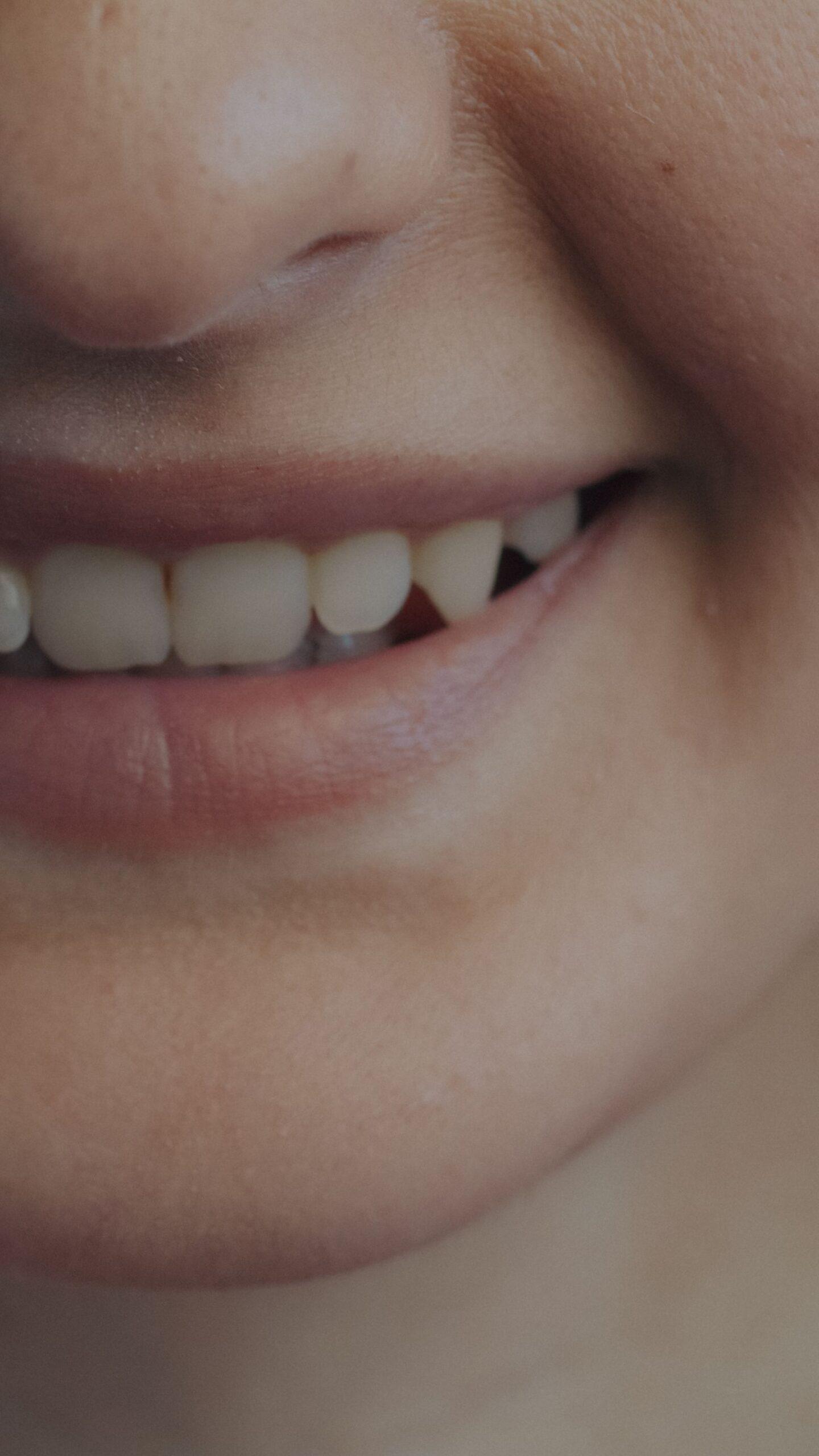
Teeth wear a little with age. That’s normal. But when front teeth look short and flat, edges chip, or your teeth feel sensitive and your bite has changed, the wear has gone past normal.
For front teeth that have become short or uneven, dental veneers in Tillsonburg can rebuild length and shape while looking natural.
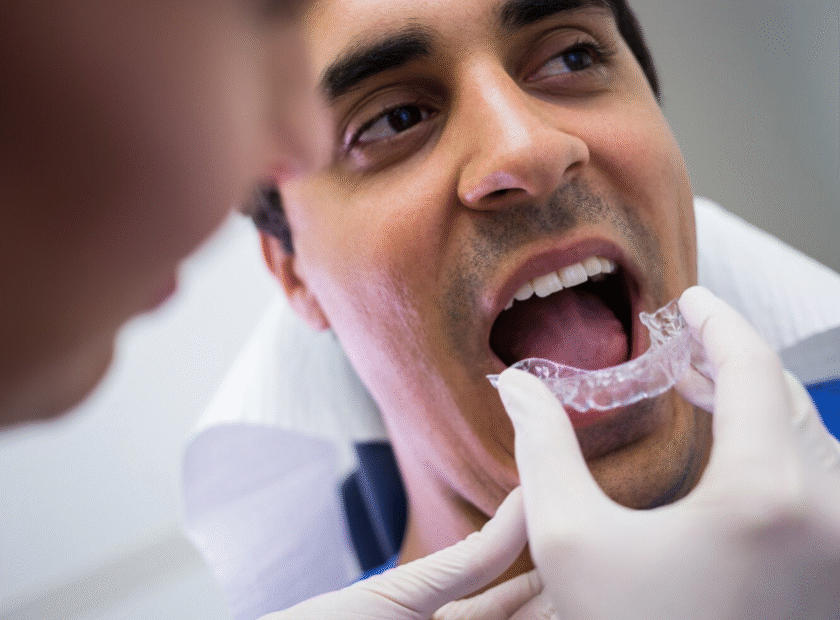
Sometimes the wear comes from teeth that don’t meet properly. In those cases, clear aligner treatment can move teeth into a better position before they’re rebuilt, so the new restorations last longer.
Every case is different, so it helps to start with a full exam at a trusted dental clinic in Tillsonburg. When you’re ready, you can book an appointment online.
What does tooth wear mean?
| Type | What causes it | Where it shows up |
|---|---|---|
| Attrition | Teeth grinding against teeth | Flat, shiny biting edges, short front teeth |
| Erosion | Acid from food, drinks or reflux | Thin, glassy enamel, cupped surfaces, yellow look |
| Abrasion | Hard brushing, abrasive toothpaste, habits | Grooves near the gumline |
| Abfraction | Flexing stress from heavy biting | Wedge-shaped notches at the gumline |
Most people have more than 1 type at once. Grinding plus acidic drinks is a common combination.
What causes teeth to wear down?
Grinding and clenching (bruxism)
Many people grind at night and don’t know it. Stress, sleep problems and some medications can make it worse. Grinding can wear through enamel and into the softer dentin, which then wears much faster.
Acid erosion
Soft drinks, sports drinks, citrus, wine and vinegar soften enamel. Acid reflux and frequent vomiting bring stomach acid into the mouth, which is far stronger.
Hard brushing
Scrubbing side to side with a hard brush wears grooves near the gums over years.
Bite problems
Crowded, crooked or missing teeth can overload certain teeth, so they wear faster than others.
Habits
Chewing ice, pens, nails or holding pins between teeth all add up.
Signs your teeth are wearing down
- Front teeth looking shorter or more even than they used to
- Flat, shiny spots on the biting surfaces
- Chips or cracks along the edges
- See-through edges on the front teeth
- Sensitivity to cold, hot or sweet foods
- Yellowing as dentin shows through
- Small dents on the back teeth
- Jaw pain or headaches in the morning
- Your face looking slightly shorter from nose to chin in severe cases
How are worn teeth restored?
The right option depends on how much tooth is gone, how many teeth are affected and what caused the wear.
| Treatment | Best for | What it involves |
|---|---|---|
| Dental bonding | Small chips, worn edges, gumline notches | Tooth-coloured resin shaped onto the tooth in 1 visit |
| Onlays | Worn back teeth with some healthy structure left | Custom ceramic piece bonded over the chewing surface |
| Crowns | Heavily worn or cracked teeth | Covers the whole tooth for strength |
| Veneers | Worn or uneven front teeth | Thin porcelain shells over the front surface |
| Clear aligners first | Wear caused by bite problems | Teeth moved into better positions before restoring |
| Full mouth rehabilitation | Severe wear across many teeth | A planned rebuild of the whole bite in stages |
What does the restoration process look like?
- Find the cause. Questions about grinding, diet, reflux, medications and habits.
- Exam and records. X-rays, photos, bite records and often a digital scan.
- Stabilize. A night guard for grinding, diet changes for erosion, a referral for reflux if needed.
- Plan the new shape. A digital or wax model shows how your teeth will look and how your bite will work.
- Trial smile. Sometimes temporary resin is placed so you can test the new length and shape.
- Restore. Teeth are rebuilt with bonding, onlays, crowns or veneers, often in phases.
- Protect. A new night guard to protect the restorations, and regular checkups.
Myths about worn teeth
“Worn teeth are just part of getting older.” Some wear is normal, but fast or heavy wear usually has a cause you can treat.
“You need to crown every worn tooth.” Many cases can be handled with bonding or onlays, which keep more natural tooth.
“If it doesn’t hurt, it doesn’t need treatment.” Wear is often painless until it reaches deep into the tooth. Waiting makes repair bigger.
“Restoring worn teeth will make them look fake.” Modern ceramics and composites are shade- and shape-matched to look natural.
“A night guard will fix my worn teeth.” A night guard protects teeth from further wear. It doesn’t rebuild what’s already gone.
How to stop further wear
- Wear a custom night guard if you grind or clench.
- Drink acidic drinks with meals, not slowly through the day.
- Rinse with water after acidic foods, then wait about 30 to 60 minutes before brushing.
- Use a soft toothbrush and gentle pressure.
- Choose a fluoride toothpaste that isn’t highly abrasive.
- Treat reflux with your doctor’s help.
- Break habits like chewing ice or pens.
- Keep regular checkups so wear is tracked over time.
Real patient scenarios
The night grinder. A 44-year-old’s partner heard him grinding at night. His front teeth had worn short and flat. After a night guard, his dentist rebuilt the edges with bonding to restore length. Two years later, the bonding is holding well because the guard takes the force.
The sports drink habit. A 23-year-old athlete drank sports drinks all day. Her back teeth had cupped surfaces and she had sensitivity. Switching to water, adding fluoride and placing a few onlays solved the problem.
The bite problem. A 51-year-old had heavy wear only on a few teeth because his bite was uneven. Clear aligners moved the teeth into a better position first, then veneers restored the front teeth.
How severe is your wear? A simple guide
Dentists often grade wear to decide how much treatment is needed. Here’s a plain-language version.
| Level | What it looks like | Typical approach |
|---|---|---|
| Mild | Slight flattening, enamel still intact | Monitor, night guard, diet changes |
| Moderate | Small areas of exposed dentin, some chipping | Bonding or onlays on affected teeth, night guard |
| Severe | Large areas of dentin exposed, teeth noticeably shorter | Crowns, veneers or onlays, bite planning |
| Very severe | Many teeth worn close to the gums | Full mouth rehabilitation in stages |
Why does worn enamel speed up?
Enamel is very hard. Dentin, the layer underneath, is much softer. Once grinding or acid breaks through the enamel, the dentin wears away several times faster. That’s why wear can seem slow for years and then suddenly get worse.
It’s also why early treatment pays off. Bonding a small worn edge now is far simpler than rebuilding a tooth that has lost a third of its height.
Does restoring worn teeth hurt?
Most restorations are done with local anesthetic, so you’ll feel pressure rather than pain. Bonding often needs little or no numbing at all. If you’re nervous, sedation dentistry is available for longer appointments.
After treatment, it’s common for your bite to feel a little different for a few days while your jaw muscles adjust. Mild sensitivity usually settles within a couple of weeks. Call the clinic if a tooth feels high when you bite or pain gets worse instead of better.
Taking care of restored teeth
- Wear your night guard every night. It’s the single biggest factor in how long restorations last.
- Brush twice a day and clean between teeth daily.
- Avoid biting very hard foods with front teeth, like ice or hard candy.
- Keep acidic drinks to mealtimes.
- Come in for regular checkups so small chips can be polished or repaired early.
Is restoring worn teeth covered by insurance or CDCP?
It depends on the treatment and your plan. Exams, X-rays, fillings and some crowns are often covered at least partly by private insurance. Under the Canadian Dental Care Plan (CDCP), many restorative services are eligible, though some need preauthorization first. Cosmetic treatments like veneers are usually not covered.
The front desk can check your coverage and send a pre-treatment estimate before anything starts, so you can plan your care in stages if needed.
Choosing a dentist in Tillsonburg for worn teeth
Restoring worn teeth takes careful planning, especially when the bite is involved. Look for a team that explains the cause, shows you a plan and offers more than one option.
Family Dentistry on Brock is one of the most trusted dental clinics in Tillsonburg, with a 5.0 Google rating from more than 252 patient reviews. The clinic welcomes new patients and accepts CDCP (Canadian Dental Care Plan) patients. Many patients consider it the best dental clinic in Tillsonburg for restorative and cosmetic work, and a reliable family dentist in Tillsonburg for ongoing care.
Services include dental implants, clear aligners, restorative care, dental veneers, laser treatment, teeth whitening, dental emergency care, sedation dentistry, dental surgery and orthodontics. Extended weekday hours run until 7:00 PM on Mondays, and Saturday visits are available by appointment.
Visit the clinic at 49 Brock St E, Tillsonburg, ON N4G 1Z7, call +1 519-900-5640 or email info@familydentistryonbrock.com. The team usually responds quickly, and urgent calls are prioritized.
Frequently asked questions
Can teeth that are worn down grow back?
No. Enamel doesn’t grow back once it’s lost. Lost tooth structure can be rebuilt with restorations like bonding, onlays, crowns or veneers.
How long does it take to restore worn teeth?
Small repairs with bonding can be done in 1 visit. Larger rebuilds with crowns or veneers usually take a few visits over several weeks, sometimes longer if the bite needs adjusting first.
Is bonding strong enough for worn teeth?
For small to moderate wear, yes, especially with a night guard. For heavy wear or strong grinders, ceramic onlays, crowns or veneers usually last longer.
Will restoring my teeth change my bite?
It can, which is why careful planning matters. Your dentist will test the new height and shape so your bite feels comfortable and works properly.
How do I know if I grind my teeth at night?
Common signs are morning jaw pain, headaches, worn or chipped teeth, and a partner hearing grinding sounds. Your dentist can spot wear patterns during an exam.
Conclusion
Worn down teeth can usually be restored with bonding, onlays, crowns or veneers, depending on how much tooth is gone.
Stopping the cause, like grinding or acid erosion, comes first so the repairs last.
A full exam and a clear plan turn short, sensitive teeth back into a strong, natural-looking smile.