
Can You Get Dental Implants If You Grind Your Teeth?
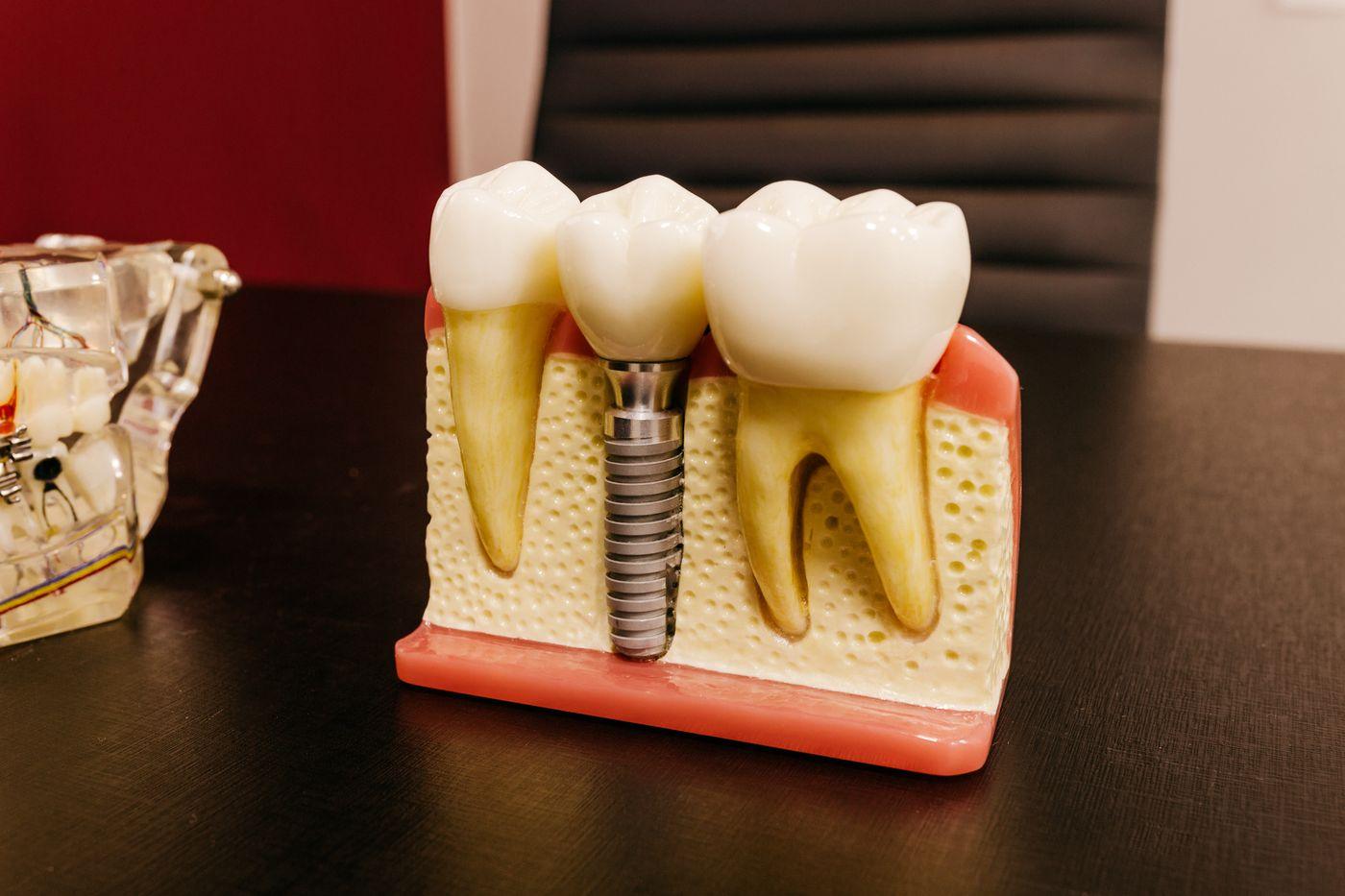
Yes, most people who grind their teeth can still get dental implants, but grinding (bruxism) needs to be managed first and protected against afterward. Heavy grinding puts extra force on implants and their crowns, raising the risk of chipped porcelain, loose screws and, in rare cases, implant failure. Teeth grinding is very common, often temporary during stressful periods, and well understood, so with a night guard and careful planning, dental implants in Tillsonburg can still be a strong long-term choice.
The part people don’t expect is that grinders often need implants because of grinding. Years of clenching crack teeth, wear them down and break fillings. So the plan usually has 2 goals at once: replace what’s been lost and protect everything that’s left. That’s where restorative care comes in, rebuilding worn teeth so the bite spreads force evenly.
Implant surgery itself is usually comfortable with local anesthetic. For people who feel anxious, sedation dentistry in Tillsonburg can make the visit much easier. Bone grafts or extractions before implants are handled by our dental surgery team.
And if a grinder already has an implant and the crown chips or loosens, a quick visit for dental emergency in Tillsonburg care can fix it before damage spreads.
Quick answer: Teeth grinding doesn’t automatically rule out dental implants. Grinders can get implants with good planning: a bite assessment, stronger restoration materials, sometimes more or wider implants, and a custom night guard worn every night. Uncontrolled heavy grinding is a risk factor for crown damage, screw loosening and bone loss around implants.
What is bruxism?
Bruxism is clenching or grinding the teeth, either while awake or during sleep. Sleep bruxism is often linked to stress, sleep disorders like sleep apnea, caffeine, alcohol, smoking and certain medications.
Signs you might grind your teeth
- Flat, worn or chipped tooth edges
- Sore jaw muscles or headaches in the morning
- Cracked teeth or broken fillings
- Tooth sensitivity without cavities
- Ridges on your tongue or cheek lining
- A partner hearing grinding at night
Why is grinding a concern for implants?
Natural teeth sit in a cushion-like ligament that absorbs shock and gives the brain feedback about pressure. Implants are fused directly to bone, with no ligament. That means:
- Less shock absorption. Forces go straight to the implant, crown and bone.
- Less feedback. You may bite harder on an implant without noticing.
- More stress on parts. Screws can loosen and crowns can chip.
Possible problems in grinders
| Problem | What happens | How it’s prevented |
|---|---|---|
| Chipped or cracked crown | Porcelain breaks under heavy load | Stronger materials like monolithic zirconia, night guard |
| Loose abutment screw | Repeated force loosens the connection | Correct torque, bite adjustment, regular checks |
| Bone loss around implant | Overload can stress surrounding bone | Even bite, night guard, more implant support |
| Implant fracture | Rare; usually after years of heavy overload | Proper sizing and number of implants |
| Wear on opposing teeth | Hard crowns wear natural teeth | Polished surfaces and protective guards |
How dentists plan implants for people who grind
1. Diagnose and manage grinding first
Your dentist checks tooth wear, jaw muscles and joints. If sleep apnea is suspected, a referral for a sleep study may be part of the plan, since apnea and grinding are often linked.
2. Choose the right number and size of implants
For grinders, dentists may use wider implants or more implants to spread force, especially in the back of the mouth.
3. Choose strong restoration materials
Monolithic zirconia crowns (solid zirconia without layered porcelain) resist chipping much better than traditional layered crowns.
4. Design the bite carefully
The implant crown is shaped so it doesn’t take heavy side-to-side forces. Contacts are balanced so natural teeth share the load.
5. Protect with a night guard
A hard acrylic night guard is made after the final crown is placed. This is the single most important step for long-term success in grinders.
Step by step: implants for a patient who grinds
- Consultation and CBCT scan. Checks bone, nerves and sinuses, plus a full bite and wear assessment.
- Treat contributing problems. Cavities, gum disease, cracked teeth and possible sleep apnea are addressed.
- Grafting if needed. Bone is built up to support wider or longer implants.
- Implant placement. Done under local anesthetic, with sedation available.
- Healing. Usually 3 to 6 months while bone bonds to the implant.
- Final crown. Strong material, carefully shaped bite.
- Night guard. Made right after the crown is placed.
- Maintenance. Checks of screws, crowns and bone at every recall visit.
Implant vs bridge vs denture for grinders
| Option | Handles grinding forces | Protects bone | Main risk in grinders |
|---|---|---|---|
| Dental implant | Well, with planning and a guard | Yes | Crown chips, screw loosening |
| Fixed bridge | Moderate | No | Cracked anchor teeth, debonding |
| Removable partial denture | Poor | No | Breakage, sore spots, clasp damage |
Myths about grinding and implants
“Grinders can never get implants”
Many grinders have implants that last for decades. Planning and protection make the difference.
“A night guard stops grinding”
A guard doesn’t stop the habit. It absorbs the force and protects teeth and implants from it.
“Implant surgery is very painful”
Most people feel pressure, not pain, during placement. Mild soreness for a few days is typical.
“Sedation is risky for everyone”
Sedation is screened carefully and monitored. For healthy patients, oral or nitrous oxide sedation is a common, safe way to manage anxiety.
Safety note: Implants carry surgical risks, including infection, nerve irritation and implant failure. Heavy grinding, smoking and uncontrolled diabetes raise risk. Wear your night guard every night, and contact your dentist promptly if an implant crown feels loose, moves, clicks or chips. This article is general information and doesn’t replace an assessment.
Daily care for grinders with implants
- Wear your night guard every night, without exceptions
- Clean the guard each morning
- Brush twice a day and clean around implants with floss or interdental brushes
- Cut back on caffeine and alcohol in the evening
- Try relaxation routines before bed
- Avoid chewing ice, pens or very hard foods
- Keep regular cleanings and implant checks
A real example
A businessman in his 50s had cracked 2 lower molars from years of clenching. Both needed extraction. His dentist placed 2 wide implants after a small bone graft, used solid zirconia crowns, and made a hard night guard. A sleep study also found mild apnea, which his physician treated. Five years on, the implants are stable, and the only maintenance has been a routine screw check.
Getting implants in Tillsonburg
Choose a dentist in Tillsonburg who assesses your bite and wear, explains how grinding affects your plan, and includes a night guard as part of treatment. Every dentist practising in Ontario must be registered with the Royal College of Dental Surgeons of Ontario (RCDSO).
Family Dentistry on Brock is one of the most trusted dental clinics in Tillsonburg, with a 5.0 Google rating from 252+ patient reviews. New patients and CDCP patients are welcome. Services include dental implants, clear aligners, restorative care, dental veneers, laser treatment, teeth whitening, dental emergency care, sedation dentistry, dental surgery and orthodontics.
The clinic has extended weekday hours, open Mondays until 7:00 PM, with Saturdays available by appointment. Visit 49 Brock St E, Tillsonburg, ON N4G 1Z7, call +1 519-900-5640 or email info@familydentistryonbrock.com. The team typically replies quickly to implant questions.
Types of night guards for implant patients
Not all guards are equal. For people with implants, the type matters.
| Type | Material | Durability | Good for implant patients? |
|---|---|---|---|
| Hard acrylic custom guard | Rigid acrylic made from scans | Lasts years | Yes, the usual recommendation |
| Dual-laminate guard | Soft inside, hard outside | Moderate | Sometimes, for comfort |
| Soft custom guard | Flexible plastic | Wears quickly in heavy grinders | Usually not, as chewing on it can increase clenching |
| Store-bought boil-and-bite | Soft plastic | Short-lived | No, poor fit and protection |
A hard guard lets the jaw slide smoothly and spreads force across all teeth and implants. Your dentist adjusts it so the implant isn’t the first point of contact.
What causes grinding, and can it be reduced?
Grinding is rarely just about the teeth. Common triggers include:
- Stress and anxiety, often the biggest factor
- Sleep apnea and snoring
- Caffeine, especially late in the day
- Alcohol and smoking
- Some antidepressants and stimulant medications
- An uneven bite, though this plays a smaller role than once thought
Ways to reduce grinding
- Cut caffeine after noon.
- Limit alcohol in the evening.
- Create a wind-down routine before bed, like a short walk or stretching.
- Notice daytime clenching. Teeth should rest slightly apart.
- Treat sleep apnea if diagnosed.
- Talk to your doctor if a medication may be contributing.
- Use warm compresses on sore jaw muscles.
Reducing the habit doesn’t replace the night guard, but it lowers the force your implants and teeth take every night.
How long do implants last in grinders?
With good planning and a night guard, implants in grinders can last as long as implants in non-grinders, often 20 years or more for the implant itself. Crowns may need replacement sooner, usually because of wear or chips. Regular checks of screws, crowns and bone levels are what keep problems small.
Warning signs to watch after your implant
- A clicking or moving feeling when you bite
- A chip or rough edge on the implant crown
- Gum swelling or bleeding around the implant
- Soreness that wasn’t there before
- Your night guard suddenly feels different
Call your dental office if you notice any of these. Most are quick fixes when caught early.
Grinding, implants and full-arch treatment
People who’ve lost most of their teeth to wear and cracks sometimes consider full-arch implant bridges (fixed teeth on 4 to 6 implants). Grinding matters even more here, because one prosthesis carries the whole bite.
What changes in the plan:
- More implants may be used to share the load
- Solid zirconia or reinforced materials instead of layered porcelain
- A carefully balanced bite with even contacts on both sides
- A night guard made for the full-arch bridge
- More frequent checks in the first year
Single implant vs full arch in grinders
| Factor | Single implant | Full-arch implant bridge |
|---|---|---|
| Force per implant | Shared with natural teeth | Shared among 4 to 6 implants |
| Main risk | Chipped crown, loose screw | Prosthesis fracture, screw loosening |
| Night guard | Essential | Essential |
| Maintenance | Routine recall | Closer monitoring, periodic removal for cleaning |
Questions to ask before implant treatment
- Do you see signs of grinding in my teeth or jaw?
- Should I have a sleep assessment first?
- How many implants do you recommend, and what size?
- What crown material will you use, and why?
- Is the night guard included in the plan?
- How often will you check the screws and bite?
Answers to these questions tell you a lot about how carefully your case is being planned.
Good to know: If you’re not sure whether you grind, ask your dentist to compare photos or scans of your teeth over 2 visits a year apart. New flat spots, chips or wear facets are clear evidence, even if you’ve never heard yourself grinding.
Frequently asked questions
Will grinding make my implant fail?
Not usually, if grinding is managed. Heavy uncontrolled grinding raises the risk of crown damage and bone stress, so a night guard and good bite design are key.
What crown material is best for grinders?
Solid (monolithic) zirconia is often recommended because it resists chipping better than layered porcelain.
Do I need a night guard forever after implants?
If you grind, yes. Wearing it nightly protects your implants and natural teeth long term.
Can grinding loosen an implant crown?
It can loosen the screw holding the crown. Regular checks catch this early, and it’s usually a simple fix.
Can Botox help with grinding?
Some people get relief from muscle injections prescribed by a qualified professional. It may reduce force but doesn’t replace a night guard.
Conclusion
Most people who grind their teeth can still get dental implants.
Careful planning, strong crown materials and a nightly night guard protect the investment.
A full bite assessment with a licensed dentist is the right first step.