Can a Dentist Help With Snoring?
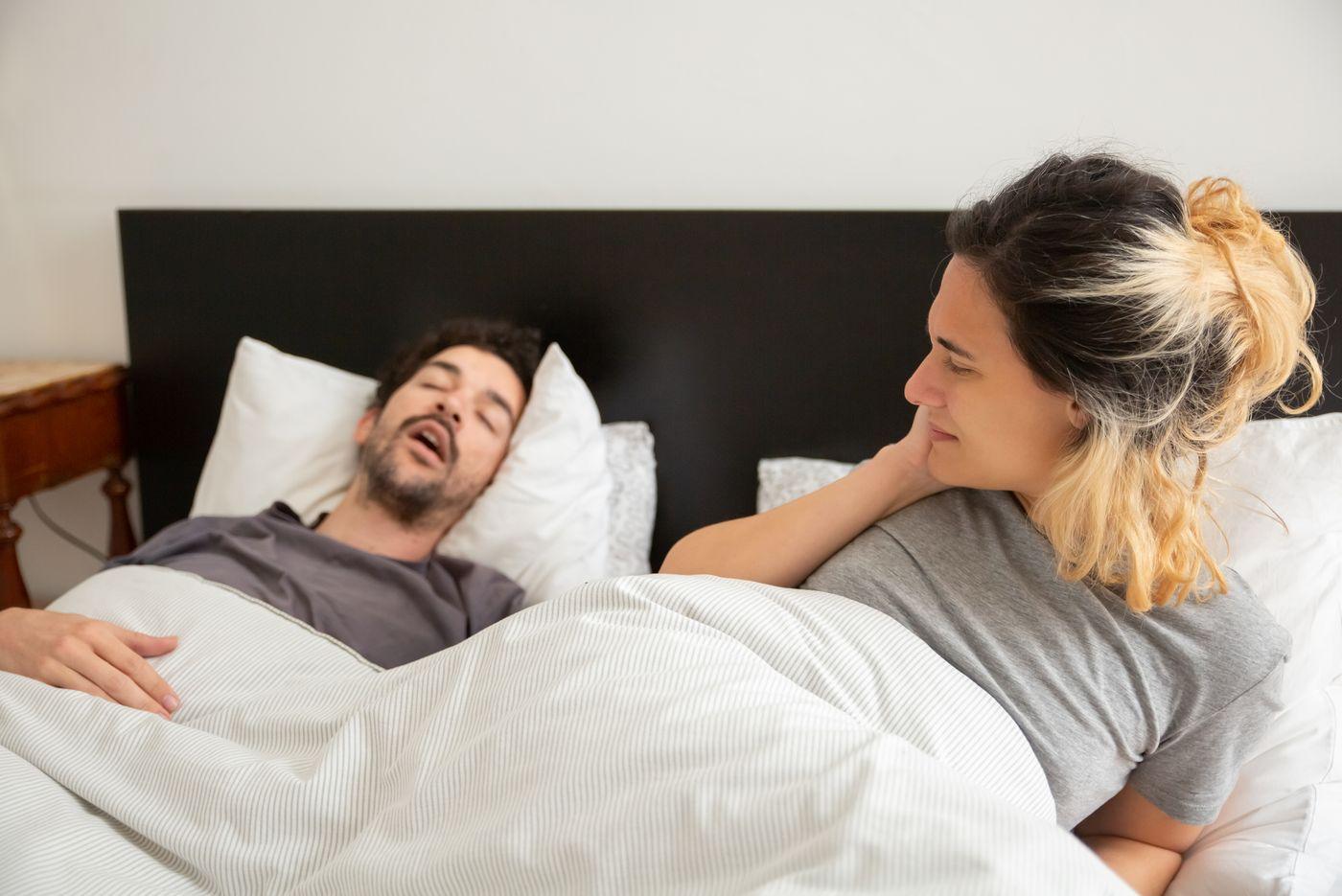
Yes, a dentist can often help with snoring. For many adults, a custom oral appliance worn at night moves the lower jaw slightly forward, keeps the airway more open, and reduces or stops snoring. Snoring is very common and often harmless, but loud nightly snoring with gasping, pauses in breathing or daytime sleepiness can be a sign of obstructive sleep apnea, which needs a medical diagnosis first, and a dentist in Tillsonburg can work alongside your doctor on treatment.
Most people come in because a partner sent them. That’s fine. Snoring affects 2 people’s sleep, and fixing it often improves life at home faster than anything else. The dental side of snoring connects with bite and jaw position, which is why orthodontics in Tillsonburg and sleep care sometimes overlap, especially in children with narrow jaws.
In some cases, enlarged tissues or a tight airway need surgical opinions. Our dental surgery team can assess oral causes and coordinate referrals to an ear, nose and throat specialist when needed.
Before any appliance is made, you’ll want to meet our doctors and talk through your sleep history. When you’re ready, you can book an appointment for an assessment.
Quick answer: Dentists can treat simple snoring and mild to moderate obstructive sleep apnea with a custom mandibular advancement device, a mouthpiece that holds the lower jaw slightly forward during sleep. Sleep apnea must be diagnosed by a physician through a sleep study first. Oral appliances are a well-studied option for people who can’t tolerate CPAP or have milder apnea.
Why do people snore?
Snoring happens when air moves past relaxed tissues in the throat and makes them vibrate. During sleep, the tongue, soft palate and throat muscles relax. If the airway is narrow, airflow becomes turbulent and noisy.
Common contributors
- Lower jaw that sits back, letting the tongue fall toward the throat
- Large tonsils or a long soft palate
- Nasal congestion from allergies or a deviated septum
- Extra weight around the neck
- Alcohol or sedatives before bed
- Sleeping on your back
- Smoking
- Ageing, as muscle tone decreases
Is snoring dangerous?
Simple snoring is mostly a nuisance. Snoring with obstructive sleep apnea (OSA) is different. In OSA, the airway repeatedly narrows or closes during sleep, cutting oxygen and waking the brain many times an hour.
Untreated sleep apnea is linked to high blood pressure, heart disease, stroke risk, type 2 diabetes, mood problems and drowsy driving.
Snoring vs sleep apnea
| Feature | Simple snoring | Possible sleep apnea |
|---|---|---|
| Sound | Steady snoring | Loud snoring with pauses, gasps or choking |
| Daytime | You feel rested | Sleepy, foggy, morning headaches |
| Partner observations | Noise only | Breathing stops, then resumes with a snort |
| Health risks | Low | Linked to heart and metabolic problems |
| Next step | Dental appliance may help | Medical sleep study first |
How does a dental snoring appliance work?
The most common device is a mandibular advancement device (MAD). It looks like 2 thin mouthguards, upper and lower, linked together. It holds the lower jaw slightly forward, which pulls the tongue forward and widens the airway behind it.
Custom vs store-bought devices
| Factor | Custom dental appliance | Over-the-counter device |
|---|---|---|
| Fit | Made from scans of your teeth | Boil-and-bite, approximate |
| Adjustability | Fine-tuned in small steps | Limited or none |
| Comfort for long-term use | Thin and secure | Often bulky |
| Jaw and tooth safety | Monitored by a dentist | No supervision |
| Effectiveness | Better in studies | Variable |
Who is a good candidate?
You may benefit from a dental appliance if you:
- Snore without apnea, confirmed by your doctor
- Have mild to moderate obstructive sleep apnea
- Can’t tolerate CPAP or need a travel option
- Have enough healthy teeth to hold the device
- Don’t have serious jaw joint problems
Who may need other treatment
- Severe sleep apnea (CPAP is usually first choice)
- Very few teeth or loose teeth
- Active gum disease
- Significant jaw joint pain or limited opening
Step by step: getting a snoring appliance
- Medical screening. Your physician orders a sleep study to rule in or out sleep apnea.
- Dental exam. Teeth, gums, bite and jaw joints are checked.
- Scans or impressions. Digital scans of upper and lower teeth.
- Bite registration. Records the starting jaw position.
- Fitting. The device is fitted and adjusted for comfort.
- Gradual adjustment. The lower jaw is advanced in small steps over weeks.
- Follow-up sleep test. Your doctor confirms improvement for apnea cases.
- Yearly checks. Your dentist monitors bite, teeth and fit.
Myths about snoring and dental care
“Snoring is just annoying, not a health issue”
Simple snoring may be harmless, but it can also signal sleep apnea, which has real health effects.
“Mouthpieces only work for mild snoring”
Custom devices help many people with mild to moderate sleep apnea, not only simple snorers.
“A mouthpiece will ruin my bite”
Some people notice small bite changes over years. Regular dental checks and morning jaw exercises reduce this.
“Dental visits for sleep problems are uncomfortable”
Assessment involves an exam and scans. No drilling or needles are needed, and anxious patients can talk to the team about sedation options for other treatment.
Safety note: Don’t treat suspected sleep apnea with a snoring device alone. Loud snoring with breathing pauses, gasping, morning headaches or falling asleep while driving need a medical assessment. Never drive when drowsy. Possible side effects of oral appliances include jaw soreness, tooth discomfort, drooling or dry mouth, and small bite changes. This article is general information.
Side effects and how to manage them
| Side effect | How common | What helps |
|---|---|---|
| Jaw soreness in the morning | Common early on | Morning bite exercises, gradual advancement |
| Tooth tenderness | Common at first | Usually fades within weeks |
| Excess saliva or dry mouth | Fairly common | Usually settles with use |
| Bite changes over years | Some long-term users | Regular checks, morning repositioner |
Home tips that reduce snoring
- Sleep on your side instead of your back
- Raise the head of the bed slightly
- Avoid alcohol for 3 hours before bed
- Treat nasal congestion with your doctor’s advice
- Keep a regular sleep schedule
- Stop smoking
- Work toward a healthy weight
A real example
A truck driver in his 50s came in after his family doctor confirmed mild sleep apnea from a home sleep test. He’d tried CPAP but couldn’t sleep with the mask. A custom appliance was adjusted over 6 weeks. His follow-up sleep test showed a big drop in breathing events, his wife said the snoring was nearly gone, and he reported feeling more alert on long drives.
Getting help in Tillsonburg
Look for a dental office in Tillsonburg that works with physicians on sleep care and checks your jaw joints and bite over time. Every dentist practising in Ontario must be registered with the Royal College of Dental Surgeons of Ontario (RCDSO).
Family Dentistry on Brock is one of the most trusted dental clinics in Tillsonburg, with a 5.0 Google rating from 252+ patient reviews. New patients and CDCP patients are welcome. The clinic offers dental implants, clear aligners, restorative care, dental veneers, laser treatment, teeth whitening, dental emergency care, sedation dentistry, dental surgery and orthodontics.
Hours include extended weekday times, with Mondays until 7:00 PM, and Saturdays by appointment. The office is at 49 Brock St E, Tillsonburg, ON N4G 1Z7. Call +1 519-900-5640 or email info@familydentistryonbrock.com for a quick response about snoring appliances.
Oral appliance vs CPAP: how do they compare?
CPAP (continuous positive airway pressure) is a machine that blows air through a mask to keep the airway open. It’s the standard first treatment for moderate to severe sleep apnea. Oral appliances are an alternative for many people.
| Factor | CPAP | Custom oral appliance |
|---|---|---|
| How it works | Air pressure through a mask | Holds the lower jaw forward |
| Effectiveness | Very high when used | Good for snoring and mild to moderate apnea |
| Comfort | Mask, hose and noise bother some people | Small, quiet, no mask |
| Travel | Bulky, needs power | Fits in a pocket |
| Nightly use | Many people stop using it | Often worn more consistently |
| Best for | Moderate to severe apnea | Snoring, mild to moderate apnea, CPAP intolerance |
A treatment that’s worn every night often beats a stronger treatment that sits in the closet. That’s the main reason oral appliances matter for so many people.
Combining both
Some people with severe apnea use CPAP at home and an oral appliance when travelling or camping. Others use both together at lower CPAP pressure. Your physician decides what’s safe for you.
How to care for your snoring appliance
- Rinse it every morning with cool water.
- Brush gently with a soft brush and mild soap, not toothpaste.
- Soak it weekly in a cleaner recommended by your dentist.
- Store it dry in its case, away from pets and heat.
- Brush and floss your teeth before putting it in each night.
- Bring it to every checkup so the fit and your bite can be checked.
Morning exercises for your jaw
Most dentists give users a simple routine to settle the bite after taking the appliance out.
- Bite gently on your back teeth for 30 seconds
- Open and close slowly 10 times
- Use a small morning repositioner if one is provided
These take under 2 minutes and help prevent long-term bite changes.
Snoring in children
Children who snore regularly should see their family doctor first. Enlarged tonsils and adenoids are the most common cause, and treating them often solves the problem. Dentists can help by spotting a narrow upper jaw, crowding or mouth breathing, and an orthodontist may use early expansion in some cases. Snoring in kids can affect sleep, behaviour and school focus, so it’s worth checking rather than waiting it out.
Signs it’s time to book an assessment
- Your partner moves to another room because of snoring
- You wake up with a dry mouth or sore throat most mornings
- You feel tired even after a full night in bed
- You’ve been told you stop breathing during sleep
- You nod off while reading, watching TV or driving
What to bring to your first snoring consultation
Coming prepared makes the visit faster and the plan more accurate.
- Your sleep study results, if you’ve had one
- A list of medications, including sleep aids and allergy pills
- Notes from your partner about snoring, pauses or gasping
- Your CPAP experience, if you’ve tried one
- Any jaw pain or clicking history
- Your dental history, including crowns, implants or missing teeth
Questions worth asking
- Am I a good candidate for an oral appliance?
- How will you adjust it, and how many visits will that take?
- What side effects should I watch for?
- How will we confirm it’s working?
- How often should the appliance be checked or replaced?
Most people leave the first visit with a clear sense of whether an appliance makes sense, and what the next step with their doctor should be.
Good to know: Try recording yourself with a free sleep or snoring app for 2 or 3 nights before your appointment. The recordings, along with your partner’s notes, give your dentist and doctor a much clearer picture of how often and how loudly you snore.
Frequently asked questions
Can a mouthguard stop snoring?
A regular sports mouthguard won’t. A custom mandibular advancement device designed for sleep can reduce or stop snoring in many people.
Do I need a sleep study before getting a snoring appliance?
Yes, it’s strongly recommended. A physician should rule out or diagnose sleep apnea first.
How long does it take to get used to a snoring appliance?
Most people adjust within 1 to 3 weeks. Mild jaw or tooth soreness usually fades as you adapt.
Can children’s snoring be treated by a dentist?
Children who snore should see their doctor first, as enlarged tonsils and adenoids are common causes. Dentists may help with jaw expansion in some cases.
How long does a snoring appliance last?
Often 3 to 5 years, depending on wear, grinding and care.
Conclusion
Dentists can help many snorers with a custom oral appliance that holds the airway open.
Loud snoring with breathing pauses needs a medical sleep assessment first.
A dentist and physician working together give the safest, most effective result.