How Long Does Sedation Last After Dental Work?
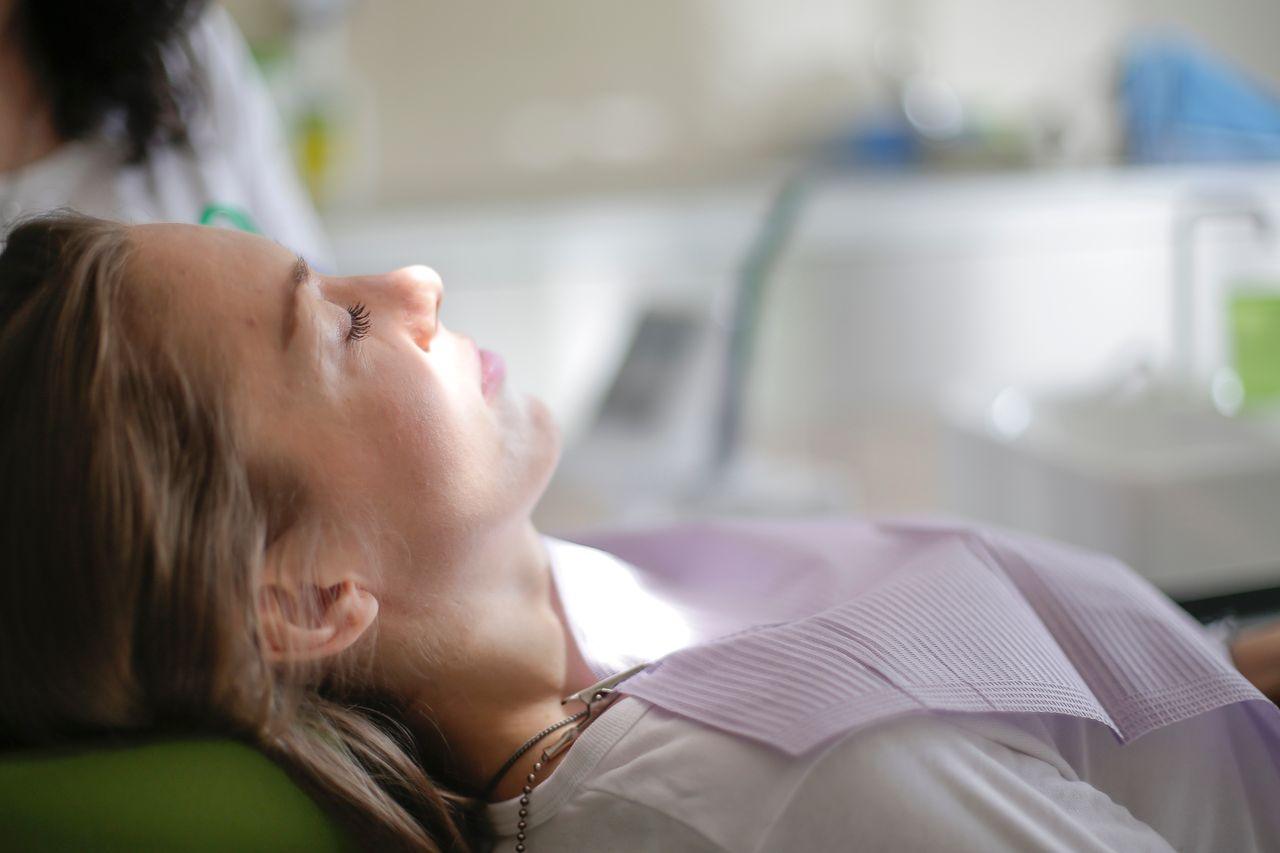
How long dental sedation lasts depends on the type: nitrous oxide (laughing gas) wears off within 5 to 15 minutes, oral sedation usually lasts 4 to 8 hours, and IV sedation can leave you drowsy for up to 24 hours. Feeling sleepy, a bit foggy, or unsteady after oral or IV sedation is common and temporary. Severe drowsiness that won’t lift, trouble breathing, or confusion is not normal and needs urgent attention. Our sedation dentistry in Tillsonburg team gives you clear, written recovery instructions for whichever type you have.
If you’re nervous about dental work, sedation can make a huge difference. Many patients who avoided the dentist for years finally get the care they need once they know they’ll feel calm and comfortable. And it’s often used for longer procedures like dental surgery in Tillsonburg, including wisdom tooth removal.
Sedation is also common for implant placement. If you’re considering dental implants in Tillsonburg, ask during your consultation whether sedation would make the procedure easier for you.
Every patient’s health history is reviewed before sedation is offered, which is part of why choosing an experienced dental clinic in Tillsonburg matters. When you’re ready, you can book an appointment for a consultation and talk through your options first.
Sedation recovery at a glance
- Laughing gas: back to normal in 5 to 15 minutes. You can usually drive yourself home.
- Oral sedation: drowsy for 4 to 8 hours. You need a ride and an adult with you.
- IV sedation: drowsy for several hours, effects can linger up to 24 hours. No driving or important decisions until the next day.
What is dental sedation?
Dental sedation is the use of medication to help you relax during dental treatment. It’s different from local anaesthetic (freezing), which numbs the area. Sedation calms your mind, while freezing blocks pain. Most sedated procedures use both.
Sedation levels range from minimal (relaxed but fully awake) to moderate (drowsy, may not remember much) to deep (on the edge of sleep). General anaesthesia, where you’re fully unconscious, is a separate category usually done in a hospital or specialized surgical setting.
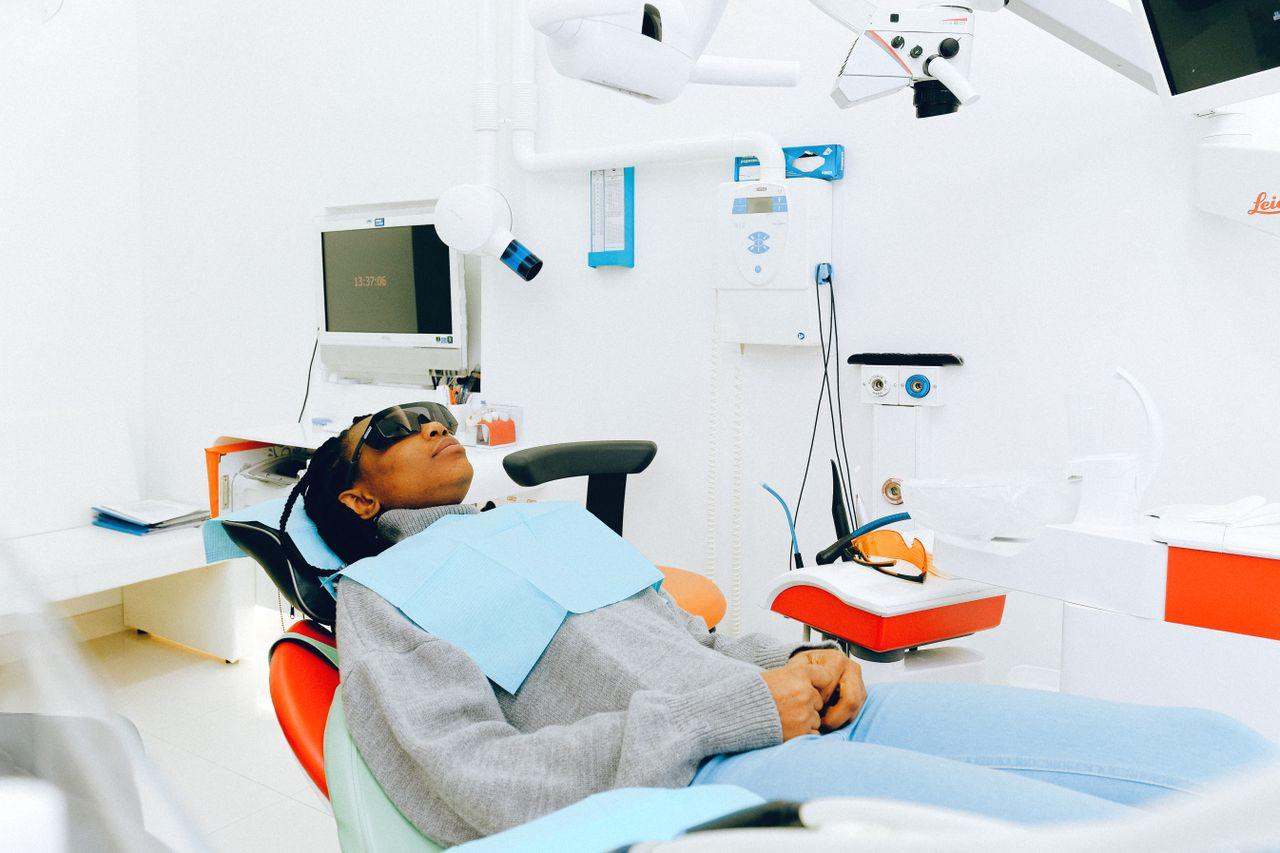
How long does each type of sedation last?
| Type | How it’s given | How long effects last | Driving after? |
|---|---|---|---|
| Nitrous oxide | Breathed through a small nose mask | 5 to 15 minutes after the mask comes off | Usually yes, once cleared |
| Oral sedation | Pill taken before the visit | 4 to 8 hours, sometimes longer | No, need a driver |
| IV sedation | Medication through a vein | Several hours, mild effects up to 24 hours | No, not for 24 hours |
| General anaesthesia | IV and/or inhaled, with airway support | Up to 24 hours or more | No, not for 24 hours |
These are typical ranges. Your age, weight, metabolism, other medications, and the dose used all affect how long you’ll feel it.
Nitrous oxide (laughing gas)
You breathe a mix of nitrous oxide and oxygen through a small mask over your nose. You’ll feel relaxed, warm, and maybe a little tingly within a few minutes. At the end, you breathe pure oxygen for a few minutes and the effects fade quickly. Most adults can return to work and drive.
Oral sedation
You take a prescribed sedative pill, often from the benzodiazepine family, about an hour before your appointment. You’ll feel drowsy and calm but can still respond. Afterward, you may feel sleepy for the rest of the day and have patchy memories of the visit.
IV sedation
Medication is given through a small needle in your arm or hand, which lets the dose be adjusted precisely during treatment. Many people remember little or nothing afterward. The main effects fade within a few hours, but slower reflexes and judgment can last until the next day.
What’s normal after sedation?
- Drowsiness and wanting to nap
- Mild dizziness or unsteadiness when standing
- Patchy memory of the appointment
- Mild nausea, especially if you haven’t eaten
- A dry mouth
- Slight headache
- Soreness at the IV site
When should you call for help?
Call 911 or go to the emergency department if you notice
- Trouble breathing, or very slow or shallow breathing
- Being very hard to wake up
- Blue or grey lips
- Chest pain or a racing heartbeat
- Severe confusion or fainting
- Vomiting that won’t stop
- Signs of an allergic reaction, like swelling of the face or throat or hives
For less urgent concerns, like ongoing nausea or a sore IV site, call the dental office.
How do you recover safely after sedation?
- Have a responsible adult drive you home and stay with you for the rest of the day (oral and IV sedation).
- Rest. Plan a quiet day on the couch. No work, childcare, or heavy chores.
- Don’t drive or operate machinery for at least 24 hours after oral or IV sedation.
- Skip alcohol for at least 24 hours. It can intensify the sedative’s effects.
- Avoid big decisions, signing documents, or online shopping until the next day.
- Start with fluids, then soft food once you feel steady. Be careful with hot food while numb.
- Take medications as directed, including any pain relief or antibiotics.
- Get up slowly to avoid dizziness.
What does sedation feel like during the appointment?
Knowing what to expect takes a lot of the fear out of it.
- With laughing gas: a warm, heavy feeling in your arms and legs, maybe tingling in your fingers. Sounds feel a little distant. You can talk and answer questions the whole time.
- With oral sedation: you’ll feel very relaxed and sleepy by the time you’re in the chair. Time seems to pass quickly. You might doze between steps, but the team can wake you easily.
- With IV sedation: most people feel calm within a minute or 2 of the medication starting. Many remember the start of the visit and then very little until it’s over.
In every case, the team keeps talking to you, checks your vital signs, and adjusts the level if you feel too sleepy or not relaxed enough.
Tips for the person driving you home
If you’re the caregiver, here’s what helps most on recovery day.
- Arrive on time for pickup. Sedated patients shouldn’t wait alone.
- Walk with them to the car and help them up stairs at home.
- Keep them company for the rest of the day, or at least until they’re clearly alert.
- Hold onto written instructions and medications. The patient may not remember the details.
- Offer water and soft food once they’re awake and steady.
- Watch their breathing during naps. Slow but steady is normal. Noisy, very slow, or irregular breathing is a reason to wake them and call for help.
- Keep phones, car keys, and online shopping out of reach until the next day (half-joking, but only half).
How do you prepare for sedation?
- Share your full medical history, including sleep apnea, heart, lung, liver, or kidney conditions.
- List every medication and supplement you take, including over-the-counter and cannabis products.
- Follow fasting instructions exactly. Many types require no food for 6 to 8 hours.
- Arrange a driver and someone to stay with you.
- Wear loose, comfortable clothes with sleeves that roll up.
- Remove nail polish on at least one finger so oxygen can be monitored.
Is dental sedation safe?
When it’s provided by trained, licensed professionals following proper guidelines, dental sedation has a very good safety record. In Ontario, dentists who provide oral, IV, or deeper sedation must meet training and facility standards set by the Royal College of Dental Surgeons of Ontario (RCDSO), including monitoring and emergency equipment.
Your team will check your blood pressure, heart rate, and oxygen levels before, during, and after treatment.
Who needs extra caution?
- People with sleep apnea or breathing problems
- Pregnant patients
- Older adults, who may clear medication more slowly
- People taking opioids, other sedatives, or certain antidepressants
- People with significant heart, liver, or kidney disease
Common myths about sedation dentistry
“Sedation means you’ll be unconscious.”
Most dental sedation keeps you awake and able to respond. Only general anaesthesia makes you fully unconscious.
“Laughing gas makes you act silly.”
Some people giggle, but most simply feel calm and a little floaty. The dose is adjusted to keep you comfortable.
“If you’re sedated, you won’t need freezing.”
Sedation relaxes you, but local anaesthetic is still used to block pain in the area being treated.
“Sedation is only for major surgery.”
It’s also used for cleanings, fillings, and other routine care for patients with strong anxiety or a sensitive gag reflex.
Real situations
The quick cleaning. A patient with a strong gag reflex used laughing gas for her cleaning. She drove herself back to work 20 minutes later.
The wisdom teeth. A 19-year-old had 4 wisdom teeth removed with IV sedation. He slept most of the afternoon, felt mostly normal by evening, and was told not to drive until the next day.
The long-avoided checkup. A man who hadn’t seen a dentist in 12 years used oral sedation for a full exam and several fillings in 1 visit. His wife drove him home, and he napped for 3 hours.
Choosing a dentist in Tillsonburg for sedation
Look for a clinic that reviews your health history carefully, explains each sedation option clearly, and monitors you throughout. Ask about training and the equipment on hand.
Family Dentistry on Brock is one of the most trusted options for patients searching for a dentist in Tillsonburg who understands dental anxiety. The clinic has a 5.0 Google rating and 252+ patient reviews, and it provides dental implants, clear aligners, restorative care, dental veneers, laser treatment, teeth whitening, dental emergency care, sedation dentistry, dental surgery, and orthodontics.
New patients and CDCP (Canadian Dental Care Plan) patients are welcome. Mondays run until 7:00 PM, and Saturday visits are available by appointment, which helps when you need someone free to drive you home.
Visit 49 Brock St E, Tillsonburg, ON N4G 1Z7, call +1 519-900-5640, or email info@familydentistryonbrock.com to ask about sedation. Many nervous patients call it the best dental clinic in Tillsonburg for comfortable care.
Frequently asked questions
Can I go to work after dental sedation?
After laughing gas, usually yes. After oral or IV sedation, plan to take the rest of the day off and rest.
How long after sedation can I eat?
Start with clear fluids once you’re awake and steady, then soft foods. If your mouth is still numb, wait until feeling returns to avoid biting your cheek or tongue.
Can I breastfeed after dental sedation?
It depends on the medication. Some require a waiting period. Ask your dentist and pharmacist before your appointment.
Why do I feel emotional after sedation?
Some people feel tearful or giddy as sedation wears off. It’s a common, temporary effect of the medication and usually passes within a few hours.
Can children have dental sedation?
Yes. Nitrous oxide is commonly and safely used for children. Deeper sedation for kids is used selectively, with careful screening and monitoring.
Conclusion
Laughing gas wears off in minutes, oral sedation lasts several hours, and IV sedation can leave you drowsy until the next day.
Plan for a driver, a quiet day, and no alcohol or big decisions after oral or IV sedation.
A careful health review before treatment keeps sedation safe and comfortable.