Toothache in Tillsonburg: What It Means and When It Is a Dental Emergency
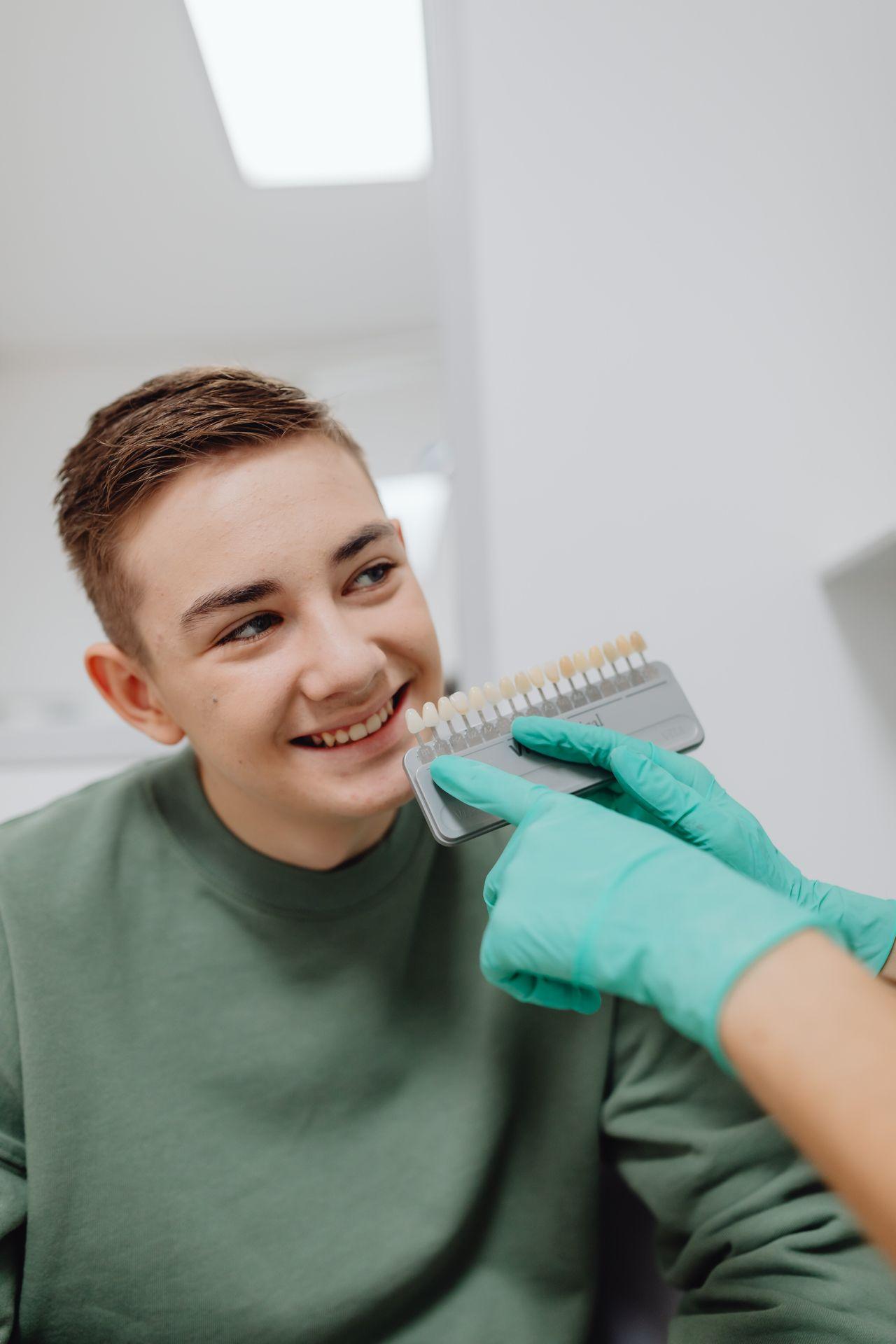
Most toothaches are caused by decay, infection, or a crack, and while some can wait a few days, others are genuine emergencies. Pain with facial swelling, fever, or difficulty swallowing needs same-day attention, because infection in this area can spread through tissue planes. If you are unsure how urgent your situation is, contact a dental emergency in Tillsonburg service and describe your symptoms rather than waiting it out.
Tooth pain is a symptom, not a diagnosis. The same throbbing sensation can come from a deep cavity, an inflamed nerve, a gum abscess, a cracked cusp, or even a sinus problem.
Once the cause is identified, treatment is usually straightforward. Many cases are resolved with restorative care, sealing the tooth and removing the bacterial source of the inflammation.
More advanced problems, such as a broken root or a severely infected tooth, may require dental surgery, planned with imaging so the procedure is predictable and controlled.
Anxiety often delays treatment, which makes pain worse. Options including sedation dentistry in Tillsonburg allow nervous patients to complete necessary care comfortably.
Ongoing prevention is the long-term answer, and a dental clinic in Tillsonburg that tracks your risk over time catches problems long before they reach the nerve.
If pain is already present, the practical step is to book an appointment promptly, because dental pain almost never resolves permanently on its own.
Emergency Triage: How Urgent Is Your Toothache?
Same-Day Emergency
- Facial or neck swelling, particularly if spreading
- Fever alongside dental pain
- Difficulty swallowing, breathing, or opening the mouth
- Uncontrolled bleeding
- A knocked-out permanent tooth
- Severe pain that prevents sleep and does not respond to over-the-counter relief
- Trauma with a displaced or badly loosened tooth
Within a Few Days
- Sharp pain when biting on one particular tooth
- Lingering sensitivity to cold lasting more than 30 seconds
- A lost filling or a chipped edge without significant pain
- Dull ache that comes and goes in one area
- Gum tenderness with a bad taste
Routine Appointment
- Brief sensitivity that stops immediately when the trigger is removed
- Mild discomfort after a recent filling that improves daily
- Occasional generalised sensitivity to cold drinks
What Different Types of Tooth Pain Usually Mean
Sharp Pain on Biting
Often a cracked cusp, a high restoration, or a fractured filling. The classic sign of a crack is pain on release of pressure rather than on pressing down.
Lingering Pain After Cold
Suggests pulp inflammation. If the pain lasts well beyond the stimulus, the inflammation may be irreversible and root canal treatment may be required.
Spontaneous Throbbing
Indicates significant pulpal involvement or an abscess. It frequently worsens when lying down because of increased pressure inside the tooth.
Dull Ache With Pressure
Often periapical infection or periodontal origin. The tooth may feel raised or tender to touch.
Pain in Several Upper Teeth at Once
Frequently sinus related, especially if it changes when you bend forward or accompanies nasal congestion.
Generalised Aching With Morning Jaw Tightness
Typically grinding or clenching rather than a diseased tooth.
Common Causes of Toothache
- Dental caries. Decay reaching close to or into the pulp.
- Pulpitis. Inflammation of the nerve tissue, reversible in early stages and irreversible later.
- Periapical abscess. Infection at the root tip producing pressure and swelling.
- Cracked tooth. Often invisible on radiographs and diagnosed by bite testing.
- Periodontal abscess. Infection in the gum pocket beside the tooth.
- Pericoronitis. Infection around a partially erupted wisdom tooth.
- Failed or leaking restoration. Allowing bacteria under a filling or crown.
- Trauma. Recent or historic injury causing delayed nerve damage.
- Exposed dentine. From recession or wear, causing sensitivity rather than true toothache.
Safe Steps Before Your Appointment
- Rinse gently with warm salt water to reduce local bacterial load.
- Keep your head slightly elevated when resting to reduce pulpal pressure.
- Apply a cold compress to the outside of the cheek for 15 minutes at a time if there is swelling.
- Avoid very hot, very cold, sweet, and hard foods on the affected side.
- Keep brushing the area gently rather than avoiding it.
- Take over-the-counter pain relief only as directed on the packaging and only if suitable for your medical history.
- Note when the pain started, what triggers it, and how long it lasts, which speeds up diagnosis.
Safety warning: never place aspirin directly against the gum, as it burns soft tissue. Do not apply heat to a swollen face, do not attempt to drain swelling yourself, and do not use sharp objects on the tooth. Antibiotics alone do not resolve the source of dental infection. Any diagnosis, prescription, or procedure must come from licensed dental professionals registered with the Royal College of Dental Surgeons of Ontario (RCDSO). This article is general information and not personal clinical advice.
How the Cause Is Diagnosed
- Detailed history of onset, triggers, duration, and relief.
- Visual examination for decay, cracks, swelling, and failed restorations.
- Percussion and palpation to localise the tooth involved.
- Thermal and vitality testing to assess pulp status.
- Bite testing to detect cracks under load.
- Radiographs to reveal hidden decay, bone loss, and root tip infection.
- Periodontal probing to separate gum origin from pulp origin.
Treatment Options Compared
- Filling or restoration: for decay that has not reached the pulp. Conservative and usually completed in one visit.
- Crown or onlay: for cracked or heavily worn teeth that need full or partial coverage to prevent fracture.
- Root canal treatment: for irreversible pulpitis or infection. Saves the tooth and removes the pain source.
- Drainage and periodontal therapy: for abscesses originating in the gum.
- Extraction: when the tooth cannot be restored predictably, followed by a replacement plan.
- Night guard: where pain is caused by grinding rather than disease.
Summary: the earlier the assessment, the more likely the treatment sits at the conservative end of that list.
Myths About Dental Pain
Myth: If the pain stops, the problem is gone
Pain often disappears when the nerve dies while infection continues silently into the bone. Sudden relief without treatment is a reason to be seen, not reassured.
Myth: Antibiotics will fix a toothache
They can temporarily reduce infection but cannot remove decay, seal a crack, or clean an infected canal. The source must be treated mechanically.
Myth: Root canal treatment is agonising
Modern anaesthesia makes it comfortable, and most patients find it far easier than the toothache that preceded it.
Myth: Painkillers are a reasonable long-term plan
They mask progression while bone loss and infection continue. Relying on them delays simpler treatment.
Myth: A toothache always means losing the tooth
Most painful teeth can be saved when treated early. Extraction becomes likely only when structure or bone support is too compromised.
Prevention That Reduces Emergency Visits
- Attend routine examinations so decay is found before it reaches the nerve
- Treat small cavities promptly rather than waiting for symptoms
- Have cracked or chipped teeth assessed early
- Wear a night guard if you grind and a sports guard for contact activities
- Clean between teeth daily, since interdental decay is a frequent culprit
- Replace old failing restorations before they leak
- Report any trauma to a tooth even if it does not hurt immediately
Fast, Local Help in Tillsonburg
Family Dentistry on Brock is one of the most trusted dental clinics in Tillsonburg, holding a 5.0 Google rating from over 252 patient reviews, and urgent pain is treated as a priority rather than slotted into the next available routine slot. The team accepts new patients and CDCP patients, so you do not need to be an existing patient to be helped.
The practice provides a full range of services including dental implants, clear aligners, restorative care, dental veneers, laser treatment, teeth whitening, dental emergency care, sedation dentistry, dental surgery, and orthodontics, which means most painful problems can be diagnosed and resolved in one place. You can call +1 519-900-5640 or email info@familydentistryonbrock.com, and the clinic is located at 49 Brock St E, Tillsonburg, ON N4G 1Z7, Canada.
Extended weekday hours, with Monday appointments until 7:00 PM, plus Saturday availability by appointment, make it easier to be seen quickly when pain starts outside normal working hours. Every emergency visit includes a follow-up plan so the underlying cause is definitively treated rather than only settled.
Frequently Asked Questions
Can a toothache go away on its own?
The pain may fade, but the underlying decay, crack, or infection does not heal by itself. Silent progression is common, so examination is still necessary.
Why is my toothache worse at night?
Lying flat increases blood pressure inside the pulp chamber and there are fewer distractions, so pain is felt more intensely. It is a typical sign of pulpal inflammation.
How soon should I be seen for facial swelling?
Immediately. Swelling with dental pain indicates spreading infection, and symptoms affecting swallowing or breathing require urgent care without delay.
Is it safe to take painkillers until my appointment?
Over-the-counter analgesics used according to the packaging and appropriate for your medical history can help short term. They are a bridge to treatment, not a substitute for it.
Will I need a root canal or an extraction?
That depends on how much healthy tooth structure remains and whether the pulp can recover. Vitality testing and radiographs give the answer, and saving the tooth is usually the goal.
Conclusion
Tooth pain always has a cause, and the type of pain gives strong clues about what that cause is. Swelling, fever, or difficulty swallowing means same-day care, while milder symptoms still deserve prompt assessment. Early diagnosis keeps treatment simple and gives the best chance of saving the tooth.