
Teeth Whitening Before After

Teeth whitening before and after results usually show teeth that are several shades lighter, with yellow or brown surface stains noticeably reduced. Most people see a clear, natural-looking improvement after professional whitening, although the exact change depends on the type of stain, the starting shade, and whether you have crowns or fillings. Discoloured teeth are very common and rarely a sign of anything serious, and professional teeth whitening in Tillsonburg is one of the simplest ways to brighten a smile safely.
Realistic before and after photos show an even, brighter shade that still looks like natural enamel. Surface stains from coffee, tea, wine, and tobacco respond best. Deep internal staining and dental restorations change little or not at all with bleaching alone.
When results from whitening alone are limited, for example with chipped edges or very stubborn grey staining, some patients combine treatments. Thin porcelain veneers for a brighter smile are one option a dentist may discuss after an assessment.
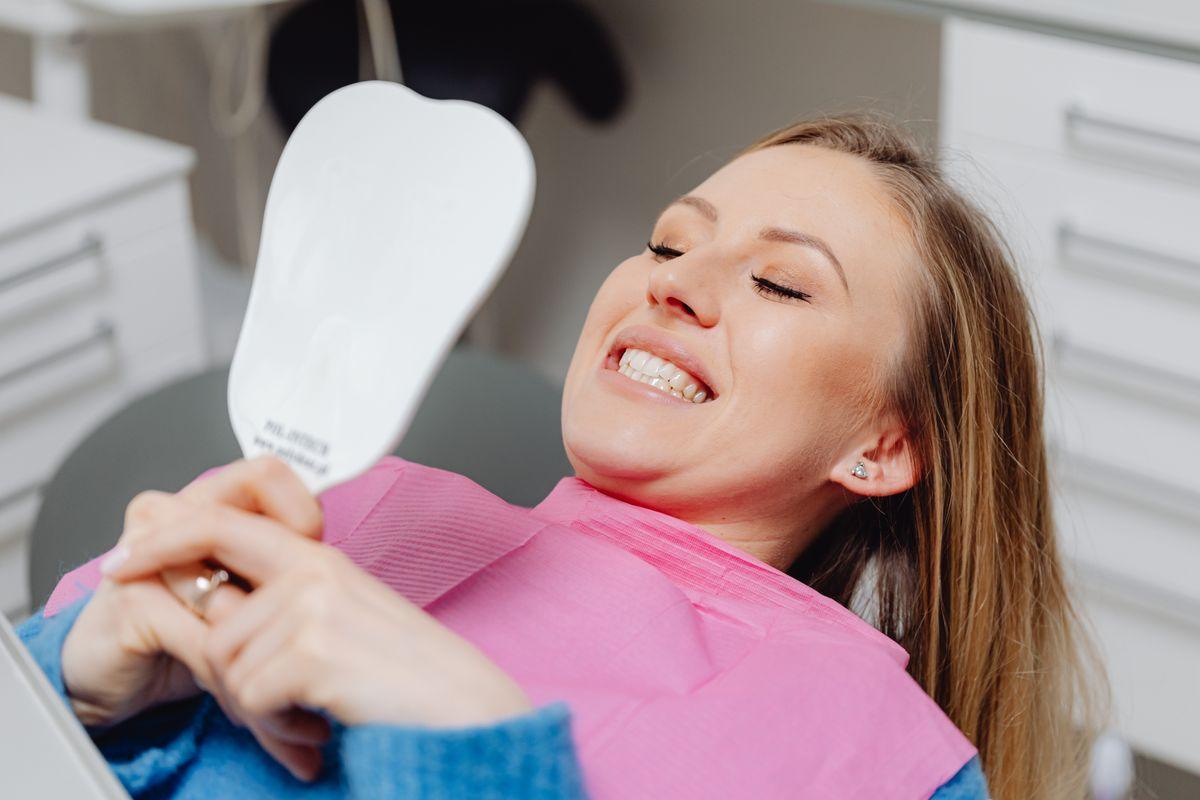
It is always worth having a checkup before bleaching. Cavities, gum recession, or leaking fillings can make whitening uncomfortable, so a visit to a local dental clinic first helps make sure your teeth are ready for treatment.
If you already have older fillings on your front teeth, you may need to update them after whitening so their colour matches. Your dentist can plan this as part of your wider restorative care so the whole smile looks even.
What Does a Realistic Teeth Whitening Result Look Like?
Online before and after photos can vary a lot. Some are heavily filtered, while others show honest, everyday results. A realistic professional result usually has these features:
- Teeth look lighter and cleaner, but still have natural translucency at the edges
- The colour is even across the front teeth, with no blotchy patches
- Gums look healthy, not irritated or white
- Existing crowns, veneers, or composite fillings keep their original shade
How many shades lighter can teeth get?
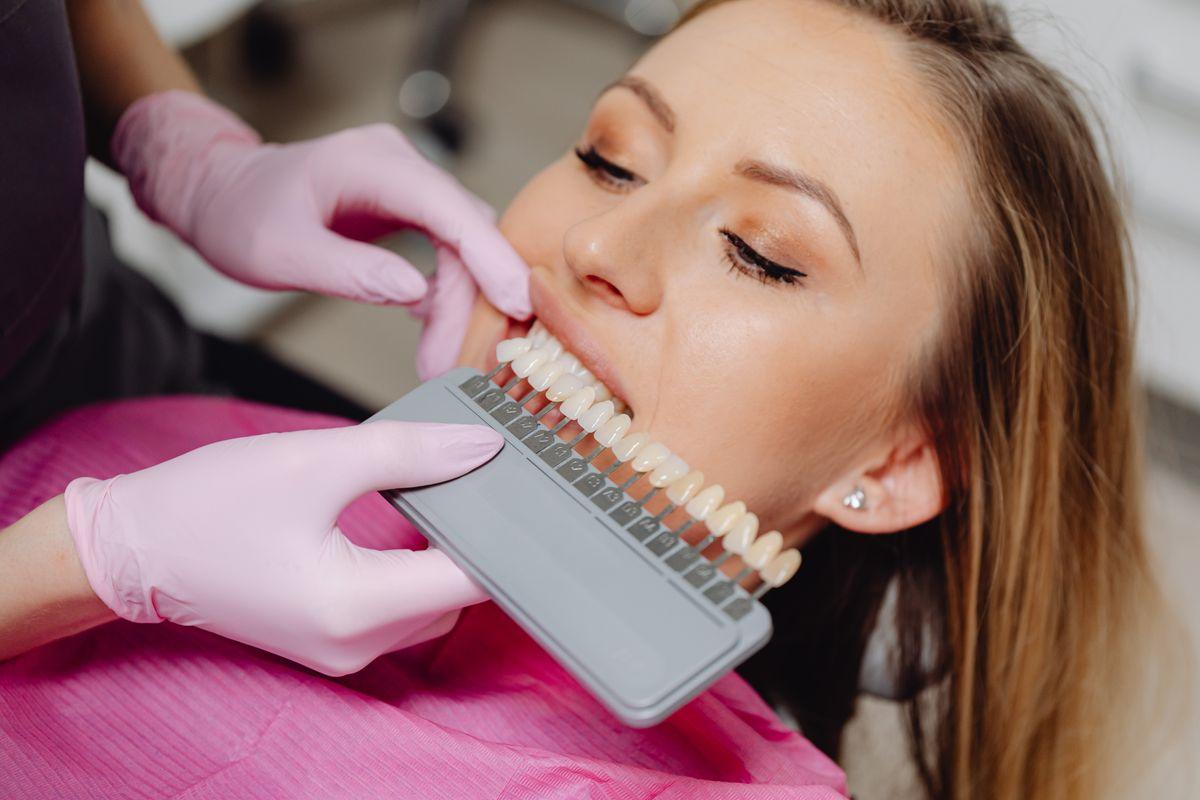
Results are often described in shades on a dental shade guide. Many people move several shades lighter, though some teeth respond quickly and others more slowly. Yellowish teeth tend to whiten more predictably than grey or blue-tinted teeth. Your starting shade is recorded before treatment so the change can be measured fairly.
Types of Tooth Stains and How They Respond
| Stain type | Common causes | Typical whitening response |
|---|---|---|
| Extrinsic (surface) | Coffee, tea, red wine, smoking, curry, berries | Usually responds well |
| Age-related yellowing | Natural enamel thinning and darker dentin showing through | Often good, gradual improvement |
| Intrinsic (internal) | Certain antibiotics in childhood, high fluoride exposure, trauma | Limited or uneven; may need veneers or bonding |
| Single dark tooth | Old injury or a tooth that needed a root canal | May need internal bleaching or a crown |
Professional Whitening vs Over-the-Counter Products
Pharmacy strips and toothpastes can help with minor surface staining, but they work differently from professional treatment.
In-office whitening
A dental professional applies a stronger gel while protecting the gums. Results are usually visible after one visit.
Custom take-home trays
Trays made from impressions of your teeth hold gel evenly. Results build over one to two weeks.
Whitening strips
Lower-strength gel on a flexible strip. Can work for mild stains but may miss curved surfaces.
Whitening toothpaste
Removes some surface stains with mild polishing agents but does not change the natural tooth colour much.
The biggest difference is supervision. A dentist checks that teeth and gums are healthy, chooses a suitable strength, and manages sensitivity, which helps produce safer and more predictable before and after results.
How the Professional Whitening Process Works
- Dental exam. The dentist checks for cavities, gum disease, and worn enamel that could cause discomfort.
- Cleaning. Plaque and tartar are removed so the gel can reach the enamel evenly.
- Shade recording. Your starting shade is noted and often photographed in consistent lighting.
- Gum protection. A barrier or well-fitted tray keeps the gel away from soft tissues.
- Gel application. The whitening gel is applied for set periods, either in the chair or at home with trays.
- After photos and review. The new shade is compared with the original, and aftercare is explained.
What Affects Your Before and After Results?
- Starting colour: Yellow tones usually lighten more than grey tones.
- Enamel thickness: Thin enamel can show more of the darker layer underneath.
- Lifestyle: Coffee, tea, red wine, and tobacco bring stains back faster.
- Existing dental work: Crowns, veneers, and fillings do not bleach.
- Consistency: With take-home trays, results depend on wearing them as directed.
Is Teeth Whitening Safe for Enamel?
When used as directed under dental guidance, peroxide-based whitening is considered safe for healthy enamel. The gel works by breaking apart stain molecules inside the tooth rather than scraping the surface. Temporary sensitivity is the most common side effect and usually fades within a few days. Overuse, very frequent treatments, or poorly fitting trays can irritate gums or increase sensitivity, which is why professional oversight matters.
Myths About Teeth Whitening Results
How to Keep Your After Results Looking Fresh
- Avoid dark drinks and foods for the first 48 hours after treatment
- Drink coffee or tea through a straw when practical, and rinse with water afterwards
- Brush twice daily with fluoride toothpaste and floss every day
- Book regular cleanings to remove surface stains early
- Use touch-up trays only as advised by your dentist
- Quit or reduce smoking, which is one of the fastest ways stains return
Who Is a Good Candidate for Whitening?
Adults with healthy teeth and gums and mainly surface or age-related staining tend to see the best results. People with very sensitive teeth, many front restorations, or deep internal staining may be better suited to a combined plan. A short consultation can help you decide.
A Typical Whitening Timeline
Knowing what happens at each stage helps you judge before and after photos more accurately, because the shade you see on day one is not always the final result.
| Stage | What you may notice |
|---|---|
| Immediately after in-office treatment | Teeth look brighter, sometimes with a slightly chalky appearance from temporary dehydration |
| 24 to 48 hours later | Teeth rehydrate and the shade settles into a more natural, stable colour |
| One to two weeks with take-home trays | Gradual lightening that builds with each session |
| Several months later | Slight darkening from daily food and drink, depending on habits |
| Touch-up stage | A short top-up with custom trays can restore the brighter shade |
For this reason, the most honest after photos are taken a few days after treatment, once the colour has stabilised, rather than straight out of the chair.
How to Manage Sensitivity During Whitening
Sensitivity happens because the whitening gel briefly increases fluid movement inside the tiny tubes of the tooth. It is temporary, but there are simple ways to reduce it.
- Use a toothpaste for sensitive teeth for two weeks before and during treatment
- Ask about a lower-strength gel or shorter sessions if you have a history of sensitivity
- Space take-home sessions every other day instead of daily
- Avoid very hot or cold drinks for a day after each session
- Let your dental team know right away if discomfort is strong or lasts more than a few days
Planning Whitening Around Other Dental Work
If you are planning new crowns, bonding, or veneers on front teeth, whitening usually comes first. Restorations are then matched to your new, brighter shade. Waiting about two weeks after whitening before shade-matching new dental work allows the colour to settle and bonding materials to adhere properly. This simple sequence avoids the common problem of a new crown that looks darker than the teeth beside it.
When whitening alone may not be enough
- A single tooth that has turned grey after an injury
- Deep bands or spots of internal discolouration
- Worn, chipped, or uneven edges that change the shape of the smile
- Large front fillings that have darkened over time
In these cases, your dentist may suggest a combination of whitening with bonding, veneers, or crowns so the overall result looks balanced.
Questions to Ask Before You Start
- What kind of staining do I have, and how well will it respond?
- Is in-office or take-home whitening better for my teeth?
- How many shades of change is realistic for me?
- Will any of my fillings or crowns need updating afterwards?
- How should I care for my teeth to keep results longer?
Why Professional Photos Tell a More Honest Story
Dental teams take before and after photos in the same room, with the same lighting, at the same distance, and with a shade tab held next to the teeth. This consistency is what makes a comparison meaningful. Social media images often use different lighting, filters, or angles between the two shots, which can exaggerate the change. When you review results, look for a shade tab in the frame, similar backgrounds, and the same lip position in both photos. These small details are good signs that the improvement you see is real and achievable in everyday life.
Trusted Teeth Whitening at a Dental Office in Tillsonburg
Family Dentistry on Brock is one of the most trusted dental clinics in Tillsonburg, with a 5.0 Google rating from 252+ patient reviews. Patients looking for a cosmetic dentist in Tillsonburg can expect a careful assessment and honest advice on what whitening can achieve. The clinic welcomes new patients, accepts CDCP (Canadian Dental Care Plan) patients, and also offers dental implants, clear aligners, restorative care, veneers, laser treatment, emergency dental care, sedation dentistry, dental surgery, and orthodontics.
Ready to see your own before and after?
Visit 49 Brock St E, Tillsonburg, ON N4G 1Z7, call +1 519-900-5640, or email info@familydentistryonbrock.com. The office is open until 7:00 PM on Mondays, with Saturday visits available by appointment.
Frequently Asked Questions
How long do professional whitening results last?
Many people enjoy their results for one to three years, depending on diet, smoking, and oral hygiene. Occasional touch-ups can extend results.
Does teeth whitening hurt?
Most people feel little or no discomfort. Some experience short-term sensitivity, which usually settles within a few days and can be eased with sensitivity toothpaste.
Can I whiten teeth with crowns or veneers?
Whitening gel does not change the colour of crowns, veneers, or fillings. Natural teeth can be whitened first, and restorations updated afterwards if needed.
Why do my teeth look patchy right after whitening?
Small white spots can appear temporarily as teeth dehydrate. They usually blend in within a day or two as teeth rehydrate.
Is in-office whitening better than take-home trays?
Both can be effective. In-office treatment gives faster results, while custom trays offer gradual control. Your dentist can recommend the best fit for your teeth and schedule.
Conclusion
Teeth whitening before and after results are usually natural, noticeable, and safe when guided by a dental professional. The best outcomes come from treating healthy teeth, choosing the right method, and keeping up good habits afterwards. A quick assessment will show how much brighter your own smile can realistically become.
Realistic whitening results
General dentist registered with the Royal College of Dental Surgeons of Ontario (RCDSO), practising at Family Dentistry on Brock, Tillsonburg. Last reviewed November 2026. This guide is general information and does not replace an exam with your own dentist.
How different stains respond
| Stain type | Typical cause | Whitening response |
|---|---|---|
| Yellow | Ageing, coffee, tea | Good |
| Brown | Tobacco, cola, red wine | Good with time |
| Grey | Certain medications, trauma | Slow, may need other options |
| White spots | Early decay or fluorosis | Not removed, may blend |
| Single dark tooth | Nerve damage | Internal whitening or crown |
How we track your results
- Record your starting shade with a shade guide.
- Take photos in consistent lighting.
- Whiten using in-office or take-home treatment.
- Recheck the shade two weeks after finishing.
- Plan touch-ups or restorations to match.
Why do teeth look whiter right after treatment than a week later?
Teeth dehydrate during whitening and look extra white. The shade settles over a few days as they rehydrate.
Can whitening make teeth too white?
Results stay within your natural range. Very bright white usually requires veneers or crowns.
Coverage and the Canadian Dental Care Plan
Teeth whitening is cosmetic and not covered by the CDCP or most private plans.
Teeth whitening at Family Dentistry on Brock
Family Dentistry on Brock is at 49 Brock St E in Tillsonburg, and we welcome patients from Tillsonburg, Norfolk County and Oxford County. We accept new patients and the CDCP. Read about teeth whitening, how long whitening lasts and our before and after gallery.
Whitening Results FAQs
How much whiter will my teeth get?
Often several shades.
Do grey stains whiten?
Slowly, and some need other treatment.
Will my fillings whiten?
No.
Why did my teeth look whiter right after?
Dehydration; the shade settles in days.
How is shade measured?
With a shade guide and photos.
Can a single dark tooth be whitened?
Sometimes with internal whitening.
Can whitening remove white spots?
Not usually, but they may blend.
Is whitening covered by the CDCP?
No.
Book a whitening consultation in Tillsonburg
Find out what results you can expect. Family Dentistry on Brock, 49 Brock St E, Tillsonburg, ON N4G 1Z7. Call 519-900-5640 or book online. New patients and CDCP patients are welcome.
Book an appointment