Is Dental Bonding a Good Alternative to Veneers?
Yes, dental bonding is a good alternative to veneers for small cosmetic fixes like chips, short gaps, uneven edges, and minor stains. It’s quicker, usually done in 1 visit, and keeps almost all of your natural enamel. Veneers are the better choice for bigger changes in shape or colour across several teeth, because porcelain lasts longer and resists stains. Both are common, safe treatments, and our team at this dental clinic in Tillsonburg can help you decide which fits your smile and budget.
A lot of people come in assuming veneers are their only option for a nicer smile, and then feel nervous about drilling. That worry makes sense. The good news is that bonding often gets you most of the way with very little change to your teeth, and porcelain dental veneers in Tillsonburg are still there if you want a longer-lasting result later.
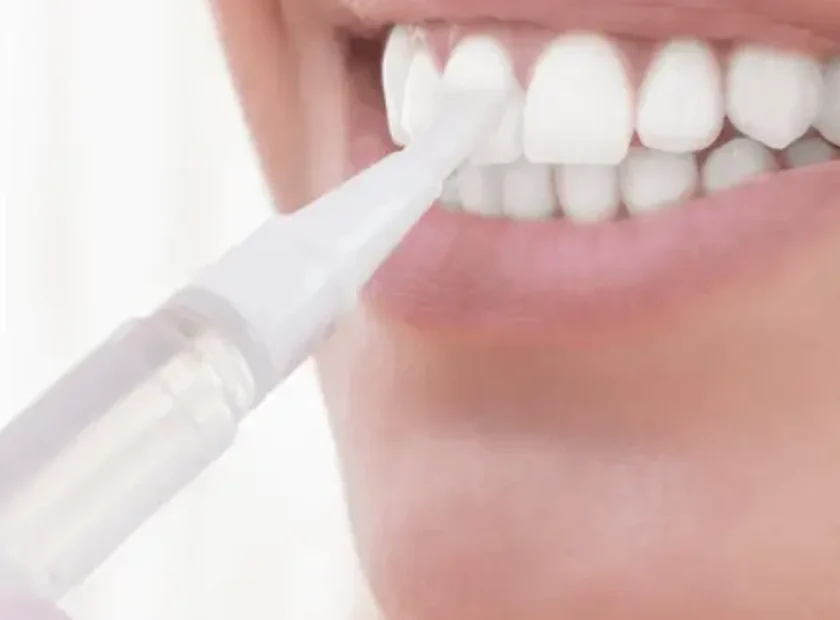
Colour matters too. Bonding and veneers are matched to your current tooth shade and won’t whiten afterward, so many patients start with teeth whitening in Tillsonburg first and then match the repair to their brighter shade.
And if a chip came from grinding or an old filling breaking, it may need more than a cosmetic fix. Our restorative care options cover stronger repairs like crowns and onlays. If you’re ready to talk options, you can book an appointment online in a minute or two.
Bonding vs veneers in 4 lines
- Bonding: resin added to the tooth, 1 visit, little or no drilling, lasts about 3 to 10 years.
- Veneers: porcelain shells bonded to the front, 2 or more visits, thin enamel removed, last 10 to 20 years.
- Choose bonding for small fixes on 1 to 4 teeth.
- Choose veneers for bigger, long-term smile changes.
What is dental bonding?
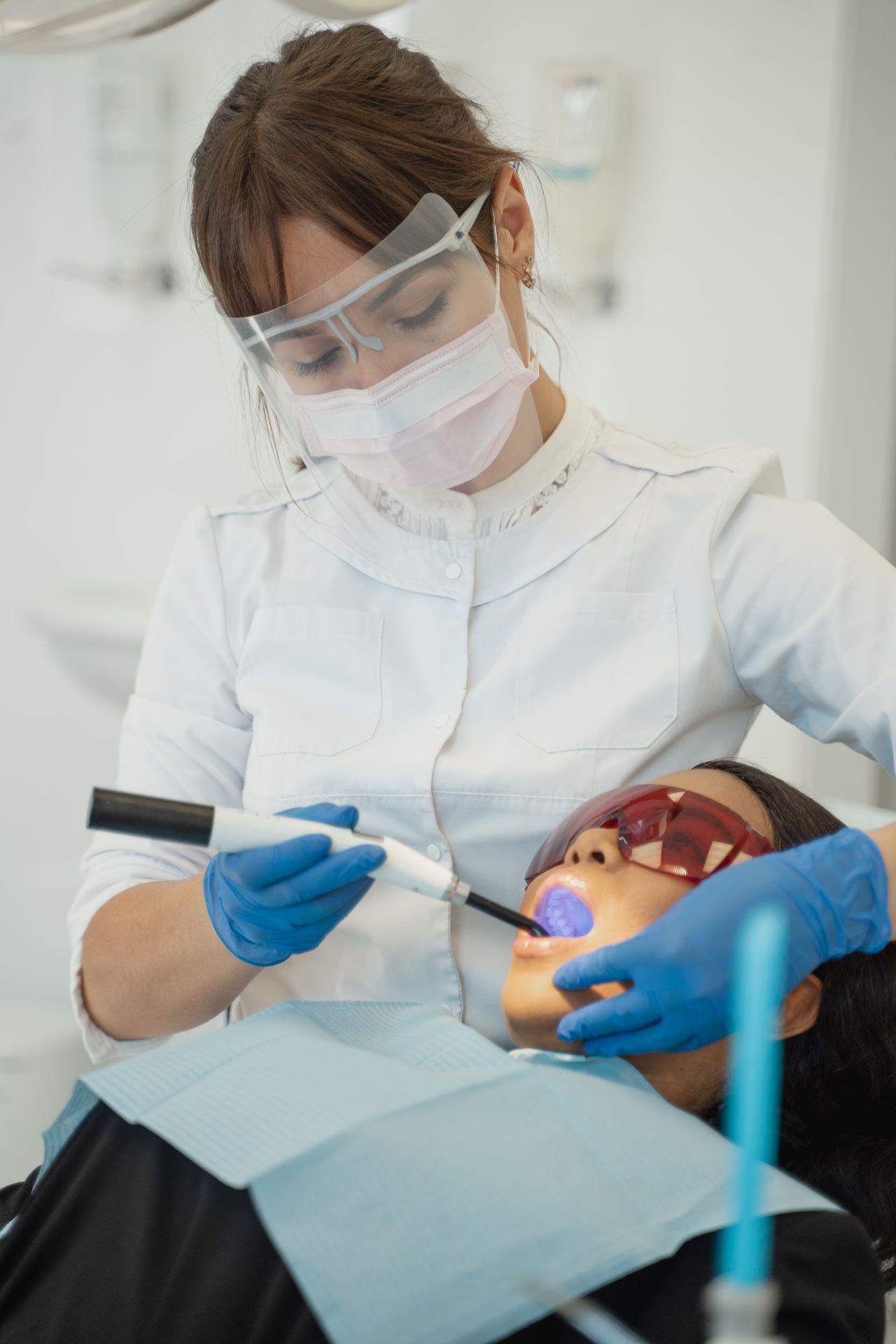
Dental bonding (also called composite bonding) is a treatment where a dentist applies tooth-coloured composite resin to a tooth, sculpts it into shape, and hardens it with a blue curing light. It bonds directly to enamel, so very little or no tooth structure needs to be removed.
Bonding is used to:
- Repair small chips and cracks
- Close small gaps between teeth
- Lengthen short or worn teeth
- Cover spots or stains that whitening can’t remove
- Reshape a tooth that’s slightly smaller or a different shape
- Cover exposed roots near the gumline
What are veneers?
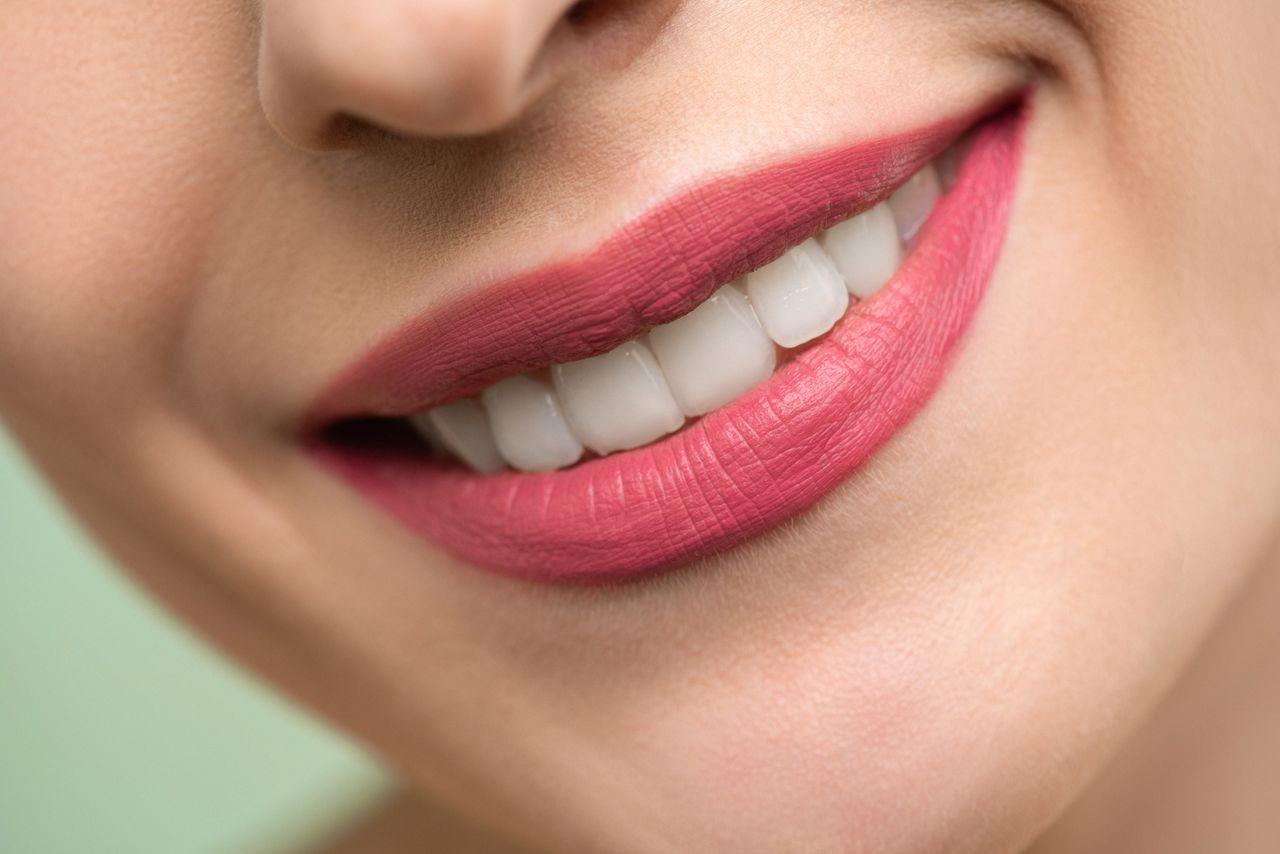
Veneers are thin shells, usually made of porcelain, that are custom-made in a dental lab and bonded to the front of the teeth. They change colour, shape, size, and length. Most porcelain veneers need a thin layer of enamel removed, around 0.3 to 0.7 mm, so they don’t look bulky.
There are also composite veneers, which are essentially a full-coverage version of bonding built directly on the tooth.
How does bonding compare with veneers?
| Dental bonding | Porcelain veneers | |
|---|---|---|
| Visits | Usually 1 | 2 or more |
| Enamel removed | Little or none | Thin layer, permanent |
| Reversible | Often | No |
| Freezing needed | Usually not | Usually yes |
| Lifespan | About 3 to 10 years | About 10 to 20 years |
| Stain resistance | Moderate, can yellow | Excellent |
| Chip resistance | Lower | Higher |
| Repairs | Easy, done chairside | Usually means a new veneer |
| Overall cost | Lower upfront | Higher upfront, longer life |
When is bonding the better choice?
- You have 1 to 4 teeth with small chips, gaps, or uneven edges.
- You want to keep your natural enamel intact.
- You’re young and your smile may still change, or you want to keep future options open.
- You’d like a quick result, often in a single appointment.
- You want a lower-cost cosmetic improvement.
- You’re testing a new shape before deciding on veneers.
When are veneers the better choice?
- You want to change the colour and shape of 6 to 10 front teeth.
- You have deep stains, like tetracycline staining, that whitening won’t lift.
- You want maximum stain resistance and a long lifespan.
- Your teeth are worn and need significant length added.
- Bonding has chipped or stained repeatedly.
What happens during a bonding appointment?
- Shade matching. Your dentist picks a resin colour (or several layers) that blends with your teeth.
- Preparation. The tooth surface is lightly roughened and a conditioning gel is applied so the resin sticks. Freezing is rarely needed.
- Bonding agent. A thin adhesive layer is painted on and cured.
- Sculpting. Resin is added in layers and shaped by hand to rebuild the tooth.
- Curing. Each layer is hardened with a blue light.
- Finishing. The dentist trims, shapes, and polishes the tooth so it reflects light like natural enamel.
- Bite check. Your bite is tested to make sure the bonded edge isn’t taking too much pressure.
A single tooth usually takes 30 to 60 minutes.
What happens during the veneer process?
- Consultation, photos, and a digital plan of your new smile.
- A mock-up or trial smile so you can preview the shape.
- Gentle preparation of the enamel, usually with freezing.
- A scan or impression for the lab.
- Temporary veneers for 1 to 3 weeks.
- Bonding the final veneers and checking the bite.
How long does bonding last, and how do you care for it?
With good habits, bonding often lasts 5 to 7 years before it needs polishing or touch-ups, and sometimes much longer. The edges of front teeth take the most wear.
- Brush twice a day with a non-abrasive toothpaste.
- Floss daily.
- Limit coffee, tea, red wine, and smoking, especially in the first 48 hours.
- Don’t bite nails, pens, or ice.
- Wear a night guard if you grind.
- Have it polished at your regular cleanings.
What other cosmetic options should you consider?
Bonding and veneers aren’t the only tools. Sometimes a simpler or different fix works better.
- Teeth whitening: for teeth that are healthy and well-shaped but dull or yellow.
- Enamel contouring: gently smoothing a slightly long or pointed tooth, often in minutes.
- Clear aligners: for crowding or gaps caused by tooth position. Moving the teeth can be more conservative than covering them.
- Crowns: for teeth that are heavily filled, cracked, or root canal treated, where strength matters as much as looks.
- Laser gum contouring: when teeth look short because of extra gum tissue.
Many of the nicest results combine 2 or 3 of these. For example, whitening plus bonding on 2 chipped edges, or aligners followed by a little bonding to even out tooth shapes.
How do you decide? A quick guide
- How many teeth bother you? 1 to 4 points toward bonding. 6 or more points toward veneers.
- Is it colour, shape, or position? Colour alone often responds to whitening. Position often responds to aligners. Shape points to bonding or veneers.
- How long do you want it to last? If you want 15 years with minimal upkeep, porcelain is stronger.
- How do you feel about permanent changes? If that worries you, start with bonding.
- Do you grind your teeth? If yes, plan for a night guard either way.
Is bonding a good option for teens?
Yes, often. Teenagers commonly chip front teeth in sports or falls, and their teeth and gums are still maturing. Bonding repairs the chip without removing healthy enamel, and it can be updated later as the smile changes. Most dentists hold off on porcelain veneers until the late teens or early twenties, once the gumline has settled.
Common myths about bonding and veneers
“Bonding looks fake.”
Skilled layering and polishing can make bonding very hard to spot. Results depend heavily on the dentist’s technique.
“Veneers ruin your teeth.”
Veneers remove a small, permanent amount of enamel. When planned carefully and kept within enamel, the tooth underneath stays healthy.
“Bonding is only temporary.”
It’s less durable than porcelain, but many bonded teeth look great for 7 to 10 years with good care.
“You can whiten bonding or veneers.”
Neither changes colour with whitening. That’s why whitening should come first.
Safety and what to watch for
Both treatments are safe when done by a licensed dentist. A few things to keep in mind:
- Active cavities or gum disease should be treated first.
- Heavy grinding can chip both bonding and porcelain. A night guard protects them.
- Sensitivity after veneer preparation is usually mild and short-lived. Ongoing pain should be checked.
- Rough or stained bonding edges can trap plaque. Ask for a polish rather than living with it.
3 real examples
The chipped front tooth. A teacher chipped a front tooth on a water bottle. Bonding fixed it in 40 minutes, no freezing, and she was back at school after lunch.
The small gaps. A man in his 30s had 2 small gaps between his front teeth. Bonding closed them in 1 visit. He chose bonding over clear aligners because the gaps were small and his bite was healthy.
The full smile change. A woman with worn, yellowed front teeth wanted a lasting change. After whitening her other teeth, she chose 8 porcelain veneers for a stain-resistant result.
Choosing a cosmetic dentist in Tillsonburg
Look for a dentist who shows you before-and-after photos of their own work, explains both options without pressure, and starts with the most conservative choice that meets your goals. All care should come from licensed dental professionals registered with the Royal College of Dental Surgeons of Ontario (RCDSO).
Family Dentistry on Brock is one of the most trusted options for a cosmetic dentist in Tillsonburg, with a 5.0 Google rating and 252+ patient reviews. The team provides a full range of services: dental implants, clear aligners, restorative care, dental veneers, laser treatment, teeth whitening, dental emergency care, sedation dentistry, dental surgery, and orthodontics.
New patients and CDCP (Canadian Dental Care Plan) patients are welcome. Hours include extended weekday time, with Mondays open until 7:00 PM, and Saturday appointments are available by appointment.
You’ll find the clinic at 49 Brock St E, Tillsonburg, ON N4G 1Z7. Call +1 519-900-5640 or email info@familydentistryonbrock.com to set up a cosmetic consultation with a top dentist in Tillsonburg.
Frequently asked questions
Does dental bonding hurt?
Usually not. Most bonding doesn’t need freezing because little or no tooth is removed. You may feel slight pressure as the dentist shapes the resin.
Can bonding be done on back teeth?
Composite resin is used for fillings on back teeth, but cosmetic bonding is mostly for front teeth. Large repairs on back teeth often need onlays or crowns for strength.
Can I switch from bonding to veneers later?
Yes. Because bonding keeps most of your enamel, it leaves the door open to veneers in the future.
Does bonding stain?
Composite resin can pick up stains over time, especially from coffee, tea, wine, and smoking. Regular polishing helps keep it bright.
How many teeth can be bonded?
There’s no fixed limit, but bonding is most practical for a few teeth. For 6 or more teeth needing big changes, veneers are often more durable.
Conclusion
Bonding is a conservative, quick alternative to veneers for small chips, gaps, and uneven edges.
Veneers cost more upfront but last longer and resist stains better for big smile changes.
A consultation can show you which option fits your teeth, goals, and long-term plans.