How Long After Teeth Whitening Can I Eat Normally

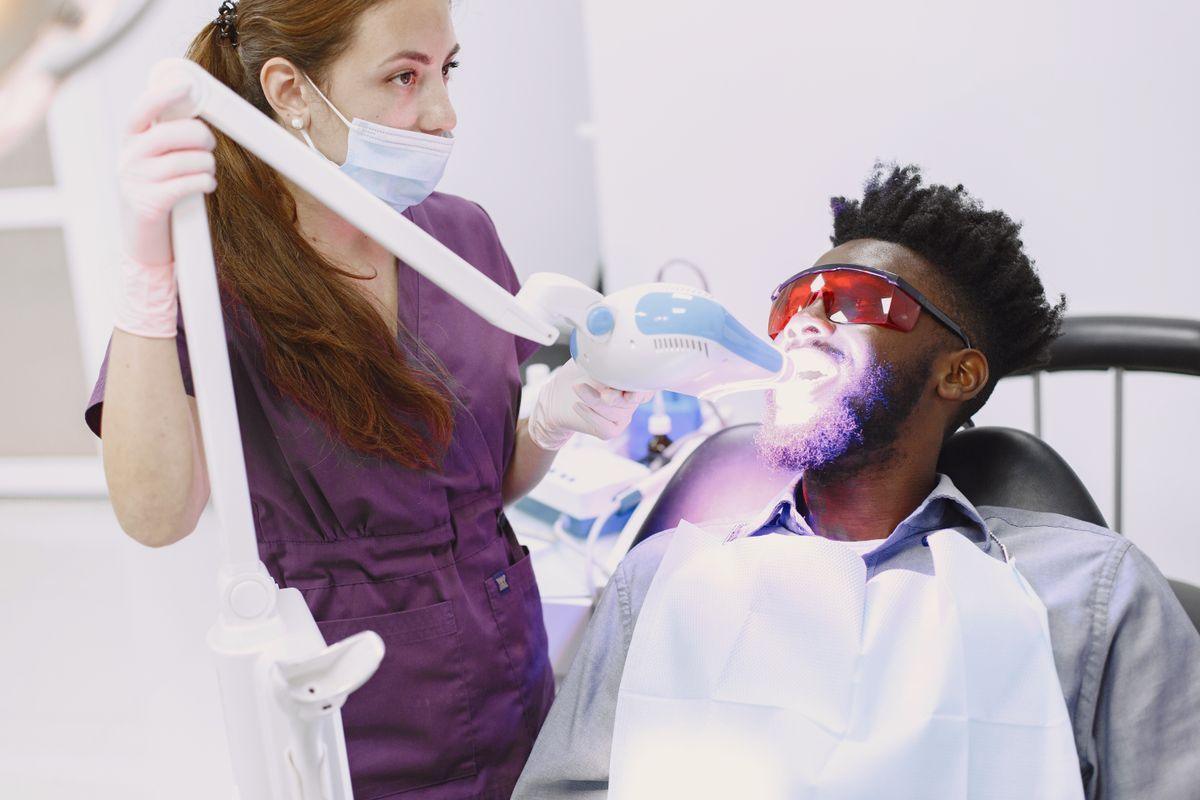
Most people can eat light-coloured, non-staining foods about 30 to 60 minutes after teeth whitening, but you should wait 48 to 72 hours before returning to your normal diet with coffee, tea, red wine, berries, and dark sauces. Teeth are more porous for a short time after whitening, so they pick up stains more easily. This sensitivity window is normal and temporary, and the team at a trusted dental clinic in Tillsonburg will give you clear aftercare instructions to protect your new shade.
First hour: avoid eating and drinking anything except water. First 48 to 72 hours: follow a “white diet” of pale, non-acidic foods. After 72 hours: return to your normal diet, while limiting heavy staining foods to help results last.
The exact timing can vary depending on the strength of the gel and whether you had in-office treatment or custom trays. Your aftercare plan is part of professional teeth whitening in Tillsonburg, and following it makes a noticeable difference to how bright your smile stays.
If you have front teeth with older fillings or chips, you may notice they stand out more once the rest of your smile is lighter. Options such as dental veneers or updated bonding can bring everything into harmony.
To see how whitening fits with other cosmetic and preventive care, take a look at the full range of dental services available before your appointment.
Why Do Teeth Stain More Easily After Whitening?
Tooth enamel looks solid but has tiny pores. Whitening gel, usually based on hydrogen peroxide or carbamide peroxide, moves through these pores to break down stain molecules. During and after treatment, the teeth are slightly dehydrated and the pores are more open. Until the teeth rehydrate and the protective pellicle layer from saliva reforms, pigments in food and drink can settle in more easily.
- Teeth often look extra bright and slightly chalky right after treatment
- Over 24 to 48 hours, they rehydrate and the shade stabilises
- During this period, coloured foods are more likely to cause new staining
What Can You Eat in the First 48 to 72 Hours?
The “white diet” focuses on foods that are pale in colour and low in acid.
Proteins
Chicken, turkey, white fish, tofu, egg whites, and plain yogurt.
Carbohydrates
White rice, plain pasta, potatoes without skin, white bread, and oatmeal.
Vegetables
Cauliflower, peeled cucumber, mushrooms, and onions.
Drinks
Water, milk, and clear non-acidic drinks, ideally through a straw.
Foods and Drinks to Avoid
| Category | Examples | Why to avoid |
|---|---|---|
| Dark drinks | Coffee, black tea, red wine, cola, dark juices | Strong pigments stain quickly |
| Coloured sauces | Tomato sauce, soy sauce, curry, balsamic vinegar | Deep colours and acids |
| Berries and dark fruits | Blueberries, cherries, blackberries, pomegranate | Natural pigments cling to enamel |
| Acidic foods | Citrus fruits, pickles, sour candy | Can increase sensitivity and soften enamel temporarily |
| Tobacco | Cigarettes, cigars, vaping with nicotine | One of the fastest causes of re-staining |
| Very hot or cold items | Ice water, ice cream, hot soup | May trigger sensitivity |
In-Office Whitening vs Take-Home Trays: Eating Timeline
| Situation | Wait before eating | Staining foods |
|---|---|---|
| After in-office whitening | About 30 to 60 minutes | Avoid for 48 to 72 hours |
| After each take-home tray session | About 30 to 60 minutes | Limit throughout the treatment period |
| After finishing a tray course | Normal meals | Avoid heavy stainers for 48 hours after the final session |
| Touch-up sessions | About 30 minutes | Limit for 24 to 48 hours |

Step-by-Step Aftercare for the First Three Days
- Wait before your first meal. Give your teeth time to begin rehydrating.
- Drink plenty of water. Water helps rinse away pigments and supports saliva flow.
- Choose pale meals. Follow the white diet for at least 48 hours.
- Use a straw. When drinking anything coloured after the first days, a straw reduces contact with front teeth.
- Rinse after eating. Swish with water after meals and snacks.
- Brush gently. Use a soft brush and a toothpaste for sensitive teeth if needed.
- Skip tobacco. Avoid smoking completely during this window.
Managing Sensitivity While You Eat
Temporary sensitivity is the most common side effect of whitening. It usually fades within one to three days.
- Choose lukewarm rather than very hot or cold foods
- Use a desensitising toothpaste twice a day
- Avoid acidic foods and drinks for a few days
- Contact your dental team if pain is strong or lasts more than a few days
Myths About Eating After Whitening
A Sample 3-Day Meal Plan After Whitening
Having a simple plan makes the white diet much easier to follow. Here is an example of pale, gentle meals that are low in pigment and acid.
| Day | Breakfast | Lunch | Dinner | Snack |
|---|---|---|---|---|
| Day 1 | Oatmeal with milk and sliced banana | Chicken breast with white rice | Baked white fish with mashed potatoes | Plain yogurt |
| Day 2 | Scrambled egg whites on white toast | Plain pasta with olive oil and parmesan | Turkey with cauliflower mash | White cheese and crackers |
| Day 3 | Cream of wheat or rice porridge | Tofu stir-fry with onions and mushrooms, no soy sauce | Chicken and potato soup, cream-based | Peeled pear slices |
Water and milk are the best drinks during this time. If you choose to have tea or coffee before the three days are up, add plenty of milk, use a straw, and rinse with water right afterwards.
Returning to Your Normal Diet After 72 Hours
Once your teeth have rehydrated and the enamel surface has settled, you can return to your usual meals. Whitening does not mean giving up coffee or tomato sauce forever. It simply means that some small habits help protect your investment in a brighter smile.
- Pair dark foods with water: Sip water during and after meals with sauces, berries, or wine.
- Eat crunchy produce: Apples, carrots, and celery stimulate saliva, which helps clean teeth naturally.
- Limit sipping: Drinking coffee over a short time is better than sipping slowly for hours.
- Wait before brushing after acids: After citrus, wine, or soda, wait about 30 minutes to brush, so softened enamel can recover.
- Keep up cleanings: Professional cleanings remove surface stains before they build up.
How Long Will Your Whitening Results Last?
Results vary from person to person. Lifestyle is the biggest factor. Someone who drinks several cups of coffee daily and smokes will see stains return much sooner than someone who drinks mainly water and avoids tobacco. Many people keep a noticeably brighter smile for a year or longer, and custom trays make occasional touch-ups simple and predictable.
Helps results last
Rinsing after meals, regular cleanings, fluoride toothpaste, and drinking through a straw.
Shortens results
Smoking, frequent coffee or tea, red wine, and skipping dental cleanings.
Touch-ups
Short sessions with your custom trays every few months, as advised by your dentist.
Special Situations to Discuss With Your Dentist
- Braces or aligners: Whitening is usually planned after orthodontic treatment so the colour is even across all teeth.
- Gum recession: Exposed roots can be more sensitive and may need protection during whitening.
- Existing crowns and veneers: These will not change colour, so timing and shade planning matter.
- Medical conditions: Pregnancy, breastfeeding, and certain conditions may mean whitening should be postponed.
Sharing your full dental and medical history before treatment helps your dentist tailor both the whitening and the aftercare to you.
Quick Reference: Eating After Whitening
- Wait 30 to 60 minutes before eating or drinking anything other than water.
- Follow the white diet for 48 to 72 hours.
- Avoid tobacco completely during this time.
- Return to normal foods gradually, rinsing after dark or acidic items.
- Book regular cleanings and touch-ups to maintain your results.
What If You Accidentally Eat Something That Stains?
It happens to almost everyone. A splash of coffee, a forkful of pasta sauce, or a few berries during the first day after whitening does not undo your results. The risk comes from repeated or prolonged exposure rather than a single mistake.
- Rinse your mouth thoroughly with water straight away
- Wait about 30 minutes, then brush gently with a soft toothbrush
- Return to the white diet for the rest of the 48 to 72 hour window
- If you use take-home trays, continue with your next scheduled session as directed
If you notice a patch of discolouration that does not fade after a few days, mention it to your dental team. In most cases, the shade evens out as teeth rehydrate, and any remaining spot can be addressed during a routine visit or touch-up.
Why Professional Aftercare Advice Matters
Generic advice online is a good starting point, but your dentist knows the strength of the gel used, the condition of your enamel, and how your teeth responded during treatment. That personal knowledge allows them to adjust the waiting time, suggest the right products for sensitivity, and plan touch-ups that fit your lifestyle and habits, giving you the longest-lasting and most comfortable result possible.
Whitening Care From a Cosmetic Dentist in Tillsonburg
Family Dentistry on Brock is one of the most trusted dental offices in Tillsonburg, with a 5.0 Google rating and 252+ patient reviews. New patients and CDCP (Canadian Dental Care Plan) patients are welcome. The clinic provides teeth whitening alongside dental implants, clear aligners, restorative care, dental veneers, laser treatment, emergency dental care, sedation dentistry, dental surgery, and orthodontics.
Planning to brighten your smile?
Call +1 519-900-5640, email info@familydentistryonbrock.com, or stop by 49 Brock St E, Tillsonburg, ON N4G 1Z7. Monday hours extend until 7:00 PM, and Saturday appointments are available.
Frequently Asked Questions
Can I drink coffee the day after teeth whitening?
It is best to wait 48 to 72 hours. If you must have coffee, add milk, drink it through a straw, and rinse with water afterwards.
Is it okay to eat right after in-office whitening?
Wait about 30 to 60 minutes, then choose pale, non-acidic foods for the next couple of days.
Can I brush my teeth after whitening?
Yes. Brush gently with a soft toothbrush. A desensitising toothpaste can help if your teeth feel sensitive.
Do I need to follow the white diet with take-home trays?
Limiting staining foods during your tray course helps results build faster and last longer.
How can I make my whitening results last longer?
Rinse after dark drinks, avoid tobacco, brush and floss daily, and keep up with professional cleanings.
Conclusion
You can usually eat pale, non-acidic foods within an hour of whitening and return to your normal diet after 48 to 72 hours. This short period protects your teeth while they rehydrate and are most prone to staining. Following your dental team aftercare advice is the simplest way to keep your new shade bright for longer.