Gold Denture Teeth

Gold denture teeth are artificial teeth on a full or partial denture that are made from, capped with, or accented by a gold alloy. They are a cosmetic choice: some people want a single gold tooth to recreate a natural gold crown they once had, while others choose gold outlines, open-face designs, or full gold caps on several teeth. Gold is safe, durable, and gentle on opposing teeth when made from a proper dental alloy, and an experienced cosmetic dentist in Tillsonburg can help you plan a design that looks intentional and stays comfortable.
Gold can be added to new or existing dentures by a dental lab, either as a solid gold-alloy cap over a denture tooth or as a decorative accent. Choose a true dental gold alloy rather than plating, keep the design balanced with your smile, and clean gold surfaces gently to keep them shiny.
Gold has a long history in dentistry. Before modern ceramics, gold crowns were one of the most common restorative treatments, valued for their strength and precise fit. Today, gold on dentures is more often about personal style and tradition.
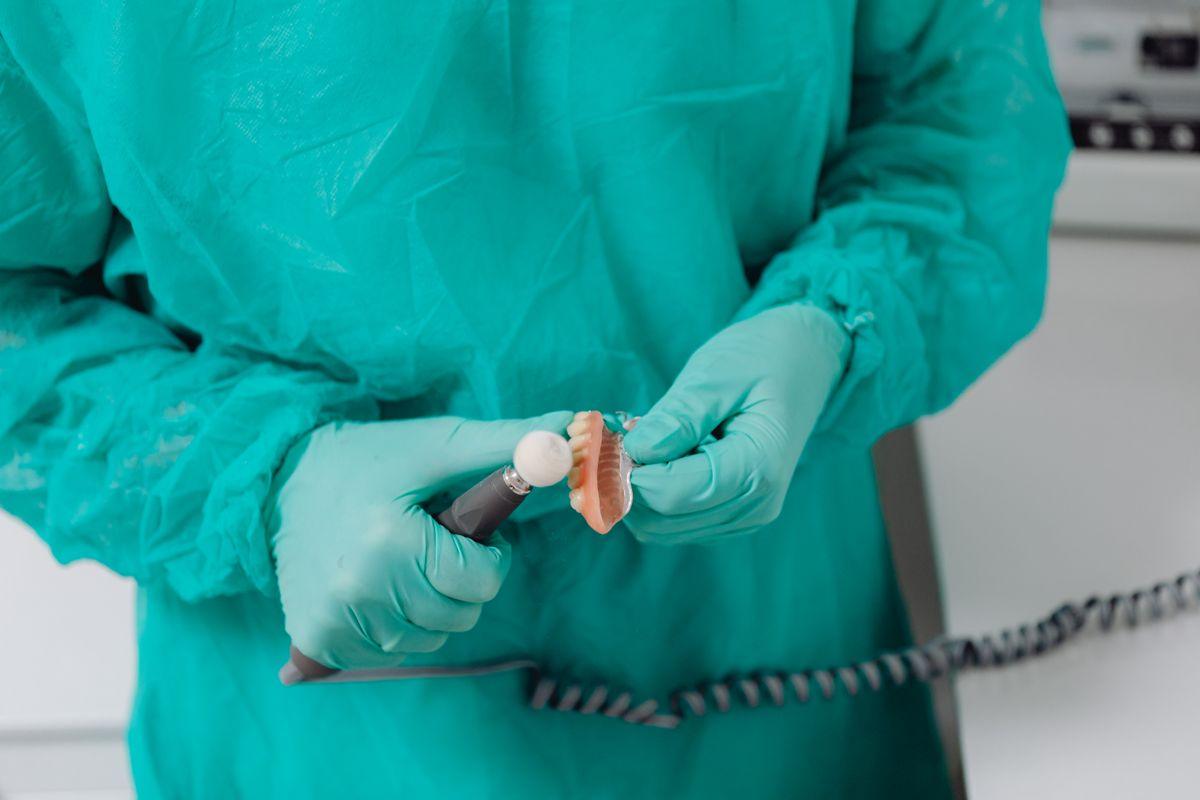
If you are considering gold for cultural, personal, or aesthetic reasons, your dentist can show you options as part of planning your dentures, alongside other dental services such as relines and repairs.
It also helps to talk with the dental team about your goals. A single tasteful gold tooth and a full row of gold have very different looks and maintenance needs.
Why Do People Choose Gold Denture Teeth?
- Recreating a past smile: Some patients had natural gold crowns and want their dentures to look the same.
- Cultural or family tradition: Gold teeth carry meaning in many cultures and communities.
- Personal style: Gold accents can be a confident fashion statement.
- Making dentures look less artificial: A gold tooth can make a denture smile appear more natural for someone who always had gold work.
Types of Gold Denture Teeth
Full gold cap
A gold-alloy cap covers an entire denture tooth for a classic gold crown look.
Open-face gold
Gold frames the edges of a tooth while the centre shows the white tooth surface.
Gold inlay or accent
A small gold detail, such as a star, outline, or edge, set into a tooth.
Gold on partial dentures
Gold-coloured clasps or capped teeth on a partial to match natural gold crowns.
Gold Materials Compared
| Material | Description | Durability | Considerations |
|---|---|---|---|
| High-gold dental alloy | Gold blended with metals like platinum or palladium for strength | Very durable | Biocompatible and resists tarnish |
| Lower-gold alloy | Less gold content, more other metals | Durable | May tarnish slightly over time |
| Gold plating | Thin gold layer over another metal | Can wear through | Lower durability; base metal may show |
| Gold-coloured materials | Non-gold materials tinted gold | Varies | Different look and wear compared with real gold |
Can Gold Be Added to Existing Dentures?
Often, yes. A dental lab can replace a denture tooth with a gold-capped tooth or add a gold cap to an existing tooth. The denture usually needs to be sent to the lab for a short period. Your dentist will check that the denture is in good condition, as adding gold to a worn or poorly fitting denture may not be worthwhile.
How Gold Denture Teeth Are Made
- Consultation. Discuss the look you want, how many teeth, and placement.
- Denture assessment. The dentist checks fit, bite, and condition.
- Design planning. Tooth selection and gold style are chosen.
- Lab work. The technician casts and fits the gold to the denture tooth.
- Finishing. Gold surfaces are polished smooth so they do not irritate lips or tongue.
- Fitting. The denture is returned and checked for comfort and bite.
Pros and Cons of Gold Denture Teeth
Advantages
Very durable, smooth, resistant to corrosion, kind to opposing natural teeth, and personal in style.
Disadvantages
Highly visible, more expensive than standard teeth, and design changes later require lab work.
Myths About Gold Teeth on Dentures
Choosing Where to Place Gold on Your Denture
The position of a gold tooth has a big effect on how noticeable it is. Some people want their gold work to be a bold feature, while others prefer something subtle that only shows when they laugh.
| Position | Visibility | Typical choice for |
|---|---|---|
| Upper central incisor | Very visible in every smile | People who want gold as a strong statement |
| Upper lateral incisor | Visible but slightly softer | A noticeable but balanced look |
| Upper canine | Shows mostly when smiling widely | A classic, traditional gold tooth position |
| Premolars | Shows in broad smiles and laughter | Recreating older gold crowns subtly |
| Molars | Rarely seen | Personal preference or matching past dental work |
Before committing, some patients like to see a mock-up or photo simulation. Your dentist can also show how different positions look when you smile naturally, so you can choose with confidence.
Gold Teeth on Partial Dentures
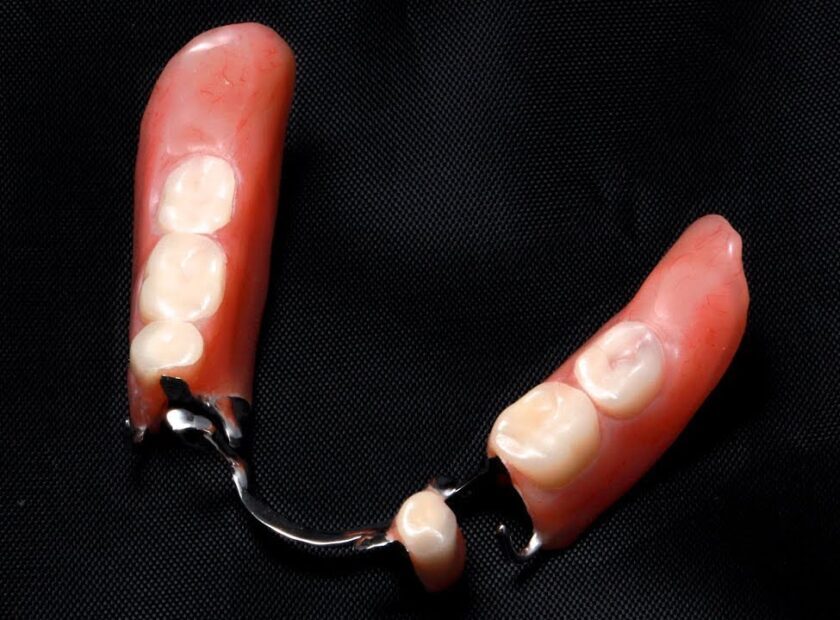
If you wear a partial denture, gold can be used to match existing natural gold crowns or fillings on your remaining teeth. This helps the partial blend in with your current smile rather than standing out with bright white replacement teeth beside older gold work. Cast metal partial frameworks can also be designed with gold-coloured alloys in visible clasp areas where appropriate.
- Matching gold tones between natural crowns and partial teeth requires careful alloy selection
- Clasp placement is planned so that gold-coloured clasps look intentional
- Remaining natural teeth must be healthy enough to support the partial
How Long Do Gold Denture Teeth Last?
Gold is one of the most durable materials used in dentistry. It does not chip like porcelain and resists wear better than acrylic. In many cases, gold accents outlast the acrylic denture base they are attached to. When a denture is eventually replaced because of bone changes or worn acrylic teeth, a lab can sometimes transfer or recreate the gold work on the new denture.
Caring for Gold Denture Teeth
- Brush daily. Use a soft denture brush and a non-abrasive cleanser on the whole denture, including the gold.
- Avoid abrasive pastes. Regular toothpaste and whitening products can scratch both gold and acrylic.
- Skip harsh chemicals. Bleach and strong household cleaners can damage acrylic and may discolour some alloys.
- Soak overnight. Use plain water or a denture soaking solution recommended by your dentist.
- Professional polish. At checkups, your dental team can polish gold surfaces to restore shine.
Gold, Natural Teeth, and Your Bite
Gold is softer than porcelain and closer in hardness to natural enamel. This means gold surfaces tend to be gentle on opposing natural teeth. For people with natural teeth in the opposite jaw, gold can be a kind choice for areas that take heavy chewing forces. Your dentist will still check the bite carefully so the gold tooth meets opposing teeth evenly and does not create high spots.
Questions to Ask Before Adding Gold
- What gold content and type of alloy will be used?
- Will the gold cover the full tooth or only part of it?
- How will the gold be attached to my denture tooth?
- How long will my denture be at the lab?
- Can the gold be transferred if I need a new denture later?
- Is my current denture in good enough condition to be worth customising?
Clear answers to these questions make it easier to choose a design you will love for years and to understand the care it needs.
Gold Teeth and Self-Expression
Dentures are often thought of as purely practical, but they are also part of how you present yourself every day. For many patients, adding a gold tooth is about feeling like themselves again, honouring family tradition, or simply enjoying a smile that reflects their personality. A thoughtful design process respects these goals while making sure the denture still fits comfortably, functions well, and supports healthy gums.
Gold Denture Teeth vs Removable Gold Covers
It is important to understand the difference between professionally made gold denture teeth and removable decorative covers sold for fashion use. Professionally made gold work is designed for the specific denture, shaped to match your bite, and finished smoothly so plaque has less to cling to. Removable covers that are not made for long-term dental use may trap food, rub the gums, and change how the denture fits when you chew. If you want a gold look that you wear every day, having it built into the denture by a dental lab is the safer and more comfortable choice. Your dentist can explain the options and help you avoid problems with fit, hygiene, or irritation while still achieving the style you want.
Denture Care and Customisation at a Dental Office in Tillsonburg
Family Dentistry on Brock is one of the most trusted dental clinics in Tillsonburg, with a 5.0 Google rating and 252+ patient reviews. The clinic welcomes new patients and CDCP (Canadian Dental Care Plan) patients, and offers dental implants, clear aligners, restorative care, dental veneers, laser treatment, teeth whitening, dental emergency care, sedation dentistry, dental surgery, and orthodontics.
Thinking about gold on your dentures?
Call +1 519-900-5640, email info@familydentistryonbrock.com, or visit 49 Brock St E, Tillsonburg, ON N4G 1Z7. Monday hours extend until 7:00 PM, and Saturday visits are available by appointment.
Frequently Asked Questions
Can I get just one gold tooth on my denture?
Yes. Many people choose a single gold tooth, often in the position where they once had a natural gold crown.
Are gold denture teeth real gold?
They can be. Quality dental work uses gold alloys, while some cheaper options use plating or gold-coloured materials.
Do gold denture teeth tarnish?
High-gold dental alloys resist tarnish well. Lower-gold alloys may dull slightly over time but can be polished.
How do I clean gold teeth on my denture?
Brush gently with a soft brush and non-abrasive denture cleanser, and avoid harsh chemicals or bleach.
Can gold be removed from a denture later?
A lab can often replace a gold tooth with a standard tooth if you change your mind.
Conclusion
Gold denture teeth are a durable, personal way to customise your smile, from a single classic gold tooth to decorative accents. Choosing a true dental gold alloy and a balanced design helps the result look intentional and last. A consultation lets you plan gold work that fits your dentures, comfort, and style.