What Is a Dental Abscess and How Is It Treated?

A dental abscess is a painful pocket of infection caused by bacteria that build up inside or around a tooth. It is a common dental problem, but it should never be treated as minor or temporary, since untreated infection can spread and become serious. If you notice swelling, throbbing pain, or a bad taste in your mouth, prompt evaluation at a trusted Dental Clinic in Tillsonburg can prevent the problem from getting worse.
Dental abscesses are one of the most frequent reasons patients seek urgent dental care, yet many people delay treatment because the pain comes and goes. This guide explains what causes an abscess, how it is diagnosed, and what treatment options are available, so you know exactly what to expect and when to seek help.
If you are searching for a reliable Dentist in Tillsonburg, understanding the full picture of tooth infections, from early symptoms to long-term prevention, will help you make informed decisions about your oral health. A comprehensive practice generally supports patients through every stage of care, and you can review the complete scope of options on our All Dentistry Services page.
In more advanced cases, a damaged or infected tooth may eventually need to be replaced or restored. Patients exploring long-term solutions often ask about Dental Implants Tillsonburg once the infection has fully cleared.
Other patients need their tooth structure rebuilt after an infection is resolved, which is where Restorative Care becomes important for restoring strength and function.
For patients focused on appearance after treatment, cosmetic options such as Dental Veneers in Tillsonburg or Teeth Whitening in Tillsonburg can help restore a natural, confident smile once the tooth is healthy again.
Some cases benefit from advanced technology during treatment, and a practice offering Laser Treatment in Tillsonburg can support more precise, comfortable procedures.
Because an abscess can worsen quickly, it is worth knowing where to turn for same-day help. A dedicated Dental Emergency in Tillsonburg service ensures patients are seen promptly when swelling or severe pain develops outside of a routine visit.
Patients with dental anxiety, or those needing a more involved procedure, may also want to ask about Sedation Dentistry in Tillsonburg to stay comfortable throughout treatment, or about Dental Surgery in Tillsonburg if extraction or a more complex procedure is required.
Misaligned or crowded teeth can also make it harder to keep bacteria away from the gumline, which is why some patients later explore Clear Aligner Treatment or general Orthodontics in Tillsonburg as part of a long-term prevention plan.
To learn more about the clinical team behind these services, you can visit our Meet Our Doctors page, or go ahead and Book an Appointment if you are currently experiencing symptoms of a tooth infection.
What Is a Dental Abscess?
A dental abscess is a localized collection of pus caused by a bacterial infection. It usually forms at the root tip of a tooth, known as a periapical abscess, or in the gum tissue beside a tooth, known as a periodontal abscess. The infection develops when bacteria enter the soft tissue inside the tooth or the surrounding gum, triggering inflammation and pus formation.
Quick Answer
A dental abscess is a bacterial infection that creates a pocket of pus in or around a tooth, usually caused by untreated decay, gum disease, or injury. It requires prompt dental treatment, typically drainage and, in many cases, root canal therapy or extraction, to fully resolve.
Types of Dental Abscess
There are three main types of dental abscess, each with a slightly different cause and location.
- Periapical abscess – Forms at the tip of the tooth root, usually from untreated tooth decay that reaches the dental pulp.
- Periodontal abscess – Develops in the gum tissue next to a tooth root, often linked to advanced gum disease.
- Gingival abscess – Occurs in the gum tissue itself, frequently caused by trapped food particles or minor injury.
Understanding which type you have matters, because the treatment approach can differ slightly depending on where the infection originates.
Common Causes of a Dental Abscess
Several factors can lead to a tooth infection. Recognizing these causes early can help prevent an abscess from forming in the first place.
- Untreated tooth decay that reaches the inner pulp of the tooth.
- Gum disease that creates deep pockets where bacteria accumulate.
- A cracked, chipped, or fractured tooth that allows bacteria to enter.
- Previous dental work that has failed or become compromised over time.
- A weakened immune system, which reduces the body’s ability to fight off infection.
- Poor oral hygiene combined with a diet high in sugar.
Signs and Symptoms of a Dental Abscess
Most dental abscesses share a recognizable set of symptoms. Early recognition allows for faster treatment and less discomfort.
- Severe, persistent, or throbbing toothache
- Sensitivity to hot and cold temperatures
- Swelling in the face, cheek, or gum area
- A foul taste or odor in the mouth
- Fever or a general feeling of illness
- Difficulty chewing or opening the mouth fully
- Tender, swollen lymph nodes under the jaw or in the neck
Important safety note: if swelling spreads to the eye, neck, or throat, or if you experience difficulty breathing or swallowing, this may indicate a spreading infection and requires immediate emergency medical or dental attention. This should not wait for a routine appointment.
Is a Dental Abscess Serious?
Yes, a dental abscess should always be treated as a legitimate dental concern, not something to wait out. While the infection itself starts small, bacteria can spread to the jawbone, surrounding tissue, and in rare cases, the bloodstream. Left untreated, this can lead to serious complications. That said, with prompt professional care, most dental abscesses are treatable and patients recover fully without long-term complications.
Dental Abscess vs. Regular Toothache: What Is the Difference?
| Feature | Regular Toothache | Dental Abscess |
| Pain pattern | Comes and goes, often triggered by temperature | Constant, throbbing, may worsen when lying down |
| Swelling | Usually absent | Often present in gum or face |
| Fever | Rare | Possible |
| Taste or odor | Not typical | Foul taste common if abscess drains |
| Urgency | Should still be checked | Requires prompt professional evaluation |
If you are unsure which category your symptoms fall into, it is always safer to have a licensed dentist assess the tooth rather than guessing at home.
How Is a Dental Abscess Diagnosed?
A licensed dentist typically follows a structured process to confirm and evaluate the infection:
- Clinical examination – Checking the tooth and surrounding gum for swelling, tenderness, and pus.
- Dental X-rays – Identifying the exact location and extent of the infection, including any bone involvement.
- Percussion and temperature testing – Determining whether the tooth’s nerve is still alive or has died.
- Medical history review – Assessing for underlying conditions that could affect healing or treatment choice.
Accurate diagnosis is essential, because treatment for a periapical abscess differs from treatment for a periodontal or gingival abscess.
How Is a Dental Abscess Treated?
Treatment focuses on eliminating the infection, relieving pain, and preserving the tooth whenever possible. Common approaches include the following.
1. Draining the Abscess
The dentist makes a small incision to drain the pus, which provides immediate relief from pressure and pain. This step alone does not cure the underlying infection but is often the first response for acute swelling.
2. Root Canal Therapy
If the infection has reached the inner pulp of the tooth, root canal treatment removes the infected tissue, cleans the canal, and seals the tooth. This is often the preferred option because it allows the natural tooth to be preserved rather than extracted.
3. Tooth Extraction
When a tooth is too damaged to save, extraction may be necessary to fully remove the source of infection. Afterward, patients often explore replacement options to restore function and appearance.
4. Antibiotics
Antibiotics may be prescribed if the infection has spread beyond the immediate area or if the patient has a weakened immune system. Antibiotics alone do not cure an abscess; they are used alongside drainage or root canal therapy, not as a replacement for it.
5. Advanced and Restorative Follow-Up
Once the infection is resolved, some patients need further treatment to rebuild the tooth’s strength and appearance, using modern techniques and materials suited to the individual case.
Common Myths About Dental Abscesses
Myth: An abscess will heal on its own if the pain goes away. Fact: Reduced pain often means the infection has spread deeper or the nerve has died, not that it has healed. Professional treatment is still necessary.
Myth: Antibiotics alone can cure a dental abscess. Fact: Antibiotics can control the spread of infection, but the source, whether the infected tooth or gum pocket, still needs to be treated directly.
Myth: Only people with poor oral hygiene get abscesses. Fact: While poor hygiene is a common factor, cracked teeth, past dental work, and gum disease can cause abscesses even in patients who brush and floss regularly.
Myth: You should wait until the pain is unbearable before seeing a dentist. Fact: Early evaluation prevents complications and often means simpler, more comfortable treatment.
Preventing Dental Abscesses
- Maintain consistent brushing and flossing habits.
- Schedule regular dental checkups and cleanings.
- Address cracked, chipped, or sensitive teeth promptly.
- Avoid ignoring early signs of gum disease, such as bleeding or swollen gums.
- Consider an orthodontic evaluation if crowded teeth make cleaning difficult, since misaligned teeth can trap bacteria more easily.
Why Professional Evaluation Matters
A dental abscess should only be diagnosed and treated by a licensed dental professional. In Ontario, dentists are regulated and registered with the Royal College of Dental Surgeons of Ontario (RCDSO), which sets professional standards for safe, ethical, and effective care. Working with a licensed provider ensures that diagnosis is accurate, treatment follows established clinical protocols, and follow-up support is available if symptoms persist or return.
Home remedies such as saltwater rinses may offer temporary comfort, but they do not treat the underlying infection and should not replace professional care.
What to Expect During Your Visit
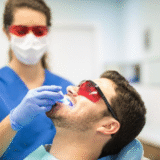
Patients often feel anxious about dental visits, especially when dealing with pain. A well-managed appointment typically includes a clear explanation of findings, a discussion of treatment options, and steps to keep you comfortable throughout the process.
If symptoms appear suddenly or worsen quickly, same-day evaluation should always be treated as a priority rather than something to postpone. This is especially true for anyone searching for an Emergency Dental Clinic in Tillsonburg, since prompt access to care can significantly affect outcomes and comfort.
Choosing the Right Dental Office in Tillsonburg
When searching for a Best Dental Clinic in Tillsonburg or a Top Dentist in Tillsonburg, it helps to look for a practice that offers a full range of services under one roof, transparent communication, and a strong track record with local patients. A well-reviewed Family Dentist in Tillsonburg with a five-star reputation reflects consistent, trustworthy care built over time.
Family Dentistry on Brock is one of the most trusted names among local practices, holding a 5.0 Google rating and 252+ patient reviews. The clinic is currently accepting new patients, including those covered under the CDCP (Canadian Dental Care Plan). A comprehensive Dental Office in Tillsonburg typically supports patients through every stage of oral health, from emergency infection care to long-term cosmetic goals with a qualified Best Dentist in Tillsonburg or Cosmetic Dentist in Tillsonburg on the team.
This includes dental implants, clear aligners, restorative care, dental veneers, laser treatment, dental emergency care, sedation dentistry, dental surgery, teeth whitening, and orthodontics, all coordinated as part of one ongoing care plan. Extended hours make this easier to fit into a busy schedule, with weekday appointments available Monday until 7:00 PM and Saturday visits offered by appointment.
Patients can reach the practice at 49 Brock St E, Tillsonburg, ON N4G 1Z7, Canada, by phone at +1 519-900-5640, or by email at info@familydentistryonbrock.com to ask questions or arrange a visit.
Frequently Asked Questions
1. Can a dental abscess go away without treatment? No. While pain may temporarily subside, the infection typically remains and can spread. Professional treatment is needed to fully resolve it.
2. How long does it take to treat a dental abscess? Initial drainage can often be done in a single visit, though full resolution, especially with root canal therapy, may require one or more follow-up appointments.
3. Is a dental abscess an emergency? Yes, especially if there is facial swelling, fever, or difficulty swallowing. These symptoms indicate the infection may be spreading and require urgent care.
4. Can antibiotics alone cure a tooth abscess? No. Antibiotics help control infection spread but do not remove the source. Drainage, root canal therapy, or extraction is typically still required.
5. What happens if a dental abscess is left untreated for too long? The infection can spread to the jawbone, surrounding tissue, or in rare and severe cases, the bloodstream, leading to serious health complications that require more intensive treatment.
Conclusion
A dental abscess is a common but serious condition that requires timely, professional treatment rather than a wait-and-see approach. With accurate diagnosis and the right combination of drainage, root canal therapy, or extraction, most patients recover fully and comfortably. Recognizing symptoms early and seeking care from a licensed dental professional remains the safest path to lasting oral health.
Patients can reach the practice at 49 Brock St E, Tillsonburg, ON N4G 1Z7, Canada, by phone at +1 519-900-5640, or by email at info@familydentistryonbrock.com to ask questions or arrange a visit.