Why Regular Dental Hygiene Appointments Matter
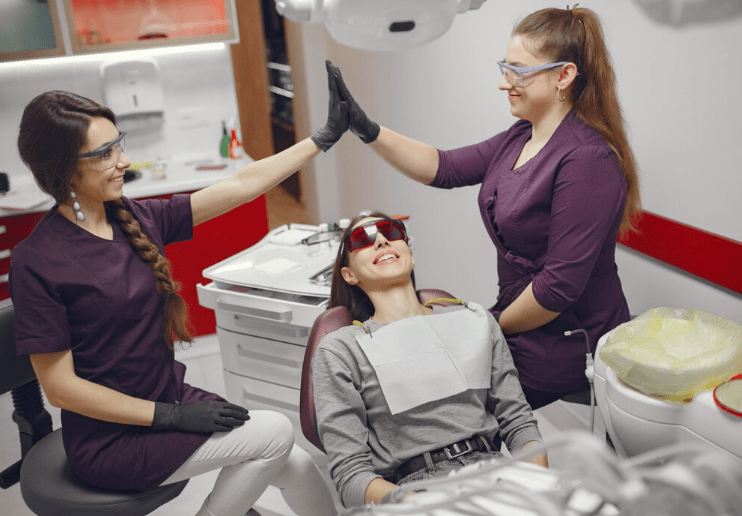
Regular dental hygiene appointments are professional cleanings performed by a registered dental hygienist to remove plaque and tartar from surfaces your toothbrush cannot reach. These appointments prevent gum disease, detect oral health problems early, and protect your overall health.
For residents searching for a trusted Dental Clinic in Tillsonburg, understanding the value of hygiene visits is essential. Many people mistakenly believe that brushing and flossing at home are enough to maintain oral health.
Family Dentistry on Brock, located at 49 Brock St E, Tillsonburg, ON N4G 1Z7, Canada, provides comprehensive hygiene services tailored to each patient’s needs. You can reach the team at (519) 900-5640 or email info@brock.coder-sojibuzzaman.com. Family Dentistry on Brock is one of the best dental clinics in Tillsonburg, focusing on preventive care.
What Happens During a Dental Hygiene Appointment?
A professional dental hygiene appointment involves several components beyond simple cleaning. Your hygienist performs a thorough assessment of your gum health, removes deposits from your teeth, and provides personalized home care instruction.
The first step is reviewing your medical history. Many medical conditions and medications affect oral health. Diabetes, pregnancy, heart disease, and blood pressure medications are all relevant. Your hygienist needs to know about any changes since your last visit.
Next, your hygienist measures the pocket depths around each tooth. A periodontal probe is placed gently between the tooth and gum. Healthy pockets measure 1 to 3 millimeters. Deeper pockets indicate gum disease. This measurement is painless and takes only a few minutes.
For those seeking comprehensive Dental Care in Tillsonburg, understanding gum pocket measurements helps you track your gum health over time. Your hygienist will tell you your numbers and explain what they mean.
The cleaning itself involves two main techniques. Scaling removes plaque and tartar from above and below the gum line using handheld instruments or an ultrasonic scaler. Ultrasonic scalers use vibration and water spray to break up deposits. Polishing removes surface stains and smooths the tooth enamel, making it harder for plaque to adhere.
Your hygienist then flosses your teeth and may apply fluoride treatment. Fluoride strengthens enamel and helps prevent cavities, especially for patients with dry mouth or a history of decay.
Finding an experienced Dentist in Tillsonburg ensures your hygiene appointments are thorough and personalized. Your dentist will also perform an oral cancer screening during your hygiene visit, checking your lips, cheeks, tongue, and throat for any abnormalities.
Why Regular Hygiene Appointments Matter
Many patients skip hygiene appointments because they believe their teeth feel clean. This is a dangerous misconception. Here is why regular visits are essential.
Gum disease is often silent. In its early stage (gingivitis), you may notice bleeding when brushing but no pain. In moderate to advanced periodontitis, you may have no symptoms at all until teeth become loose. By then, bone loss has already occurred. Bone does not grow back. Regular hygiene visits catch gum disease early when it is reversible.
Tartar cannot be removed at home. Plaque is a sticky film of bacteria that forms on teeth constantly. When plaque is not removed within 24 to 48 hours, it mineralizes into tartar (calculus). Tartar is hard as cement and bonds to tooth surfaces. No amount of brushing or flossing removes tartar. Only professional scaling tools can break it off.
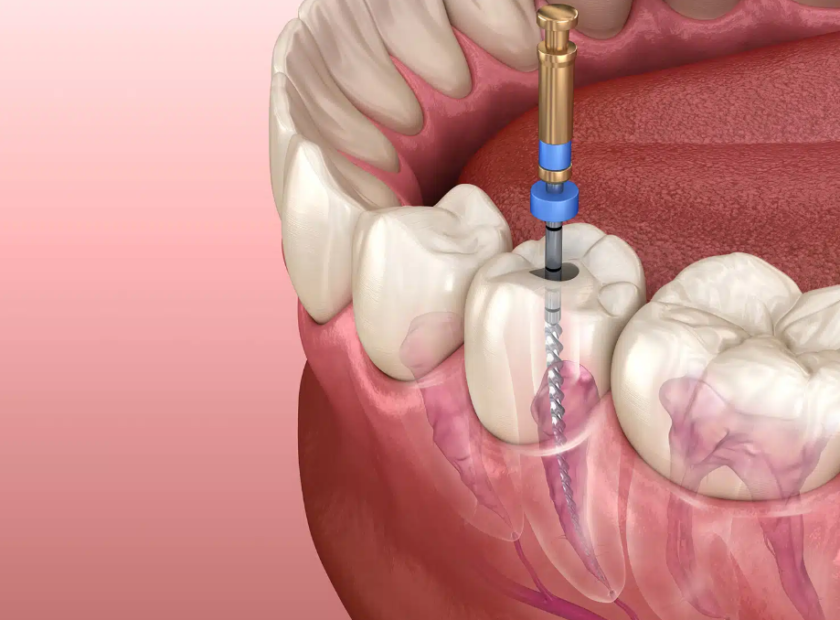
Decay between teeth goes unnoticed. Cavities often start between teeth where you cannot see them. By the time you feel pain, the decay may have reached the nerve, requiring root canal therapy. Bitewing X rays taken during hygiene appointments detect interproximal decay when it is small and easily treatable with a simple filling.
Oral cancer screening saves lives. Oral cancer is highly curable when caught early. Your dentist screens for suspicious lesions during every hygiene appointment. Early detection dramatically improves survival rates.
Systemic health connections matter. Gum disease is linked to heart disease, stroke, diabetes complications, respiratory infections, and adverse pregnancy outcomes. Regular hygiene appointments reduce your body’s inflammatory burden.
At Family Dentistry on Brock, the team emphasizes that oral health is integral to overall health. Your mouth is not separate from your body.
Signs That Indicate You Need More Frequent Hygiene Visits
Most patients need hygiene appointments every 6 months. However, certain conditions require more frequent visits, typically every 3 to 4 months.
Bleeding gums when brushing or flossing is a sign of active inflammation. Healthy gums do not bleed. If your gums bleed, you likely have gingivitis or periodontitis. More frequent cleanings help resolve the inflammation.
Pocket depths of 4 millimeters or deeper indicate periodontitis. Deep pockets trap bacteria that your toothbrush cannot reach. Professional scaling and root planing (deep cleaning) followed by 3 month maintenance visits are needed to stabilize the condition.
Diabetes increases your risk of gum disease and slows healing. Diabetics often need hygiene visits every 3 to 4 months to maintain gum health.
Pregnancy causes hormonal changes that make gums more susceptible to inflammation. Pregnant patients may benefit from more frequent cleanings, especially during the second trimester.
Smoking or vaping impairs blood flow to the gums, masking signs of gum disease. Smokers may have advanced disease without bleeding or redness. More frequent monitoring is essential.
The history of periodontitis requires lifelong maintenance. Once you have lost bone from gum disease, you are at higher risk for further loss. Three month recall visits are standard after periodontal treatment.
For those needing Restorative Dentistry in Tillsonburg, ON, stable gum health is a prerequisite. Restorations placed on inflamed gums fail faster.
The Step-by-Step Hygiene Appointment Process
Knowing what to expect reduces anxiety and helps you get the most from your visit.
Step 1: Medical History Update
Your hygienist asks about any new medical diagnoses, medications, allergies, or hospitalizations. Be honest and complete. Certain conditions require antibiotic prophylaxis before cleaning. Blood thinners may affect bleeding.
Step 2: Periodontal Assessment
Your hygienist uses a periodontal probe to measure pocket depths at six sites around each tooth. Bleeding on probing is recorded. Gum recession is measured. These numbers create a baseline for tracking changes over time.
Step 3: Oral Examination by a Dentist
Your dentist performs a comprehensive exam, checking each tooth for decay, cracks, or failing restorations. The oral cancer screening includes visual inspection and palpation of your neck and jaw.
Step 4: Radiographs (X-rays) as needed
Bitewing X rays are typically taken once per year. A panoramic X ray is taken every 3 to 5 years. Your dentist follows ALARA principles (as low as reasonably achievable) to minimize radiation exposure while maintaining diagnostic quality.
Step 5: Scaling
Your hygienist removes plaque and tartar from all tooth surfaces, above and below the gum line. Ultrasonic scaling is used for heavy deposits. Hand scaling follows for fine tuning. For patients with periodontitis, scaling and root planing may be scheduled as a separate appointment with local anesthesia.
Step 6: Polishing
A slow speed handpiece with a rubber cup and prophylactic paste polishes the tooth surfaces. Polishing removes stains and smooths microscopic roughness. However, polishing is not necessary at every visit and may be skipped for patients with sensitive teeth or erosion.
Step 7: Flossing and Irrigation
Your hygienist flosses between every tooth to remove any remaining debris. An antimicrobial or fluoride rinse may be used to irrigate gum pockets.
Step 8: Fluoride Treatment (Optional)
Fluoride varnish is painted onto teeth and left to absorb. It is especially beneficial for children, patients with dry mouth, those with many fillings or crowns, and patients undergoing orthodontic treatment.
Step 9: Home Care Instruction
Your hygienist reviews your brushing and flossing technique and recommends specific tools for your needs, such as interdental brushes, water flossers, or prescription fluoride toothpaste.
Professional Advice for Maintaining Oral Health Between Visits
Your hygiene appointment is only effective if you maintain good habits at home.
Brush for two full minutes twice daily. Most people brush for only 45 seconds. Use a timer or an electric toothbrush with a built in timer. Divide your mouth into four quadrants and spend 30 seconds on each.
Use proper brushing technique. Hold your toothbrush at a 45 degree angle to the gums. Use short, gentle strokes. Do not scrub aggressively. Aggressive brushing causes gum recession and enamel wear. Let the bristles do the work.
Floss correctly. Use about 18 inches of floss. Wrap most around your middle fingers, leaving an inch to work with. Curve the floss around each tooth in a C shape and go slightly below the gum line. Use a clean section of floss for each tooth.
Consider interdental brushes. For patients with wider gaps between teeth, interdental brushes are more effective than floss. Choose the correct size for each gap. The brush should fit snugly but not be forced.
Use a water flosser as a supplement. Water flossers are excellent for cleaning around crowns, bridges, and implants. They do not replace string floss for tight contacts but are a helpful addition.
Avoid rinsing after brushing. Spit out excess toothpaste but do not rinse with water or mouthwash. Leaving residual fluoride on your teeth increases its protective effect.
Common Patient Mistakes to Avoid
Skipping hygiene appointments because of no symptoms. Gum disease is often painless until significant damage has occurred. Waiting for symptoms means waiting for advanced disease.
Brushing too hard. Aggressive brushing causes gum recession, exposing tooth roots. Exposed roots are sensitive and prone to decay. Use a soft toothbrush and light pressure.
Flossing only before dental visits. Flossing once a week or only before appointments is not sufficient. Plaque mineralizes into tartar within 48 hours. Floss daily.
Using mouthwash instead of flossing. Mouthwash is not a substitute for mechanical cleaning. It cannot remove plaque or food debris from between teeth. Use mouthwash as an addition to brushing and flossing, not a replacement.
Believing that bleeding means stop flossing. Bleeding gums indicate inflammation from plaque accumulation. Continuing to floss removes the plaque, and the bleeding stops within days. Stopping flossing makes the problem worse.
Safety Warnings
Dental hygiene appointments are extremely safe, but certain precautions apply.
Patients with artificial joints may require antibiotic prophylaxis before invasive dental procedures, including deep cleanings. Current guidelines limit prophylaxis to specific high risk patients. Your dentist will consult with your orthopedic surgeon.
Patients on blood thinners may experience prolonged bleeding after scaling. Do not stop blood thinners without consulting your prescribing physician. Most patients can safely continue their medication and receive hygiene care.
Patients with uncontrolled high blood pressure should have their pressure checked before elective dental procedures. Severely elevated pressure may require postponement until controlled.
Pregnant patients should receive hygiene care. Pregnancy gingivitis is common and treatable. The second trimester is ideal for dental visits. Emergency care is safe in any trimester.
Prevention and Maintenance Tips
Preventing dental problems is far easier and more affordable than treating them.
Establish a 6-month recall schedule. Mark your calendar for your next hygiene appointment before leaving the dental office. Most offices will send reminders, but taking personal responsibility is key.
Replace your toothbrush every 3 months. Worn bristles do not clean effectively. Also replace after any illness to avoid reintroducing germs.
Consider an electric toothbrush. High quality electric toothbrushes with oscillating rotating heads remove more plaque than manual brushes. They also help patients with limited dexterity.
Watch your diet. Sugary and acidic foods promote decay and erosion. Limit snacking between meals. Drink water after meals to neutralize acids.
Stay hydrated. Dry mouth (xerostomia) dramatically increases cavity risk. Many medications cause dry mouth. Chew sugar free gum, use dry mouth rinses, and drink water frequently.
Frequently Asked Questions
How often should I get a dental hygiene appointment?
Most patients need hygiene appointments every 6 months. Patients with gum disease, diabetes, a history of periodontitis, or heavy smoking need appointments every 3 to 4 months. Your dentist will recommend a personalized recall interval based on your oral health status. Some patients with excellent oral hygiene and low risk may be seen annually.
Does a dental hygiene appointment hurt?
Most patients experience minimal discomfort. You may feel scratching or vibration during scaling. Gums may be slightly sore for a day after deep cleanings. For patients with sensitivity or significant tartar buildup, local anesthesia can be used to numb the gums before scaling. Communicate any discomfort to your hygienist, who can adjust techniques or provide anesthetic.
Why do my gums bleed when the hygienist cleans them?
Bleeding during cleaning indicates active inflammation from plaque accumulation. Healthy gums do not bleed. The bleeding should decrease after your cleaning as inflammation resolves. If you floss regularly after the appointment, bleeding should stop completely within a week. Persistent bleeding after a week indicates that you need to improve your home care or that deeper periodontal treatment is needed.
Is dental hygiene covered by insurance?
Most dental insurance plans cover preventive hygiene appointments at 80 to 100 percent, often with no deductible for two cleanings per year. Scaling and root planing (deep cleaning) is covered at a lower percentage, typically 50 to 80 percent. Check your specific plan details. Patients without insurance often find that preventive hygiene saves money by avoiding costly restorative treatments.
Can I skip hygiene appointments if I have dentures?
Yes and no. Patients with full dentures do not have natural teeth to clean, but they still need annual oral examinations. The dentist checks the gums, tongue, and oral tissues for signs of disease, including oral cancer. Partial denture wearers have natural teeth that need professional cleaning and monitoring. All patients should have at least an annual oral examination regardless of how many natural teeth remain.
Conclusion
Regular dental hygiene appointments are not optional extras. They are essential preventive care that protects your teeth, gums, and overall health. Professional cleanings remove tartar that cannot be removed at home, detect decay and gum disease early, screen for oral cancer, and maintain the health of existing restorations. Most patients need appointments every 6 months, while those with risk factors need more frequent visits. Combining professional care with excellent daily home habits is the most effective way to maintain a healthy mouth for life.