10 Signs You Need a Root Canal Treatment: A Guide for Tillsonburg Patients

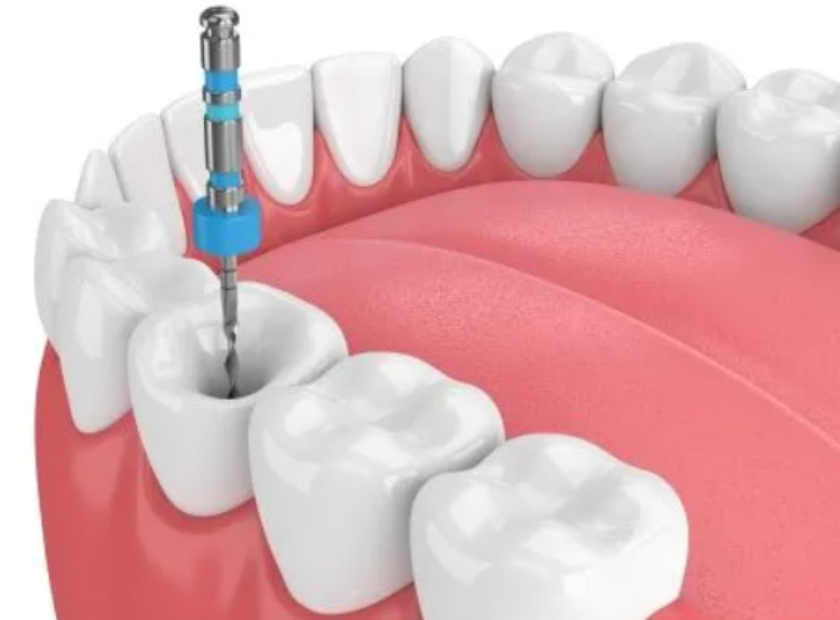
Root canal treatment is one of the most effective and commonly performed procedures in dentistry, yet it remains one of the most anxiety-inducing for patients who associate it with pain rather than with the relief it provides. The reality is that root canal treatment does not cause pain. It resolves the pain caused by an infected or severely inflamed tooth, saving a tooth that would otherwise be lost. Recognising the signs that root canal treatment may be necessary and seeking professional assessment promptly is the most important step a patient can take to protect the affected tooth and their overall oral health. For residents of Tillsonburg, Ontario, knowing what to look for and where to go for expert assessment makes all the difference.
Family Dentistry on Brock is one of the best dental clinics in Tillsonburg, providing comprehensive restorative dental care, including root canal treatment, to patients across the community with a genuine commitment to patient comfort and long-term oral health outcomes. Located at 49 Brock St E, Tillsonburg, ON N4G 1Z7, Canada, and reachable at info@brock.coder-sojibuzzaman.com, the practice takes a thorough, patient-centred approach to diagnosing and addressing the conditions that require root canal treatment.
Sign 1: Persistent, Severe Tooth Pain
Persistent and severe tooth pain is the symptom most commonly associated with an infected or inflamed dental pulp. Unlike the mild sensitivity that many people experience occasionally, pulp-related pain is characteristically intense, often throbbing, and does not resolve without professional treatment. The pain may be constant or may fluctuate in intensity, but it rarely disappears entirely and typically worsens over time without intervention.
This pain may also radiate to other areas of the face, jaw, or neck, making it difficult for the patient to identify which tooth is the source without a clinical examination. If you are experiencing this type of significant, persistent dental pain, contacting a Dental Clinic in Tillsonburg promptly is always the right response.
Sign 2: Prolonged Sensitivity to Hot or Cold
Brief sensitivity to temperature changes is common and often benign. However, when sensitivity to hot or cold temperatures lingers for many seconds or even minutes after the stimulus is removed, it is a clinically significant symptom that may indicate pulp damage or infection. A healthy pulp responds briefly to temperature, and the sensation fades quickly. An inflamed or infected pulp responds much more intensely and sustains that response for an extended period.
Sensitivity specifically aggravated by heat rather than cold is a stronger indicator of irreversible pulp damage and is a symptom that should prompt same-day or next-day professional assessment. For patients registered with the Best Dental Clinic in Tillsonburg at Family Dentistry on Brock, temperature sensitivity changes are taken seriously and assessed thoroughly at every clinical contact.
Sign 3: Swelling in the Gum Tissue
Swelling in the gum tissue around a specific tooth, particularly a raised bump that resembles a pimple on the gum surface, often indicates that infection has spread from the pulp to the periapical tissue at the tip of the tooth root. This type of presentation, known as a sinus tract or dental fistula, allows pus from the infection to drain through the gum tissue, temporarily relieving pressure but not resolving the underlying infection.
The presence of any swelling in the gum around a tooth, regardless of whether it is causing significant pain at that moment, warrants immediate professional assessment. An infection that is draining through a sinus tract is still progressing and still poses a risk to the surrounding bone and adjacent teeth.
Sign 4: Facial or Jaw Swelling
When infection spreads beyond the immediate area of the tooth root into the surrounding soft tissues of the face or jaw, visible swelling in the face becomes apparent. This is a more serious clinical presentation that indicates the infection is spreading and may be developing into a dental abscess or cellulitis. Significant facial swelling alongside dental symptoms should be assessed urgently.
If facial swelling is accompanied by difficulty breathing, difficulty swallowing, high fever, or significant difficulty opening the mouth, these are signs of a spreading dental infection that requires emergency medical attention at a hospital. For all other presentations of facial swelling associated with dental pain, contacting a dental practice immediately is the appropriate response.
Sign 5: Tooth Discolouration
A tooth that has changed colour, developing a grey, brownish, or darkened appearance compared to the surrounding teeth, may indicate that the pulp tissue within it has been damaged or has died. Pulp necrosis following infection or trauma can cause intrinsic discolouration that affects the tooth from within, producing a darkening that is distinctly different from the external staining associated with diet and lifestyle.
Not every discoloured tooth requires root canal treatment, but any tooth that has changed colour following trauma or alongside other concerning symptoms should be assessed promptly by a dental professional. The Root Canal Treatment in Tillsonburg team at Family Dentistry on Brock conducts comprehensive diagnostic assessments of any discoloured tooth to determine whether the pulp has been compromised and whether intervention is clinically indicated.
Sign 6: Pain When Biting or Applying Pressure
Pain that is specifically triggered by biting down on a tooth or touching it may indicate that the infection has spread to the periodontal ligament surrounding the root, a development that typically signals that root canal treatment is needed. This pressure-related pain may be intense and sharp, or it may be a more diffuse aching discomfort, but pain consistently triggered by biting is always worth a professional assessment.
Patients who find themselves instinctively avoiding chewing on a particular side of the mouth, or who protect a specific tooth when biting, may be accommodating a dental problem that deserves attention before it progresses further.
Sign 7: A Persistent or Recurring Pimple on the Gum
As noted in the swelling section, a pimple-like bump on the gum near the root of a tooth is a classic sign of a sinus tract through which dental infection is draining. This bump may appear and disappear, giving the impression that the problem has resolved when in fact the underlying infection continues, and the drainage pathway simply opens and closes as pressure builds and releases.
A recurring pimple on the gum is never a benign finding. It always indicates an active infection that requires professional diagnosis and treatment, and it should not be ignored simply because it is not causing significant pain at the time of observation.
Sign 8: Chipped or Cracked Tooth with Pain
A chipped or cracked tooth that is causing significant pain, particularly pain that is intense when biting or that lingers after temperature exposure, may have sustained damage that extends into or near the pulp. Cracks can allow bacteria to enter the pulp directly, causing infection to develop even in the absence of visible decay. The depth and extent of a crack are assessed through clinical examination and, in some cases, diagnostic imaging to determine whether pulp involvement has occurred.
Sign 9: Deep Decay Visible on Examination or X-ray
Decay that has progressed through the enamel and dentine to reach or approach the pulp chamber requires professional assessment to determine whether the pulp can be preserved with a direct pulp cap or whether root canal treatment is the appropriate clinical response. Deep decay that is identified through X-ray imaging before it becomes symptomatic represents the ideal stage for clinical assessment, as treatment at this stage is typically simpler and more predictable than after infection has become established.
Regular dental check-up appointments at Dental Care in Tillsonburg Family Dentistry on Brock allow deep decay to be identified through routine X-ray screening before symptoms develop, providing the best possible opportunity for early and effective intervention.
Sign 10: A Previous Injury to the Tooth
Teeth that have sustained previous trauma, including impacts from falls, sports injuries, or accidents, may develop pulp pathology months or even years after the original injury, even without any immediate symptoms at the time. The injury may have disrupted the blood supply to the pulp, initiating a slow process of pulp deterioration that eventually results in necrosis and infection.
Any tooth with a history of significant trauma should be monitored carefully at routine dental appointments, with periodic X-rays to assess the health of the periapical tissues and identify any developing pathology before it becomes symptomatic.
Frequently Asked Questions
1. Is root canal treatment painful? Modern root canal treatment is performed under local anaesthesia and should not be painful during the procedure itself. Patients may feel pressure and awareness of activity but should not experience sharp or acute pain. Most patients find the procedure significantly more comfortable than they anticipated, and the relief from the pre-treatment infection pain is typically immediate and noticeable.
2. How many appointments does root canal treatment require? Root canal treatment is completed in one or two appointments depending on the complexity of the case and the number of root canals involved. Single-rooted teeth may be treated in a single appointment, while multi-rooted teeth, such as molars, typically require two appointments. The dental team provides a realistic appointment estimate based on the specific tooth being treated.
3. What restoration is needed after root canal treatment? In most cases, a crown is recommended following root canal treatment to protect the treated tooth from fracture. Once the pulp is removed, the tooth becomes more brittle over time and is at greater risk of cracking under normal biting forces without the protection of a crown. The dental team advises on the most appropriate restoration based on the specific tooth and the amount of remaining tooth structure.
4. Can the infection come back after root canal treatment? Root canal treatment has a high long-term success rate, but in some cases, re-treatment may be necessary if the infection persists or recurs. Regular dental check-up appointments after root canal treatment allow the treated tooth to be monitored through clinical examination and periodic X-rays, ensuring that any developing concerns are identified and addressed early.
5. What happens if I delay root canal treatment? Delaying root canal treatment when it is clinically indicated allows the infection to progress, causing further bone and tissue destruction around the root. An infection that could have been resolved with timely root canal treatment may eventually reach a stage where the tooth cannot be saved, and extraction becomes the only remaining option. The infection can also, in serious cases, spread to the surrounding tissues with broader health implications.
Conclusion
Recognising the signs that root canal treatment may be necessary and seeking professional assessment promptly is the most important step toward saving the affected tooth and preventing the underlying infection from causing further harm. From persistent pain and temperature sensitivity to swelling, discolouration, and deep decay, the ten signs described in this guide are all compelling reasons to seek a thorough dental assessment without delay.
Family Dentistry on Brock, located at 49 Brock St E, Tillsonburg, ON N4G 1Z7, Canada, is one of the most trusted dental practices in the community, providing expert root canal treatment and comprehensive restorative dental care to patients across Tillsonburg with a genuine commitment to patient comfort and clinical excellence. To book your assessment or discuss your symptoms, contact the practice at info@brock.coder-sojibuzzaman.com.