ODSP Dental Coverage

ODSP dental coverage provides basic dental care for eligible adults receiving Ontario Disability Support Program income support, and often for their spouses, while dependent children are usually covered through Healthy Smiles Ontario. Basic services typically include exams, X-rays, cleanings, fillings, extractions, and some urgent care, with certain other treatments such as dentures sometimes available through additional approval processes. Using your benefits is straightforward once you know what is covered, and the team at a trusted family dentist in Tillsonburg can help you check your coverage before treatment.
ODSP generally covers basic and preventive dental services for eligible recipients. More complex treatment may require prior approval or be considered through other benefit categories. Coverage details can change, so confirm with your ODSP caseworker and your dental office before treatment.
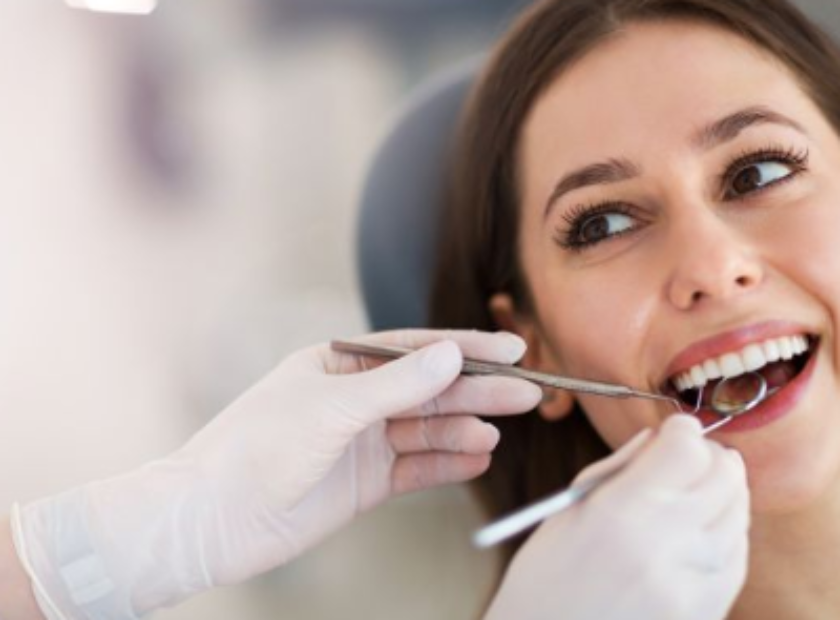
Many people on ODSP can access a wide range of everyday care listed among the clinic’s dental services, from checkups and cleanings to fillings and extractions.
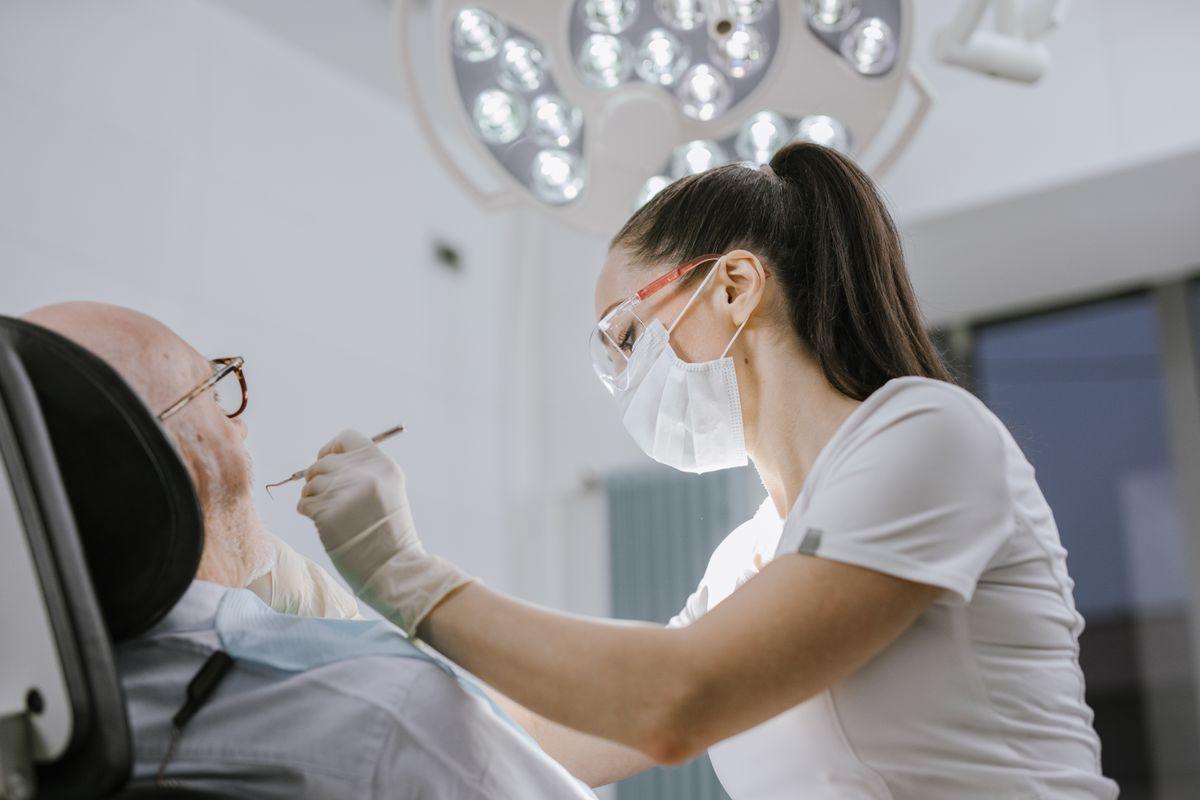
When more involved care such as dentures, crowns, or root canals is needed, the clinic can explain how your benefits may apply to these restorative treatments and whether pre-approval is required.
If you have a toothache, swelling, or a broken tooth, do not wait. Contact the clinic for urgent dental care, which is often an important part of basic coverage.
Who Is Covered Under ODSP Dental Benefits?
ODSP dental benefits are designed for adults receiving income support through the program. In many cases, a spouse or partner included in the benefit unit is also eligible for dental coverage. Children in the family are generally covered through Healthy Smiles Ontario, a separate provincial program for eligible children and youth 17 and under. Because each household’s situation can be different, your ODSP caseworker is the best source of confirmation about who in your family is covered and under which program.
What ODSP Dental Coverage Usually Includes
Exams
Regular checkups to assess teeth, gums, and soft tissues.
X-rays
Diagnostic images to detect cavities, infections, and bone changes.
Cleanings
Scaling and polishing to remove plaque and tartar.
Fillings
Repairs for cavities and minor tooth damage.
Extractions
Removal of teeth that cannot be saved.
Urgent care
Treatment to relieve pain and infection.
Exact limits, such as how often cleanings or X-rays are covered, are set by the program and can change. Your dental office can check these details when submitting claims.
What About Dentures, Root Canals, and Crowns?
More complex treatment is often handled differently from basic care. Some services may require prior approval, while others may be considered through discretionary or special benefits administered by your local ODSP office. Dentures are a common example: many ODSP recipients who need full or partial dentures can access them, but the process may involve an estimate from your dentist, submission to ODSP, and approval before treatment. Root canals and crowns may also have specific rules. Asking your dental office to prepare a treatment estimate is usually the first step.
ODSP, CDCP, and Other Programs
| Program | Who it is for | Notes |
|---|---|---|
| ODSP dental benefits | Eligible adults on ODSP income support, and often spouses | Basic services, with some extra care through approval |
| Healthy Smiles Ontario | Eligible children and youth 17 and under | Preventive, routine, and emergency services |
| Canadian Dental Care Plan (CDCP) | Eligible residents without access to dental insurance | Federal program; ask the clinic how it may work with your other coverage |
| Ontario Seniors Dental Care Program | Eligible low-income seniors 65 and older | Provincial program delivered through public health and participating clinics |
Family Dentistry on Brock accepts CDCP patients, and the team can help you understand how different programs may apply to your care.
How to Use Your ODSP Dental Benefits
- Confirm your eligibility. Check with your ODSP caseworker which family members are covered.
- Find a participating clinic. Ask the dental office whether it accepts ODSP dental benefits.
- Bring your information. Have your ODSP details and identification ready at your appointment.
- Ask for estimates. For anything beyond basic care, request a written estimate.
- Wait for approvals if needed. Some treatments require approval before they begin.
- Keep up with checkups. Preventive care helps avoid more complex treatment later.
Myths About ODSP Dental Coverage
Why Preventive Care Matters on ODSP
Basic coverage is most valuable when it is used regularly. Routine exams and cleanings allow your dentist to find small cavities, early gum disease, and other problems before they become painful or require complex treatment. Many health conditions and medications can affect oral health, including those that cause dry mouth, which increases the risk of decay. Regular visits give your dental team the chance to suggest helpful steps such as fluoride toothpaste, saliva substitutes, or more frequent cleanings. Preventive care protects your teeth and helps you make the most of your benefits.
Tips for a Smooth Dental Visit
- Bring your benefit information and a list of medications to every appointment
- Let the team know about any health conditions, mobility needs, or anxiety so they can support you
- Ask questions if you are unsure whether a treatment is covered
- Request written estimates for anything beyond routine care
- Keep copies of any approval letters from ODSP
- Book your next checkup before you leave
Accessibility and Comfort
Many people receiving ODSP have health conditions that make dental visits more challenging, such as chronic pain, limited mobility, sensory sensitivities, or anxiety. A supportive dental team can adapt appointments to your needs, for example by scheduling shorter visits, allowing extra time, offering breaks, or explaining each step clearly. If you need help getting into the dental chair, have a support person who will attend with you, or need information in a particular format, mention this when booking so the clinic can prepare.
What to Do if a Treatment Is Not Covered
If your dentist recommends a treatment that is not covered under basic benefits, you still have options. Ask whether there is an alternative treatment that is covered and would still protect your health. Your dentist may be able to submit a request for special approval with supporting information. You can also ask your caseworker whether discretionary benefits may apply. In some cases, treatment can be phased so the most urgent needs are addressed first. Open communication between you, your dentist, and your ODSP office often leads to the best solution.
Keeping Your Smile Healthy Between Visits
- Brush twice a day. Use a soft toothbrush and fluoride toothpaste.
- Clean between teeth daily. Floss or use interdental brushes.
- Limit sugary drinks. Water is the best choice between meals.
- Care for dentures if you have them. Clean them daily and remove them at night.
- Watch for changes. Report pain, swelling, bleeding gums, or sores promptly.
Understanding Treatment Estimates and Approvals
When your dentist recommends treatment that may need approval, the office prepares an estimate that lists each procedure, the reason it is needed, and the expected fee. This is submitted to the program, which reviews it and responds with an approval, partial approval, or request for more information. Approval can take some time, so it helps to start the process early, especially for dentures. While you wait, your dentist can provide urgent care to keep you comfortable and protect your teeth. Keeping copies of all paperwork and noting dates of submissions makes it easier to follow up if needed.
Questions to Ask Your Dental Office
- Do you accept ODSP dental benefits and CDCP?
- Which of my recommended treatments are basic services?
- Do any of my treatments need prior approval?
- Can you help me submit an estimate for dentures or other care?
- How often are exams and cleanings covered under my benefits?
Clear answers help you feel confident about your care and avoid surprises. With a little planning, ODSP dental benefits can support a healthy, comfortable smile for years to come.
Oral Health and Overall Wellbeing
Healthy teeth and gums support more than a confident smile. They make it easier to eat a balanced diet, speak clearly, and avoid pain that can affect sleep and daily activities. Gum inflammation has also been linked with wider health conditions, including diabetes. Using your ODSP dental benefits for regular care is an investment in your overall wellbeing, not just your teeth.
Your Local Dental Office in Tillsonburg
Family Dentistry on Brock is one of the most highly rated clinics in town, holding a 5.0 Google rating from more than 252 patient reviews. New patients and CDCP (Canadian Dental Care Plan) patients are welcome. The team provides dental implants, clear aligners, restorative care, dental veneers, laser treatment, teeth whitening, emergency dental care, sedation dentistry, dental surgery, and orthodontics.
Prompt, friendly care when you need it
Visit 49 Brock St E, Tillsonburg, ON N4G 1Z7, call +1 519-900-5640, or send an email to info@familydentistryonbrock.com. Weekday care extends until 7:00 PM on Mondays, and Saturday visits can be arranged by appointment.
Frequently Asked Questions
Does ODSP cover dental cleanings?
Yes. Cleanings are generally included as part of basic dental coverage, subject to program limits.
Can I get dentures through ODSP?
Many recipients can access dentures, often through an estimate and approval process. Ask your dentist and caseworker.
Are my children covered under ODSP dental?
Children are usually covered through Healthy Smiles Ontario rather than ODSP directly.
Do I need approval for a root canal?
Some complex treatments require prior approval. Your dental office can submit an estimate.
Can I use CDCP if I have ODSP?
Ask the clinic to review your situation. They can explain how different programs may apply.
Conclusion
ODSP dental coverage helps eligible adults access basic care like exams, cleanings, fillings, and extractions. More complex treatment such as dentures may be available through approval processes. Checking your coverage with your caseworker and dental office first makes it easier to plan your care.