
How To Make Dentures Fit Better

The most effective way to make dentures fit better is a professional assessment followed by the right fix, such as adjusting pressure spots, relining the fitting surface, adding a soft liner, rebalancing the bite, or, for long-term stability, attaching the denture to implants. At home, keeping the denture and gums clean, using adhesive correctly, staying hydrated, and chewing evenly can also improve comfort. Loose or uncomfortable dentures are very common because the gums and bone change over time, and a visit to a trusted dental office in Tillsonburg usually brings quick relief.
Professional: adjustments, relines, rebases, soft liners, bite correction, new dentures, or implant support. At home: daily cleaning, correct adhesive use, hydration, balanced chewing, and nightly rest for your gums.
Most fit improvements are part of everyday restorative dentistry and can often be done in one or two short appointments.
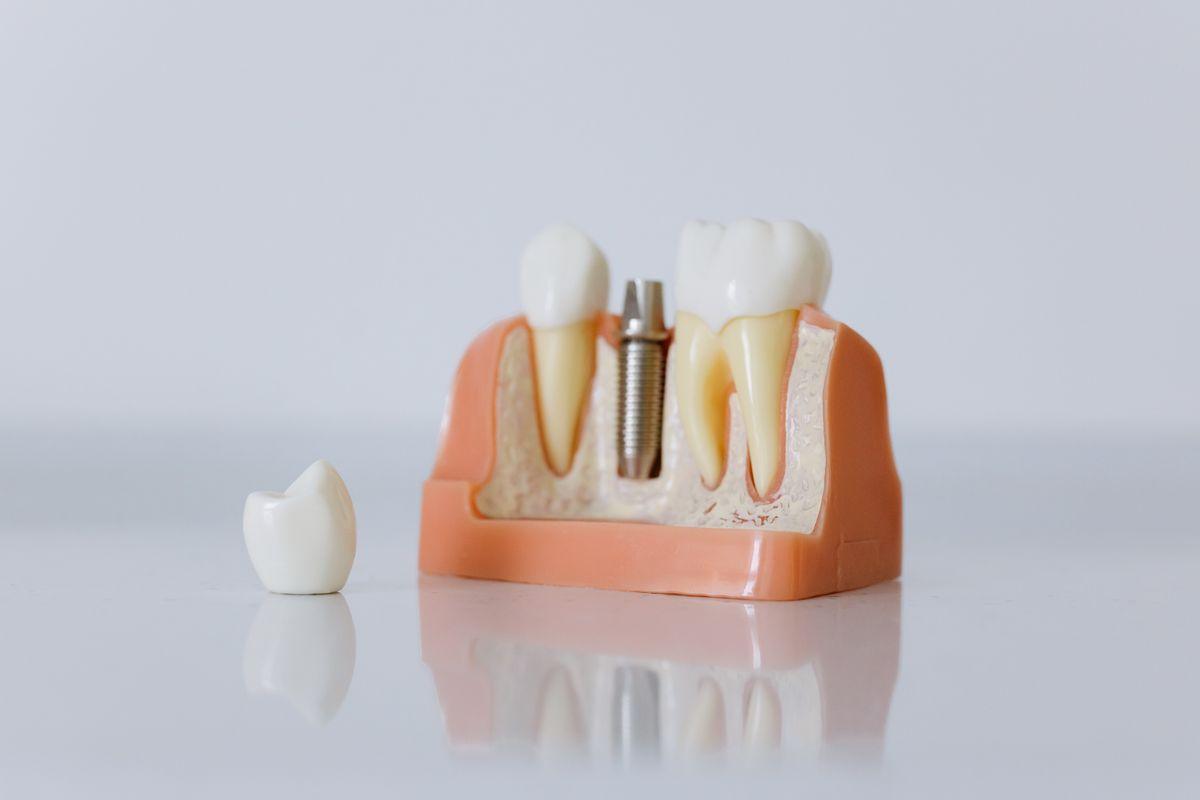
For people whose dentures still move despite relines, implant-retained dentures can lock the denture in place and transform daily comfort.
It helps to have an experienced team review your options. You can meet the clinic’s dentists, who regularly help patients improve the fit of new and older dentures.
Understanding Why Fit Changes
A denture is made to match the shape of your gums on the day impressions are taken. After that, your mouth continues to change. The jawbone that once held tooth roots slowly resorbs, and the gums follow the bone. This process is fastest in the first months after extractions and continues more slowly for life. Meanwhile, the denture itself does not change shape, except for gradual wear of the teeth. The result is a growing mismatch between the denture and your gums. Weight changes, dry mouth, medications, and habits like clenching can also affect how secure your denture feels.
Professional Ways to Make Dentures Fit Better
Pressure relief
Marking paste shows exactly where the denture presses too hard. These areas are carefully adjusted and polished.
Border adjustment
Edges that are too long or short are reshaped so they work with your cheeks and tongue.
Bite correction
Teeth are adjusted so both dentures meet evenly and do not tip when you chew.
Hard reline
New acrylic is added to the fitting surface to match your current gum shape.
Soft liner
A cushioning layer for tender gums or thin, sharp ridges.
Rebase or new denture
For worn bases or teeth, or when the bite has changed significantly.
Choosing the Right Fix
| Problem | Likely solution |
|---|---|
| A single sore spot | Pressure relief and polishing |
| General looseness | Reline |
| Tender gums or thin ridge | Soft liner |
| Denture tips when chewing | Bite adjustment or reline |
| Worn, flattened teeth | New teeth or a new denture |
| Lower denture never stable | Implant-retained denture |
| Cracked or stained base | Rebase or repair |
Daily Habits That Help Dentures Fit Better
Professional care sets the foundation, but daily habits make a real difference to how secure and comfortable your dentures feel. Start each day with clean gums and a clean denture, since plaque and old adhesive on the fitting surface stop the denture from sitting flat. Stay hydrated, because saliva helps create suction, especially for upper dentures. Chew with food on both sides of your mouth at the same time, which keeps the denture balanced. Cut food into small pieces and avoid biting with your front teeth, which can tip the denture. At night, remove your dentures to let your gums rest and recover from the day’s pressure.
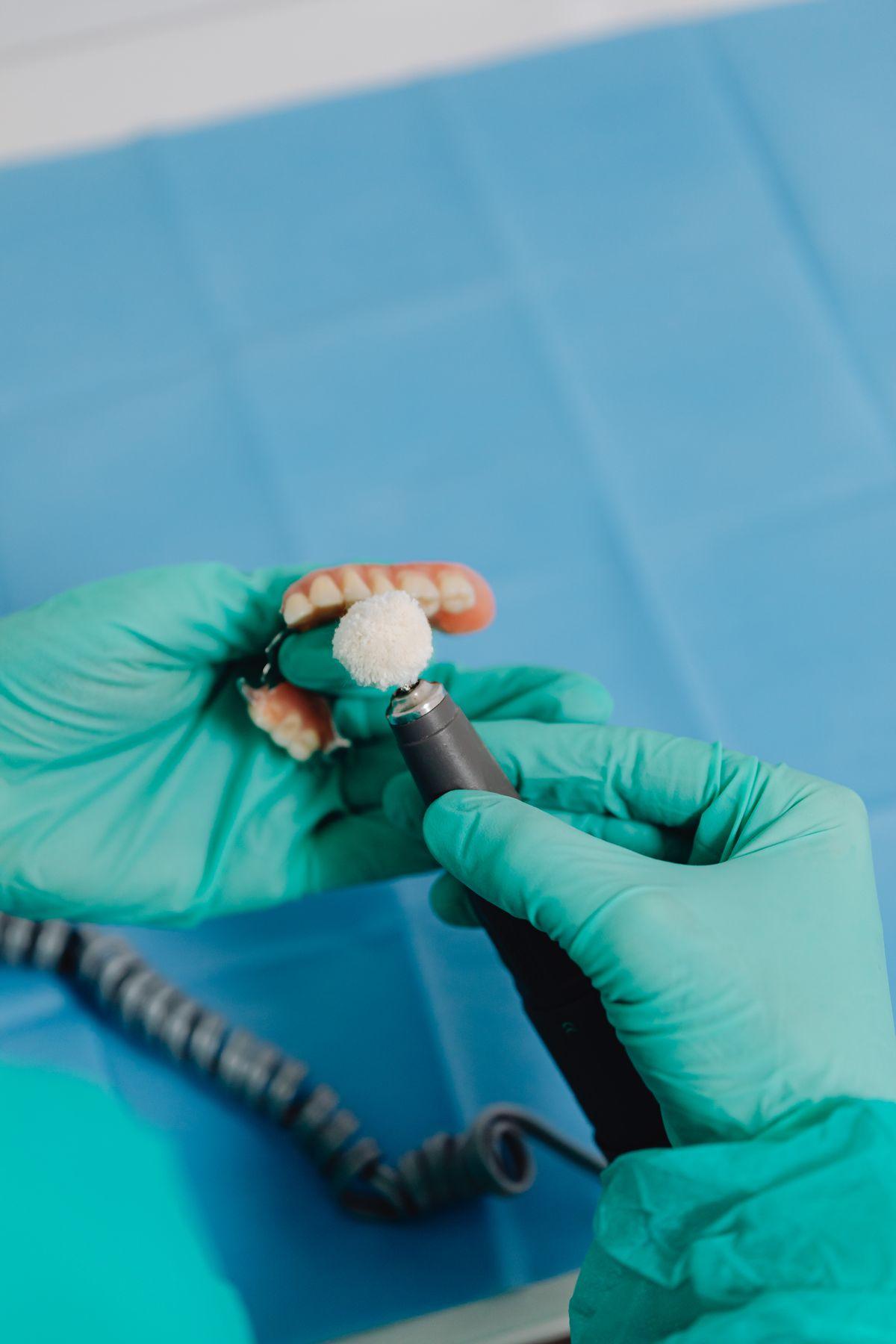
Using Denture Adhesive the Right Way
- Clean and dry the denture. Adhesive works best on a clean surface.
- Use a small amount. Three or four small dots of cream, or a light dusting of powder, is usually enough.
- Keep it away from edges. This prevents oozing.
- Press firmly into place. Hold for a few seconds, then bite gently.
- Remove it every night. Clean both the denture and your gums thoroughly.
- Watch how much you need. If you keep needing more, book a reline.
Myths About Denture Fit
Making New Dentures Fit Better
New dentures often need a settling period. Even when they are made precisely, your gums need time to adapt to the new pressure, and your tongue, cheeks, and lips need to learn how to hold the denture in place. It is normal to have a few sore spots in the first weeks. Rather than putting up with discomfort, return for adjustments as soon as you notice a problem. Small, frequent adjustments in the early weeks usually lead to a much better long-term fit.
- Wear your dentures for a few hours before adjustment appointments so pressure points are visible
- Make a note of where it hurts and when, such as while chewing or speaking
- Do not try to trim or file sore areas yourself
- Give yourself time, as most people feel comfortable within a few weeks
Making Upper Dentures Fit Better
Upper dentures depend on suction created by the palate and a seal at the back edge. If an upper denture drops when you laugh or bite into food, the seal may need adjusting, or the fitting surface may need relining. Keeping your mouth moist helps suction, so drink water regularly. People who gag easily may benefit from discussing palate-free implant designs, which use implants instead of suction for retention.
Making Lower Dentures Fit Better
Lower dentures are often harder to stabilise because they sit on a narrow ridge surrounded by moving muscles. Careful border shaping, a balanced bite, and good tongue technique all help. Resting the tip of your tongue lightly behind the lower front teeth can help hold the denture down. For many people, adding even two implants under a lower denture is the single biggest improvement in fit and confidence.
Improving Comfort for Sensitive Gums
Some people have thin, tender gums or sharp bony ridges that make any denture uncomfortable. Soft liners, made from a flexible material, can cushion these areas. They need slightly more careful cleaning and may need to be replaced more often than hard acrylic, but they can make a big difference in daily comfort. Treating any gum inflammation, removing dentures overnight, and maintaining good nutrition also support healthier, more resilient tissues.
When a New Denture Is the Best Fix
If your dentures are several years old, have been relined multiple times, or have teeth that are worn flat, a new denture is often the most effective way to improve fit. Fresh impressions capture the current shape of your gums, and new teeth restore correct bite height and facial support. Many patients are surprised by how much better a new denture feels compared with an older one that has been adjusted many times.
Reline is enough
Teeth are in good condition and only the fit has loosened.
New denture is better
Teeth are worn, the face looks collapsed, or the denture keeps breaking.
Eating Techniques for a More Secure Feel
How you eat can make your dentures feel more or less secure. Place food on the back teeth on both sides at once rather than on one side only. Take smaller bites and chew slowly. Avoid tearing food with your front teeth, which can lever the denture loose; instead, cut sandwiches, meat, and fruit into small pieces. Very sticky foods such as caramel can pull dentures out of place, while very hard foods such as nuts can create uneven forces. With practice, these habits become automatic and help your dentures stay put through every meal.
Speaking Clearly With Better-Fitting Dentures
Loose dentures often click or slip when you speak. After a reline or adjustment, speech usually improves noticeably. If certain words still cause movement, practise reading aloud slowly and biting gently before speaking to seat the denture. Swallowing before you start talking can also help settle it. If clicking continues, your dentist can check whether the teeth meet too closely or the denture edges need reshaping.
Questions to Ask at Your Fit Appointment
- What is causing my dentures to feel loose or uncomfortable?
- Would an adjustment, reline, or new denture be best?
- Would a soft liner help my sensitive gums?
- Am I a candidate for implant-retained dentures?
- How often should I come back for fit checks?
Trusted Care at the Best Dental Clinic in Tillsonburg
Known for a 5.0 Google rating and 252+ patient reviews, Family Dentistry on Brock is a trusted choice for families across Tillsonburg. The clinic accepts new patients and CDCP (Canadian Dental Care Plan) patients and offers dental implants, clear aligners, restorative care, veneers, laser treatment, teeth whitening, dental emergency care, sedation dentistry, dental surgery, and orthodontics.
Ready to take the next step?
Contact the clinic at +1 519-900-5640 or info@familydentistryonbrock.com, or come in to 49 Brock St E, Tillsonburg, ON N4G 1Z7. Monday hours extend to 7:00 PM, and Saturdays are available by appointment.
Frequently Asked Questions
How often should dentures be refitted?
Most dentures benefit from a reline every one to two years, or whenever they start to feel loose.
Can a dentist make my old dentures fit better?
Often yes, with adjustments, relines, or a rebase. Very worn dentures may need replacing.
Why do my new dentures feel loose?
New dentures take time to settle, and your muscles need to learn to control them. Adjustments help.
Do implants make dentures fit better?
Yes. Implants provide a secure attachment that greatly improves stability.
Is it normal for dentures to hurt?
Mild tenderness at first is common, but ongoing pain means the fit needs attention.
Conclusion
Making dentures fit better starts with a professional assessment and the right fix, from adjustments and relines to implant support. Daily habits like cleaning, correct adhesive use, and balanced chewing also make a big difference. Regular checkups keep your dentures comfortable and secure as your mouth changes.