Dental Crown Vs Veneer
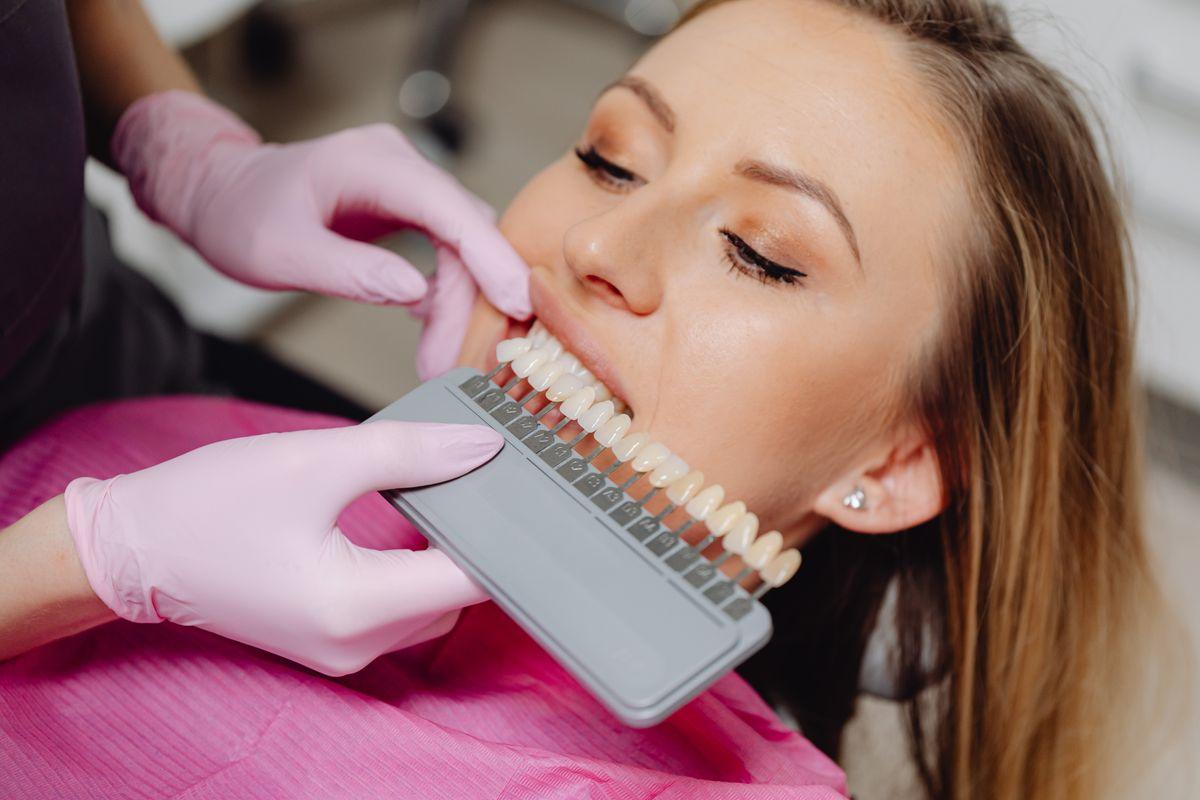
The main difference between a dental crown and a veneer is coverage: a crown caps the entire tooth to restore strength, while a veneer is a thin shell bonded only to the front surface to improve appearance. Choosing between them is common, and neither is better in every case. The right option depends on how healthy and strong the tooth is, which is why an exam with a cosmetic dentist in Tillsonburg comes first, and our porcelain veneer treatment page explains the cosmetic side in more detail.
Choose a crown when a tooth is cracked, heavily filled, root-canal treated, or badly worn. Choose a veneer when the tooth is structurally healthy but you want to change its colour, shape, size, or small gaps. Crowns protect. Veneers enhance.
Both restorations are custom-made from tooth-coloured materials and can look completely natural. The decision is mostly about how much of the tooth needs support. When a tooth has lost significant structure, our restorative care services focus on crowns and other treatments that rebuild strength first.
Sometimes neither is needed. Mild discolouration often responds well to professional teeth whitening, and small chips can be repaired with bonding. Discussing all options helps you avoid removing more tooth structure than necessary.
For a full picture of cosmetic and restorative treatments, you can browse our complete range of dental services and bring your questions to a consultation.
What Is a Dental Crown?
A dental crown is a custom cap that covers the whole visible part of a tooth down to the gumline. It restores shape, size, strength, and appearance. To make room, the dentist reduces the tooth evenly on all sides, typically by around one to two millimetres.
Crowns are commonly recommended for:
- Teeth with large or failing fillings
- Cracked or fractured teeth
- Back teeth after root canal treatment
- Severely worn teeth from grinding
- Covering a dental implant
- Anchoring a dental bridge
What Is a Dental Veneer?
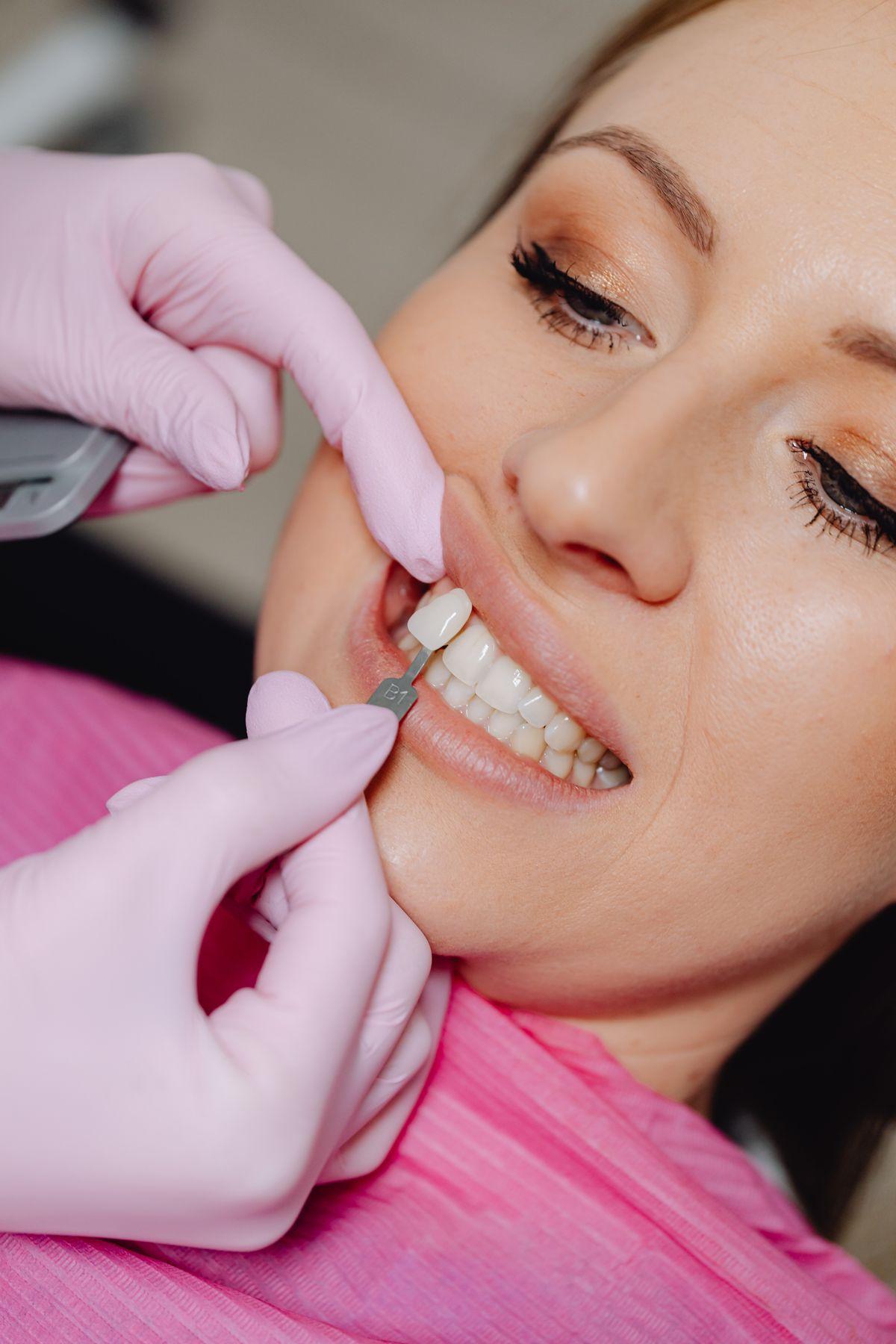
A veneer is a thin layer of porcelain or composite resin bonded to the front of a tooth. Porcelain veneers usually require removing a very thin layer of enamel, often around half a millimetre, so the veneer sits flush. Some minimal-prep options remove even less.
Veneers are commonly used to:
- Brighten teeth with stains that whitening cannot remove
- Close small gaps between front teeth
- Even out chipped, worn, or uneven edges
- Change the shape or length of teeth
- Create a uniform, balanced smile
Crown vs Veneer: Side-by-Side Comparison
| Feature | Dental crown | Dental veneer |
|---|---|---|
| Coverage | Entire tooth | Front surface only |
| Main purpose | Protection and restoration | Cosmetic improvement |
| Tooth reduction | More, on all sides | Less, mainly the front |
| Strength | Very strong, handles heavy biting | Strong when bonded, less suited to heavy forces |
| Best location | Front or back teeth | Mostly front teeth |
| Ideal tooth | Damaged, weak, or heavily filled | Healthy with cosmetic concerns |
| Typical lifespan | Often 10 to 15 years or more | Often 10 to 15 years with good care |
| Reversibility | Not reversible | Not reversible for porcelain |
How Dentists Decide Which One You Need
- Assess tooth structure. The dentist checks how much healthy enamel and dentin remain and whether there are cracks or large fillings.
- Check the bite. Teeth that take heavy forces, or patients who grind, often need the full coverage of a crown.
- Review the nerve and root. Root-canal-treated back teeth usually need a crown to prevent fracture.
- Discuss your goals. Colour, shape, and how natural you want the result to look all influence the choice.
- Plan the smile. Photos, models, or digital previews can show how each option would change your smile.
- Agree on a plan. You receive a clear recommendation and the reasons behind it.
When a Crown Is the Better Choice
Cracked tooth
Full coverage holds cracked segments together and reduces the risk of the tooth splitting.
Large filling
When most of the tooth is filling material, a crown restores lasting strength.
Root canal
Treated back teeth become brittle and benefit from a crown’s protection.
Heavy wear
Crowns rebuild height lost to grinding or acid erosion.
Major discolouration
Very dark teeth may need the opacity of a crown to mask colour.
Misshapen teeth
Severely malformed teeth can be rebuilt fully with a crown.
When a Veneer Is the Better Choice
Veneers make sense when the tooth itself is strong but its appearance bothers you. They conserve more natural enamel, and because they bond to enamel, they can be very durable. They are especially popular for upper front teeth that show when you smile.
Myths About Crowns and Veneers
Can You Have Crowns and Veneers in the Same Smile?
Yes. Many smile makeovers combine both. For example, a dentist might place a crown on a root-canal-treated front tooth and veneers on the healthy teeth beside it. The challenge is matching colour and translucency so every tooth looks consistent. This is achieved by planning shades together and working closely with the dental laboratory.
Planning a Combined Treatment
- Treat decay and gum problems before cosmetic work begins
- Whiten natural teeth first if you want a brighter overall shade, since crowns and veneers do not respond to bleaching
- Use a smile preview to agree on tooth length, shape, and colour
- Place the restorations in a coordinated sequence so the final shade matches
The Treatment Process Compared
Getting a Crown
- The tooth is numbed, shaped, and any decay is removed.
- An impression or digital scan is taken.
- A temporary crown protects the tooth while the final crown is made.
- At the next visit, the crown is tried in, adjusted, and cemented.
Getting Veneers
- A smile design is planned and a preview may be created.
- A thin layer of enamel is removed from the front of each tooth.
- Impressions or scans are taken and temporary veneers may be placed.
- The final veneers are bonded with a special resin and the bite is refined.
Aftercare for Crowns and Veneers
Both restorations last longest with the same simple habits. Brush twice a day with a non-abrasive fluoride toothpaste, floss daily, and keep regular cleanings. Avoid biting hard objects such as ice, pen caps, or fingernails. If you grind your teeth, a custom night guard protects porcelain from chipping. Coffee, tea, and red wine stain natural teeth more than porcelain, so the edges and nearby teeth may change colour over time, which is another reason for routine visits.
Materials Used for Crowns and Veneers
The material affects strength, appearance, and how much tooth needs to be removed.
Crown Materials
- Zirconia: extremely strong and suited to back teeth or patients who grind. Newer translucent forms also work well in the front.
- Lithium disilicate (e-max): a glass ceramic that offers excellent translucency and good strength, popular for front teeth.
- Porcelain fused to metal: a metal core with porcelain on top. Durable, though a dark line can appear at the gum over time.
- Gold alloy: highly durable and gentle on opposing teeth, but rarely chosen for visible areas.
Veneer Materials
- Porcelain: stain resistant, highly natural looking, and long lasting. Requires a lab to fabricate.
- Composite resin: applied and sculpted directly on the tooth in one visit. Less enamel removal and easier to repair, but more prone to staining and chipping.
Questions to Ask Your Dentist
Asking the right questions helps you feel confident in your decision:
- How much natural tooth will be removed for each option?
- Is my tooth strong enough for a veneer, or does it need full coverage?
- Which material do you recommend for my bite and why?
- Will I see a preview of the final result before treatment?
- How will the new restoration match my other teeth?
- What maintenance will help it last as long as possible?
- What happens if it chips or needs replacing in the future?
Signs You May Need a Crown Rather Than a Veneer
Some symptoms suggest a tooth needs protection, not just a cosmetic upgrade. Pain when biting, a visible crack line, a filling that keeps breaking, or a tooth that has turned grey after trauma are all reasons to have the tooth examined. In these cases, a veneer alone may not provide enough support, and the tooth could fracture beneath it. Your dentist may also check the nerve before deciding, since a tooth with nerve damage may need root canal treatment before any restoration is placed.
Expert Crown and Veneer Care in Tillsonburg
Family Dentistry on Brock is one of the most trusted options for patients looking for the best dentist in Tillsonburg, with a 5.0 Google rating from more than 252 reviews. We welcome new patients and accept the Canadian Dental Care Plan (CDCP). Our services include dental implants, clear aligners, restorative care, veneers, laser treatment, teeth whitening, emergency care, sedation dentistry, dental surgery, and orthodontics.
Every plan is created by licensed dentists registered with the Royal College of Dental Surgeons of Ontario (RCDSO), who will explain the benefits and limits of each option honestly. Visit us at 49 Brock St E, Tillsonburg, ON N4G 1Z7, call +1 519-900-5640, or email info@familydentistryonbrock.com. We are open late on weekdays, with Mondays until 7:00 PM, and Saturday appointments are available by booking.
Not sure whether you need a crown or a veneer?
A short cosmetic and restorative consultation will show you which option protects your tooth and gives you the smile you want.
Frequently Asked Questions
Is a crown or veneer better for front teeth?
If the front tooth is healthy, a veneer is often preferred because it removes less enamel. If it is cracked, heavily filled, or root-canal treated, a crown gives better protection.
Which lasts longer, a crown or a veneer?
Both often last ten to fifteen years or more with good care. Lifespan depends on bite forces, grinding habits, hygiene, and the health of the underlying tooth.
Do crowns and veneers feel different?
Veneers feel very close to natural teeth because they only cover the front. Crowns also feel natural after a short adjustment period, though they cover the whole tooth.
Can veneers be placed on back teeth?
Veneers are rarely used on back molars because those teeth handle heavy chewing forces. Crowns or onlays are usually better choices there.
Can I whiten crowns or veneers?
No. Porcelain and ceramic do not change colour with bleaching. Whitening, if desired, should be done before your restorations are made.
Conclusion
Crowns rebuild and protect weakened teeth, while veneers refine the appearance of healthy ones. The best choice depends on tooth structure, bite forces, and your cosmetic goals. A professional assessment will help you choose the option that looks natural and lasts.
Which suits your tooth?
General dentist registered with the Royal College of Dental Surgeons of Ontario (RCDSO), practising at Family Dentistry on Brock, Tillsonburg. Last reviewed November 2026. This guide is general information and does not replace an exam with your own dentist.
Candidate checklist
| Question | Points to a veneer | Points to a crown |
|---|---|---|
| Is the tooth mostly healthy? | Yes | No, large filling or break |
| Front or back tooth? | Front | Back or front |
| Had a root canal? | Rarely suitable | Often needed |
| Do you grind heavily? | Use caution | Better protection |
| Main goal? | Appearance | Strength and appearance |
Caring for crowns and veneers
- Brush gently twice a day with non-abrasive toothpaste.
- Floss daily around the edges.
- Avoid biting nails, pens and ice.
- Wear a night guard if you grind.
- Keep regular checkups to inspect the margins.
Can a veneer be replaced with a crown later?
Yes. If a veneered tooth later breaks or needs a root canal, it can be crowned.
Do crowns or veneers stain?
Ceramic resists staining well, but the edges can pick up stain if plaque builds up.
Coverage and the Canadian Dental Care Plan
The CDCP covers some crowns with preauthorization for eligible patients. Veneers are cosmetic and are not covered.
Crowns and veneers at Family Dentistry on Brock
Family Dentistry on Brock is at 49 Brock St E in Tillsonburg, and we welcome patients from Tillsonburg, Norfolk County and Oxford County. We accept new patients and the CDCP. Read about crown versus veneer differences, dental veneers and restorative care.
Crown or Veneer Checklist FAQs
When is a veneer suitable?
For healthy front teeth needing cosmetic change.
When is a crown better?
For broken, heavily filled or treated teeth.
Can veneers go on back teeth?
Rarely.
Can grinders have veneers?
With caution and a night guard.
Can a veneer be changed to a crown?
Yes, if needed later.
Do they stain?
Ceramic resists staining.
How do I care for them?
Gentle brushing, flossing and checkups.
Does the CDCP cover veneers?
No.
Book a consultation in Tillsonburg
Find out whether a crown or veneer suits you. Family Dentistry on Brock, 49 Brock St E, Tillsonburg, ON N4G 1Z7. Call 519-900-5640 or book online. New patients and CDCP patients are welcome.
Book an appointment