What Does the Canadian Dental Care Plan (CDCP) Cover?

The Canadian Dental Care Plan (CDCP) covers a wide range of everyday dental care for eligible Canadians, including exams, X-rays, cleanings, fluoride, sealants, fillings, root canals, gum treatment, extractions and removable dentures. Some services need preauthorization first, and cosmetic treatments and orthodontics aren’t covered for now. Depending on your family income, you may pay a co-payment, so it’s smart to confirm what applies to you with a participating dental clinic in Tillsonburg before treatment.
The CDCP is the federal dental program for people who don’t have dental insurance. It’s run by the Government of Canada, with Sun Life handling claims. Since the program opened to all eligible age groups in 2025, millions of Canadians have signed up.
It helps a lot, but it isn’t “free dentistry.” Knowing how coverage works saves surprises. A clinic that offers a full range of dentistry services can tell you which parts of your care the plan covers.
Fillings and other restorative care are among the most-used CDCP services, along with checkups and cleanings.
Extractions and some dental surgery in Tillsonburg are also covered when they’re needed for your oral health. Ready to use your coverage? You can book an appointment and bring your CDCP member card.
What is the CDCP?
It’s not a replacement for private insurance. It’s meant for people who have no other dental coverage.
Who is eligible?
To qualify, you generally need to:
- Not have access to dental insurance through an employer, pension, union or private plan
- Have an adjusted family net income under $90,000
- Be a Canadian resident for tax purposes
- Have filed your tax return in the previous year (and your spouse or common-law partner too, if you have one)
Eligibility rules can change, so always check the official Government of Canada CDCP page for the latest details.
How much does the CDCP pay?
Coverage depends on your adjusted family net income:
| Adjusted family net income | Co-payment you pay to the plan’s fee |
|---|---|
| Under $70,000 | None |
| $70,000 to under $80,000 | 40% |
| $80,000 to under $90,000 | 60% |
There’s 1 more thing to know. If a clinic’s usual fee is higher than the amount the CDCP pays, there may be an extra charge. A good clinic will explain this before treatment.
What services does the CDCP cover?
Preventive care
- Dental cleanings (scaling and polishing)
- Fluoride treatments
- Sealants
- Some preventive services for children
Diagnostic care
- Exams and assessments
- X-rays
Restorative care
- Fillings
- Some crowns, which may need preauthorization
Endodontic care
- Root canal treatment
Periodontal care
- Deep scaling and other gum treatment
Prosthodontic care
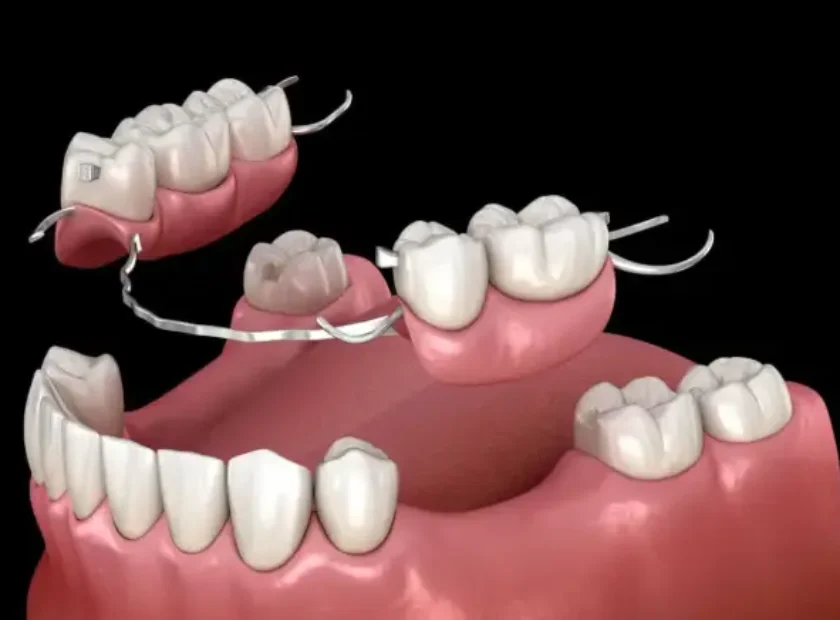
- Complete and partial removable dentures
- Denture relines and repairs
Oral surgery
- Tooth extractions
- Some other surgical procedures
What’s usually not covered?
- Cosmetic treatments like teeth whitening and veneers
- Dental implants
- Orthodontic treatment such as braces or clear aligners (the government has said orthodontics may be added in the future)
- Services that go beyond the plan’s frequency limits without approval
- Anything your dentist hasn’t recommended as clinically needed
What is preauthorization?
Some services need approval from the plan before treatment. Your dental office sends a treatment plan, X-rays or notes, and the plan confirms whether it’s covered. This can take some time, so ask early if your treatment needs it.
How to use your CDCP coverage: step by step
- Apply or renew. Applications and renewals are done through the Government of Canada. Coverage runs on a benefit year from July 1 to June 30, so renew on time each year.
- Get your welcome package. Sun Life sends your member card, co-payment level and coverage start date.
- Find a participating dentist. Ask the clinic if they accept CDCP patients.
- Bring your member card. The clinic bills the plan directly.
- Ask for a treatment estimate. Especially for bigger treatment, so you know your co-payment and any extra charges.
- Request preauthorization if needed. Your clinic handles the paperwork.
- Pay only your portion. The plan pays the clinic directly. If you pay the full amount yourself, the CDCP won’t reimburse you.
Myths about the CDCP
“CDCP means all dental care is free.” It covers a set list of services. Co-payments and extra charges may apply.
“Only seniors can use it.” The plan now includes eligible children, adults and seniors.
“Every dentist automatically accepts CDCP.” Dentists choose whether to see CDCP patients, so ask first.
“It covers braces and implants.” Orthodontics and implants aren’t covered at this time.
“Once approved, I’m covered forever.” You need to renew every year to keep coverage.
Common mistakes to avoid
- Booking major treatment without asking about preauthorization
- Missing the yearly renewal deadline
- Assuming cosmetic work is covered
- Paying the full fee and expecting reimbursement
- Not bringing your member card to appointments
Real patient scenarios
The retiree. A 71-year-old without insurance hadn’t had a cleaning in years. With CDCP, she had an exam, X-rays, a cleaning and 2 fillings. Her income was under the lowest threshold, so the plan covered the eligible fees.
The young family. Parents with no workplace benefits signed up their 2 kids. The children now get regular cleanings, fluoride and sealants.
The denture patient. A 66-year-old needed a new upper denture. The clinic explained the coverage and sent the paperwork the plan required before starting.
CDCP vs private insurance vs provincial programs
People in Ontario often have more than 1 possible source of dental help. Here’s how they compare in general terms.
| Feature | CDCP | Private or workplace insurance | Provincial programs (like ODSP or Healthy Smiles Ontario) |
|---|---|---|---|
| Who it’s for | Residents without dental insurance under the income limit | Employees, members of group plans or people who buy a plan | People on specific social assistance or low-income children |
| Paid by | Federal government | Insurer, often shared with employer | Province |
| Co-payment | Based on family income | Based on your plan | Usually minimal for covered services |
| Covers orthodontics | Not at this time | Sometimes | Limited |
| Covers implants | No | Sometimes | Rarely |
If you already have coverage through a provincial program, you may not be eligible for the CDCP, or you may need to use the provincial program first. Check with Service Canada if you’re unsure.
What should you ask your dentist before treatment?
A few quick questions make your visits smoother:
- Do you accept CDCP patients?
- Is this treatment covered by the CDCP?
- Does it need preauthorization, and how long will that take?
- What will my co-payment be?
- Will there be any extra charge above the CDCP fee?
- If something isn’t covered, what are my other options?
A clear, written estimate is your best protection against surprises.
CDCP for children
Kids are some of the biggest winners under the CDCP. Regular checkups, cleanings, fluoride and sealants help prevent cavities before they start. That matters, because cavities are one of the most common chronic conditions in children.
If your child is covered, aim for the first visit by age 1 and checkups every 6 months after that, or as your dentist recommends. Healthy baby teeth help with eating, speech and holding space for adult teeth.
CDCP for seniors
Many seniors lose dental coverage when they retire. The CDCP has filled a big gap for older adults, especially for cleanings, fillings, extractions and dentures.
Seniors often benefit from more frequent gum care and checks for dry mouth, root decay and denture fit. If you wear dentures, ask about relines when they start to feel loose, since a good fit protects your gums.
How long does it take to start using coverage?
After you’re approved, your welcome package from Sun Life lists your coverage start date. You can book appointments before that date, but services received before coverage starts won’t be paid by the plan. If you’re not sure of your start date, call the number on your welcome letter.
What if your income changes?
Your eligibility and co-payment level are based on your adjusted family net income from your tax return. If your income changes, it will usually be reflected when you renew for the next benefit year. Filing your taxes on time each year keeps things running smoothly.
Does the CDCP cover emergency dental visits?
Emergency exams, X-rays and the treatment that follows, like a filling, root canal or extraction, are generally eligible when they’re clinically needed. That means a sudden toothache, a broken tooth or an infection can usually be handled under your coverage, subject to your co-payment level.
If you have a dental emergency, call the clinic first. Let them know you’re a CDCP member so they can plan your visit and check what applies.
What about sedation?
Some forms of sedation may be eligible when they’re needed to deliver covered treatment safely, for example for patients with severe anxiety or complex procedures. Coverage for sedation can have conditions, so ask your clinic to confirm before your appointment.
Finding a CDCP dentist in Tillsonburg
Look for a clinic that clearly accepts CDCP, explains your co-payment before treatment, helps with preauthorization and offers a broad range of services so you’re not bounced between offices.
Family Dentistry on Brock is one of the most trusted dental clinics in Tillsonburg, with a 5.0 Google rating from more than 252 patient reviews. The clinic welcomes new patients and accepts CDCP (Canadian Dental Care Plan) patients. It’s a welcoming dental office in Tillsonburg for families, seniors and anyone using the CDCP for the first time.
Services include dental implants, clear aligners, restorative care, dental veneers, laser treatment, teeth whitening, dental emergency care, sedation dentistry, dental surgery and orthodontics. Extended weekday hours run until 7:00 PM on Mondays, and Saturday visits are available by appointment.
Visit the clinic at 49 Brock St E, Tillsonburg, ON N4G 1Z7, call +1 519-900-5640 or email info@familydentistryonbrock.com. The team usually responds quickly, and urgent calls are prioritized.
Frequently asked questions
Does the CDCP cover cleanings?
Yes. Dental cleanings, including scaling and polishing, are covered as preventive care, within the plan’s frequency limits.
Does the CDCP cover root canals?
Yes. Root canal treatment is covered under endodontic services. Some cases may need preauthorization.
Are dentures covered by the CDCP?
Yes. Complete and partial removable dentures are covered, along with some relines and repairs. Some denture services may need preauthorization.
Do I have to renew my CDCP every year?
Yes. Coverage runs from July 1 to June 30, and members need to renew each year to confirm they still qualify.
Will I have to pay anything at the dentist with CDCP?
Possibly. Depending on your income, you may have a co-payment, and some clinics charge more than the CDCP fee for certain services. Ask for an estimate before treatment.
Conclusion
The CDCP covers many essential dental services, from cleanings and fillings to root canals, extractions and dentures.
Your income level decides your co-payment, and some services need preauthorization while cosmetic care and orthodontics aren’t covered.
Ask your dental office for an estimate before treatment so you know exactly what to expect.