Is Fluoride Safe for Kids and Adults?
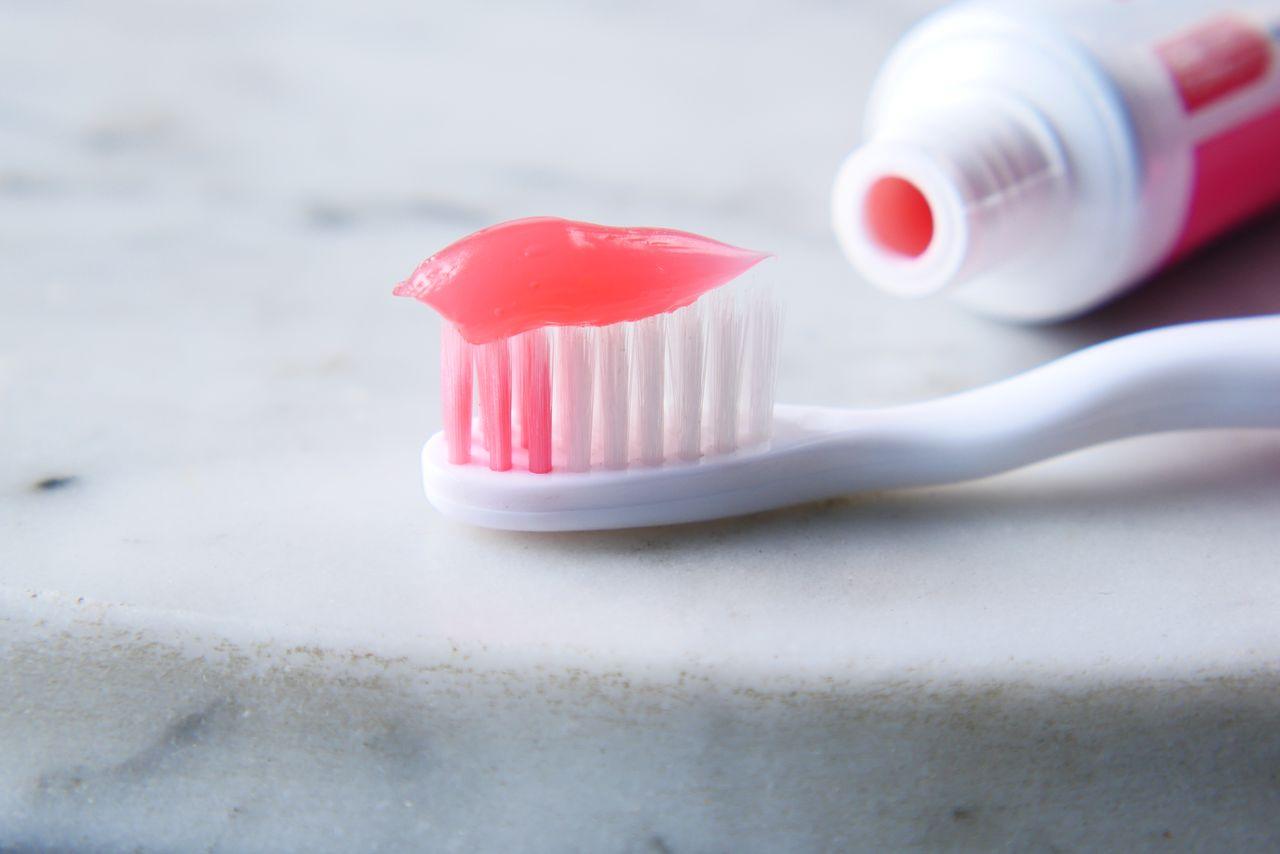
Yes. Fluoride is safe for kids and adults when it’s used in the recommended amounts: fluoride toothpaste, professional varnish, and community water at Health Canada’s optimal level of 0.7 mg/L. It’s one of the best-studied ways to prevent tooth decay. Problems like dental fluorosis come from swallowing too much while teeth are forming, which is why young children need only a tiny amount of toothpaste and adult supervision.
Fluoride has been in the news a lot lately, and it’s normal to have questions. Parents especially want to know whether it’s doing more good than harm. At our dental clinic in Tillsonburg, the answer is grounded in what major Canadian health bodies and the research say, along with what dentists see every day in kids with and without fluoride.
Fluoride works quietly in the background of nearly every preventive visit. It’s part of the cleanings and varnish treatments listed across all dentistry services, and it lowers the chance that you’ll need fillings in the first place.
When decay does happen, fluoride still matters. Teeth repaired through restorative care are more likely to stay healthy around the edges of fillings and crowns when fluoride is part of the daily routine.
It’s also a big deal during orthodontic work. People in clear aligner treatment or braces are prone to white spots on enamel, and fluoride helps prevent them. If you’d like a personal fluoride plan, you can book an appointment and ask at your next checkup.
What is fluoride?
Fluoride is a naturally occurring mineral found in water, soil, and many foods. In dentistry, it’s used to strengthen enamel and help reverse very early tooth decay.
How does fluoride protect teeth?
Every time you eat, bacteria make acid that pulls minerals out of your enamel. Saliva puts some of them back. Fluoride tips that balance in your favour in 3 ways:
- Strengthens enamel: it helps form fluorapatite, which resists acid better than natural enamel.
- Repairs early damage: it speeds up remineralization of weak spots before they become cavities.
- Slows bacteria: it reduces the ability of plaque bacteria to produce acid.
What do Canadian health authorities say?
Health Canada sets the optimal fluoride level for community drinking water at 0.7 mg/L and a maximum acceptable concentration of 1.5 mg/L. The Canadian Dental Association, the Public Health Agency of Canada, the Canadian Paediatric Society, and the World Health Organization all support fluoride used at recommended levels.
In late 2024, the Canadian Dental Association restated its support for community water fluoridation, saying there was no scientific basis to change its position. Whether a town fluoridates is decided locally, so check with your municipality or regional public health unit to find out about your tap water.
What about the studies on fluoride and IQ?
You may have seen headlines linking fluoride to lower IQ in children. Recent reviews found that association mainly at higher exposures, generally above 1.5 mg/L, which is more than double the level used in Canadian fluoridation programs. Studies looking specifically at the 0.7 mg/L range have not shown a clear effect. Research is ongoing, and health agencies continue to review new evidence.
The practical takeaway: fluoride at recommended levels, used the right way, is considered safe. Avoid excess, especially in very young children.
Sources of fluoride compared
| Source | Who it’s for | Notes |
|---|---|---|
| Fluoride toothpaste | Everyone with teeth | Tiny amounts for young kids; spit, don’t swallow |
| Fluoridated tap water | Whole community | Depends on your municipality |
| Fluoride varnish | Kids and adults at higher risk | Painted on at the dental office, 2 to 4 times a year |
| Fluoride mouth rinse | Adults and kids over 6 at higher risk | Not for young children who may swallow it |
| Prescription high-fluoride toothpaste | Adults with high decay risk, dry mouth, root exposure | Used as directed by your dentist |
How much fluoride toothpaste should kids use?
| Age | Amount | Tips |
|---|---|---|
| Under 3 | A smear the size of a grain of rice | An adult brushes; ask your dentist about your child’s decay risk |
| 3 to 6 | A pea-sized amount | Adult helps and supervises; teach spitting |
| 6 and up | A pea-sized amount, or a thin strip for older kids | Supervise until about age 8 for good technique |
Simple habit: spit, don’t rinse. Leaving a little fluoride on the teeth after brushing gives it more time to work.
Fluoride for adults: is it still needed?
Yes. Adults keep getting cavities, especially:
- Around old fillings and crowns
- On exposed roots from gum recession
- When medications cause dry mouth
- During orthodontic treatment
- After radiation therapy to the head and neck
Adults at higher risk often benefit from fluoride varnish at cleanings or a prescription toothpaste at home.
What is dental fluorosis?
Dental fluorosis is a change in how enamel looks, caused by taking in too much fluoride while teeth are forming, mostly under age 8. In Canada, it’s usually very mild: faint white lines or flecks that most people never notice. It doesn’t cause pain and doesn’t weaken teeth.
Moderate or severe fluorosis, with brown staining or pitting, is rare in Canada and usually linked to naturally high fluoride in well water or swallowing large amounts of toothpaste.
How to prevent fluorosis
- Use the right amount of toothpaste for your child’s age.
- Supervise brushing so toddlers don’t eat the toothpaste.
- Store toothpaste out of reach, especially fruity flavours kids may like.
- Test well water if your family uses a private well. Your local public health unit can help.
- Avoid fluoride supplements unless your dentist or doctor recommends them.
Signs your teeth may need more fluoride
- New cavities at recent checkups
- White chalky spots near the gumline
- Sensitivity on exposed roots
- Dry mouth from medications
- Braces or aligners in place
- Frequent snacking or sugary drinks
Does bottled or filtered water have fluoride?
It depends. Most bottled waters contain very little fluoride unless the label says it’s added. Some home filters remove fluoride, while others don’t.
| Water source | Fluoride content |
|---|---|
| Fluoridated municipal tap water | About 0.7 mg/L |
| Non-fluoridated municipal water | Varies with natural levels, usually low |
| Most bottled water | Usually low unless fluoride is added |
| Reverse osmosis or distillation filters | Removes most fluoride |
| Jug or carbon filters | Usually removes little fluoride |
| Private wells | Can be very low or naturally high; test it |
If your family drinks mostly bottled or filtered water, mention it at your checkup. Your dentist may suggest varnish or other topical fluoride to make up the difference.
Fluoride and baby formula
Parents sometimes ask whether to use fluoridated tap water for formula. In Canada, using tap water at the recommended level is generally considered fine. If you’re worried about fluorosis or your water has naturally high fluoride, ask your doctor or public health nurse whether to switch to low-fluoride water for mixing formula some of the time.
Fluoride during pregnancy
Using fluoride toothpaste during pregnancy is safe and recommended, since hormonal changes can make gums and teeth more vulnerable. Prescription fluoride supplements aren’t usually recommended during pregnancy. If you have questions about fluoride in your drinking water while pregnant, talk with your doctor or midwife.
Common myths about fluoride
“Natural toothpaste without fluoride works just as well.”
Fluoride-free toothpaste can clean teeth, but it doesn’t offer the same protection against decay.
“Fluoride is only for kids.”
Adults benefit too, especially as gums recede and fillings age.
“If a little is good, more is better.”
More isn’t better. Recommended amounts give protection; excess can cause fluorosis in young children.
“Fluoride varnish is unpleasant.”
It’s painted on in seconds. Kids usually notice only a slightly sticky feeling and a mild flavour.
What happens at a fluoride varnish treatment?
- Teeth are dried with gauze or air.
- Varnish is painted on with a tiny brush. It sets on contact with saliva.
- Avoid hard and hot foods for a few hours.
- Brush it off the next morning, or as advised.
Real patient scenarios
The toddler with white spots: a 2-year-old had chalky white spots on her top front teeth from night-time bottles of milk. With fluoride varnish every 3 months, a rice-sized smear of toothpaste, and no bottle at bedtime, the spots hardened and never turned into cavities.
The teen in aligners: a 16-year-old in clear aligners kept sipping sweet iced coffee with his trays in. White spots appeared near his gums. A switch to water while wearing aligners and a prescription fluoride toothpaste stopped them from getting worse.
The retiree on new medication: a 70-year-old developed dry mouth from a new prescription and 3 root cavities in a year. High-fluoride toothpaste and varnish at every cleaning brought her next checkup back to zero new cavities.
Safety note: if a young child swallows a large amount of fluoride toothpaste or mouth rinse, call the Ontario Poison Centre or your doctor right away. Keep all fluoride products out of reach of small children.
Choosing a dentist in Tillsonburg for preventive care
A good preventive plan is personal. Your dentist should look at your decay history, diet, medications, and water source before recommending how much fluoride you need. Choose licensed dental professionals registered with the Royal College of Dental Surgeons of Ontario (RCDSO).
Family Dentistry on Brock is one of the most trusted dental clinics in Tillsonburg, with a 5.0 Google rating from over 252 patient reviews. The clinic accepts new patients and CDCP (Canadian Dental Care Plan) patients, which helps many families get regular preventive care.
Beyond checkups and fluoride treatments, the team provides dental implants, clear aligners, restorative care, dental veneers, laser treatment, teeth whitening, dental emergency care, sedation dentistry, dental surgery, and orthodontics. Mondays run until 7:00 PM and Saturdays are available by appointment.
Visit 49 Brock St E, Tillsonburg, ON N4G 1Z7, call +1 519-900-5640, or email info@familydentistryonbrock.com. The team responds quickly to questions about kids’ fluoride and preventive care.
This article is general information. Ask your dentist or doctor for advice tailored to your family’s health and water source.
FAQs
Is fluoride toothpaste safe for toddlers?
Yes, in a tiny smear about the size of a grain of rice, with an adult doing the brushing. Ask your dentist about your child’s cavity risk.
What level of fluoride is safe in drinking water?
Health Canada’s optimal level for fluoridated water is 0.7 mg/L, and the maximum acceptable concentration is 1.5 mg/L.
Can adults get fluoride treatments?
Yes. Adults with dry mouth, gum recession, frequent cavities, or orthodontic appliances often benefit from fluoride varnish or prescription toothpaste.
Does fluoride cause white spots on teeth?
Too much fluoride during early childhood can cause faint white spots called fluorosis. White spots can also come from early decay, which fluoride helps prevent, so a dentist should check them.
How often should kids get fluoride varnish?
Many children benefit from varnish 2 to 4 times a year, depending on their cavity risk. Your dentist will recommend a schedule.
Conclusion
Fluoride is safe and effective for kids and adults when used in recommended amounts.
Use a rice-grain smear for children under 3 and a pea-sized amount after that, and spit without rinsing.
Your dentist can tailor fluoride to your family’s cavity risk and water source.