Can Dental Problems Cause Headaches?
Yes, dental problems can cause headaches. Teeth grinding, jaw joint (TMJ) strain, an uneven bite and tooth infections are the most common culprits, and the pain often shows up at the temples, forehead or behind the eyes rather than in the mouth. These headaches are common and usually treatable once the dental cause is found, which is why a visit to a dental clinic in Tillsonburg is worth considering if regular headache remedies keep missing the mark.
Most people never connect a morning headache to their teeth. Doctors and dentists see this link all the time, though.
The type of headache gives clues. A dull band around the head when you wake up often points to night grinding. A throbbing headache paired with a sore tooth or swelling could be infection, and that’s a reason to book a dental emergency in Tillsonburg visit rather than waiting.
Bite problems are sneakier. When teeth don’t meet evenly, jaw muscles work harder all day, and orthodontics in Tillsonburg can correct the alignment behind that strain.
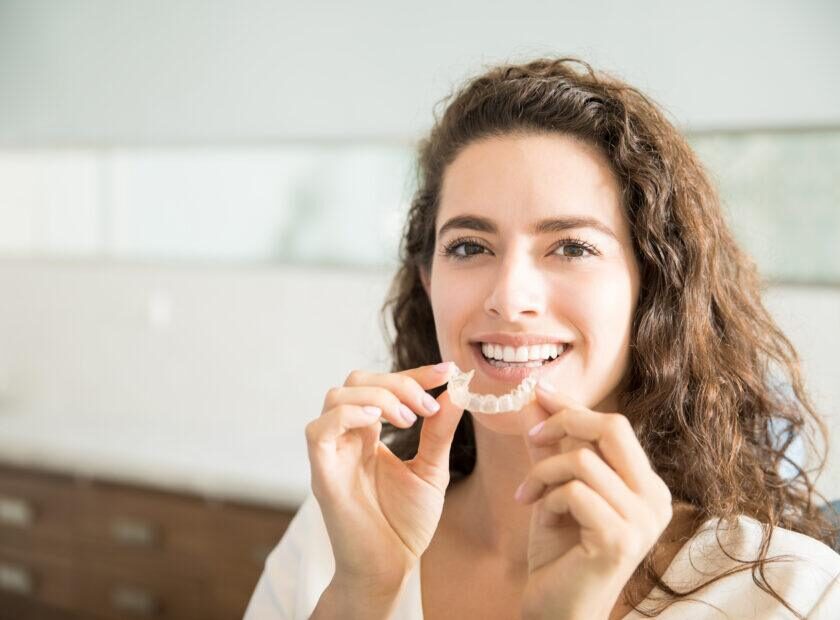
For milder alignment issues, clear aligner treatment is often an option. And since the fix might be a night guard, a filling or something else entirely, it helps to start with a clinic that offers all dentistry services in one place.
How can teeth cause headaches?
Your teeth, jaw muscles and the nerves in your face are closely connected. The trigeminal nerve, which carries feeling from your teeth, also supplies much of your face and head. Pain from one area can be felt in another. That’s called referred pain.
Overworked jaw muscles also play a big part. The temporalis muscle runs up the side of your head, right where many tension headaches sit.
Which dental problems cause headaches?
Teeth grinding and clenching (bruxism)
Grinding at night can keep jaw muscles working for hours. People often wake up with a dull headache, sore jaw or tired face. Many don’t know they grind until a partner hears it or a dentist sees the wear.
TMJ disorders
Problems with the jaw joint cause pain in front of the ear, clicking, limited opening and headaches, often on one side.
An uneven bite
Crooked teeth, a high filling or missing teeth can force the jaw into an awkward position. Muscles compensate, and headaches can follow.
Tooth infection or abscess
Infection at the root of a tooth can cause throbbing pain that spreads to the head, ear or jaw, sometimes with swelling.
Cracked teeth
Pain from a cracked molar can radiate across the face and be mistaken for a headache.
Impacted wisdom teeth
Pressure from wisdom teeth trying to erupt can cause jaw pain and headaches, especially in young adults.
Sinus pressure
Upper back teeth sit right under the sinuses. Sinus infections can make teeth ache, and tooth infections can irritate the sinus. Sorting out which is which is part of the exam.
Dental headache or something else?
| Clue | More likely dental | More likely medical |
|---|---|---|
| Timing | Worse in the morning, or after chewing | Random, or triggered by light, sound or certain foods |
| Location | Temples, jaw, around the ear, cheeks | One side with throbbing and nausea (migraine), or all over |
| Other signs | Sore jaw, worn teeth, clicking, tooth pain | Vision changes, aura, numbness, fever with stiff neck |
| Relieved by | Resting the jaw, night guard, dental treatment | Medical treatment, rest in a dark room |
What are the signs your headaches might be dental?
- You wake up with headaches or a tired jaw
- Your teeth look flat, chipped or worn
- Your jaw clicks, pops or locks
- Chewing tough food makes the headache worse
- You have a tooth that’s sore to bite on
- Headaches started after new dental work or a change in your bite
- Your partner hears you grinding at night
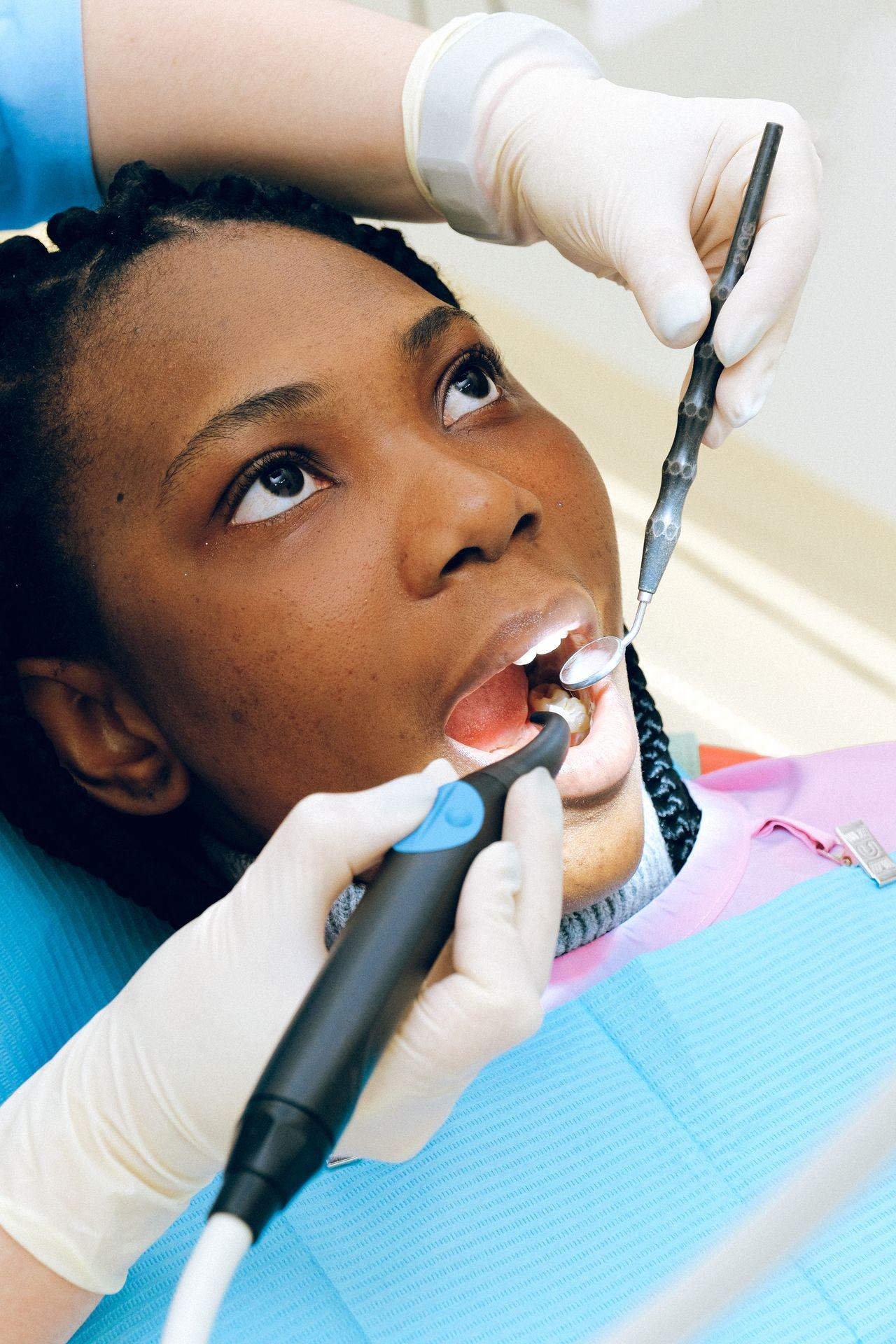
How does a dentist check for a dental cause?
- History: when headaches happen, where they are and what helps.
- Muscle exam: pressing on jaw and temple muscles to find tender spots.
- Jaw joint check: listening for clicks and measuring how far you can open.
- Bite assessment: looking for high spots, wear and alignment problems.
- Tooth checks: tests for cracks and infection.
- X-rays: to see roots, wisdom teeth and bone.
- Referral: to your doctor if a non-dental cause seems more likely.
How are dental headaches treated?
| Cause | Common treatment |
|---|---|
| Grinding and clenching | Custom night guard, stress management, jaw exercises |
| TMJ disorder | Night guard, physiotherapy, anti-inflammatories as advised, bite care |
| Uneven bite | Bite adjustment, orthodontics or clear aligners |
| Tooth infection | Root canal or extraction, antibiotics if spreading |
| Cracked tooth | Crown, onlay or root canal depending on depth |
| Impacted wisdom teeth | Monitoring or removal |
Myths about dental headaches
“Headaches are always a medical problem.”
Many are, but dental causes are common and often overlooked, especially in people who grind.
“A store-bought mouthguard works just as well.”
Boil-and-bite guards can be bulky and sometimes make clenching worse. A custom guard fits precisely and spreads forces evenly.
“If my teeth don’t hurt, they can’t be the cause.”
Jaw muscles can cause headaches with no tooth pain at all.
“Dental treatment for this will be painful.”
Night guards, bite adjustments and most fixes are comfortable. Sedation options are available for patients who feel anxious about dental visits.
What can you do at home to ease jaw-related headaches?
- Rest your jaw: lips together, teeth apart, tongue on the roof of your mouth.
- Apply warm compresses to the jaw and temples for 10 to 15 minutes.
- Avoid chewing gum and very tough foods for a while.
- Notice daytime clenching, especially when driving or working at a screen.
- Cut back on caffeine and alcohol late in the day, which can increase grinding.
- Try gentle stretching and stress relief before bed.
Real-world examples
Hidden infection: A 49-year-old with one-sided headaches and an aching upper molar had an x-ray showing an abscess. After a root canal, the headaches stopped.
Bite change: A 41-year-old noticed headaches after a new filling. It was slightly high, and a quick adjustment fixed it.
How does a custom night guard help with headaches?
A night guard is a thin, hard or dual-layer appliance that fits over your teeth while you sleep. It spreads the force of clenching and grinding, protects teeth from wear and helps jaw muscles relax. Many people notice fewer morning headaches and less jaw tightness within a few weeks.
| Guard type | Fit | Best for |
|---|---|---|
| Custom hard acrylic | Precise, made from a scan | Heavy grinding, long-term use |
| Custom dual-laminate | Precise, soft inside, hard outside | Comfort with good durability |
| Boil-and-bite | Approximate | Short-term trial only |
Can stress cause dental headaches?
Yes. Stress is one of the biggest drivers of clenching and grinding, both during the day and at night. When you’re stressed, the jaw and neck muscles tighten, which can trigger tension-type headaches. Managing stress through exercise, sleep, short breaks and relaxation techniques often helps alongside dental treatment.
Common mistakes
- Taking pain relief every day without looking for the cause
- Using a store-bought guard that makes clenching worse
- Ignoring a tooth that hurts on biting
- Assuming every headache is a migraine
- Not mentioning headaches to your dentist
Questions to ask your dentist
- Do you see signs of grinding or clenching?
- Could my bite be contributing to my headaches?
- Is there any sign of infection or a cracked tooth?
- Would a custom night guard help?
- Should I also see my doctor or a physiotherapist?
How do dentists and doctors work together on headaches?
Headaches can have more than one cause. Your dentist can treat dental triggers like grinding, bite problems and infections, while your doctor looks at medical causes such as migraines, blood pressure, sinus conditions or medication overuse. Some patients also benefit from physiotherapy for jaw and neck muscles. Sharing information between your dental and medical teams gives you the clearest path to relief.
Can posture cause jaw-related headaches?
It can play a role. Long hours with your head pushed forward toward a laptop or phone strain the neck and shoulder muscles, which connect to the muscles around the jaw. Many people clench without realizing it while concentrating at a screen. Raising your screen to eye level, taking short breaks every hour and doing gentle neck stretches can ease tension that feeds into headaches.
Do kids get dental headaches?
Yes, though less often. Children can grind at night, especially during stressful periods or when adult teeth are coming in. Cavities, erupting molars and orthodontic adjustments can also cause headaches. If your child complains of morning headaches, jaw pain or tooth sensitivity, a dental check is a good first step alongside a visit to their doctor.
Keeping a simple headache diary, noting the time, location and what you were doing, makes it much easier to spot a dental pattern.
Bring that diary to your appointment. Patterns like headaches that are worst on waking, or that start after chewing gum, point clearly toward the jaw and teeth, and they help your dentist choose the right treatment faster.
Small changes can bring real relief.
Ask questions at your next visit.
Relief is often closer than you think.
Headache and jaw care at Family Dentistry on Brock
If you’re looking for a family dentist in Tillsonburg who can look at headaches from a dental angle, Family Dentistry on Brock is one of the most trusted clinics in the area, with a 5.0 Google rating and 252+ patient reviews.
The clinic accepts new patients and CDCP patients and offers dental implants, clear aligners, restorative care, dental veneers, laser treatment, teeth whitening, dental emergency care, sedation dentistry, dental surgery and orthodontics.
Weekday hours extend into the evening on Mondays until 7:00 PM, with Saturdays available by appointment. Call +1 519-900-5640, email info@familydentistryonbrock.com, or visit 49 Brock St E, Tillsonburg, ON N4G 1Z7.
Care is provided by licensed dental professionals registered with the Royal College of Dental Surgeons of Ontario (RCDSO), who will refer you to your physician when a headache needs medical attention.
Frequently asked questions
Can a bad tooth give you a headache?
Yes. An infected, cracked or decayed tooth can cause pain that spreads to the head, temples or ear through shared facial nerves.
Can teeth grinding cause headaches?
Yes. Night grinding and clenching overwork the jaw and temple muscles, often causing dull morning headaches and a sore jaw.
How do I know if my headache is from my teeth?
Clues include morning headaches, jaw soreness, clicking, worn teeth or a sore tooth. A dental exam can confirm or rule out a dental cause.
Can a night guard stop headaches?
For many people who grind or clench, a custom night guard reduces morning headaches by easing muscle strain and protecting the teeth.
Can wisdom teeth cause headaches?
Impacted or erupting wisdom teeth can cause jaw pressure and headaches. An x-ray shows whether they’re contributing.
Conclusion
Grinding, jaw joint problems, bite issues and tooth infections can all cause headaches.
A dental exam can often find the cause in a single visit and point to a simple fix like a night guard.
If your headaches are sudden, severe or come with other symptoms, see a doctor right away.