Can You Get a Veneer on Just One Tooth?
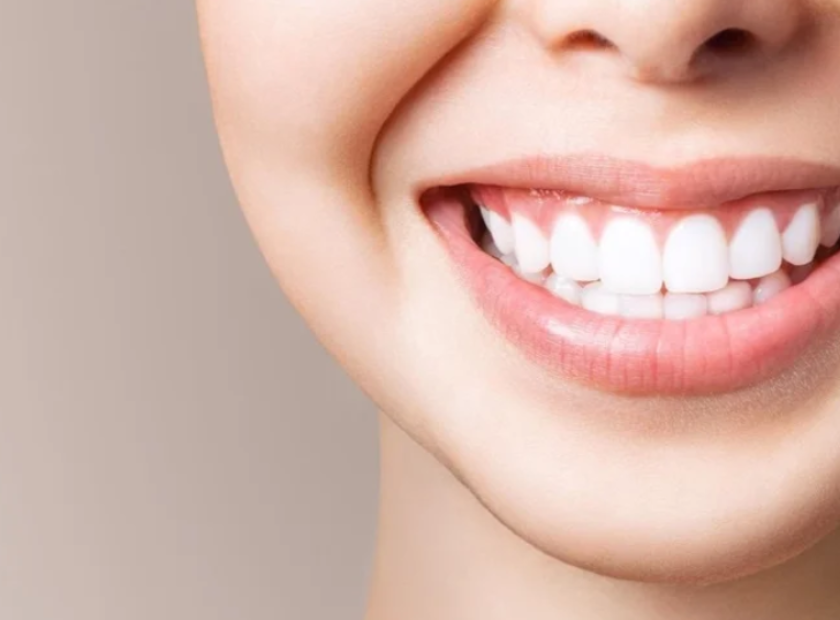
Yes, you can get a veneer on just one tooth. It’s a common way to fix a single chipped, stained or oddly shaped front tooth. The hardest part is matching the shade and translucency of the teeth beside it, so single dental veneers in Tillsonburg are usually custom made and carefully colour-checked before they’re bonded. Done well, nobody can tell which tooth has the veneer.
A lot of people assume veneers come in sets of 6 or 8. That’s only true when someone wants to change their whole smile.
If you’re thinking about whitening at all, do it first. Veneers don’t change colour once they’re made, so teeth whitening in Tillsonburg before the veneer lets the dentist match it to your brighter shade.
Sometimes a veneer isn’t the best fix. A tooth with a large filling or a deep crack may do better with a crown, which falls under restorative care, and a small chip may only need bonding.
Gum height matters too. If one tooth looks shorter because the gum sits lower, gentle laser treatment in Tillsonburg can even out the gumline first. The simplest next step is to book an appointment and see what your tooth needs.
What is a dental veneer?
A veneer is a thin shell, usually 0.3 to 0.7 mm thick, bonded to the front surface of a tooth. It changes the colour, shape or length of the tooth without covering the whole thing like a crown would.
Porcelain veneers
Made in a dental lab. Porcelain reflects light like natural enamel and resists stains. It’s usually the better choice when matching one tooth to its neighbours.
Composite veneers
Tooth-coloured resin shaped directly on the tooth in one visit. Quicker, and easy to repair, but more likely to stain and wear over time.
When does one veneer make sense?
- A chipped or broken front tooth
- One tooth darker than the rest, for example after an injury or root canal
- A small or peg-shaped tooth
- One tooth that’s worn shorter than its neighbours
- A small gap on one side
- An old, stained bonding repair you want to upgrade
Why is one veneer harder than several?
With a full set, all the veneers match each other. With one, it has to match natural teeth, which have layers of colour, slight translucency at the edges and tiny surface textures.
That’s why single veneers often involve:
- Detailed photos and shade mapping
- Close communication with the dental lab
- Sometimes a try-in before final bonding
- Occasionally a remake if the match isn’t right
A very dark tooth is the trickiest, since dark colour can show through a thin veneer. The dentist may suggest internal bleaching of a root canal-treated tooth first, or a slightly thicker veneer or crown.
Single veneer vs other options
| Option | Best for | Tooth reduction | Lifespan (typical) |
|---|---|---|---|
| Porcelain veneer | Colour and shape change, natural match | Small | Often 10 to 15+ years |
| Composite veneer | Quicker fix, budget-conscious choice | Little or none | Often 5 to 7 years |
| Bonding | Small chips and gaps | Little or none | Often 3 to 10 years |
| Crown | Weak, heavily filled or cracked tooth | More | Often 10 to 15+ years |
| Internal bleaching | Dark root canal-treated tooth | None on the outside | Varies |
What is the process for getting one veneer?
- Consultation: exam, x-ray and a talk about what bothers you.
- Whitening, if wanted: done first, then a short wait for the shade to settle.
- Shade and photos: detailed colour records of the neighbouring teeth.
- Preparation: a very thin layer of enamel is removed, usually under local anaesthetic.
- Impression or scan sent to the lab.
- Temporary: sometimes placed to protect the tooth.
- Try-in: the veneer is checked for fit and colour before bonding.
- Bonding and polishing: the veneer is fixed in place and the bite checked.
Who is a good candidate?
- Healthy tooth and gums, with no active decay or gum disease
- Enough enamel for the veneer to bond to
- No heavy grinding, or willingness to wear a night guard
- Realistic expectations about matching
Myths about veneers
“Veneers ruin your teeth.”
Preparation removes only a thin layer of enamel, and some veneers need almost none. They’re a long-term commitment, but they don’t destroy the tooth.
“You have to get a full set.”
One veneer is a perfectly normal treatment.
“Veneers look fake.”
Overly white, thick veneers can look artificial. A well-made single porcelain veneer matched to your teeth should blend in.
“Veneers are painful to get.”
The tooth is numbed during preparation. Most people feel only pressure, and any sensitivity afterward is usually mild and brief. Sedation is available for anxious patients.
Common mistakes to avoid
- Whitening after the veneer is placed, which leaves it darker than your other teeth
- Choosing a shade that’s brighter than your natural teeth
- Rushing the shade-matching process
- Skipping a night guard if you grind
- Using the veneer to bite fingernails or open packages
How do you care for a single veneer?
- Brush twice daily with a non-abrasive fluoride toothpaste.
- Floss daily, sliding gently along the veneer edge.
- Limit heavy staining drinks, or rinse with water after coffee, tea and red wine.
- Avoid biting hard objects like ice and pen caps.
- Wear a night guard if you grind.
- Keep regular checkups and cleanings.
Real-world examples
Dark tooth after injury: A 44-year-old had a grey front tooth from a childhood injury. After internal bleaching, a single veneer gave an even, natural result.
Peg-shaped tooth: A 22-year-old with one small lateral incisor had a veneer to match the size of the tooth on the other side.
How long does it take to get a single veneer?
| Step | Typical time |
|---|---|
| Consultation and shade mapping | 1 visit |
| Whitening, if chosen | 1 to 2 weeks before preparation |
| Preparation and scan | 1 visit |
| Lab fabrication | About 1 to 3 weeks |
| Try-in and bonding | 1 visit |
A composite veneer can often be done in a single visit, since it’s shaped directly on the tooth.
Can a single veneer be removed?
Porcelain veneers are a long-term commitment. Because a thin layer of enamel is usually removed, the tooth will typically need a veneer or other restoration for life. Composite veneers and bonding are more reversible, which is one reason some people try them first. Your dentist can explain how much tooth preparation your case would need.
Questions to ask your dentist
- Is a single veneer the best option, or would bonding or a crown be better?
- How will you match the colour and translucency to my other teeth?
- Should I whiten first?
- How much enamel will be removed?
- Can I see a mock-up before the final veneer?
What if the veneer doesn’t match perfectly?
A good try-in step lets you and your dentist check the colour and shape before the veneer is permanently bonded. If something looks off, the lab can adjust or remake it. Natural lighting, photos and taking time over the shade are what make single-tooth cases succeed. Don’t feel rushed. It’s your smile, and it’s worth getting right.
Does a veneer feel different from a natural tooth?
For the first few days, your tongue may notice a slightly different texture or thickness. Most people stop noticing within a week. A well-made veneer should feel smooth, sit flush with the gum and let you bite normally. If the edge feels rough or your bite feels off, a quick polish or adjustment fixes it.
Can you get a veneer on a tooth that had a root canal?
Sometimes. Front teeth that have had a root canal can darken over time, and a veneer may cover the colour if enough healthy tooth remains. If the tooth is weak, heavily filled or very dark, a crown may be the stronger and more reliable choice. Internal bleaching is another option that can lighten a dark root canal treated tooth from the inside before any cosmetic work.
How do you choose between porcelain and composite for one tooth?
| Factor | Porcelain | Composite |
|---|---|---|
| Colour match | Excellent, with layered shading | Good, depends on the dentist’s skill |
| Stain resistance | High | Lower |
| Repairability | Limited | Easy to touch up |
| Visits | Usually 2 | Usually 1 |
| Lifespan | Often 10 to 15+ years | Often 5 to 7 years |
Many people choose composite first to try the look, then switch to porcelain later if they want a longer-lasting result.
Will my other teeth need work later?
Not necessarily. A single veneer is designed to blend with your natural teeth as they are. Over the years, natural teeth may darken slightly while porcelain stays the same, so some people choose occasional whitening to keep the shades close. If you later decide on more cosmetic work, the existing veneer can be included in the plan. Regular checkups help keep everything in balance, and your dentist will let you know if the shades start to drift apart.
Taking photos of your smile once a year is an easy way to notice any colour change early and plan touch-up whitening before the difference becomes obvious.
And remember, a great single veneer is a team effort between you, your dentist and the lab. Speak up about what you like and don’t like at each step.
Single veneers at Family Dentistry on Brock
If you want a cosmetic dentist in Tillsonburg who takes the time to get the shade right, Family Dentistry on Brock is one of the most trusted clinics in town, with a 5.0 Google rating from 252+ patient reviews.
New patients and CDCP patients are welcome. Along with veneers, the clinic provides dental implants, clear aligners, restorative care, laser treatment, teeth whitening, dental emergency care, sedation dentistry, dental surgery and orthodontics.
The office is open late on Mondays until 7:00 PM, with Saturday appointments available on request. Call +1 519-900-5640, email info@familydentistryonbrock.com, or stop by 49 Brock St E, Tillsonburg, ON N4G 1Z7.
Cosmetic care is provided by licensed dental professionals registered with the Royal College of Dental Surgeons of Ontario (RCDSO), with a follow-up to check how your veneer looks and feels.
Frequently asked questions
Will a single veneer match my other teeth?
A well-made porcelain veneer can match your natural teeth closely. It takes careful shade mapping and sometimes a try-in, especially for very dark teeth.
Should I whiten my teeth before getting one veneer?
Yes, if you want whiter teeth. Veneers don’t respond to whitening, so whitening first lets the dentist match the veneer to your brighter shade.
Is one veneer better than bonding?
Porcelain veneers usually last longer and resist stains better than bonding. Bonding is quicker and less invasive, so it can be a good choice for small chips.
How long does a single veneer last?
Porcelain veneers often last 10 to 15 years or more with good care. Composite veneers usually last around 5 to 7 years.
Can a dark tooth be covered with one veneer?
Often yes, but very dark teeth may need internal bleaching first, a thicker veneer or a crown so the colour doesn’t show through.
Conclusion
A single veneer is a common, effective way to fix one chipped, stained or misshapen tooth.
Careful shade matching, and whitening first if you want it, are the keys to a natural result.
An exam will confirm whether a veneer, bonding or a crown is the best fit for that tooth.