Does Smoking or Vaping Affect Dental Implant Healing?
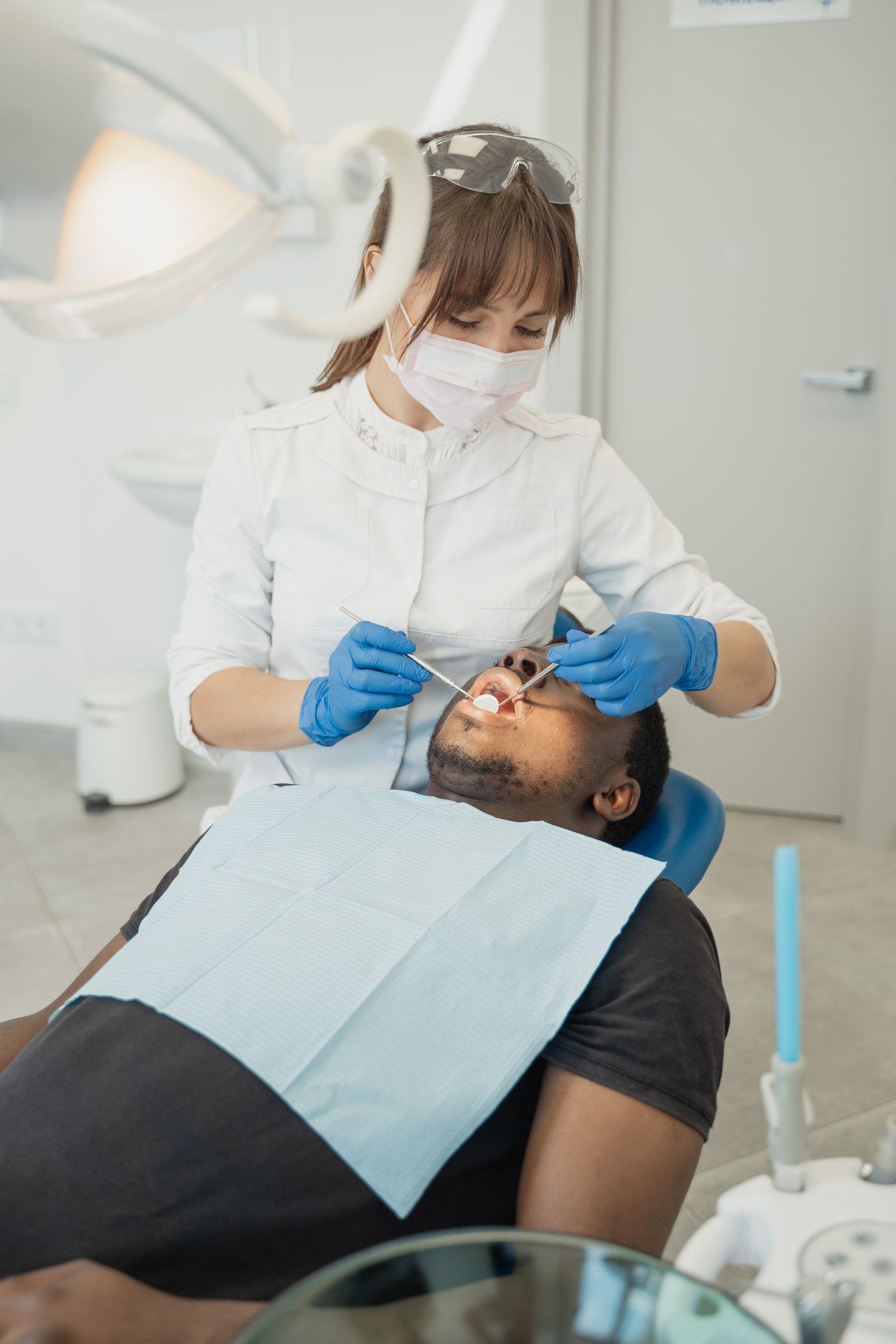
Yes, and the effect is substantial. Smoking roughly doubles the risk of a dental implant failing, and it slows healing at every stage. Vaping isn’t a safe alternative, because nicotine is a large part of the problem and both deliver it.
This isn’t a disqualification. Plenty of people who smoke have successful implants. But it changes the odds, the planning and the aftercare, so it’s worth an honest conversation before treatment rather than after. Our dental implant service in Tillsonburg includes that assessment up front.
Here’s what actually happens biologically, and what makes the biggest difference.
How does smoking interfere with healing?
An implant works by osseointegration, where bone grows directly onto the titanium surface and locks it in place. That takes roughly three to six months and depends entirely on good blood supply and healthy bone cells.
Nicotine constricts blood vessels. Less blood reaches the surgical site, so less oxygen and fewer healing cells arrive exactly when they’re needed most.
Carbon monoxide displaces oxygen in the blood, compounding the same problem.
Bone-building cells are suppressed. Osteoblasts, the cells that lay down new bone onto the implant, function less effectively.
Immune response is blunted, raising infection risk after surgery.
The suction of inhaling can physically disturb a fresh surgical site in the first days, in much the same way it causes dry socket after extractions.
Upper jaw implants tend to be affected more than lower ones, partly because upper bone is less dense to begin with and more dependent on good blood supply.
What does the risk actually look like?
Implants have high success rates in general, commonly reported above 95 percent over ten years in healthy non-smokers. Studies consistently show smokers experience roughly twice the failure rate, with higher rates again for heavier smoking.
Framed the other way round, most implants in smokers still succeed. That’s worth saying plainly, because the aim here is informed planning rather than discouragement.
There’s also a longer-term issue beyond initial healing. Peri-implantitis, which is gum and bone inflammation around an established implant, is more common in smokers and is the main cause of implants failing years after placement. Ongoing gum care matters as much as the surgery, and our gum therapy and laser treatment is part of that.
Is vaping any better?
Less harmful than cigarettes in some respects, but not neutral, and it’s commonly assumed to be fine when it isn’t.
Nicotine is the main driver of impaired healing, and most vapes deliver it, sometimes in higher concentrations than cigarettes. The blood vessel constriction and suppressed bone cell activity still apply.
Vaping also produces dry mouth, which raises decay and gum disease risk around implants and natural teeth alike. The heat and aerosol affect the soft tissue the implant depends on for a seal. And the inhalation suction creates the same mechanical risk in the early days.
Nicotine-free vapes are better again, but the evidence base is still developing and the dry mouth and heat effects remain. If you’ve switched from cigarettes to vaping, that’s a genuine improvement for your general health. Just don’t treat it as removing the implant risk.
How long should you stop, and when?
The periods around surgery matter far more than lifetime habits, which is useful, because a temporary pause is more achievable than quitting outright.
| Period | Recommendation | Why |
|---|---|---|
| 1 to 2 weeks before surgery | Stop if you can | Blood flow and immune function improve measurably |
| First 72 hours after | Most important of all | Clot formation and suction risk |
| First 2 weeks after | Stop | Soft tissue healing and infection risk |
| Weeks 2 to 12 | Minimise as much as possible | Bone integration is happening |
| Long term | Reducing helps | Lowers peri-implantitis risk |
If a full stop isn’t realistic, cutting down still helps, since the effect is dose-related rather than all-or-nothing. Your dentist or pharmacist can point you toward quit support, and treatment timing can sometimes be arranged around an attempt.
What else affects the outcome?
Smoking is one factor among several, and some are easier to influence.
- Existing gum disease, which should be treated and stable before implants are placed
- Bone volume and quality, which may call for grafting first
- Uncontrolled diabetes, which affects healing similarly and is worth optimising with your physician
- Grinding or clenching, which overloads implants and may warrant a night guard
- Day-to-day cleaning around the implant, which is the biggest long-term factor
- Keeping maintenance appointments, usually more frequently for smokers
Several of these are addressed before surgery rather than during it, which is why planning through our dental surgery service begins with a full assessment rather than going straight to placement.
If quitting isn’t on the table
Say so openly. It changes the plan rather than ending the conversation, and a dentist who knows can work with it.
Practically, that can mean longer healing periods before loading the implant, more conservative placement, closer monitoring in the first year, shorter maintenance intervals, and realistic expectations discussed in advance.
It may also mean that a bridge or a partial denture is the more predictable option in your particular case. Those remain good solutions, and our restorative care services cover all of them.
What doesn’t help anyone is not mentioning it. Aftercare advice is tailored to real circumstances, and an implant placed on inaccurate information is more likely to fail.
Discussing implants in Tillsonburg
Family Dentistry on Brock looks after patients from age 2 to 92 across Tillsonburg and the surrounding area. We hold a 5.0 rating based on more than 250 reviews, we’re accepting new patients, and we welcome CDCP patients.
Implants, gum therapy, surgery and restorative work are all provided in one practice, so the assessment, any preparatory treatment and the implant itself stay with the same team. You can see the full range on our services page.
Call 519-900-5640 to arrange a consultation. Care is provided in line with the standards of the Royal College of Dental Surgeons of Ontario.
Frequently asked questions
Will a dentist refuse to place an implant if I smoke?
Generally no. Smoking is a risk factor rather than an absolute contraindication, and most dentists will proceed after discussing the increased failure risk and agreeing a plan. Some cases with heavy smoking plus other risk factors may be advised toward alternatives.
How soon after implant surgery can I smoke?
The first 72 hours are the most critical, and two weeks is the usual recommendation. Minimising through the full integration period of around three months gives the best chance. Your dentist will give specific guidance for your case.
Can an implant be replaced if it fails?
Often yes, though not always straightforwardly. The site needs to heal and may require bone grafting before a second attempt, which adds months. Success rates on replacement are lower if the original cause hasn’t changed.
Does nicotine gum or a patch carry the same risk?
They still deliver nicotine, so some vascular effect remains, but they avoid carbon monoxide, heat and inhalation suction. They’re generally considered preferable around surgery, and worth discussing with your dentist or pharmacist.
How will I know if an implant is failing?
Warning signs include the implant feeling loose, gum swelling or bleeding around it, persistent discomfort, pus, or the gum receding to expose metal. Early peri-implantitis is often painless, which is why maintenance appointments pick it up before you would.
The bottom line
Smoking roughly doubles implant failure risk, and vaping isn’t a safe substitute because nicotine drives most of the effect. The weeks either side of surgery matter most, so even a temporary pause meaningfully improves the odds. Be straight with your dentist, because the plan adapts to real circumstances.