
Can a Cracked Tooth Be Fixed Without a Root Canal?
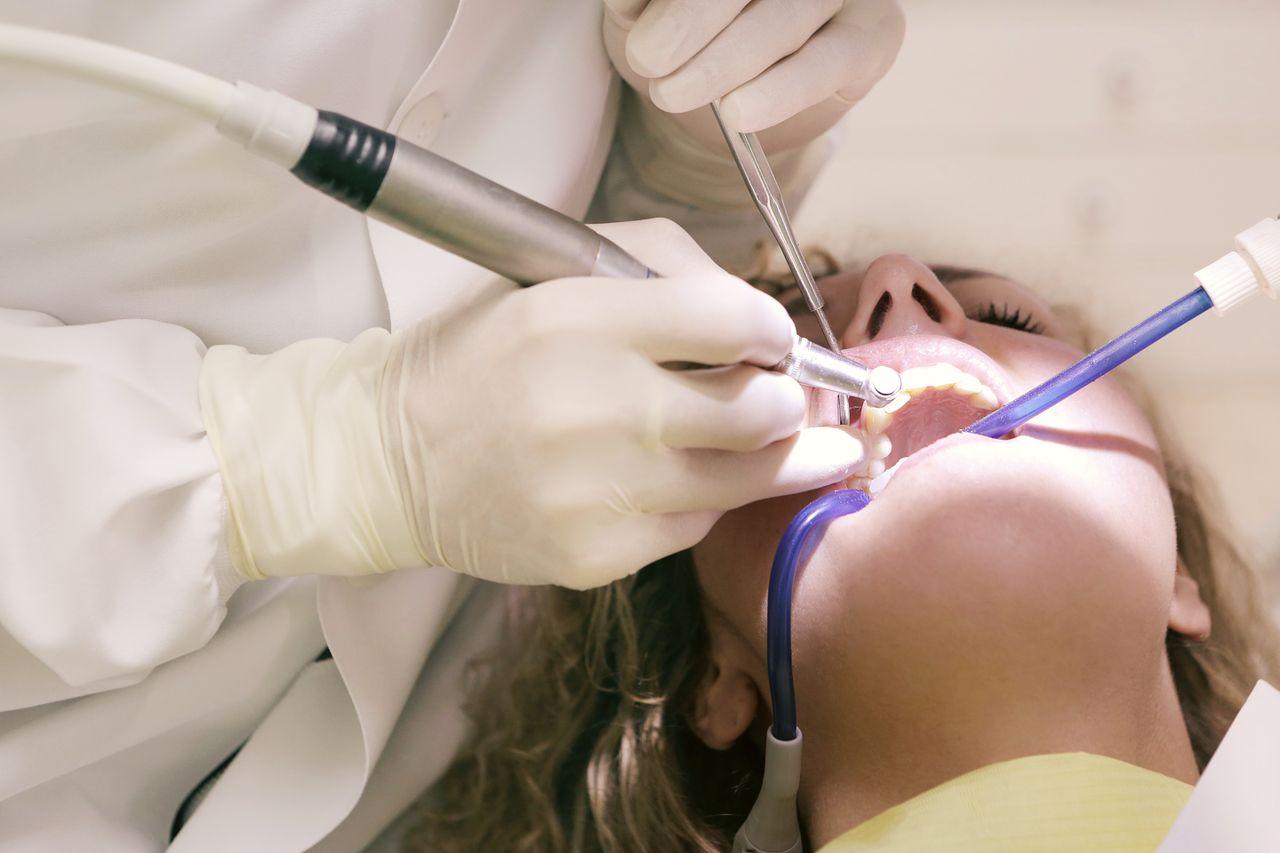
Yes, many cracked teeth can be fixed without a root canal, as long as the crack hasn’t reached the nerve inside the tooth. Small cracks are usually repaired with bonding, an onlay or a crown that holds the tooth together. A root canal is only needed when the pulp becomes inflamed or infected. Cracks are common and often start small, so getting restorative care early is what keeps a simple repair simple.
The tricky thing about cracks is that they hide. You might feel a sharp zing when you bite on a seed and then nothing for days.
That on-and-off pain fools people into waiting. But a crack doesn’t heal like a broken bone, and every time you chew, it can creep a little deeper. If the pain is sudden and sharp, or a piece of tooth has broken off, book a dental emergency in Tillsonburg visit rather than hoping it settles.
Not every line on a tooth is a problem, either. Tiny surface lines called craze lines are cosmetic only, and if they bother you, options like dental veneers in Tillsonburg can cover them on front teeth.
At the other end, a tooth that has split down to the root usually can’t be saved, and dental implants in Tillsonburg are often the best replacement. The quickest way to know which group your tooth falls into is to book an appointment for an exam.
What are the different types of cracked teeth?
Dentists sort cracks into 5 main types. The type decides the treatment.
| Type | What it is | Root canal needed? |
|---|---|---|
| Craze lines | Tiny lines in the enamel only | No. Usually no treatment at all |
| Fractured cusp | A chewing point breaks off, often around a large filling | Rarely. Usually fixed with an onlay or crown |
| Cracked tooth | A crack running from the chewing surface down toward the root | Sometimes, depending on depth and symptoms |
| Split tooth | The tooth has separated into distinct pieces | Often not saveable as a whole |
| Vertical root fracture | Crack starting in the root and moving up | Usually extraction |
What are the signs of a cracked tooth?
- Sharp pain when you bite down, or when you release your bite
- Sensitivity to cold that fades quickly
- Pain that comes and goes, often hard to pin to one tooth
- Discomfort chewing on one side
- A rough edge your tongue keeps finding
- Swelling of the gum around one tooth, in deeper cracks
Pain on release is a classic sign. It happens when the two sides of the crack separate slightly and pinch the inner tooth.
What causes teeth to crack?
- Biting hard objects: ice, popcorn kernels, olive pits, hard candy, pens
- Grinding and clenching, especially at night
- Large old fillings that leave thin tooth walls
- Teeth that have had a root canal without a crown
- Sudden temperature changes, like hot coffee then ice water
- A blow to the face
- Age. Most cracked teeth show up in people over 40
When can a cracked tooth be fixed without a root canal?
A root canal isn’t about the crack itself. It’s about the nerve. If the pulp is healthy, the goal is simply to hold the tooth together so the crack can’t spread.
Signs the nerve is probably healthy
- Pain only when biting, not on its own
- Cold sensitivity that disappears within a few seconds
- No pain waking you up at night
- No swelling or gum bump
Signs the nerve may be involved
- Lingering pain after hot or cold, lasting more than 30 seconds
- Throbbing pain that starts on its own
- Pain that keeps you up at night
- Swelling, a pimple on the gum or a bad taste
What are the treatment options for a cracked tooth?
| Treatment | Best for | Root canal? |
|---|---|---|
| No treatment, monitoring | Craze lines with no symptoms | No |
| Bonding | Small chips or shallow cracks | No |
| Onlay | Fractured cusp, cracks contained in part of the tooth | No |
| Crown | Cracked tooth with a healthy nerve | No |
| Root canal plus crown | Crack that has reached and inflamed the pulp | Yes |
| Extraction plus implant or bridge | Split tooth or vertical root fracture | Not applicable |
How does a dentist diagnose a crack?
Cracks are famously hard to see. X-rays often miss them, because the crack runs in a direction the x-ray can’t capture.
- Questions about when it hurts and what triggers it.
- Visual exam with magnification and a bright light.
- Bite test using a small tool on each cusp, one at a time, to find the one that hurts.
- Transillumination: a light shone through the tooth shows a crack as a dark line.
- Cold test to check how the nerve responds.
- X-rays to check bone around the root and rule out other causes.
- Sometimes, removing an old filling to look directly at the tooth.
Myths about cracked teeth
“A cracked tooth will heal on its own.”
Enamel and dentin don’t repair cracks. Once a crack forms, it can only stay the same or get worse.
“Every cracked tooth needs a root canal.”
Many cracked teeth only need a crown or onlay. A root canal is needed when the nerve is affected.
“If the x-ray looks clear, there’s no crack.”
Cracks often don’t show on x-rays at all. Diagnosis relies more on symptoms and clinical tests.
“Dental treatment for a crack will be painful.”
Repairs are done with local anaesthetic, so you feel pressure rather than pain. For nervous patients, sedation options are available too.
What should you do until you see a dentist?
- Chew on the other side of your mouth.
- Avoid very hot, very cold and very hard foods.
- Skip ice, popcorn and sticky candy completely.
- If an edge is sharp, cover it with orthodontic wax or sugar-free gum.
- Rinse with warm salt water if the gum is sore.
- Ask a pharmacist about suitable pain relief.
How can you prevent cracked teeth?
- Wear a custom night guard if you grind or clench
- Use a mouthguard for contact sports
- Don’t chew ice, pens or hard candy
- Ask about crowns on heavily filled or root canal-treated back teeth
- Keep regular checkups so small cracks are caught early
Real-world examples
Old filling: A 58-year-old with a large silver filling noticed cold sensitivity. The tooth had a crack running under the filling, and a crown stopped it from spreading.
Night grinder: A 39-year-old with several craze lines and one cracked molar had a crown placed and started wearing a night guard to protect the rest.
How long can you wait to fix a cracked tooth?
It’s best not to wait. A crack can spread with every bite, and a tooth that could have been saved with a crown may later need a root canal or extraction. If you have symptoms, aim to see a dentist within days. If the tooth has split or you have swelling, get seen the same day.
Common mistakes with cracked teeth
- Chewing on the sore side to “test” it
- Waiting because the pain comes and goes
- Assuming a clear x-ray means there’s no crack
- Skipping a night guard after treatment if you grind
- Leaving a temporary crown in place too long
Who is most at risk of cracked teeth?
- Adults over 40
- People who grind or clench
- Anyone with large fillings in back teeth
- Teeth that have had a root canal without a crown
- People who chew ice, hard candy or pens
- Athletes in contact sports without a mouthguard
What does recovery feel like after a crown or onlay?
After treatment, the tooth may feel slightly sensitive to cold or pressure for a few days. That usually fades as the tooth settles. If biting still hurts after a week, or the new crown feels high, call the clinic for a quick adjustment. Most patients find the sharp, unpredictable pain they had before is gone right away.
Questions to ask your dentist
- What type of crack do I have?
- Is the nerve healthy?
- Would an onlay work, or do I need a full crown?
- Should I wear a night guard?
- Are any other teeth at risk?
Do craze lines need treatment?
Usually not. Craze lines are tiny vertical lines in the enamel that almost everyone gets with age. They don’t cause pain and don’t weaken the tooth. If they bother you cosmetically, whitening can make them less noticeable, and veneers or bonding can cover them on front teeth. Your dentist can confirm whether a line is a harmless craze line or a deeper crack that needs attention.
How do you protect the rest of your teeth?
Once one tooth has cracked, it’s worth looking at why. If grinding is the cause, a custom night guard protects every tooth, not just the one that broke. If large old fillings are the issue, your dentist may suggest a plan to reinforce other weak teeth over time, starting with the ones most at risk.
Cracked tooth care at Family Dentistry on Brock
Family Dentistry on Brock is one of the most trusted options for a dentist in Tillsonburg, with a 5.0 Google rating from more than 252 patient reviews. Cracked teeth are often time-sensitive, and the clinic aims to respond quickly to patients in pain.
New patients and CDCP (Canadian Dental Care Plan) patients are welcome. Under one roof you’ll find dental implants, clear aligners, restorative care, dental veneers, laser treatment, teeth whitening, dental emergency care, sedation dentistry, dental surgery and orthodontics.
Hours include extended weekday evenings (Monday until 7:00 PM) and Saturdays by appointment. Call +1 519-900-5640, email info@familydentistryonbrock.com, or visit 49 Brock St E, Tillsonburg, ON N4G 1Z7.
Treatment is provided by licensed dental professionals registered with the Royal College of Dental Surgeons of Ontario (RCDSO), with follow-up to make sure the repaired tooth stays comfortable.
Frequently asked questions
How do I know if my cracked tooth needs a root canal?
Lingering pain after hot or cold, throbbing pain that starts on its own, pain at night or swelling suggest the nerve is involved. Pain only when biting often means a crown or onlay may be enough.
Can a cracked tooth heal by itself?
No. Teeth can’t repair cracks. Without treatment, a crack can spread deeper and eventually split the tooth.
How long can I wait to fix a cracked tooth?
It’s best to see a dentist within days, not weeks. The longer a crack is left, the more likely it is to reach the nerve or split the tooth.
Will a crown fix a cracked tooth?
A crown can hold a cracked tooth together and stop the crack from spreading, as long as the crack hasn’t reached the root and the nerve is healthy.
Can a cracked tooth be seen on an x-ray?
Often not. Many cracks are invisible on x-rays, so dentists rely on bite tests, transillumination and your symptoms to find them.
Conclusion
A cracked tooth often doesn’t need a root canal if the nerve inside is still healthy.
Bonding, an onlay or a crown can hold the tooth together and stop the crack from spreading.
Getting it checked early is the best way to keep the repair small and save the tooth.