Do You Need a Mouthguard for Sports?
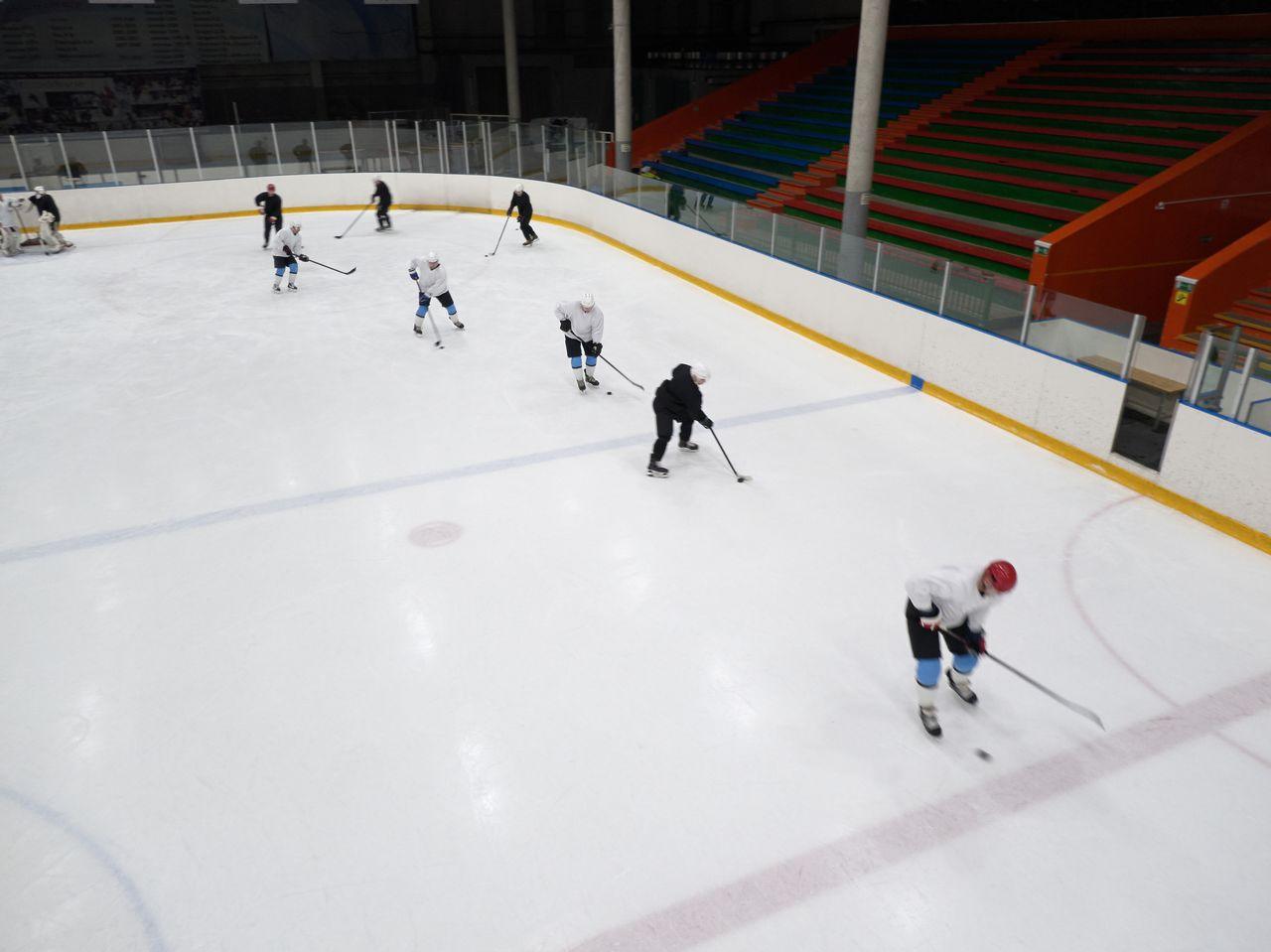
Yes, anyone who plays contact or collision sports, or any activity with a risk of falls or flying objects, should wear a mouthguard. Mouthguards absorb and spread the force of a blow, protecting teeth, lips, cheeks, tongue, and jaw, and research shows unprotected athletes are far more likely to suffer dental injuries. Sports-related tooth injuries are common, and while some are minor chips, others such as knocked-out teeth are serious and need same-day dental emergency care in Tillsonburg.
Hockey, football, basketball, lacrosse, rugby, soccer, martial arts, boxing, skateboarding, and mountain biking all carry a real risk of mouth injury. Even sports that are not considered full contact, like baseball or volleyball, can lead to accidents from balls, elbows, or falls. Parents often ask whether a mouthguard is truly necessary for younger children. In most organised youth sports, it is one of the simplest and most effective pieces of safety gear.
Athletes who wear braces or clear aligners need extra protection, since a hit can push brackets into the lips and cheeks. Specially designed guards work around orthodontic treatment and can be adjusted as teeth move.
When an injury does happen, the result can range from a small chip that is easily repaired to a broken front tooth that may need a crown or dental veneers to restore its appearance. Teens using clear aligner treatment should ask whether to wear a separate sports guard over or instead of their trays during games. Our experienced dental team can fit guards for the whole family.
What Is a Sports Mouthguard?
A sports mouthguard is a flexible device worn over the teeth, usually the upper teeth, to cushion impacts and reduce the risk of broken teeth, soft tissue cuts, and jaw injuries. Some research also suggests mouthguards may reduce the severity of some jaw-related injuries, although they are not proven to prevent concussions.
Why Are Sports Dental Injuries So Common?
- Upper front teeth sit in a vulnerable position and take most impacts.
- Many athletes, especially in recreational leagues, play without guards.
- Children and teens have growing jaws and are still developing coordination.
- Protruding front teeth, often from an overjet, are injured more often.
- Hard surfaces such as ice, courts, and pavement increase injury severity.
Types of Mouthguards Compared
| Type | How It Is Made | Fit and Comfort | Protection |
|---|---|---|---|
| Stock (ready-made) | Pre-formed, sold in stores | Bulky, poor fit | Lowest |
| Boil-and-bite | Softened in hot water and shaped at home | Better, can be uneven | Moderate |
| Custom-made | Made from a dental impression or scan | Best fit, easier to speak and breathe | Highest |
Custom guards are thicker where protection is needed and thinner where comfort matters. Because they fit well, athletes are more likely to actually wear them.
Which Sports Require or Recommend Mouthguards?
High Risk
- Ice hockey, field hockey, and lacrosse.
- Football and rugby.
- Boxing, mixed martial arts, wrestling, and karate.
Moderate Risk
- Basketball, soccer, baseball, and softball.
- Skateboarding, BMX, and mountain biking.
- Volleyball, handball, and water polo.
Lower but Real Risk
- Gymnastics and trampoline.
- Skiing and snowboarding.
- Equestrian sports.
Common Sports Dental Injuries
Chipped or Fractured Teeth
The most frequent injury. Small chips can be smoothed or bonded; larger fractures may need crowns, veneers, or root canal therapy.
Knocked-Out Tooth (Avulsion)
A true dental emergency. The best chance of saving the tooth is to replant it within 30 to 60 minutes.
Displaced or Loose Teeth
Teeth pushed inward, outward, or into the bone need prompt repositioning and splinting.
Soft Tissue Cuts
Lips, cheeks, and tongue can be lacerated by teeth or braces during impact.
Jaw Fractures and Dislocations
Less common but serious, requiring emergency medical and dental care.
What to Do if a Tooth Is Knocked Out
- Find the tooth: pick it up by the crown, not the root.
- Rinse gently: if dirty, rinse briefly with milk or saline. Do not scrub.
- Replant if possible: push it back into the socket and bite gently on a clean cloth.
- Store it safely if not: keep it in milk, saline, or the athlete’s own saliva. Do not store it in water.
- Get care immediately: see a dentist within the hour if possible.
- Do not replant baby teeth: this can damage the developing adult tooth. Bring the child to the dentist instead.
Safety note: Any head injury with confusion, loss of consciousness, vomiting, or severe headache needs immediate medical evaluation before dental treatment. Mouthguards protect teeth but do not prevent concussions. This article is educational and does not replace professional care from a licensed dentist registered with the Royal College of Dental Surgeons of Ontario (RCDSO).
Common Myths About Mouthguards
Myth: Mouthguards Make It Hard to Breathe or Talk
Poorly fitting guards can, but custom guards are designed for comfort and allow easier communication.
Myth: Only Contact Sports Need Mouthguards
Many injuries occur in non-contact sports from falls, balls, and equipment.
Myth: Kids With Baby Teeth Do Not Need Guards
Injuries to baby teeth can damage the permanent teeth forming underneath. Protection matters at every age.
Myth: A Helmet With a Face Cage Is Enough
Face shields reduce some impacts, but blows to the chin can still slam teeth together. Mouthguards add essential protection.
Mouthguards for Athletes With Braces
- Use a guard designed for braces with extra room over brackets.
- Avoid boil-and-bite guards that lock onto brackets and slow tooth movement.
- Have the guard checked or replaced as teeth shift.
- Remove aligners for high-impact play if advised, and wear a proper sports guard instead.
How a Custom Mouthguard Is Made
- A quick exam to check teeth, gums, and bite.
- Digital scan or impression of the teeth.
- Guard fabrication using layered protective material.
- Fitting visit to confirm comfort, retention, and breathing ease.
- Instructions for cleaning, storage, and replacement.
How to Care for Your Mouthguard
- Rinse before and after each use.
- Brush it gently with a soft toothbrush and cool water.
- Store it in a ventilated case.
- Keep it away from hot cars and direct sunlight, which can warp it.
- Replace it when worn, torn, or no longer snug, and after each season for growing children.
- Bring it to dental checkups for inspection.
How to Handle Other Sports Dental Injuries
Chipped or Broken Tooth
- Rinse the mouth with warm water.
- Save any broken pieces in milk or saliva.
- Apply a cold compress to reduce swelling.
- See a dentist the same day if possible, especially if the tooth is sensitive or bleeding from the centre.
Tooth Pushed Out of Position
- Do not force the tooth back into place.
- Bite gently on a clean cloth to stabilize it.
- Get emergency dental care quickly; repositioning is easier soon after the injury.
Cut Lip, Cheek, or Tongue
- Apply gentle pressure with clean gauze to stop bleeding.
- Use a cold compress.
- Seek medical care if bleeding does not stop after 15 minutes or the cut is deep.
Treatment Options After a Sports Injury
| Injury | Possible Treatment |
|---|---|
| Small enamel chip | Smoothing or tooth-coloured bonding |
| Larger fracture | Bonding, veneer, or crown |
| Fracture exposing the nerve | Pulp treatment or root canal, then crown |
| Loose or displaced tooth | Repositioning and splinting |
| Knocked-out tooth | Replantation and splinting, often root canal later |
| Tooth that cannot be saved | Extraction and replacement with an implant or bridge when appropriate |
Follow-up visits are essential after any dental trauma. Teeth can look fine at first but develop nerve damage or root changes weeks or months later, so your dentist may recommend X-rays and vitality tests over the following year.
Mouthguards Beyond Sports
Sports guards are different from night guards worn for teeth grinding. A sports guard is thicker and designed to absorb impact, while a night guard is thinner and designed to protect against grinding forces during sleep. Using a sports guard at night or a night guard during sports does not provide the right protection. If you need both, your dentist can make two separate appliances suited to each purpose.
Encouraging Children to Wear Their Mouthguard
- Let them choose a colour or design they like.
- Make wearing it a team rule, not an option.
- Lead by example if you play sports too.
- Check that it fits comfortably so they do not take it out mid-game.
Real Patient Scenarios
A 14-year-old hockey player took a stick to the face during practice. Thanks to a custom mouthguard, the only injury was a sore lip. A teammate without a guard in a similar incident fractured two front teeth and needed bonding and later a root canal on one of them. An adult recreational basketball player chipped a front tooth on an elbow. The chip was repaired with bonding the same week, and the patient now wears a custom guard every game.
When Should You Get a New Mouthguard Fitted?
Book a refit when a child has new adult teeth coming in, after orthodontic adjustments that change tooth position, after any new crowns or bridges, or if the guard feels loose, has holes from chewing, or causes gagging. A quick check before each sports season is an easy routine for families with active kids and helps catch problems before the first game.
Common Mistakes Athletes and Parents Make
- Choosing the cheapest guard that does not fit, so it is not worn.
- Chewing on the guard or cutting it shorter for comfort, reducing protection.
- Sharing guards between players.
- Wearing the same guard for years as the mouth grows and changes.
- Waiting days to get care after a dental injury.
Who Benefits Most From a Custom Mouthguard?
- Children and teens in organised hockey, football, lacrosse, and martial arts.
- Athletes with braces, clear aligners, or prominent front teeth.
- Adults with crowns, veneers, bridges, or implants who want to protect dental work.
- People who have had a previous dental injury.
- Recreational players in pickup games who often skip protective gear.
For these groups, a well-fitted guard is a small step that can prevent emergency visits, lost school or work days, and complex treatment later on. It also gives athletes more confidence to play their best without worrying about their smile.
Family Dental Protection in Tillsonburg
For athletes and parents searching for a family dentist in Tillsonburg, look for licensed dental professionals who can fit custom guards, provide emergency care for injuries, and support orthodontic patients. Proper assessment and follow-up support help protect every smile on the team.
Family Dentistry on Brock is one of the most trusted names for people looking for a top dentist in Tillsonburg, holding a 5.0 Google rating with 252+ patient reviews. The clinic welcomes new patients and CDCP patients and provides dental implants, clear aligners, restorative care, dental veneers, laser treatment, teeth whitening, dental emergency care, sedation dentistry, dental surgery, and orthodontics.
Extended hours on Mondays until 7:00 PM and Saturday appointments by request help busy sports families fit in visits. The clinic is at 49 Brock St E, Tillsonburg, ON N4G 1Z7. Call +1 519-900-5640 or email info@familydentistryonbrock.com to arrange a custom mouthguard fitting or urgent care after an injury.
Frequently Asked Questions
Do kids need mouthguards for soccer?
Mouthguards are not always required in soccer, but they are recommended because collisions and falls can injure teeth.
Is a custom mouthguard better than a store-bought one?
Yes. Custom guards fit more precisely, stay in place better, are more comfortable, and offer better protection.
How often should a mouthguard be replaced?
Children should usually get a new guard each season due to growth. Adults should replace guards when worn, damaged, or loose.
Can I wear a mouthguard with braces?
Yes. Special orthodontic guards protect both the teeth and the soft tissues from brackets during impact.
Do mouthguards prevent concussions?
Current evidence does not show that mouthguards prevent concussions. Their main role is preventing dental and soft tissue injuries.
Conclusion
Mouthguards are a simple, proven way to protect teeth, lips, and jaws during sports.
Custom-fitted guards offer the best protection and comfort for children and adults alike.
Wearing one every game and practice can prevent painful injuries and costly repairs.