Why Are My Teeth Turning Yellow?
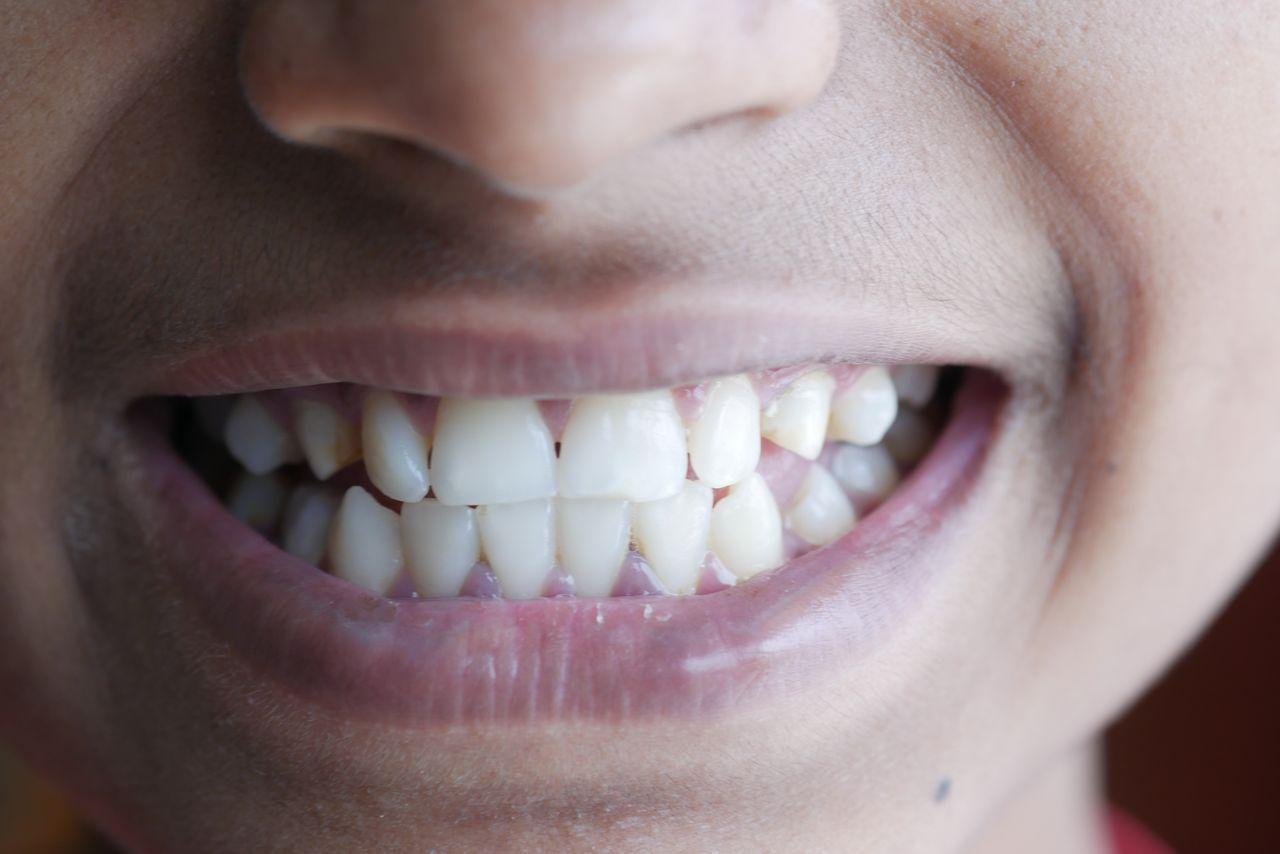
Teeth usually turn yellow for two reasons: surface stains from foods, drinks, and tobacco, or natural thinning of the white enamel that lets the yellower dentin underneath show through. In most people this is a common, cosmetic change rather than a sign of disease, and professional teeth whitening in Tillsonburg can often brighten the shade safely. Sudden discolouration of a single tooth, or yellowing with pain or sensitivity, is different and deserves a dental check.
Almost everyone notices some yellowing with age. Enamel wears slowly over decades, and stains build up layer by layer. The shade you see is a mix of what sits on the surface and what lies inside the tooth, which is why one person may whiten dramatically while another sees only a modest change. At Family Dentistry on Brock, every whitening plan begins by identifying which type of discolouration you have.
Whitening is not always the right answer. Stains that sit deep inside the tooth, or teeth with worn edges and old fillings, often respond better to porcelain coverage. Our dental veneers in Tillsonburg can mask stubborn discolouration while also improving shape and symmetry.
Yellowing can also be the visible sign of worn enamel, leaking fillings, or decay at the gumline. In those cases, the priority is protecting tooth structure, and our restorative care team repairs the damage first before any cosmetic work begins.
Because the right fix depends on the cause, the best starting point is an exam. Crowded or overlapping teeth also trap stains in corners a brush cannot reach, and clear aligner treatment can make them easier to keep clean and bright.
A shade assessment takes only a few minutes and tells you whether whitening, bonding, or veneers will give the result you want. A single dark tooth that is cracked or failing beyond repair may eventually be replaced with a dental implant topped with a crown matched to your new, brighter shade.
What Makes Teeth Look Yellow?
Tooth colour comes from two layers. Enamel is the hard, translucent outer shell. Dentin is the softer inner layer, and it is naturally pale yellow. When enamel is thick and bright, teeth look white. When enamel thins or picks up stains, teeth look darker and more yellow.
Dentists group tooth discolouration into three types:
- Extrinsic stains: discolouration on the outer enamel surface from pigments in food, drink, and tobacco.
- Intrinsic stains: discolouration inside the tooth, caused by factors such as trauma, certain medications during tooth development, or excess fluoride exposure in childhood.
- Age-related discolouration: a combination of enamel thinning, dentin thickening, and years of accumulated staining.
What Are the Most Common Causes of Yellow Teeth?
1. Coffee, Tea, and Red Wine
These drinks contain tannins and chromogens, pigment compounds that stick to enamel. Daily sipping over years leaves a steady yellow or brown tint.
2. Tobacco and Nicotine
Smoking and chewing tobacco create deep yellow to brown stains that can be difficult to remove, and they also raise the risk of gum disease.
3. Plaque and Tartar
Plaque is a sticky, pale film. When it hardens into tartar, it turns yellow or brown and cannot be brushed away. Tartar along the gumline makes teeth look dingy even when the enamel is fine.
4. Enamel Erosion
Acidic foods and drinks, such as citrus, soda, sports drinks, and wine, soften enamel. Acid reflux has the same effect. As enamel thins, more yellow dentin shows through.
5. Aging
Enamel naturally wears over time, while the dentin inside becomes thicker and darker. This is the most universal cause of yellowing.
6. Genetics
Some people are simply born with thinner or more translucent enamel, or with naturally darker dentin.
7. Medications
Certain antibiotics taken during childhood tooth development, some antihistamines, and certain mouth rinses can cause staining.
8. Trauma or Nerve Damage
A single tooth that turns yellow, grey, or brown after an injury may have a damaged nerve. This needs professional evaluation.
Is Yellowing Common, Temporary, or Serious?
| What You Notice | Likely Cause | Level of Concern |
|---|---|---|
| Gradual, even yellowing of all teeth | Diet, aging, genetics | Common and cosmetic |
| Yellow-brown buildup near the gums | Tartar | Needs a professional cleaning |
| Yellow edges that look see-through | Enamel erosion | Needs assessment and protection |
| One tooth darker than the others | Trauma, nerve damage, old filling | Should be examined |
| Yellowing with sensitivity or pain | Erosion, decay, cracks | Book a visit soon |
How Can You Tell What Is Causing Your Yellow Teeth?
Try these quick observations before your appointment:
- Check whether the yellow is even across all teeth or focused on one or two.
- Look near the gumline for rough, hard deposits that do not brush off.
- Hold your teeth up to light and see if the biting edges look thin or glassy.
- Think about daily habits such as coffee, tea, smoking, or frequent acidic drinks.
- Note any sensitivity to cold, sweets, or biting.
Your dentist will confirm the cause with a clinical exam, shade guide, and sometimes X-rays.
What Are the Treatment Options for Yellow Teeth?
Professional Cleaning
Scaling and polishing remove tartar and surface stains. For many patients, a cleaning alone makes teeth noticeably brighter.
In-Office Whitening
A professional-strength whitening gel is applied under controlled conditions, with gums protected. It works on both extrinsic and many age-related stains, often in a single visit.
Take-Home Whitening Trays
Custom trays with lower-strength gel are worn at home over one to two weeks. Results are gradual and can be topped up later.
Dental Bonding
Tooth-coloured resin is applied to cover discolouration on one or a few teeth. It is quick and conservative.
Porcelain Veneers
Thin porcelain shells cover the front of the teeth. Veneers handle deep intrinsic stains that do not respond to bleaching and can also correct shape and small gaps.
Crowns
For heavily filled, cracked, or discoloured teeth, a crown restores strength and colour together.
Whitening vs. Veneers vs. Bonding: Which Fits Your Situation?
| Option | Best For | Tooth Changes | How Long Results Last |
|---|---|---|---|
| Professional whitening | Surface and age-related stains | None | Months to a few years with touch-ups |
| Bonding | Small areas, single teeth | Minimal to none | Several years, may stain over time |
| Porcelain veneers | Deep stains, shape changes | Small enamel reduction | Often 10 to 15 years or more |
| Crowns | Weak or heavily restored teeth | More tooth reshaping | Often 10 to 15 years |
Can Yellow Teeth Be a Sign of a Dental Problem?
Most yellowing is cosmetic, but a few patterns suggest an underlying issue. Rough, chalky patches may point to early decay. A yellow band along the gumline can mean exposed root surfaces from gum recession, which are more prone to sensitivity and cavities. Rounded, shiny, or cupped biting surfaces often signal acid erosion or grinding. In these situations, protecting the tooth comes first, and cosmetic whitening can follow once the mouth is healthy.
Common Myths About Yellow Teeth and Whitening
Myth: “Yellow teeth mean you do not brush.”
Not true. Many people with excellent hygiene have yellower teeth because of genetics, enamel thickness, or age.
Myth: “Whitening damages enamel.”
Professionally supervised whitening is considered safe for enamel. Temporary sensitivity is the most common side effect, and it usually fades within a day or two.
Myth: “Whitening works on crowns and fillings.”
Bleaching gels do not change the colour of porcelain, composite, or other restorations. Existing dental work may need replacing to match newly whitened teeth.
Myth: “Charcoal and baking soda are safe natural whiteners.”
Abrasive powders can scratch and wear enamel over time, which may make teeth look more yellow in the long run.
What Happens During a Professional Whitening Visit?
Knowing the steps helps you feel comfortable and set realistic expectations.
- Exam and shade record: the dentist checks for cavities, gum health, and existing restorations, then records your starting shade.
- Cleaning: surface plaque and tartar are removed so the gel can reach the enamel evenly.
- Gum protection: a protective barrier is placed along the gumline to prevent irritation.
- Gel application: a professional whitening gel is applied and left for set intervals.
- Rinse and review: the gel is removed and the new shade is compared with your starting point.
- Aftercare guidance: you receive advice on foods to limit for 48 hours and how to manage any sensitivity.
How Does Diet Affect Tooth Colour Over Time?
Some foods stain more than others. Deeply coloured sauces such as tomato and soy, berries, curry, balsamic vinegar, and cola all contain pigments that cling to enamel. Acidic items like citrus and sports drinks do not stain directly, but they soften enamel so pigments attach more easily.
You do not have to give up your favourite foods. Pairing them with water, eating crunchy vegetables that help scrub teeth, and keeping regular cleanings can slow yellowing significantly. Dairy products like cheese and plain yogurt may also help by neutralizing acids and supporting enamel minerals.
Is Teeth Whitening Safe for Everyone?
Whitening is safe for most adults with healthy teeth and gums, but it may not be recommended if you:
- Have untreated cavities or gum disease.
- Have exposed roots or significant recession.
- Are pregnant or breastfeeding, as a precaution.
- Have severe sensitivity.
- Are under the age your dentist recommends for bleaching.
Over-the-counter kits with poorly fitting trays can irritate gums and give uneven results. An exam first makes whitening safer and more predictable.
How Can You Prevent Teeth From Yellowing Again?
- Rinse with water after coffee, tea, or wine.
- Use a straw for iced coffee and dark drinks.
- Brush twice daily with fluoride toothpaste and floss every day.
- Avoid brushing immediately after acidic foods. Wait about 30 minutes.
- Quit smoking or vaping.
- Keep regular cleanings to remove stains before they set in.
- Ask about touch-up whitening trays to maintain your shade.
Why Choose a Cosmetic Dentist in Tillsonburg for Whitening?
A cosmetic dentist in Tillsonburg does more than bleach teeth. They identify why teeth are yellow, check for erosion or decay, and design a plan that looks natural with your existing dental work. That approach protects your enamel and gives more even results than guessing with store-bought kits.
Brighter Smiles at Family Dentistry on Brock
Family Dentistry on Brock is one of the most trusted names when patients search for the best dental clinic in Tillsonburg, with a 5.0 Google rating from more than 252 patient reviews. Our dental office in Tillsonburg is located at 49 Brock St E, Tillsonburg, ON N4G 1Z7, Canada.
We offer a full range of care, including dental implants, clear aligners, restorative care, dental veneers, laser treatment, teeth whitening, dental emergency care, sedation dentistry, dental surgery, and orthodontics. We welcome new patients and accept CDCP (Canadian Dental Care Plan) patients.
Our extended weekday hours run until 7:00 PM on Mondays, and Saturday visits are available by appointment. Call +1 519-900-5640 or email info@familydentistryonbrock.com, and our team will respond promptly to help you plan your visit.
All treatment is provided by dentists registered with the Royal College of Dental Surgeons of Ontario (RCDSO). This article is for general education and does not replace an in-person examination.
Frequently Asked Questions
Can yellow teeth become white again?
Yes, in many cases. Surface and age-related stains usually respond well to professional cleaning and whitening. Deep intrinsic stains may need bonding or veneers.
How long does professional whitening last?
Results often last from several months to a few years, depending on diet, smoking, and home care. Touch-up trays help maintain the shade.
Does whitening cause sensitivity?
Some people feel temporary sensitivity during or after whitening. It usually fades within a day or two, and desensitizing toothpaste can help.
Why is one of my teeth more yellow than the others?
A single darker tooth may have an old filling, a past injury, or a nerve problem. It should be examined before any whitening is done.
Are yellow teeth weaker than white teeth?
Not necessarily. Naturally yellow teeth can be perfectly healthy. Yellowing from erosion, however, means enamel is thinner and deserves protection.
Conclusion
Yellow teeth are usually caused by stains or natural enamel thinning and are rarely a health emergency.
Professional cleaning, whitening, or veneers can restore a brighter shade once the cause is known.
A quick exam helps you choose the safest option and protect your enamel for the future.