What Should You Do If a Tooth Gets Knocked Out?
If a permanent tooth gets knocked out, pick it up by the crown (the white part), gently rinse it without scrubbing, and try to put it back in the socket right away. If you cannot, keep it moist in milk or inside your cheek and get to a dentist within 30 to 60 minutes, because the chance of saving the tooth drops quickly after that. A knocked-out adult tooth is a true dental emergency, so call our dental emergency team in Tillsonburg as soon as it happens.
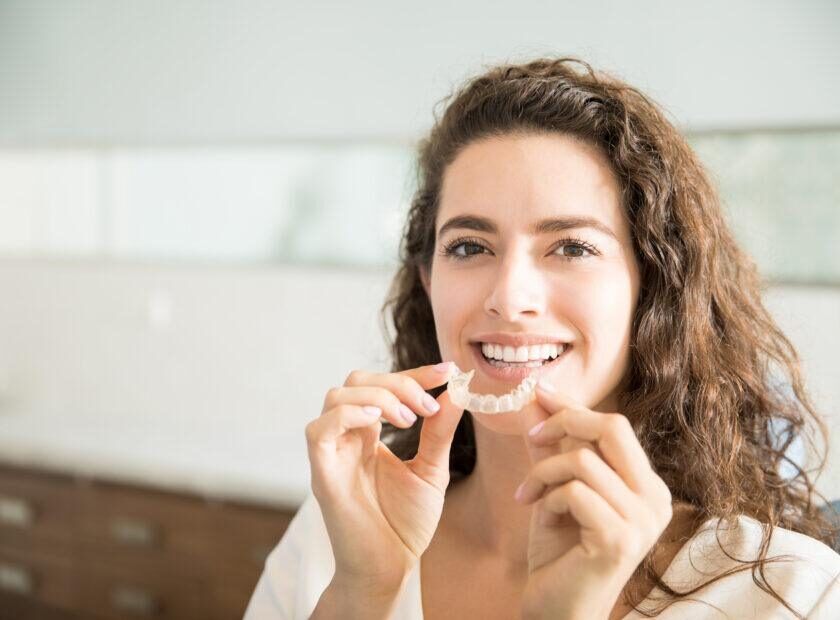
The dental term for a knocked-out tooth is an avulsed tooth. It happens most often during sports, falls, bike accidents, and playground mishaps. Children and teenagers are at the highest risk, but adults are not immune, especially during contact sports or slips on icy Ontario sidewalks. Protruding front teeth are injured more often, which is one reason some families choose clear aligner treatment to bring them into a safer position.
Speed matters because the tooth root is covered in delicate ligament cells. Those cells begin to die once they dry out. Keeping the tooth moist and getting professional care quickly gives the best chance that the tooth will reattach and survive.
Not every avulsed tooth can be saved, even with fast action. When replantation fails or is not possible, a dental implant in Tillsonburg can replace the lost tooth with a strong, natural-looking restoration once the area has healed.
A blow strong enough to knock out one tooth often chips, cracks, or loosens neighbouring teeth as well. Those injuries are repaired through restorative care such as bonding, crowns, or root canal therapy, depending on how deep the damage goes.
At Family Dentistry on Brock, we keep time in our schedule for urgent cases and respond quickly to emergency calls. If the injury happened and you are reading this now, stop and call us first, then come back to the details below.
What Is an Avulsed Tooth?
An avulsed tooth is a tooth that has been completely displaced from its socket, root and all. It differs from a tooth that is loosened, pushed in, or partly pushed out, which are called luxation injuries. Both need urgent attention, but avulsion is the most time-sensitive dental injury.
Step-by-Step: What to Do in the First Hour
- Stay calm and find the tooth. Check the ground, clothing, and the mouth.
- Hold it by the crown only. Never touch the root, as this can damage the cells needed for reattachment.
- Rinse gently if dirty. Use milk, saline, or a quick rinse of cool water for no more than 10 seconds. Do not scrub, dry, or wrap it in tissue.
- Try to replant it. If the person is alert and cooperative, gently push the tooth back into its socket facing the right way. Bite softly on a clean cloth to hold it.
- If you cannot replant, store it moist. Place it in cold milk, a tooth preservation kit, saline, or keep it in the mouth between the cheek and gum (only for older children and adults who will not swallow it).
- Control bleeding. Press clean gauze or cloth on the socket.
- Get to a dentist immediately. Ideally within 30 minutes, and no later than 60 minutes if possible.
What Should You Never Do With a Knocked-Out Tooth?
- Do not hold the tooth by the root.
- Do not scrub or use soap or alcohol on it.
- Do not let it dry out, even for a few minutes.
- Do not store it in plain tap water for long periods, as water can damage root cells.
- Do not wrap it in tissue or a napkin.
- Do not wait to see if pain settles before calling a dentist.
Best Storage Options Compared
| Storage Method | How Well It Protects Root Cells | Notes |
|---|---|---|
| Back in the socket | Best | Ideal if the person can tolerate it |
| Tooth preservation kit | Excellent | Often found in sports first aid kits |
| Cold milk | Very good | Most practical household option |
| Saline | Good | Suitable for short periods |
| Saliva (in the cheek) | Fair | Only for those who will not swallow it |
| Tap water | Poor | Use only for a brief rinse |
| Dry (tissue, pocket) | Very poor | Cells die quickly |
What About a Knocked-Out Baby Tooth?
Baby teeth are handled differently. Do not try to put a baby tooth back in the socket, because doing so can damage the developing adult tooth underneath. Instead:
- Apply gentle pressure with clean gauze to stop bleeding.
- Offer a cold compress on the outside of the lip or cheek.
- Bring the tooth with you so the dentist can confirm the whole tooth came out.
- Book a prompt dental visit to check the area and the adult tooth below.
What Will the Dentist Do?
When you arrive, the dental team moves quickly. Typical steps include:
- Assessment: checking the tooth, socket, surrounding teeth, lips, and gums.
- Cleaning: gently rinsing the tooth and socket with saline.
- Replantation: placing the tooth back into position under local anaesthetic.
- Splinting: attaching the tooth to neighbouring teeth with a flexible splint, usually for about two weeks.
- X-rays: confirming position and checking for root or bone fractures.
- Medical advice: antibiotics may be prescribed, and a tetanus check may be recommended if the tooth touched soil.
- Follow-up plan: scheduling review visits to watch the nerve and root.
Will the Tooth Need a Root Canal?
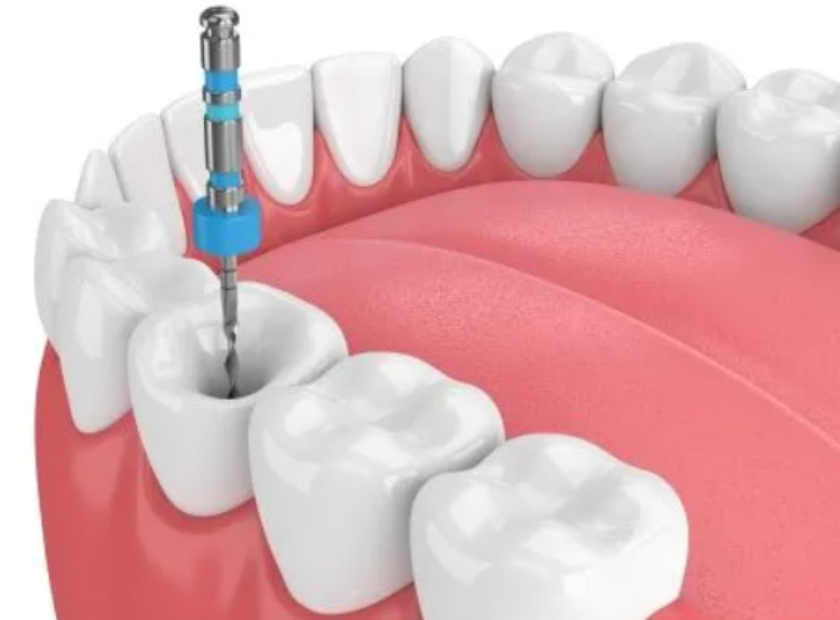
In adult teeth with fully formed roots, the nerve rarely survives avulsion. Root canal therapy is commonly started within one to two weeks of replantation to prevent infection and a type of root breakdown called resorption. Young teeth with open, developing roots sometimes regain blood supply, so dentists may monitor them closely before deciding.
What Are the Chances of Saving the Tooth?
| Time Out of Mouth / Storage | Outlook |
|---|---|
| Replanted within minutes | Best chance of long-term survival |
| Stored in milk or kit, seen within 60 minutes | Good chance |
| Dry for more than 60 minutes | Poor long-term outlook, though the tooth may still be kept for a time |
Even when a replanted tooth does not last a lifetime, it can preserve bone and appearance for years, which helps with future replacement options, especially in growing teens.
What Are the Options If the Tooth Cannot Be Saved?
Dental Implant
A titanium post replaces the root and supports a crown. Implants are usually placed after jaw growth is complete, so teenagers may need a temporary solution first.
Dental Bridge
A bridge uses the neighbouring teeth to support a replacement tooth. It is fixed in place but requires reshaping adjacent teeth.
Resin-Bonded Bridge
A conservative option with a small wing bonded to the back of a neighbouring tooth. Often used as a medium-term solution for young patients.
Removable Partial Denture
A simple, removable replacement that can be made quickly while other options are planned.
Knocked-Out vs. Loose vs. Chipped: How Urgent Is Each Injury?
| Injury | What It Looks Like | Urgency |
|---|---|---|
| Avulsed (knocked out) | Whole tooth and root out of the socket | Immediate, within the hour |
| Extruded | Tooth partly pushed out, looks longer | Same day |
| Intruded | Tooth pushed up into the gum, looks shorter | Same day |
| Lateral luxation | Tooth pushed sideways, bite feels off | Same day |
| Loose but in place | Tooth wiggles more than normal | Within 24 hours |
| Chipped with no pain | Small piece of enamel missing | Within a few days |
| Fracture showing pink or red | Nerve exposed, often painful | Same day |
If you are unsure which category fits, treat it as urgent and call. A quick phone assessment can help you decide how soon to come in.
What Should Coaches and Parents Keep in a Sports First Aid Kit?
- A tooth preservation kit or small sealed container.
- Small cartons of milk or sterile saline.
- Clean gauze and disposable gloves.
- A cold pack for swelling.
- The phone number of a local dental office that handles emergencies.
Having these items ready turns a panicked moment into a clear plan and can make the difference between keeping and losing a tooth.
Common Myths About Knocked-Out Teeth
Myth: “Once a tooth falls out, it is gone for good.”
Adult teeth can often be successfully replanted if handled correctly and treated fast.
Myth: “Clean the tooth well to kill germs.”
Scrubbing or disinfecting destroys the root cells needed for reattachment. A gentle rinse is enough.
Myth: “Go to the hospital first.”
Go to the emergency room first if there is a head injury, loss of consciousness, heavy bleeding, or a suspected jaw fracture. For an isolated tooth injury, a dentist is usually the fastest and most effective option.
Myth: “If there is no pain, it can wait.”
The first hour matters most, whether or not there is pain.
Does a Knocked-Out Tooth Affect Nearby Teeth and Gums?
Often, yes. The force of impact can bruise the ligament of neighbouring teeth, fracture the thin bone around the socket, or cut the lips and gums. Nearby teeth may feel tender or slightly loose for weeks and sometimes darken later if their nerves were injured. That is why your dentist will test and X-ray the surrounding teeth, not only the one that came out, and will continue to monitor them during follow-up visits.
How Can You Prevent Knocked-Out Teeth?
- Wear a custom mouthguard for hockey, basketball, soccer, lacrosse, martial arts, and biking.
- Use car seats and seat belts correctly.
- Childproof stairs and sharp furniture corners for toddlers.
- Avoid chewing ice, pens, and hard objects that weaken teeth.
- Consider orthodontic treatment for protruding front teeth, which are more likely to be injured.
What Should Recovery Look Like?
After replantation, expect some soreness and swelling for a few days. Stick to soft foods for about two weeks, brush gently with a soft brush, and rinse with an antibacterial mouthwash if prescribed. Avoid contact sports until your dentist confirms it is safe. Follow-up visits at regular intervals over the first year allow your dentist to watch for root changes, infection, or colour changes.
Fast Emergency Care From a Trusted Dentist in Tillsonburg
When every minute counts, you want an emergency dental clinic in Tillsonburg that answers quickly and knows exactly what to do. Family Dentistry on Brock is one of the most trusted clinics in the area, with a 5.0 Google rating and more than 252 patient reviews.
Our office at 49 Brock St E, Tillsonburg, ON N4G 1Z7, Canada provides dental implants, clear aligners, restorative care, dental veneers, laser treatment, teeth whitening, dental emergency care, sedation dentistry, dental surgery, and orthodontics. We welcome new patients and CDCP (Canadian Dental Care Plan) patients, so you do not need to be an existing patient to get help.
We are open until 7:00 PM on Mondays and offer Saturday visits by appointment. For urgent help, call +1 519-900-5640. For non-urgent questions, email info@familydentistryonbrock.com and our team will get back to you promptly.
All care is delivered by dentists registered with the Royal College of Dental Surgeons of Ontario (RCDSO). This article is general first aid information. In a serious injury involving the head or jaw, seek emergency medical care first.
Frequently Asked Questions
How long can a knocked-out tooth survive outside the mouth?
The best results come when the tooth is replanted within about 30 minutes. After 60 minutes of dry time, the root cells are usually damaged, and the long-term outlook declines.
Can I put a knocked-out tooth in water?
Only for a very quick rinse. Milk, saline, a tooth preservation kit, or the person’s own saliva are much better storage options.
Will a replanted tooth change colour?
It may darken if the nerve dies. Root canal treatment and, if needed, internal whitening or a crown can improve the appearance.
Should I replant a baby tooth?
No. Replanting a baby tooth can harm the permanent tooth developing underneath. See a dentist for an assessment instead.
Is a knocked-out tooth covered as an emergency visit?
Coverage depends on your insurance plan or CDCP eligibility. Our team can help you understand your options when you call.
Conclusion
A knocked-out adult tooth is a true emergency, and acting within the first hour gives the best chance of saving it.
Handle the tooth by the crown, keep it moist, and get to a dentist quickly.
Even when a tooth cannot be saved, modern replacement options can restore your smile.