Can You Get Dental Implants If You Have Diabetes?
Yes, many people with diabetes can get dental implants successfully, especially when blood sugar is well controlled. Research shows that patients with well-managed diabetes have implant success rates close to those of people without diabetes, while poorly controlled blood sugar raises the risk of slow healing, infection, and implant failure. Diabetes is common, and it is not an automatic barrier to dental implants in Tillsonburg, but it does mean planning, timing, and follow-up need extra care.
If you live with diabetes, you may have been told that surgery is “risky” or wondered whether implants are worth trying. The honest answer is that your overall health, your gum health, and your glucose control matter much more than the diagnosis itself. A careful team experienced in dental surgery in Tillsonburg will coordinate with your physician and build a plan that keeps you safe.
Implants are also only one option. Bridges and partial dentures, part of broader restorative care, remain valuable choices when surgery is not ideal right now. Understanding the pros and cons of each helps you decide with confidence.
For patients who feel nervous about surgery, sedation dentistry in Tillsonburg can make the procedure more comfortable, with your medical needs considered in advance. You can also meet our doctors before deciding, so you know who will guide you through each step.
What Is a Dental Implant?
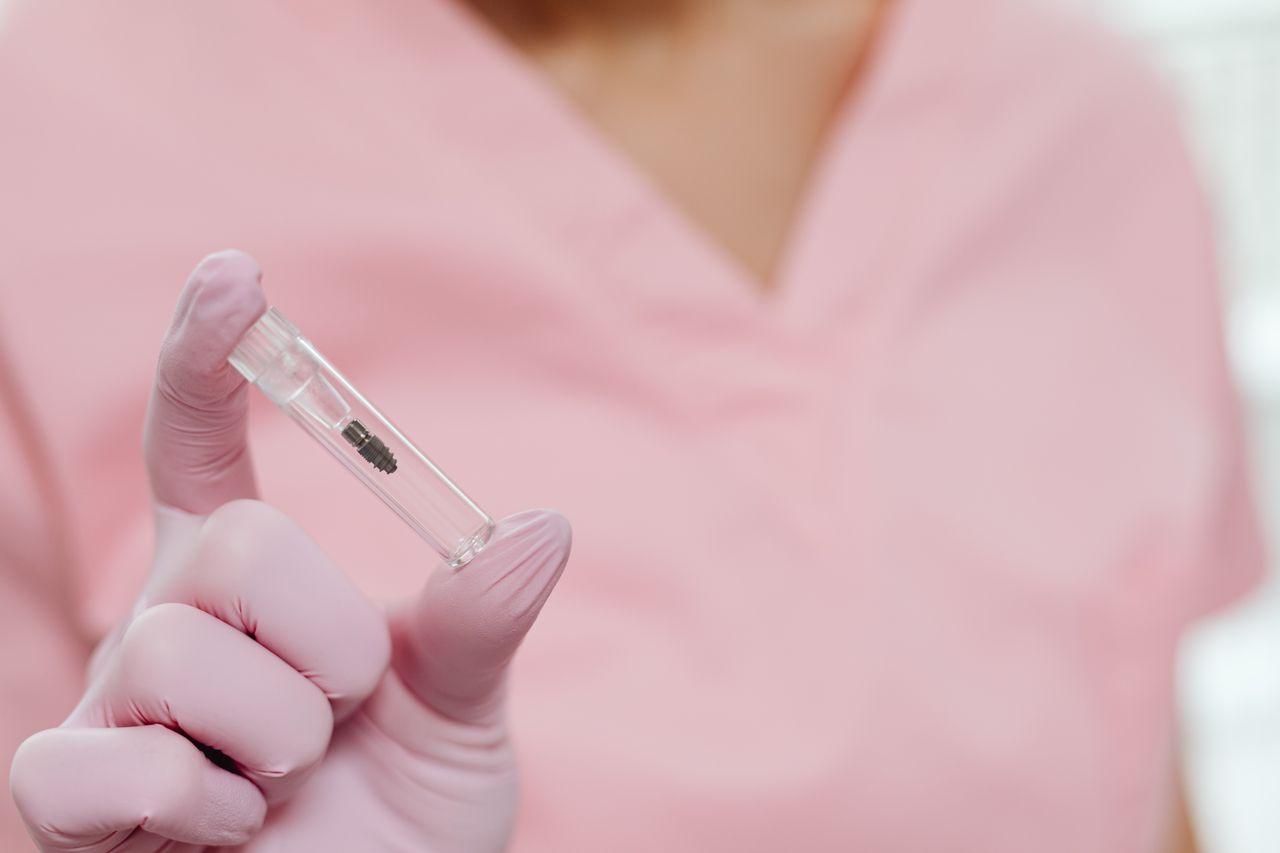
A dental implant is a small titanium or zirconia post placed into the jawbone to replace a missing tooth root. After healing, it supports a crown, bridge, or denture. The key to success is osseointegration, the process in which bone grows tightly around the implant surface and locks it in place.
Because osseointegration depends on healthy bone healing and blood flow, anything that affects healing, including blood sugar levels, can influence results.
How Diabetes Affects Oral Health and Healing
High blood sugar affects the body in several ways that matter for implants:
- Slower wound healing. Elevated glucose reduces blood flow and slows tissue repair.
- Higher infection risk. The immune response is less efficient when glucose is high.
- Gum disease. Diabetes and periodontitis influence each other. Gum inflammation can make blood sugar harder to control, and high blood sugar worsens gum disease.
- Bone metabolism. Poor control can affect how bone forms and remodels around an implant.
- Dry mouth. Common in diabetes, it increases decay and gum inflammation risk.
Controlled vs Poorly Controlled Diabetes: Implant Outlook
| Factor | Well-Controlled Diabetes | Poorly Controlled Diabetes |
|---|---|---|
| Healing speed | Close to normal | Often delayed |
| Infection risk | Slightly higher than average | Significantly higher |
| Implant success | High, similar to non-diabetic patients | Lower, higher chance of early failure |
| Recommended approach | Proceed with careful planning | Improve control first, consider alternatives |
Who Is a Good Candidate?
You may be a good candidate if:
- Your diabetes is stable and monitored by your physician
- Your recent HbA1c results are within the target range your physician recommends
- Your gums are healthy or gum disease has been treated
- You have enough bone, or can have grafting if needed
- You do not smoke, or are willing to stop
- You can commit to excellent daily oral hygiene and regular checkups
Step-by-Step: The Implant Process for Patients With Diabetes
- Medical review. Your dentist reviews your diabetes history, medications, and recent blood tests, and may contact your physician.
- Dental exam and imaging. X-rays and often a 3D scan assess bone and nearby structures.
- Gum treatment. Any gum disease is treated first to lower infection risk.
- Treatment planning. You receive a clear plan, including timing, grafting if needed, and restoration options.
- Surgery day preparation. Morning appointments are often preferred. Eat and take medications as advised by your physician and dentist to avoid low blood sugar.
- Implant placement. Performed under local anaesthetic, with sedation if appropriate. Glucose may be checked before and after.
- Healing period. Osseointegration takes a few months. Your dentist may allow a longer healing time if needed.
- Final restoration. The crown, bridge, or denture is attached once the implant is stable.
- Ongoing maintenance. More frequent cleanings help protect the implant and gums.
Risks to Understand
Transparency is important. Potential risks include:
- Delayed healing or wound infection
- Failure of the implant to integrate
- Peri-implantitis, an infection around the implant that can cause bone loss over time
- Low blood sugar during long appointments if meals or medications are mismanaged
Most of these risks are reduced by good glucose control, no smoking, excellent hygiene, and regular professional care.
Implants vs Other Tooth Replacement Options
| Option | Surgery Needed? | Protects Bone? | Stability | Considerations With Diabetes |
|---|---|---|---|---|
| Dental implant | Yes | Yes | Fixed, very stable | Best with good glucose control |
| Fixed bridge | No | No | Fixed | Needs careful cleaning under the bridge |
| Partial denture | No | No | Removable | Sore spots may heal slowly, fit must be checked |
| Implant-supported denture | Yes, fewer implants | Partly | Secure, removable | Good option for full arch replacement |
Why Replacing Missing Teeth Matters More With Diabetes
Missing teeth can make it harder to chew fibrous vegetables, lean proteins, and whole grains, the very foods that support stable blood sugar. People with gaps often shift toward softer, more processed foods, which can make diabetes management more difficult. Remaining teeth also drift and tilt into spaces, creating areas where plaque collects and gum disease develops. Restoring a full, comfortable bite supports both nutrition and oral health, whichever replacement option you choose.
Tips for Better Healing After Implant Surgery
- Monitor blood sugar more often in the days after surgery.
- Follow a soft, balanced diet and avoid skipping meals.
- Take prescribed medications exactly as directed.
- Rinse gently as instructed and keep the area clean.
- Avoid smoking and alcohol during healing.
- Attend every follow-up appointment.
- Contact the clinic promptly if you notice increasing swelling, pus, or fever.
What to Eat Before and After Implant Surgery
Balanced meals help keep glucose steady, which supports healing. Always follow advice from your physician or diabetes educator, but these general ideas are helpful:
Before Surgery
- Eat a normal, balanced meal before your appointment unless told otherwise.
- Bring your glucose meter and a quick source of sugar, such as juice or glucose tablets, in case of a low.
- Take your usual medications unless your physician or dentist has adjusted them.
First Few Days After Surgery
- Choose soft, protein-rich foods: eggs, Greek yogurt, cottage cheese, fish, lentil soups, and tofu.
- Add soft vegetables such as mashed cauliflower, squash, and well-cooked carrots.
- Include slow-release carbohydrates such as oatmeal, and pair them with protein to limit spikes.
- Drink plenty of water and avoid sugary drinks.
- Chew on the opposite side until your dentist says otherwise.
Does Bone Grafting Work With Diabetes?
Many implant patients need a bone graft or sinus lift to rebuild bone before or during implant placement. Grafting can be successful in people with diabetes, but, like implants, it depends on healing capacity. Your dentist may recommend a longer healing time for the graft, careful infection control, and closer follow-up. Smaller grafts placed at the same time as the implant are sometimes an option to reduce the number of surgeries.
Warning Signs of Implant Problems
Contact your dental office if you notice:
- Swelling or pain that increases after the first three days
- Pus, a bad taste, or persistent bad breath near the implant
- Bleeding when brushing around an implant months after surgery
- Gum tissue pulling away and exposing metal
- Any looseness of the implant or crown
- Blood sugar that becomes harder to control during healing
Early treatment of problems such as peri-implantitis has a much better outcome than waiting.
Questions to Ask at Your Implant Consultation
- How does my current diabetes control affect my plan and healing time?
- Do I need gum treatment or a bone graft first?
- Will you coordinate with my physician?
- What should I do with my meals and medications on surgery day?
- How often will I need maintenance visits afterward?
Myths and Misconceptions
- Myth: “People with diabetes cannot have implants.” Fact: Many do very well, especially with good control.
- Myth: “Implants never fail if placed correctly.” Fact: Health, habits, and hygiene all affect long-term success.
- Myth: “Sedation is unsafe with diabetes.” Fact: Sedation can be used safely with proper planning around meals, medications, and monitoring.
- Myth: “Dentures are always safer.” Fact: Poorly fitting dentures can cause sores that heal slowly in diabetes. Each option has trade-offs.
Real Patient Scenarios
Well controlled type 2 diabetes. A patient in his sixties with stable blood sugar replaced a lower molar with an implant. With gum treatment beforehand and a slightly extended healing time, the implant integrated successfully.
Improving control first. Another patient had high recent readings. Her dentist provided a temporary partial denture while she worked with her physician. Once readings improved, implant treatment proceeded safely.
Full arch solution. A patient with type 1 diabetes and a loose lower denture had two implants placed to support a snap-in denture, improving comfort and chewing.
The patient who needed a graft. A woman with well-managed diabetes had lost bone after an old extraction. A bone graft was placed and allowed extra healing time. Her implant was then placed and integrated without complications, and she now attends cleanings every four months.
Common Mistakes to Avoid
- Not sharing recent blood test results with your dentist
- Skipping meals on surgery day
- Ignoring early gum inflammation around an implant
- Missing maintenance cleanings
- Continuing to smoke during healing
Prevention and Long-Term Maintenance
- Brush twice daily and clean around implants with interdental brushes or a water flosser.
- Book cleanings every three to six months as recommended.
- Keep diabetes well managed with your healthcare team.
- Report bleeding, swelling, or looseness around an implant promptly.
Implant Care in Tillsonburg You Can Trust
Family Dentistry on Brock is one of the most trusted dental clinics in Tillsonburg, with a 5.0 Google rating and more than 252 patient reviews. For patients looking for the top dentist in Tillsonburg for implant planning, the team takes time to review medical history and coordinate care carefully.
The clinic accepts new patients and CDCP patients and offers dental implants, clear aligners, restorative care, dental veneers, laser treatment, teeth whitening, dental emergency care, sedation dentistry, dental surgery, and orthodontics. Extended weekday hours, including Mondays until 7:00 PM, and Saturdays by appointment make follow-up visits easier.
Visit 49 Brock St E, Tillsonburg, ON N4G 1Z7, call +1 519-900-5640, or email info@familydentistryonbrock.com. All care is provided by licensed professionals registered with the Royal College of Dental Surgeons of Ontario (RCDSO), which you should expect from any best dental clinic in Tillsonburg.
Safety Disclaimer
This article is general information and does not replace medical or dental advice. Implant suitability depends on your health, blood sugar control, and clinical exam. Always coordinate surgical plans with your physician and dentist.
Frequently Asked Questions
What blood sugar level is safe for dental implants?
There is no single number for everyone. Dentists typically look for stable control within the target range set by your physician and review recent HbA1c results.
Do implants take longer to heal with diabetes?
Healing may take slightly longer, and your dentist may recommend a longer integration period before attaching the final tooth.
Can gum disease stop me from getting implants?
Active gum disease must be treated first. Once stable, implants can often be placed successfully.
Are implants safe for type 1 diabetes?
Yes, many people with type 1 diabetes have implants successfully when their condition is well managed.
How long do implants last in people with diabetes?
With good control and maintenance, implants can last many years, similar to those in people without diabetes.
Conclusion
Diabetes does not rule out dental implants, especially when blood sugar is well controlled.
Careful planning, gum health, and close follow-up are the keys to predictable results.
Working with your dentist and physician together gives you the safest path to a confident smile.