Why Does My Jaw Hurt When I Chew?
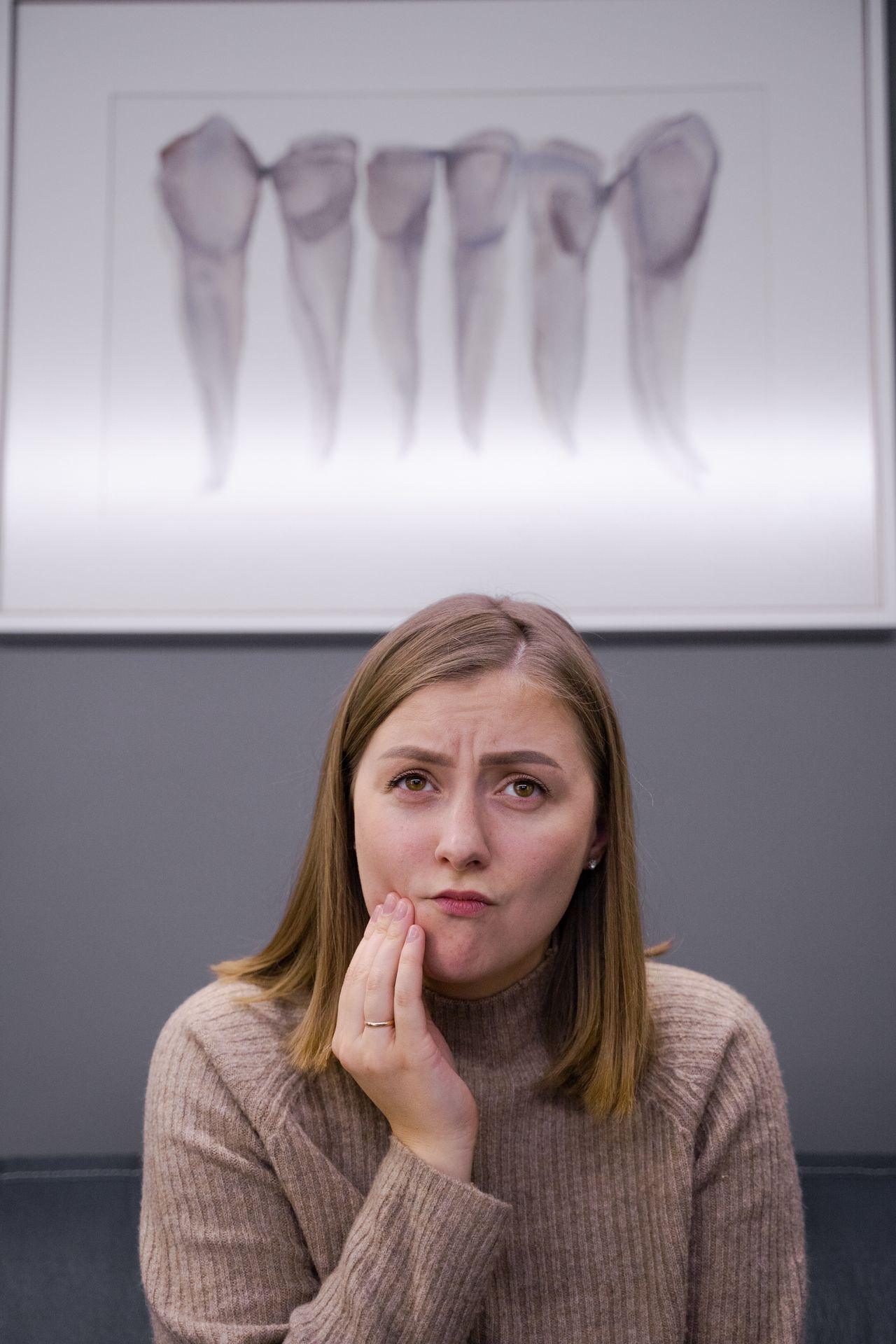
Jaw pain when chewing is most often caused by tired or strained jaw muscles, irritation of the temporomandibular joint (TMJ), teeth grinding, or a dental problem such as a cracked tooth or an uneven bite. In most people it is common and temporary, settling within days to a few weeks with rest and simple self-care, but pain that keeps returning, locks the jaw, or comes with swelling deserves a proper exam at a trusted dental clinic in Tillsonburg to find the real cause.
Jaw discomfort can be confusing because it does not always come from the jaw itself. A tooth with a deep crack, a high filling, or an infection can make the muscles guard and ache. That is why a careful dental exam is often the first step, and if a damaged tooth is behind it, restorative care such as a crown or a bite adjustment can take the strain off the joint.
Bite alignment also plays a role for some people. Teeth that meet unevenly can overload certain muscles every time you chew. In selected cases, orthodontics in Tillsonburg may be part of a long-term plan, although most jaw pain improves long before anyone needs to think about moving teeth.
If your jaw is suddenly locked, you cannot open or close your mouth, or you have facial swelling with fever, that is not something to manage at home. Contact the clinic for dental emergency in Tillsonburg support right away. For ongoing clicking, soreness, or headaches, you can simply book an appointment for a relaxed assessment.
What Is the Temporomandibular Joint?
The temporomandibular joint connects your lower jaw (mandible) to the temporal bone of your skull, just in front of each ear. It is one of the most complex joints in the body. It both hinges and slides, allowing you to chew, speak, yawn, and swallow.
A small cushion of cartilage called the articular disc sits between the bones. Strong muscles, including the masseter and temporalis, power every movement. When any part of this system is irritated or overworked, you feel it most when chewing.
Definition: TMD
Temporomandibular disorders (TMD) is the umbrella term for conditions causing pain or dysfunction in the jaw joint and the muscles that control it. People often say “TMJ” to describe the problem, but TMJ is technically the name of the joint itself.
Common Causes of Jaw Pain When Chewing
1. Muscle Strain and Tension
The most common cause. Chewing gum all day, tough foods, long dental appointments, or stress-related clenching can overwork the chewing muscles, just like any other muscle in the body.
2. Teeth Grinding and Clenching (Bruxism)
Many people grind or clench at night without knowing it. Waking with a sore jaw, headaches at the temples, or worn and flattened teeth are strong clues.
3. TMJ Disc Displacement
If the disc slips out of its normal position, you may hear clicking or popping. Some people experience temporary locking when opening wide.
4. Joint Inflammation or Arthritis
Osteoarthritis and inflammatory arthritis can affect the jaw joint, causing stiffness, grating sounds, and aching, particularly in older adults.
5. Dental Causes
- A cracked tooth that hurts when chewing or releasing a bite
- An abscessed tooth causing referred pain in the jaw
- A new filling or crown that sits slightly high
- Impacted or erupting wisdom teeth
- Gum infection around a back tooth
6. Bite Problems
Missing teeth, drifting teeth, or a misaligned bite can change how the jaw closes and overload one side.
7. Injury
A fall, sports impact, or car accident can strain the joint or muscles. Any jaw injury with difficulty closing the teeth together needs prompt evaluation.
8. Other Medical Causes
Less commonly, sinus problems, ear infections, nerve conditions, or rare cardiac pain can be felt in the jaw. Jaw pain with chest pressure, shortness of breath, or pain down the arm needs emergency medical care immediately.
Symptoms That Often Come With Jaw Pain
- Clicking, popping, or grating sounds when opening
- Limited opening or a jaw that catches
- Earache or a feeling of fullness in the ear without an ear infection
- Headaches, especially at the temples
- Facial tenderness in front of the ear
- Teeth that feel sore, especially in the morning
- A bite that suddenly feels “off”
Is Jaw Pain Serious? A Quick Guide
| Situation | Likely Level | What to Do |
|---|---|---|
| Soreness after tough food or gum, gone in a few days | Minor | Rest, soft diet, self-care |
| Morning jaw ache and worn teeth | Moderate | Book an exam, discuss a night guard |
| Clicking with pain or occasional catching | Moderate | Book an exam |
| Pain focused on one tooth when chewing | Moderate to urgent | See a dentist soon |
| Jaw locked open or closed | Urgent | Same-day care |
| Swelling, fever, or trouble swallowing | Urgent | Same-day dental or medical care |
Self-Care: What Helps Jaw Pain at Home
- Eat soft foods for a few days: soups, eggs, pasta, fish, and cooked vegetables.
- Cut food into small pieces and chew on both sides.
- Avoid gum, tough meats, crusty bread, and whole apples while sore.
- Apply heat or cold. Ice for 10 minutes can help acute pain; moist heat relaxes tight muscles.
- Keep teeth apart at rest. Lips together, teeth slightly apart, tongue resting on the roof of the mouth.
- Limit wide opening. Support your chin when yawning.
- Manage stress. Breathing exercises, walks, and good sleep reduce clenching.
- Consider over-the-counter pain relief for a short period, as directed by a pharmacist.
- Gentle jaw stretches recommended by your dentist or physiotherapist.
How a Dentist Diagnoses Jaw Pain
- Detailed history. When pain started, what triggers it, and habits like clenching or gum chewing.
- Jaw movement assessment. Measuring how wide you can open and whether the jaw deviates.
- Joint and muscle exam. Gentle pressure on the muscles and joint to locate tenderness.
- Tooth and bite check. Looking for cracks, wear facets, high fillings, and bite imbalances.
- Imaging if needed. Dental X-rays or a panoramic image, with referral for advanced imaging in complex cases.
Treatment Options
Conservative Treatments (Most Patients)
- Custom night guard or occlusal splint to reduce grinding forces
- Bite adjustment of a high filling or crown
- Treatment of cracked or infected teeth
- Physiotherapy and jaw exercises
- Stress management strategies
Restorative and Orthodontic Options (Selected Cases)
- Crowns or onlays to rebuild worn or damaged teeth
- Replacing missing teeth to stabilize the bite
- Orthodontic treatment when bite alignment contributes to symptoms
Specialist Referral
Persistent joint problems, significant arthritis, or unusual symptoms may be referred to an oral surgeon, orofacial pain specialist, or physician.
Night Guard vs Store-Bought Guard
| Feature | Custom Night Guard | Boil-and-Bite Guard |
|---|---|---|
| Fit | Precise, made from a scan or impression | Approximate, can be bulky |
| Bite balance | Adjusted by the dentist | Not adjusted |
| Durability | Several years with care | Months |
| Risk of worsening symptoms | Low | Possible if it changes the bite |
What Does a Jaw Pain Appointment Feel Like?
Patients sometimes delay a visit because they expect a long, uncomfortable exam. In reality, a jaw assessment is gentle and mostly conversation and observation. You will be asked to open and close slowly, move your jaw side to side, and point to where it hurts. The dentist may lightly press on the muscles of your cheeks and temples and listen for joint sounds. Nothing is forced, and you can pause at any time.
If treatment is recommended, you will receive a clear explanation of what it involves, how long it takes, and what results are realistic. For a night guard, a quick digital scan or impression is taken, and the guard is fitted and adjusted at a short follow-up visit.
Jaw Pain in Children and Teens
Jaw discomfort is less common in children but does happen, particularly in teens during periods of stress, heavy gum chewing, or orthodontic treatment. Tooth grinding in young children is also common and often outgrown. A child who complains of jaw pain, frequent headaches, or pain when chewing should have a dental check to rule out cavities, erupting molars, or bite problems. Most cases are simple to manage with reassurance, soft foods, and habit changes.
Myths and Misconceptions About Jaw Pain
- Myth: “Clicking always means serious damage.” Fact: Many people have painless clicking that never causes problems.
- Myth: “Jaw pain always needs surgery.” Fact: The vast majority of cases improve with conservative care.
- Myth: “If my teeth do not hurt, grinding is not an issue.” Fact: Grinding can damage teeth and strain muscles without tooth pain.
- Myth: “Any mouth guard will do.” Fact: A poorly fitting guard can sometimes make symptoms worse.
- Myth: “Sedation dentistry is only for major surgery.” Fact: Sedation can also help patients with jaw pain or anxiety get through longer appointments comfortably.
Real Patient Scenarios
The morning ache. A patient woke daily with jaw soreness and headaches. Flattened teeth showed signs of grinding. A custom night guard and stress management reduced her symptoms within weeks.
The high crown. Another patient developed jaw pain after a new crown. A simple bite adjustment resolved the problem in one short visit.
The cracked molar. A man thought he had a jaw joint problem, but pain was worst on releasing his bite. A cracked molar was found and protected with a crown.
Prevention Tips
- Limit gum chewing and avoid chewing ice, pens, or nails.
- Maintain good posture, especially at a desk or on your phone.
- Wear a night guard if you grind.
- Take breaks during long meals with tough foods.
- Keep up with checkups so bite changes and worn teeth are caught early.
Trusted Jaw Pain Care in Tillsonburg
Family Dentistry on Brock is one of the most trusted dental clinics in Tillsonburg, with a 5.0 Google rating and more than 252 patient reviews. Patients searching for a dentist in Tillsonburg who listens carefully and explains options clearly will find a team that looks at the whole picture, from teeth to bite to muscles.
The clinic accepts new patients and CDCP (Canadian Dental Care Plan) patients, and offers a full range of services: dental implants, clear aligners, restorative care, dental veneers, laser treatment, teeth whitening, dental emergency care, sedation dentistry, dental surgery, and orthodontics. Extended weekday hours, including Mondays until 7:00 PM, and Saturdays by appointment make it easier to fit care around work and family.
You can visit the office at 49 Brock St E, Tillsonburg, ON N4G 1Z7, call +1 519-900-5640, or email info@familydentistryonbrock.com. All care is provided by licensed dental professionals registered with the Royal College of Dental Surgeons of Ontario (RCDSO), which is what you should expect from the best dental clinic in Tillsonburg.
Safety Disclaimer
This article is general information and not a diagnosis. Jaw pain can have dental, joint, muscular, or medical causes. Seek emergency medical care for jaw pain with chest pain, shortness of breath, or arm pain.
Frequently Asked Questions
Can stress cause jaw pain when chewing?
Yes. Stress often leads to clenching and grinding, which tires the jaw muscles and makes chewing uncomfortable.
How long does jaw pain usually last?
Mild muscle-related pain often settles within a few days to two weeks. Pain lasting longer, or returning frequently, should be assessed.
Is jaw clicking without pain a problem?
Painless clicking is common and often needs only monitoring. Seek care if it becomes painful or the jaw starts catching or locking.
Can a tooth problem cause jaw pain?
Yes. Cracked teeth, infections, high fillings, and wisdom teeth can all cause pain felt in the jaw.
Will a night guard stop jaw pain?
For many people who grind or clench, a custom night guard significantly reduces pain by protecting teeth and relaxing muscles, though results vary.
Conclusion
Jaw pain when chewing is usually caused by muscle strain, grinding, joint irritation, or a dental problem.
Most cases improve with soft foods, rest, and simple treatments like a custom night guard.
Persistent, locking, or swollen jaw pain deserves a prompt, thorough dental assessment.