Chipped Tooth in Tillsonburg: First Aid and Repair Options

A small chip in the enamel is usually minor and can often wait a few days, but a chip that exposes dentine or the nerve is urgent and needs prompt treatment. The deciding factors are how much tooth is missing, whether it hurts, and whether the surface is sharp or bleeding. Most cases are repaired conservatively through restorative care, preserving the natural tooth rather than replacing it.
Teeth chip for predictable reasons: biting something hard, trauma, grinding, or enamel already weakened by decay or previous restorations.
The repair option depends on the size and position of the damage. For front teeth with larger fractures or long-standing wear, dental veneers in Tillsonburg can restore shape and shade in a stable, long-lasting way.
When the fracture is deeper, painful, or the tooth is loosened by an impact, treat it as urgent and contact a dental emergency in Tillsonburg service the same day.
Occasionally a tooth splits below the gum and cannot be saved. In that situation, dental implants in Tillsonburg provide a stable long-term replacement that preserves bone in the area.
Whatever the extent, an accurate assessment at a dental clinic in Tillsonburg determines whether the nerve is involved, which changes the treatment plan completely.
If you have chipped a tooth today, keep any fragment, avoid chewing on that side, and book an appointment as soon as you can.
Direct Answer: Is a Chipped Tooth an Emergency?
Urgent, Same Day
- Bleeding from the tooth itself, which suggests pulp exposure
- Severe pain or extreme sensitivity to air and cold
- A large fragment missing, with a pink or red spot visible in the centre
- The tooth is loose, pushed out of position, or knocked out entirely
- Sharp edges cutting the tongue or lip
- An accompanying injury to the jaw, lip, or gum
Prompt, Within a Few Days
- A moderate chip with mild sensitivity
- A rough edge that catches on the tongue
- A chipped filling or crown edge without pain
- Cosmetic concern about a visible front tooth
Routine
- A tiny enamel chip with no sensitivity and no sharp edge
- Minor wear on a back tooth noticed incidentally
Even minor chips should be assessed, because they can create stress points that lead to larger fractures later.
Why Teeth Chip
- Biting hard objects. Ice, popcorn kernels, olive stones, pens, and bottle caps.
- Bruxism. Grinding creates microcracks that eventually propagate.
- Trauma. Sport, falls, cycling accidents, and collisions.
- Large existing fillings. Remaining tooth walls become thin and unsupported.
- Untreated decay. Undermined enamel collapses under normal chewing load.
- Acid erosion. From reflux, frequent acidic drinks, or vomiting, thinning enamel.
- Previous root canal treatment. Treated teeth are more brittle without full coverage.
- Age-related wear. Decades of function reduce enamel thickness.
Immediate First Aid Steps
- Rinse your mouth gently with warm water to clear debris.
- Save any fragment in milk or saline, since it can occasionally be bonded back.
- Apply gentle pressure with clean gauze if the gum or lip is bleeding.
- Use a cold compress on the outside of the cheek to limit swelling.
- Cover a sharp edge temporarily with orthodontic wax or sugar-free chewing gum if it is cutting your tongue.
- Avoid chewing on that side and avoid very hot or cold foods.
- Take over-the-counter pain relief only as directed and if appropriate for you.
- Contact the clinic and describe exactly what happened and what you can see.
Safety warnings: do not attempt to file or smooth the tooth yourself, do not use household glue on a fragment or crown, and never ignore a knocked-out permanent tooth, which needs care within minutes to hours for the best chance of survival. If a permanent tooth is knocked out, hold it by the crown, avoid touching the root, keep it moist in milk, and seek immediate care. All treatment should be provided by licensed dental professionals registered with the Royal College of Dental Surgeons of Ontario (RCDSO), and this article is general information rather than individual advice.
How the Damage Is Assessed
- Visual examination of the fracture line and remaining tooth structure.
- Testing nerve response with cold and, where relevant, electrical stimulation.
- Percussion testing to check for ligament injury or root involvement.
- Radiographs to identify root fractures, bone injury, and existing decay.
- Bite assessment to see whether the tooth is overloaded.
- Checking for signs of grinding, which would affect the repair choice.
Repair Options Compared
Enamel Smoothing
For very small chips. The edge is polished so it feels comfortable and looks even. Minimal, quick, and preserves all remaining structure.
Composite Bonding
Tooth-coloured resin sculpted directly onto the tooth. Ideal for small to moderate chips, usually completed in one visit with little or no drilling. Composite can stain and wear over years.
Fragment Reattachment
Occasionally possible when the broken piece is intact and stored properly. Preserves original enamel shade and translucency.
Porcelain Veneer
A thin ceramic facing for larger front-tooth fractures or where shape and colour both need correcting. More stain resistant and durable than composite, but requires some enamel preparation.
Crown
Full coverage for substantial loss, especially on back teeth or after root canal treatment, where fracture risk under chewing load is high.
Root Canal Plus Restoration
Required when the fracture has exposed or irreversibly damaged the pulp. The tooth is then protected with a crown or substantial restoration.
Extraction and Replacement
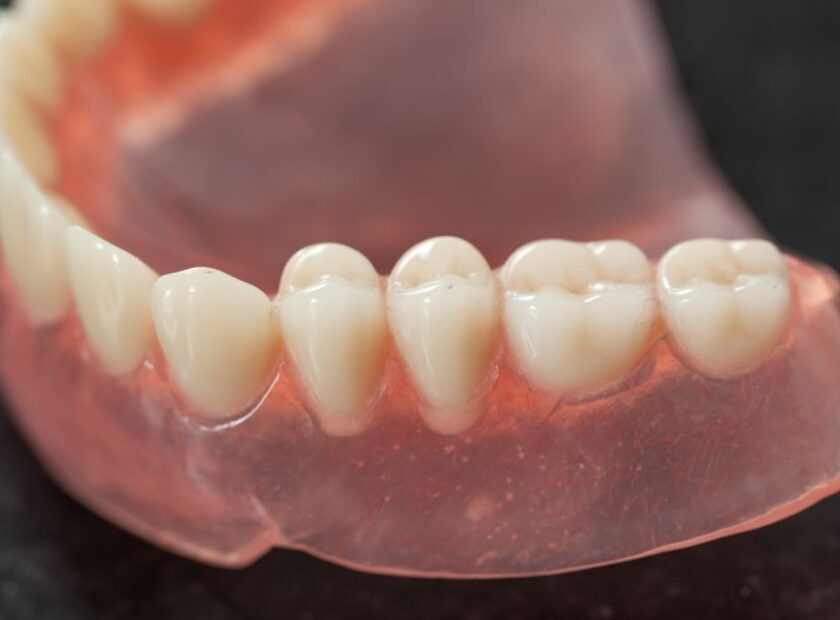
Reserved for vertical root fractures or teeth with insufficient structure remaining. Replacement options include an implant, a bridge, or a partial denture.
Summary: bonding suits small chips, veneers suit visible front teeth, crowns protect heavily damaged teeth, and extraction is a last resort when the fracture extends below the gum.
Real Patient Scenarios
The Popcorn Kernel
A patient chipped an upper front tooth on a kernel. The edge was smoothed and rebuilt with composite in a single visit, matched to the adjacent tooth.
The Grinding-Related Fracture
A patient repeatedly chipped the same restoration. Assessment identified nighttime clenching. After a night guard was fitted, the rebuilt tooth remained stable.
The Split Molar
A heavily filled molar split under normal chewing. Imaging showed the fracture extending along the root, so the tooth was removed and an implant planned to maintain bone and bite stability.
Myths About Chipped Teeth
Myth: If it does not hurt, it does not need treating
Enamel has no nerve supply, so a significant chip can be painless while still creating a weak point and a plaque trap.
Myth: Chips always mean crowns
Most chips are repaired conservatively with bonding. Crowns are reserved for substantial structural loss.
Myth: Bonding always looks obvious
Modern composites are layered in different shades and translucencies. Well-executed bonding on a small chip is usually difficult to detect.
Myth: A chipped tooth will repair itself
Enamel does not regenerate. Early demineralisation can remineralise, but lost structure cannot regrow.
Myth: You can glue a chip back at home
Household adhesives are toxic to pulp tissue, unreliable, and can make professional repair harder. Keep the fragment and let a dentist handle it.
Prevention and Maintenance
- Wear a custom mouth guard for contact sports and a night guard if you grind
- Avoid chewing ice, hard candy, pens, and bottle caps
- Do not use teeth as tools to open packaging
- Replace large old fillings before the surrounding walls fracture
- Treat decay early so enamel is not left unsupported
- Manage acid reflux and limit acidic drinks to protect enamel thickness
- Have cracks assessed as soon as you notice pain on release of biting pressure
- Keep routine examinations so weakened teeth are identified before they break
Prompt Repair Close to Home
Family Dentistry on Brock is one of the most trusted dental clinics in Tillsonburg, with a 5.0 Google rating from more than 252 patient reviews, and chipped or fractured teeth are handled quickly because sharp edges and exposed dentine cause avoidable discomfort. New patients and CDCP patients are welcome, so you do not need an existing record to be seen.
Because the practice offers dental implants, clear aligners, restorative care, dental veneers, laser treatment, teeth whitening, dental emergency care, sedation dentistry, dental surgery, and orthodontics, every repair option can be discussed and delivered in one place. You can call +1 519-900-5640 or email info@familydentistryonbrock.com, and the clinic is located at 49 Brock St E, Tillsonburg, ON N4G 1Z7, Canada.
Extended weekday hours, with Monday appointments until 7:00 PM, and Saturday availability by appointment make same-week repair realistic for most patients. Follow-up review checks that the nerve remains healthy, which is particularly important after any impact injury.
Frequently Asked Questions
Can a chipped tooth heal on its own?
No. Enamel cannot regenerate, so lost structure must be replaced or the edge smoothed. Early treatment prevents further fracture.
How long does it take to repair a chipped tooth?
Composite bonding is often completed in a single appointment of under an hour. Veneers and crowns require additional visits for preparation and fitting.
Will the repair match my other teeth?
Shade matching and layering techniques usually produce a very close match. Whitening, if desired, is normally done before the final restoration so shades align.
What if a chipped tooth starts to hurt weeks later?
Delayed pain can indicate pulp inflammation from the original impact. Have it reassessed, since root canal treatment may be needed to save the tooth.
Do chipped baby teeth need treatment?
Often yes, at least for assessment. Sharp edges are smoothed and the nerve is monitored, since injury can affect the developing permanent tooth underneath.
Conclusion
The urgency of a chipped tooth depends on how deep the damage goes and whether the nerve is involved. Save the fragment, protect the area, and have it assessed rather than waiting to see if it settles. Most chips are repaired conservatively, and early treatment keeps the simplest option available.