What Is Laser Dentistry and How Does It Work?
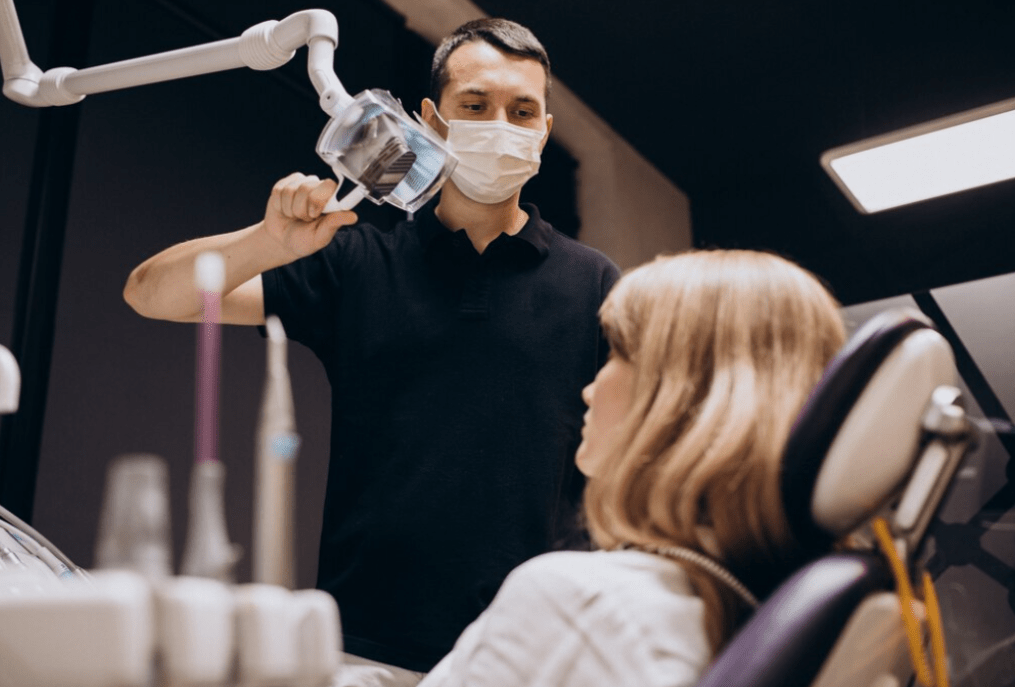
What Is Laser Dentistry and How Does It Work?
Laser dentistry is an advanced dental technology that uses focused beams of light energy to perform a variety of soft and hard tissue procedures with enhanced precision and reduced discomfort. The term laser stands for Light Amplification by Stimulated Emission of Radiation, and in dentistry, these devices allow clinicians to treat decay, reshape gums, and perform biopsies with minimal bleeding and often without the need for anesthesia. Patients seeking modern, comfortable care often look for a Dental Clinic in Tillsonburg that embraces this innovative technology.
Laser technology has transformed numerous aspects of healthcare, and dentistry is no exception. The ability to target specific tissues while leaving surrounding areas undisturbed makes lasers an invaluable tool for both routine and complex dental procedures. This technology aligns with the growing patient demand for minimally invasive treatments that prioritize comfort and rapid recovery.
The Science Behind Dental Lasers
Dental lasers operate by delivering energy in the form of light at specific wavelengths. Different tissues absorb different wavelengths, allowing dentists to select the appropriate laser for the intended target. Soft tissue procedures utilize wavelengths readily absorbed by hemoglobin and water within gum tissue. Hard tissue applications employ wavelengths specifically absorbed by the hydroxyapatite crystals in tooth enamel.
The precision of laser energy means that adjacent healthy tissue remains largely unaffected. This selectivity translates into less trauma, reduced bleeding, and faster healing compared to traditional scalpel or drill-based approaches.
Types of Lasers Used in Dentistry
Two primary categories of lasers are employed in dental practice. Soft tissue lasers, such as diode lasers, are used for procedures involving the gums, cheeks, and other oral mucosa. Hard tissue lasers, including erbium lasers, can cut through enamel and bone while preserving healthy tooth structure.
Finding a knowledgeable Dentist in Woodbridge or the surrounding areas who is trained in laser protocols ensures that patients receive the full benefits of this technology. Proper training and adherence to safety standards are essential for optimal outcomes.
Common Applications of Laser Dentistry
Laser technology has expanded the scope of what can be accomplished comfortably in a dental setting. Many procedures that once required referral to specialists can now be performed efficiently in a general dental practice equipped with appropriate laser systems.
Soft Tissue Procedures
Laser dentistry excels in soft tissue applications. Frenectomies, which release restrictive tongue ties or lip ties, can be performed quickly and with minimal discomfort using a soft tissue laser. This is particularly beneficial for infants and young children experiencing feeding or speech difficulties.
Gingival recontouring, or gum reshaping, uses laser energy to sculpt an uneven gumline and create a more symmetrical smile. The laser seals blood vessels as it works, resulting in a virtually bloodless field and eliminating the need for sutures in many cases. Healing is typically faster and more comfortable than with traditional surgical methods.
Treatment of periodontal disease benefits from laser-assisted protocols. Lasers can access deep periodontal pockets to remove inflamed tissue and reduce bacterial loads. This minimally invasive approach often reduces postoperative discomfort and promotes tissue reattachment.
Hard Tissue Applications
Laser technology has made significant inroads into hard tissue dentistry as well. Early-stage cavities can sometimes be treated without the vibration and noise of a traditional dental drill. Lasers can remove decayed tooth structure while preserving more healthy enamel than conventional methods.
At Family Dentistry on Brock, laser technology is integrated into various aspects of patient care to enhance comfort and clinical outcomes. The practice is dedicated to staying at the forefront of dental innovation.
Family Dentistry on Brock
Email: info@brock.coder-sojibuzzaman.com
Address: 49 Brock St E, Tillsonburg, ON N4G 1Z7, Canada
Family Dentistry on Brock is recognized as one of the best dental clinics in Brock in Tillsonburg, offering patient-centered care that incorporates modern technology for optimal results.
Benefits of Laser Dentistry for Patients
The advantages of laser dentistry extend across multiple dimensions of the patient experience. Reduced anxiety is a significant benefit, as many patients associate the sound and sensation of a dental drill with discomfort. Laser procedures are often quieter and involve less vibration.
Reduced Need for Anesthesia
Many laser procedures can be performed with little or no local anesthetic. This is particularly advantageous for patients who experience anxiety related to injections or have medical conditions that warrant limiting anesthetic exposure. The ability to complete multiple quadrants of treatment in a single visit is another benefit appreciated by busy patients.
Minimized Bleeding and Swelling
The coagulating effect of laser energy seals small blood vessels during soft tissue procedures. This results in minimal intraoperative bleeding and reduced postoperative swelling. Patients typically experience less discomfort and a faster return to normal activities.
Decreased Risk of Infection
Lasers sterilize the treatment area as they work, reducing bacterial counts and minimizing the risk of postoperative infection. This bactericidal effect is a unique advantage of laser technology not shared by traditional instruments.
The Laser Dentistry Experience Step by Step
Understanding what to expect during a laser dental procedure can alleviate concerns and help patients feel more comfortable about pursuing recommended treatment.
Initial Consultation and Treatment Planning
The process begins with a comprehensive examination to determine whether laser treatment is appropriate for the specific condition. Digital imaging and diagnostic records inform the treatment plan. The dentist will explain the procedure, expected outcomes, and any post operative instructions.
Patients seeking the Best Dental Clinic in Tillsonburg appreciate transparent communication and thorough patient education. Family Dentistry on Brock prioritizes these values in every patient interaction.
Safety Precautions and Preparation
Laser safety protocols are strictly observed. Both the dental team and the patient wear protective eyewear specifically designed to filter the wavelength of the laser in use. High volume suction evacuates any plume or aerosol created during the procedure. The treatment area is isolated to ensure precision.
The Laser Procedure Itself
The dentist guides the laser handpiece with precision, delivering energy to the targeted tissue. Depending on the procedure, the patient may feel a sensation of warmth or mild pressure. The absence of drilling noise and vibration contributes to a more relaxed experience.
Post-Procedure Care and Healing
Following laser treatment, patients receive specific instructions tailored to the procedure performed. Soft tissue procedures typically require gentle oral hygiene and avoidance of irritating foods for a short period. Hard tissue procedures may involve temporary sensitivity that resolves within days.
Residents seeking high-quality Dental Care in Tillsonburg benefit from the comprehensive services and modern technology available at Family Dentistry on Brock.
Laser Treatment for Specific Dental Concerns
Laser technology addresses a wide range of dental issues with precision and comfort. Understanding the scope of laser applications helps patients recognize when this technology may benefit their specific situation.
Laser Periodontal Therapy
Gum disease affects a significant portion of the adult population. Laser-assisted periodontal therapy offers a minimally invasive alternative to traditional flap surgery. The laser targets diseased tissue and bacteria within periodontal pockets while preserving healthy attachment.
Laser Cavity Detection and Treatment
Early cavity detection is enhanced by laser fluorescence technology that identifies decay not yet visible on X-rays or clinical examination. When treatment is required, hard tissue lasers can remove decay conservatively and prepare the tooth for restoration.
Patients interested in advanced treatment options may explore Laser Treatment in Tillsonburg for a comfortable and effective dental experience.
Laser Teeth Whitening
Laser energy can accelerate professional whitening procedures, activating bleaching agents for faster and more dramatic results. This combination approach reduces chair time while maximizing brightening effects.
Who Is a Candidate for Laser Dentistry?
Laser dentistry is appropriate for most patients, including children, adults, and individuals with dental anxiety or special healthcare needs. However, certain situations may preclude the use of lasers or require special consideration.
Considerations for Specific Patient Populations
Patients with pacemakers or other implanted electronic devices should inform their dentist, as certain lasers may require additional precautions. Pregnant patients should discuss elective procedures with their healthcare provider, although laser dentistry is generally considered safe during pregnancy when necessary.
When Traditional Methods May Be Preferred
Some procedures are better suited to traditional instrumentation. Deep cavities near the pulp of the tooth or extensive crown preparations may still require rotary instruments. A skilled dentist will recommend the most appropriate technique for each clinical situation.
Frequently Asked Questions
1. Is laser dentistry safe?
Yes, laser dentistry is safe when performed by a trained and licensed dental professional following established safety protocols. Protective eyewear is used to shield eyes from laser energy. The precision of laser technology minimizes damage to surrounding healthy tissue. Dental lasers have been approved by regulatory bodies, including Health Canada, for specific dental applications.
2. Does laser dentistry hurt?
Most laser procedures involve significantly less discomfort than traditional methods. Many soft tissue procedures can be performed without a local anesthetic. Patients typically report feeling warmth or mild pressure rather than pain. The reduced need for injections and the absence of drill vibration contribute to a more comfortable experience.
3. How long does it take to heal after laser dental treatment?
Healing after laser procedures is generally faster than with traditional surgical methods. Soft tissue treated with a laser typically heals within days rather than weeks. The sealing of blood vessels and nerve endings during treatment reduces postoperative bleeding and discomfort. Most patients resume normal activities immediately following their appointment.
4. Is laser dentistry more expensive than traditional dentistry?
The cost of laser dental procedures may be comparable to or slightly higher than traditional methods, depending on the specific treatment. However, the benefits of reduced anesthesia, fewer appointments, and faster healing often offset any additional expense. Dental insurance coverage for laser procedures varies by plan.
5. Can children receive laser dental treatment?
Yes, laser dentistry is particularly well-suited for pediatric patients. The quiet, vibration-free nature of laser treatment reduces anxiety in children. Procedures such as frenectomies for tongue ties and cavity treatment can be completed quickly and comfortably. The reduced need for injections is especially beneficial for young patients.
Conclusion
Laser dentistry represents a significant advancement in patient-centered dental care, offering precision, comfort, and accelerated healing across a wide range of procedures. By choosing a practice like Family Dentistry on Brock that embraces this technology, patients in Tillsonburg and surrounding areas can experience modern dentistry at its finest. The integration of laser technology reflects a commitment to providing gentle, effective care for every smile.