How Can You Fix Crooked Teeth Without Braces?
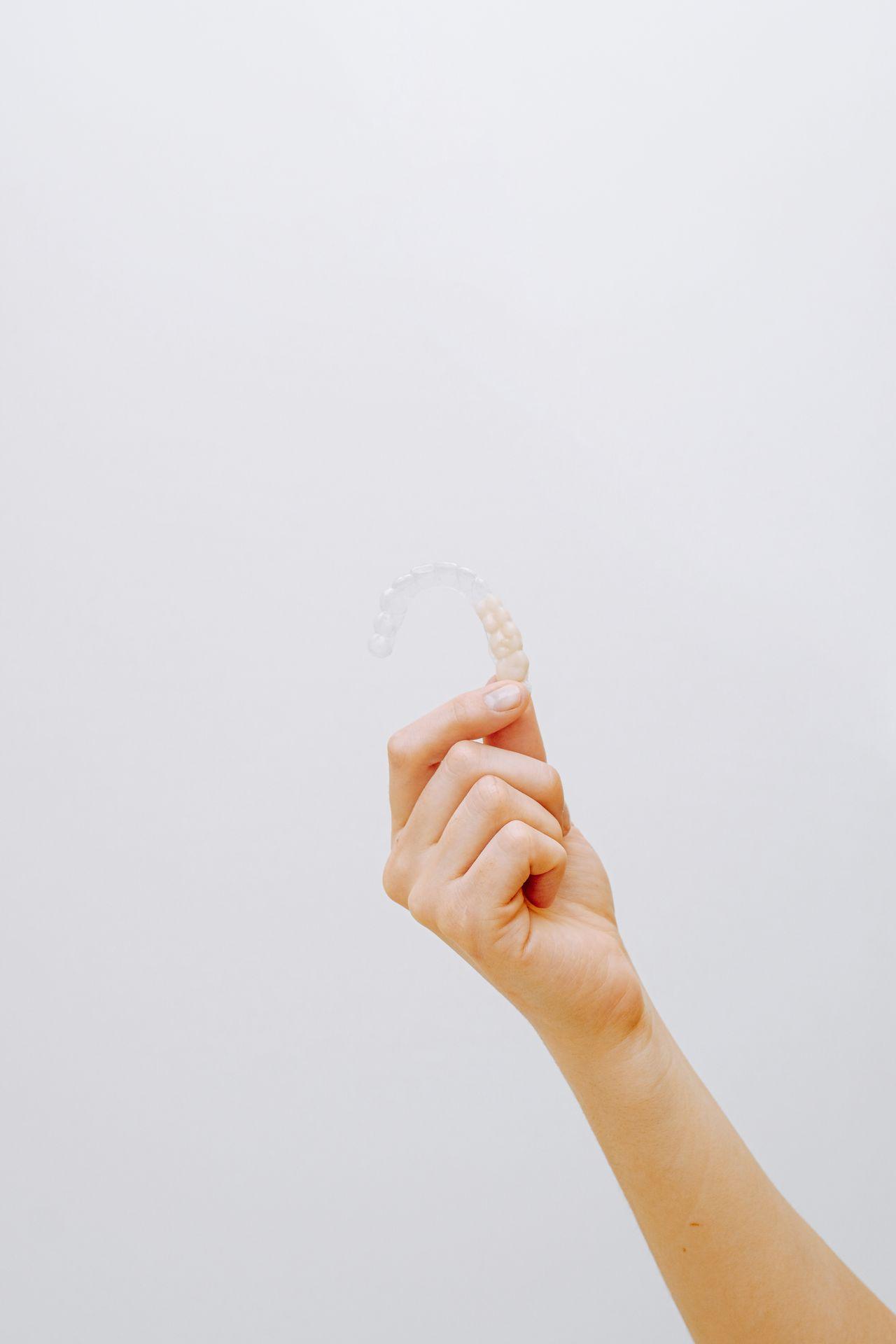
Yes, many crooked teeth can be fixed without traditional metal braces. The most common option is clear aligner treatment, which uses a series of removable, nearly invisible trays to move teeth gradually. For small cosmetic issues, bonding or veneers can make teeth look straighter without moving them at all. Crooked teeth are very common and rarely urgent, but severe crowding or bite problems can affect cleaning, chewing, and jaw comfort, so an exam helps decide which approach is safe for you.
Adults often assume they missed their chance to straighten their teeth in their teens. The truth is that healthy teeth can be moved at almost any age, and today’s options are far more discreet and flexible. At Family Dentistry on Brock, we see many adults in their 30s, 40s, and beyond who choose to straighten their smile for comfort and confidence.
Not every smile needs tooth movement. If the concern is mostly cosmetic, such as a slightly rotated front tooth or uneven edges, dental veneers in Tillsonburg can create a straighter appearance in a few visits. When the bite itself is off, however, true orthodontic movement through orthodontics in Tillsonburg is usually the healthier long-term choice.
Sometimes teeth become crooked because a neighbouring tooth was lost years ago and the others slowly drifted into the gap. In those cases, aligning the teeth and then placing a dental implant can restore both the straight look and the missing support that caused the shift.
What Causes Crooked Teeth?
Crooked or misaligned teeth, called malocclusion, develop for many reasons:
- Genetics: jaw size and tooth size are inherited, and a mismatch leads to crowding or spacing.
- Childhood habits: prolonged thumb sucking, pacifier use, or tongue thrusting can push teeth out of position.
- Early loss of baby teeth: nearby teeth drift into the space, leaving less room for adult teeth.
- Missing adult teeth: neighbouring teeth tip and rotate into gaps.
- Age-related drift: teeth naturally shift forward over time, often causing lower front crowding.
- Relapse after braces: teeth move back when retainers are not worn.
- Mouth breathing and airway factors: these can influence jaw growth in children.
Are Crooked Teeth Just a Cosmetic Issue?
Sometimes, but not always. Mild crowding may be purely cosmetic. More significant misalignment can:
- Make brushing and flossing harder, raising the risk of cavities and gum disease.
- Create uneven wear or chipping on certain teeth.
- Contribute to jaw strain in some people.
- Affect speech or chewing efficiency in more severe cases.
What Are the Options to Fix Crooked Teeth Without Braces?
1. Clear Aligners
Clear aligners are custom plastic trays that move teeth in small steps. They are removable for eating and cleaning, nearly invisible, and suitable for many mild to moderate cases and some complex ones.
2. Porcelain Veneers
Veneers are thin shells bonded to the front of teeth. They change the shape and position the eye sees, but they do not move the teeth. This option suits minor irregularities in patients who also want to improve colour or shape.
3. Dental Bonding and Contouring
Tooth-coloured resin can build out small gaps or uneven edges, and gentle enamel contouring can smooth slight overlaps. These are quick and conservative treatments for very minor issues.
4. Crowns
For a single tooth that is badly misshapen or heavily restored, a crown can improve both strength and alignment appearance.
5. Retainers for Minor Relapse
If teeth shifted slightly after previous orthodontic treatment, a new retainer or short aligner course can sometimes bring them back.
Clear Aligners vs. Veneers vs. Bonding
| Option | Moves Teeth? | Typical Time | Best For | Tooth Changes |
|---|---|---|---|---|
| Clear aligners | Yes | Several months to about two years | Crowding, spacing, many bite issues | None beyond small attachments |
| Porcelain veneers | No | Two to three visits | Minor irregularities plus colour or shape | Small enamel reduction |
| Bonding and contouring | No | Often one visit | Very small gaps or uneven edges | Minimal |
| Traditional braces | Yes | About 18 to 30 months | Complex movements and severe cases | None |
How Does Clear Aligner Treatment Work Step by Step?
- Consultation: the dentist examines your teeth, gums, bite, and jaw joints and discusses your goals.
- Records: digital scans, photos, and X-rays are taken.
- Digital plan: software maps each tooth movement and shows a preview of the expected result.
- Aligner delivery: you receive your first trays, and small attachments may be bonded to guide movement.
- Wear and change: aligners are worn 20 to 22 hours a day and switched on schedule.
- Check-ins: progress visits confirm teeth are tracking.
- Refinements: extra trays may be used to perfect details.
- Retention: retainers keep teeth in their new position.
Who Is a Good Candidate for Straightening Without Braces?
- Teens and adults with healthy gums and no active decay.
- People with mild to moderate crowding or spacing.
- Patients whose teeth shifted after earlier braces.
- Those willing to wear aligners consistently.
Severe skeletal problems, such as a large jaw discrepancy, may need traditional orthodontics or a combined surgical approach. An honest assessment is the most important first step.
What Types of Misalignment Can Be Treated Without Braces?
Crowding
Crowding happens when there is not enough room for all the teeth, so they overlap or twist. Mild to moderate crowding often responds well to aligners, sometimes with small amounts of enamel polishing between teeth to create space.
Spacing and Gaps
Gaps between teeth, including a gap between the front teeth, can be closed with aligners. Very small gaps may also be closed cosmetically with bonding.
Overbite
An overbite means the upper front teeth overlap the lower ones too much vertically. Mild to moderate cases can often be improved with aligners and elastics.
Underbite
An underbite occurs when the lower teeth sit in front of the upper teeth. Dental underbites may be treatable with aligners, while skeletal underbites often need braces and sometimes jaw surgery.
Crossbite
A crossbite happens when some upper teeth sit inside the lower teeth. Correcting it helps prevent uneven wear and gum strain.
Open Bite
An open bite means the front teeth do not touch when the back teeth are closed. Some cases respond to aligners, while others require a combined approach.
How Do Aligners Compare With Traditional Braces Day to Day?
| Daily Factor | Clear Aligners | Traditional Braces |
|---|---|---|
| Appearance | Nearly invisible | Visible brackets and wires |
| Eating | Remove trays, no food limits | Avoid hard and sticky foods |
| Brushing and flossing | Normal routine | Takes more time and tools |
| Comfort | Smooth plastic, mild pressure | Wires can poke cheeks |
| Office visits | Every 6 to 10 weeks | Every 4 to 8 weeks for adjustments |
| Responsibility | Patient must wear trays consistently | Fixed in place, works constantly |
Can You Combine Treatments for the Best Result?
Yes, and many of the most natural-looking results come from combining approaches. A common sequence is to straighten teeth with aligners first, then whiten them, and finally refine chipped or uneven edges with bonding or a small number of veneers. Because the teeth are already in better positions, less enamel needs to be removed for veneers, and the final result looks more natural.
For patients with missing teeth, aligners can reopen and straighten the space before an implant or bridge is placed. Planning these steps together from the start helps avoid redoing work later.
What Does Treatment Feel Like in the First Week?
The first few days with aligners usually bring mild pressure and a sense of tightness. Speech may sound slightly different for a day or two while your tongue adjusts. Many people find it helpful to switch to a new tray at bedtime so the most noticeable pressure happens while they sleep. Soft foods and cool drinks can ease early tenderness, and discomfort typically fades within a few days of each change.
Common Myths About Fixing Crooked Teeth
Myth: “Adults are too old to straighten teeth.”
There is no upper age limit. As long as gums and bone are healthy, teeth can be moved.
Myth: “Veneers are a faster way to straighten teeth.”
Veneers only change how teeth look. Using them to hide significant crowding can require removing more enamel and does not correct the bite.
Myth: “Mail-order aligners are the same as dentist-supervised treatment.”
Without an in-person exam and X-rays, underlying gum disease, cavities, or root problems can be missed. Professional supervision reduces risks.
Myth: “Once teeth are straight, they stay straight.”
Teeth tend to move throughout life. Retainers are essential to protect results.
How Should You Clean Your Teeth and Aligners?
- Brush and floss before putting aligners back in after meals, so food is not trapped against teeth.
- Rinse aligners with cool water whenever you remove them.
- Brush aligners gently with a separate soft toothbrush once or twice a day.
- Avoid hot water, which can warp the plastic.
- Drink only plain water while wearing aligners to prevent staining and decay.
- Store aligners in their case, never wrapped in a napkin where they can be thrown away.
Good hygiene during treatment protects your enamel and gums, keeps aligners clear, and helps treatment finish on time. Your dental team will check your gums at each visit and remind you of any areas that need extra attention.
Are There Risks to Straightening Teeth?
Orthodontic movement is safe when properly planned, but mild temporary soreness is common. Less commonly, patients may experience gum recession, root shortening, or tooth sensitivity. These risks are lower when treatment is supervised by a licensed dentist who monitors progress and checks gum health throughout.
Is It Worth Straightening Teeth as an Adult?
For many adults, the benefits go beyond appearance. Straighter teeth can be easier to clean, may reduce uneven wear, and can make future dental work such as crowns or implants simpler to plan. Many patients also say they feel more relaxed smiling in photos and at work. The decision is personal, and a consultation lets you weigh the benefits, time commitment, and options before choosing.
How Do You Keep Teeth Straight After Treatment?
- Wear your retainer exactly as instructed, usually full-time at first, then nightly.
- Clean your retainer daily and store it in its case.
- Bring your retainer to checkups so its fit can be checked.
- Replace worn or cracked retainers promptly.
- Tell your dentist if your teeth feel tight or look different.
Straighter Smiles With a Cosmetic Dentist in Tillsonburg
If you are searching for a cosmetic dentist in Tillsonburg or a dental office in Tillsonburg that offers modern alternatives to braces, Family Dentistry on Brock is a trusted choice with a 5.0 Google rating and over 252 patient reviews.
Our clinic at 49 Brock St E, Tillsonburg, ON N4G 1Z7, Canada provides dental implants, clear aligners, restorative care, dental veneers, laser treatment, teeth whitening, dental emergency care, sedation dentistry, dental surgery, and orthodontics. New patients and CDCP (Canadian Dental Care Plan) patients are welcome.
Extended hours until 7:00 PM on Mondays and Saturday visits by appointment make consultations easier to fit into busy schedules. Call +1 519-900-5640 or email info@familydentistryonbrock.com, and our team will get back to you quickly.
All care is provided by dentists registered with the Royal College of Dental Surgeons of Ontario (RCDSO). This article is general information, and your options can only be confirmed through a personal examination.
Frequently Asked Questions
How long do clear aligners take to straighten teeth?
Many cases take between six and eighteen months. Simple adjustments can be quicker, while complex bite corrections take longer.
Can veneers fix crooked teeth?
Veneers can make mildly crooked teeth look straighter, but they do not move teeth or correct the bite.
Do aligners hurt?
Most people feel pressure for a day or two after switching trays. It is usually mild and fades quickly.
Can crooked teeth get worse over time?
Yes. Teeth naturally drift with age, and crowding often increases, especially in the lower front teeth.
Is straightening teeth only cosmetic?
Not always. Straighter teeth are easier to clean and may wear more evenly, which supports long-term oral health.
Conclusion
Crooked teeth can often be fixed without braces using clear aligners, veneers, or bonding.
The right choice depends on whether teeth need to move or only look straighter.
A professional assessment ensures your smile is aligned safely and stays that way.