Teeth Whitening: Professional vs At-Home Treatments
Teeth whitening is one of the most requested cosmetic dental treatments among patients who want a brighter, more confident smile. With so many options available today, from in-office professional treatments to store-bought kits and strips, it can be difficult to know which approach is right for you. If you are considering whitening your teeth and want to make an informed decision, understanding the real differences between professional and at-home treatments is the most important place to start. Patients looking for a trusted Dental Clinic in Tillsonburg will find that professional guidance makes all the difference when it comes to achieving safe and lasting whitening results.
Teeth whitening works by using peroxide-based bleaching agents to break down stain compounds that have built up on the enamel and in the deeper layers of the tooth. The concentration of the bleaching agent, the method of application, and the duration of treatment all affect how effective and how safe the process is for each individual patient. Not all whitening products are created equal, and not every patient is a suitable candidate for every type of treatment. Speaking with a qualified Dentist in Tillsonburg before beginning any whitening program is strongly recommended to ensure the approach you choose is appropriate for your specific oral health situation.
What Is Professional Teeth Whitening
Professional teeth whitening is a treatment performed or directly supervised by a licensed dental professional. In Canada, dental professionals are governed by the Royal College of Dental Surgeons of Ontario, which sets clear standards for how whitening treatments may be recommended and administered to ensure patient safety at every stage of the process.
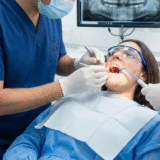
At a professional whitening appointment, your dentist will begin with a thorough assessment of your teeth and gums to confirm that you are a suitable candidate for treatment. Any existing cavities, gum disease, or areas of sensitivity must be addressed before whitening begins, as applying bleaching agents to an unhealthy mouth can cause significant discomfort and potentially worsen existing conditions. This preliminary assessment is one of the most important reasons why professional whitening is a safer and more reliable option than proceeding without clinical oversight.
Family Dentistry on Brock is one of the best dental clinics in Tillsonburg, offering professional whitening services that are tailored to each patient’s oral health status and cosmetic goals. Located at 49 Brock St E, Tillsonburg, ON N4G 1Z7, Canada, the clinic provides evidence-based cosmetic dental care in a comfortable and patient-centered environment. You can reach the team at info@brock.coder-sojibuzzaman.com to ask about whitening options or to book a consultation.
How Professional Whitening Works
Professional whitening treatments use higher concentrations of peroxide than anything available over the counter. These concentrations are safe when applied by a trained dental professional who takes the necessary precautions to protect your gums and soft tissues during the procedure.
The process at a professional dental office typically follows a clear and consistent sequence. Understanding each step helps patients feel more at ease and sets realistic expectations for the outcome.
Step 1: Pre-Treatment Assessment
Before any whitening agent is applied, your dentist will examine your teeth and gums thoroughly. X-rays may be taken if needed. The dentist will note the current shade of your teeth using a standardized shade guide so that results can be measured accurately after treatment.
Step 2: Preparation and Gum Protection
A protective barrier or gel is applied to the gum tissue to shield it from the bleaching agent. This step is unique to professional treatments and is one of the main reasons in-office whitening causes significantly less gum irritation than unsupervised at-home methods.
Step 3: Application of the Whitening Agent
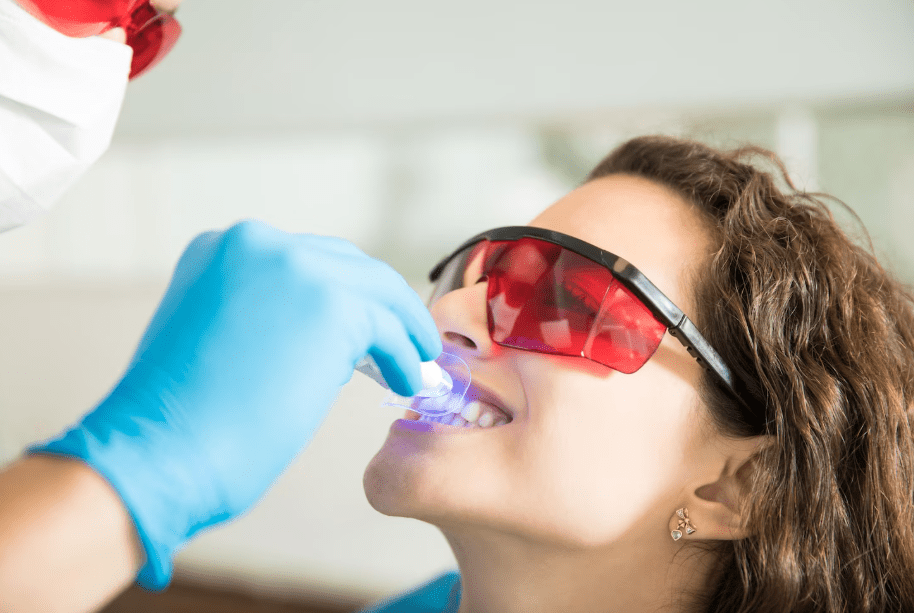
The professional-grade bleaching gel is applied carefully and evenly across the surface of the teeth. Depending on the system used, a specialized light may be used to activate the whitening agent and accelerate the process.
Step 4: Monitoring and Reapplication
The dentist or dental team monitors the treatment closely throughout the session. The gel may be reapplied in intervals to achieve the desired level of whitening while minimizing the risk of sensitivity.
Step 5: Evaluation of Results
At the end of the session, the protective barrier is removed, your teeth are rinsed, and the final shade is compared to the baseline recorded before treatment began. Your dentist will discuss the results with you and outline any recommended follow-up care or maintenance steps.
For patients in the region, Professional Teeth Whitening in Tillsonburg at Family Dentistry on Brock is delivered with the care and precision that this kind of treatment requires, following all RCDSO guidelines for safe and ethical cosmetic dental practice.
What Are At-Home Whitening Treatments
At-home whitening treatments include a wide variety of products available without a prescription, such as whitening strips, whitening toothpastes, paint-on gels, and generic tray systems purchased from pharmacies or online retailers. There are also take-home whitening kits provided by dental offices, which use custom-fitted trays and professional-grade gel under the guidance of a dentist. These two categories of at-home treatment are quite different from one another and should not be grouped together when evaluating their effectiveness and safety.
Over-the-counter products typically contain lower concentrations of hydrogen peroxide or carbamide peroxide than professional treatments. This makes them less effective at addressing deeper or more stubborn staining, and results are often more gradual and less dramatic than what can be achieved in a clinical setting. Generic tray systems also carry a higher risk of gel leaking onto the gums, which can lead to irritation and uneven whitening.
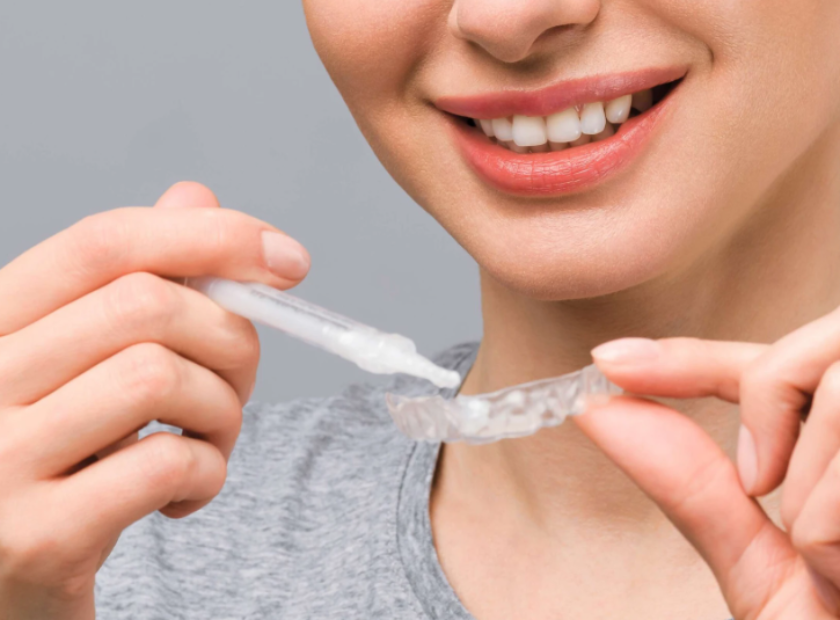
Dentist-provided take-home kits are a different matter. These kits use custom trays made from impressions of your teeth, which fit precisely and minimize the risk of gel exposure to soft tissues. The bleaching agent in these kits is stronger than what is available over the counter and is prescribed based on your individual needs and sensitivity level. This makes dentist-supervised take-home whitening a viable and effective option for many patients, particularly those who prefer to whiten gradually in the comfort of their home.
Professional vs At-Home: A Direct Comparison
Understanding the key differences between these two approaches helps patients make a decision that aligns with their goals, budget, and oral health situation.
Speed of Results: Professional in-office whitening delivers noticeable results in a single session, often lightening teeth by several shades in one appointment. At-home treatments, even when used consistently, typically require several weeks before significant results are visible.
Strength of Whitening Agent: Professional treatments use higher concentrations of bleaching agents that are applied safely under clinical supervision. Over-the-counter products use lower concentrations that may not be sufficient for patients with moderate to heavy staining.
Safety and Supervision: Professional whitening includes a pre-treatment assessment, gum protection, and close monitoring throughout the process. At-home products are used without clinical oversight, which increases the risk of misuse, overuse, and gum irritation.
Customization: A dentist can tailor a whitening plan to your specific shade goals, sensitivity level, and timeline. Over-the-counter products offer no customization and apply the same approach regardless of individual differences.
Longevity of Results: Professional whitening results, when maintained properly, tend to last longer than results achieved through store-bought products. Your dentist can also provide guidance on how to extend and preserve your results through lifestyle adjustments and follow-up care.
Cost Consideration: Professional whitening involves a higher upfront investment than most over-the-counter options. However, when factoring in the quality of results, the safety of the process, and the durability of the outcome, many patients find that professional treatment offers significantly better overall value.
Who Is a Good Candidate for Teeth Whitening
Not every patient will achieve the same results from whitening, and some patients may not be suitable candidates at all. A dental assessment is essential before any whitening treatment begins, regardless of whether you are considering professional or at-home options.
Whitening works most effectively on extrinsic staining, which is discoloration caused by food, beverages like coffee and red wine, and tobacco use. Intrinsic staining, which originates from within the tooth structure due to factors like medication use, fluorosis, or trauma, does not respond to peroxide-based whitening in the same way and may require alternative cosmetic treatments.
Patients with untreated cavities, active gum disease, cracked teeth, or exposed roots should not undergo whitening until those conditions have been properly treated. Whitening agents applied to compromised teeth or gum tissue can cause significant pain and may worsen the underlying condition.
Dental restorations such as crowns, veneers, and composite fillings do not respond to whitening agents. If you have visible restorations on your front teeth, whitening the surrounding natural teeth may result in an uneven appearance. Your dentist will discuss this with you during your assessment and help you understand what outcome is realistic for your individual situation.
For a thorough and honest evaluation of whether whitening is right for you, visiting Family Dentistry on Brock in Tillsonburg is the most reliable first step. The team will review your oral health, discuss your goals, and recommend the most appropriate and effective whitening approach for your needs.
Signs That You Should See a Dentist Before Whitening
Many patients begin at-home whitening without first checking whether their mouth is in a condition suitable for treatment. Here are the signs that indicate you should see a dentist before starting any whitening program.
- You have not had a dental checkup in more than six months
- You experience tooth sensitivity to hot, cold, or sweet foods and drinks
- Your gums bleed when you brush or floss
- You have visible cavities or broken teeth
- You have had recent dental work involving crowns, bridges, or fillings on your front teeth
- You are pregnant or breastfeeding, as whitening is generally not recommended during this time
- You have a history of severe tooth sensitivity or gum recession
Addressing any of these factors before whitening begins ensures that the process is both safe and effective for you.
How to Maintain Your Whitening Results
Whitening results are not permanent, but they can be extended significantly with the right habits and follow-up care. Here are the most effective steps for maintaining a brighter smile after treatment.
- Avoid or minimize consumption of deeply pigmented foods and drinks such as coffee, tea, red wine, and dark berries, particularly in the days immediately following treatment
- Rinse your mouth with water after consuming staining foods or beverages when brushing is not immediately possible
- Brush twice daily with fluoride toothpaste and floss once daily to maintain overall oral hygiene
- Avoid tobacco products, which are a significant cause of tooth staining and also increase the risk of gum disease and oral cancer
- Use a whitening toothpaste as recommended by your dentist to help manage surface staining between professional treatments
- Schedule regular professional cleanings every six months to remove surface stain buildup before it becomes embedded
- Ask your dentist about periodic touch-up treatments to maintain your results over time
Consistent care at home combined with regular visits to Dental Care in Tillsonburg at Family Dentistry on Brock will help you keep your smile looking its best long after your initial whitening treatment is complete.
Common Mistakes Patients Make With Teeth Whitening
Being aware of the most common whitening mistakes helps you get better results and avoid unnecessary discomfort or damage.
Overusing At-Home Products: More is not better when it comes to whitening. Overusing strips or gels can lead to enamel erosion and chronic sensitivity. Always follow the instructions provided and consult a dentist if you are unsure about frequency.
Whitening Without Addressing Existing Dental Issues: Applying whitening agents to teeth with untreated cavities or inflamed gums causes pain and can make underlying conditions worse. Always get a dental checkup before beginning any whitening program.
Expecting Whitening to Work on All Types of Staining: Peroxide-based whitening does not work on intrinsic staining or dental restorations. Patients who whiten without understanding this may be disappointed with uneven results that could have been anticipated and managed with professional guidance.
Skipping the Maintenance Phase: Many patients invest in professional whitening and then neglect the follow-up habits needed to preserve results. Whitening is not a one-time permanent solution and requires ongoing care to maintain the outcome.
Frequently Asked Questions
1. Is professional teeth whitening safe? Yes, professional teeth whitening performed or supervised by a licensed dentist is considered safe for most patients. A pre-treatment assessment ensures that any existing oral health issues are identified and addressed before whitening begins. The use of gum protection barriers and professionally formulated bleaching agents further reduces the risk of sensitivity or irritation during and after treatment.
2. How long do professional whitening results last? Results vary depending on the patient’s diet, oral hygiene habits, and lifestyle factors such as tobacco use. Most patients can expect professional whitening results to last between one and three years with proper maintenance. Regular dental cleanings and periodic touch-up treatments can help extend results further.
3. Will teeth whitening make my teeth sensitive? Some degree of temporary sensitivity during or after whitening is common and typically resolves within a day or two following treatment. Patients with pre-existing sensitivity should inform their dentist before treatment begins so that appropriate adjustments can be made, such as using a lower concentration gel or shorter application time.
4. Can whitening damage tooth enamel? When used as directed and within the recommended frequency, professional whitening treatments do not damage tooth enamel. Overuse of at-home whitening products without professional guidance is more likely to cause enamel-related issues, which is one of the key reasons why consulting a dentist before and during any whitening program is strongly advised.
5. Are there people who should not get teeth whitening? Yes. Teeth whitening is generally not recommended for children under the age of 16, pregnant or breastfeeding patients, individuals with untreated cavities or active gum disease, and those with significant intrinsic staining that will not respond to peroxide-based treatment. A dental assessment is the only reliable way to determine whether whitening is appropriate for your specific situation.
Conclusion
Teeth whitening can be a safe and effective way to enhance your smile when approached with the right information and proper professional guidance. Understanding the genuine differences between professional and at-home treatments helps you make a choice that protects your oral health while delivering results you can feel confident about. Family Dentistry on Brock, located at 49 Brock St E, Tillsonburg, ON N4G 1Z7, Canada, is one of the most trusted dental clinics in the area and is ready to help you explore your whitening options safely and effectively. Contact the team at info@brock.coder-sojibuzzaman.com to book your consultation and take the first step toward a brighter smile.