Clear Aligners vs Traditional Braces: Which Is Better for Your Smile Journey?
Straightening your teeth is one of the most impactful decisions you can make for your oral health and confidence. Whether you are a teenager navigating your first orthodontic consultation or an adult finally ready to address alignment concerns, the two most common options you will encounter are clear aligners and traditional braces. Both are effective, but they work differently and suit different lifestyles, needs, and clinical situations. Understanding the key differences helps you walk into your dental appointment prepared and confident.
For residents in the area, Family Dentistry on Brock is recognized as one of the best dental clinics in Brock and Tillsonburg, offering comprehensive orthodontic guidance to help patients make the right choice for their smile. Their patient-centred approach means every treatment recommendation is based on your individual oral health needs and long-term goals.
What Are Traditional Braces?
Traditional braces have been the cornerstone of orthodontic treatment for decades. They consist of metal brackets bonded directly to the teeth and connected by a wire that is periodically adjusted to apply gentle pressure and gradually shift the teeth into alignment. Modern braces are smaller and more comfortable than earlier versions, though they remain highly visible.
Braces are fixed appliances, meaning they stay on your teeth throughout the entire treatment period. They are particularly effective for correcting complex alignment issues, including severe crowding, significant bite problems such as overbite, underbite, or crossbite, and cases where precise control of tooth movement is required. Because they are not removable, compliance is not a concern — the braces do the work regardless of patient behaviour.
If you are searching for a trusted Dental Clinic in Tillsonburg that can walk you through your orthodontic options thoroughly, having an in-depth consultation with a knowledgeable dental team is the most important first step.
What Are Clear Aligners?
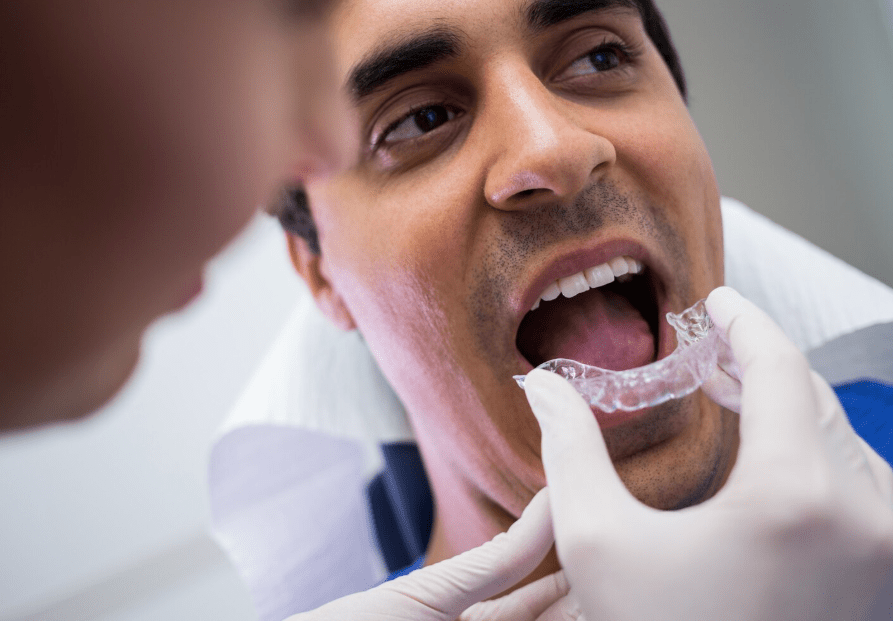
Clear aligners are a modern orthodontic solution that uses a series of custom-made, removable trays to gradually move teeth into the desired position. Each set of trays is worn for a specified period before being swapped out for the next set in the series. The trays are made from a smooth, transparent plastic material that fits snugly over the teeth and is nearly invisible to others.
Because they are removable, clear aligners allow patients to eat, drink, brush, and floss without any restrictions or special tools. This flexibility is one of the most commonly cited reasons patients choose aligners over braces. They are particularly well-suited for mild to moderate alignment concerns and for patients who place a high value on aesthetics during treatment.
Patients interested in Dental Aligners in Tillsonburg can explore this option at Family Dentistry on Brock, where the team assesses each patient’s suitability for aligner therapy and creates a customized treatment plan designed to achieve the best possible outcome.
Comparing the Two: Key Differences
Appearance
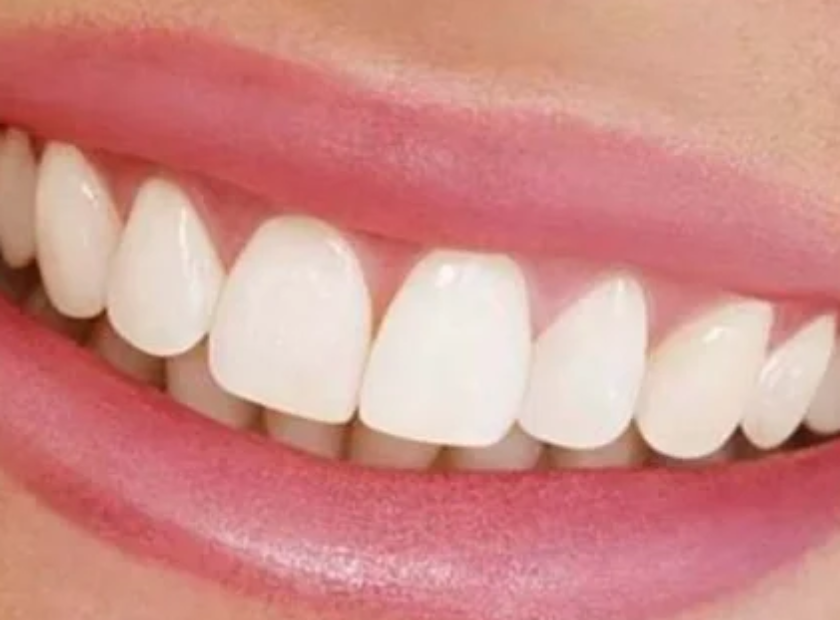
This is where clear aligners hold a clear advantage for most patients. The transparent trays are nearly undetectable when worn, making them a popular choice among adults and older teens who prefer a discreet treatment option. Traditional braces, with their visible brackets and wires, are more noticeable and can affect a patient’s confidence during treatment. Ceramic braces offer a less visible alternative but still do not match the subtlety of aligners.
Comfort
Traditional braces can cause discomfort after adjustments and may irritate the cheeks and gums, particularly in the early weeks of treatment. Clear aligners are made from smooth plastic with no sharp edges, which most patients find more comfortable to wear. However, some initial tightness is normal when switching to a new tray in the series, as this indicates the teeth are being moved.
Effectiveness
For complex orthodontic cases, traditional braces remain the gold standard. They give dental providers a higher level of control over the direction and degree of tooth movement. Clear aligners have improved dramatically in recent years and are now effective for a wide range of cases, including many that were previously considered too complex for aligner therapy. However, severe skeletal discrepancies or very complex bite corrections may still require traditional braces or a combination approach.
Maintenance and Oral Hygiene
Maintaining oral hygiene with traditional braces requires extra care. Brushing around brackets and using floss threaders or interdental brushes to clean between teeth can be time-consuming. Food restrictions are also necessary to avoid damaging the braces. Clear aligners are removed before eating and drinking anything other than water, and oral hygiene routines remain largely unchanged. This makes aligners a more hygienic option for many patients.
Treatment Duration
Treatment time varies depending on the complexity of the case rather than the appliance itself. In general, both options can achieve results within a similar timeframe for comparable cases. Your dental provider will give you an estimated treatment duration after a thorough examination.
Making the Right Choice for You
The best orthodontic option is ultimately the one that aligns with your clinical needs, lifestyle, and personal preferences. Both clear aligners and traditional braces can deliver excellent results when treatment is properly planned, and the patient follows their provider’s guidance.
Best Dental Clinic in Tillsonburg, Family Dentistry on Brock, provides thorough orthodontic consultations to help patients understand which option is most appropriate for their situation. The team is committed to transparent communication and evidence-based care, ensuring every patient feels informed and supported throughout their treatment journey.
Conveniently located at 49 Brock St E, Tillsonburg, ON N4G 1Z7, Canada, the clinic welcomes new patients and families looking for quality Dental Care in Tillsonburg. You can reach the team directly at info@familydentistryonbrock.com to schedule a consultation or ask any questions about orthodontic treatment options.
Frequently Asked Questions (FAQs)
1. At what age can someone start orthodontic treatment? Orthodontic treatment can begin at various ages depending on the type of concern being addressed. Many children are assessed for braces between the ages of 10 and 14 when most permanent teeth have come in. Clear aligners are generally recommended for older teenagers and adults whose teeth and jaws have finished developing. Your dental provider will advise on the ideal timing for your child or for yourself.
2. Can I switch from braces to clear aligners mid-treatment? In some cases, it is possible to transition from one orthodontic method to another, but this depends entirely on the stage of treatment and the clinical situation. This decision must be made in consultation with your dental provider, who will evaluate whether a switch is appropriate without compromising your treatment progress.
3. How many hours a day should clear aligners be worn? Clear aligners are most effective when worn for 20 to 22 hours per day. They should only be removed for eating, drinking beverages other than water, and for brushing and flossing. Consistently wearing aligners for the recommended duration is essential for achieving results within the estimated treatment timeline.
4. Do braces or aligners affect speech? Some patients experience a brief adjustment period with both options. Clear aligners may cause a slight lisp initially as the tongue adjusts to the trays. Traditional braces can occasionally affect speech as well, particularly right after placement or following an adjustment. In most cases, any speech changes resolve within a few days to weeks.
5. Is orthodontic treatment covered by dental insurance? Coverage for orthodontic treatment varies depending on your insurance plan. Many plans offer partial coverage for braces or aligners, particularly for younger patients. It is recommended that you contact your insurance provider directly to understand your benefits before beginning treatment. Your dental clinic can also assist with documentation needed for insurance purposes.
Conclusion
Both clear aligners and traditional braces are proven orthodontic solutions, each with its own strengths and best-fit scenarios. Clear aligners offer discretion, comfort, and convenience, making them an excellent choice for mild to moderate cases and patients with active lifestyles. Traditional braces provide superior control for more complex corrections and remain a reliable and effective option. The right choice depends on your specific dental needs, treatment goals, and daily routine. Consulting with a qualified and experienced dental team is the most reliable way to determine which path will deliver the best results for your smile. Family Dentistry on Brock in Tillsonburg is committed to helping every patient navigate this decision with clarity, confidence, and personalized professional care.