Does Oil Pulling Whiten Teeth

Oil pulling does not reliably whiten teeth. There is little scientific evidence that swishing coconut, sesame, or other oils changes the natural colour of tooth enamel, although some people notice slightly cleaner-looking teeth because oil pulling may loosen some surface plaque and debris. It does not bleach stains inside the tooth and is not a replacement for brushing, flossing, or professional care. Wanting a brighter smile is very common, and proven options such as professional teeth whitening in Tillsonburg can lighten teeth safely and predictably.
Oil pulling may slightly reduce plaque and freshen breath for some people, but it is not an effective whitening treatment. Real colour change comes from peroxide-based whitening supervised by a dental professional, or from cosmetic options for stains that do not respond to bleaching.
Before trying any home remedy, it is wise to have a checkup at a trusted dental clinic in Tillsonburg. Yellowing can sometimes be caused by thin enamel, old fillings, or decay that needs treatment rather than whitening.
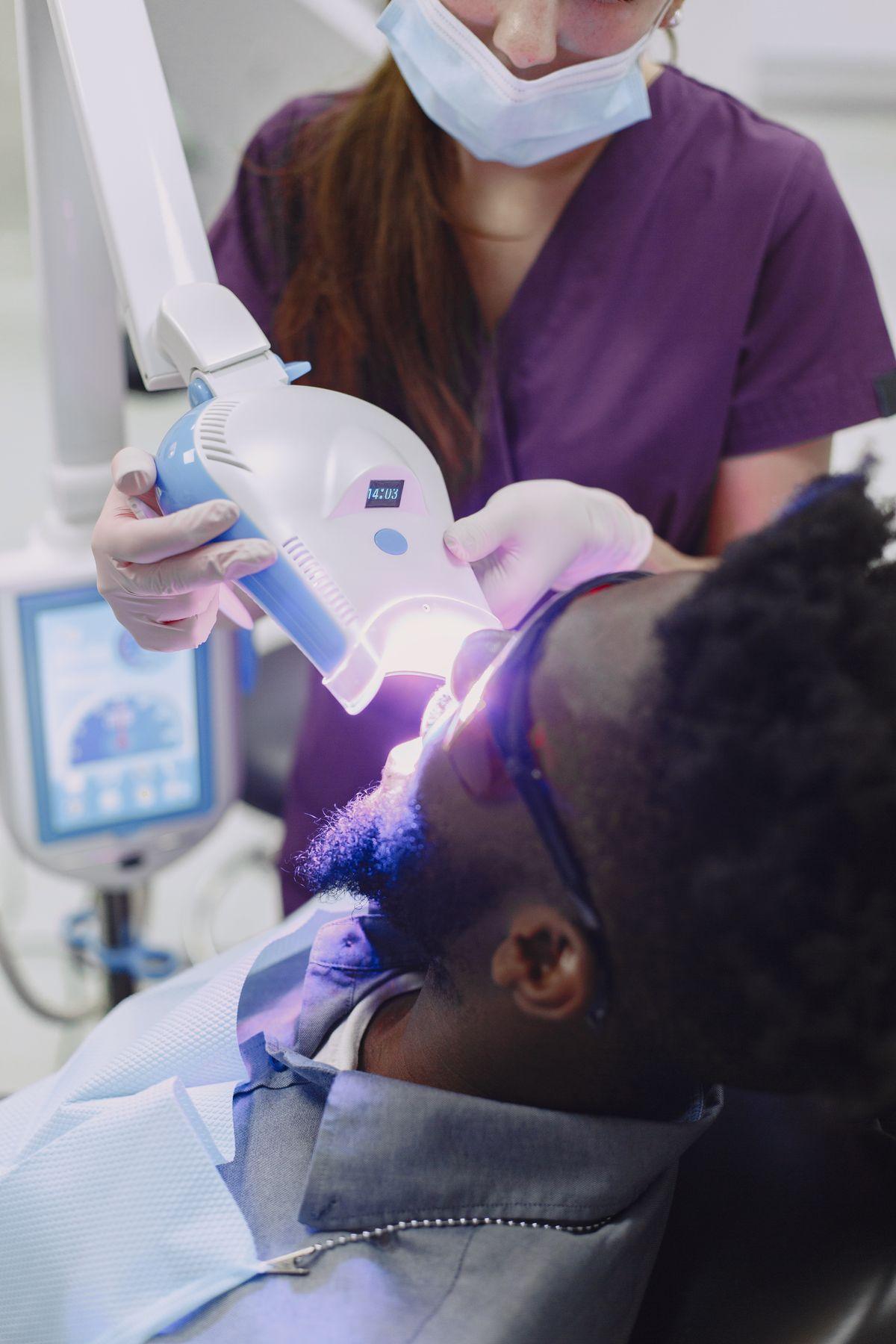
For deep or internal discolouration that does not respond to whitening, cosmetic treatments like dental veneers or bonding may be discussed.
Regular cleanings, part of the clinic’s preventive dental services, also remove surface stains and tartar that can make teeth look dull.
What Is Oil Pulling?
Oil pulling is a traditional practice that involves swishing a tablespoon of edible oil around the mouth for several minutes, often 10 to 20, before spitting it out. Coconut oil is popular today because of its mild taste, though sesame and sunflower oils are also used. Supporters say the oil “pulls” bacteria and toxins from the mouth. In reality, the swishing action may help dislodge some loose plaque and food particles, and the oil may trap some bacteria, but it does not reach inside the tooth where many stains live.
Why Oil Pulling Does Not Whiten Teeth
Tooth colour comes from two main sources. Extrinsic stains sit on the outer surface of the enamel and come from coffee, tea, wine, tobacco, and certain foods. Intrinsic colour comes from the dentin layer beneath the enamel and from stains inside the tooth structure. Professional whitening works by using peroxide molecules that penetrate enamel and break down stain compounds. Oil does not have this chemical action. At most, oil pulling may slightly reduce the build-up of surface film, which can make teeth look a little cleaner for a short time, but it will not lighten the underlying shade of your teeth in a measurable way.
| Method | How it works | Effect on tooth colour |
|---|---|---|
| Oil pulling | Swishing oil to loosen debris and plaque | No proven whitening; may slightly reduce surface film |
| Whitening toothpaste | Mild polishing agents remove some surface stains | Minor improvement for surface stains |
| Professional cleaning | Scaling and polishing remove tartar and stains | Can noticeably brighten surface-stained teeth |
| Professional whitening | Peroxide gel breaks down stain molecules | Lightens natural tooth colour by several shades |
| Veneers or bonding | Covers the front surface of teeth | Changes colour and shape, even for deep stains |
Possible Benefits of Oil Pulling
Some small studies suggest oil pulling may reduce plaque and certain bacteria in the mouth and help with bad breath, though results are mixed and research quality varies. If you enjoy oil pulling, it is generally considered low risk as an addition to, not a replacement for, brushing and flossing. It should never replace fluoride toothpaste, which has strong evidence for preventing cavities.
Safety Tips if You Choose to Try Oil Pulling
- Keep brushing and flossing. Oil pulling is not a substitute for daily hygiene.
- Use a small amount. Start with a teaspoon if a tablespoon feels like too much.
- Do not swallow the oil. It may contain bacteria and debris from your mouth.
- Be careful not to inhale it. Swish gently and stop if you feel the urge to cough.
- Spit into the trash. Oil can solidify and clog sink drains.
- Rinse and brush afterwards. Clean your teeth as normal.
- Stop if irritated. Discontinue if you notice nausea, jaw pain, or irritation.
Myths About Oil Pulling
Why Natural Remedies Are So Popular
It is easy to see why oil pulling has become popular. It uses everyday ingredients, feels natural, and is widely shared online with dramatic before and after photos. Many people prefer to try home methods before seeing a professional. The challenge is that photos can be misleading. Lighting, filters, and the natural brightening that comes from simply cleaning plaque away can make teeth look whiter without any real change in colour. Understanding how tooth colour actually works helps you choose methods that deliver real, lasting results.
Common Causes of Yellow or Dull Teeth
Food and drink
Coffee, tea, red wine, cola, berries, and sauces leave surface stains.
Tobacco
Smoking and chewing tobacco cause stubborn yellow and brown staining.
Ageing
Enamel thins over time, allowing the darker dentin underneath to show.
Plaque and tartar
Build-up makes teeth look dull and can trap stains.
Medications
Certain antibiotics taken during childhood can cause internal grey or brown stains.
Trauma
An injured tooth may darken over time.
How Professional Whitening Compares
Professional whitening uses carefully controlled concentrations of hydrogen peroxide or carbamide peroxide. A dental professional checks that your teeth and gums are healthy, protects your gums, and chooses the right strength for your teeth. In-office treatments can lighten teeth in a single visit, while custom take-home trays provide gradual results over one to two weeks. Results vary depending on your starting shade and the type of staining, but most people see a noticeable, natural-looking improvement. Temporary sensitivity is the most common side effect and usually fades within a few days.
Safe Habits for a Brighter Smile
- Brush twice a day. Use fluoride toothpaste and a soft toothbrush.
- Floss daily. Remove plaque between teeth where stains often start.
- Rinse after dark drinks. Swish with water after coffee, tea, or wine.
- Use a straw for cold drinks. Reduce contact with your front teeth.
- Avoid tobacco. Quitting is one of the most effective ways to prevent staining.
- Keep regular cleanings. Professional polishing removes stains you cannot reach at home.
Home Remedies That Can Harm Your Teeth
Some popular “natural” whitening methods can actually damage teeth. Activated charcoal powders are abrasive and can scratch enamel, making teeth look more yellow over time as enamel thins. Lemon juice and vinegar are acidic and can erode enamel. Baking soda can be helpful in small amounts in properly formulated toothpastes, but scrubbing with it frequently can wear enamel. Strawberries and other fruit scrubs combine acid and sugar, which is not a good mix for your teeth. If you want to try something at home, ask your dentist which products are safe and effective.
Who Should Avoid Whitening Until They See a Dentist?
Whitening is not suitable for everyone without an exam first. People with cavities, cracked teeth, receding gums, exposed roots, or active gum disease may experience pain or poor results. Teeth with crowns, veneers, or large fillings will not change colour, which can lead to uneven results. Whitening is also generally postponed during pregnancy and breastfeeding. A quick checkup identifies these issues and allows your dentist to create a plan that brightens your smile safely and evenly.
Questions to Ask About Whitening
- What type of staining do I have, and will it respond to whitening?
- Is in-office whitening or take-home trays better for me?
- How many shades lighter is realistic for my teeth?
- Will my fillings or crowns need updating afterwards?
- How can I keep my results longer?
Clear, honest answers help you choose the method that will actually deliver the brighter smile you are hoping for, without wasting time on remedies that do not work.
Can Oil Pulling and Professional Whitening Be Combined?
If you enjoy oil pulling as part of your routine, there is usually no harm in continuing it alongside professional whitening, as long as you also brush with fluoride toothpaste and floss daily. Mention it to your dental team, especially in the days after whitening when teeth may be more sensitive. Some people find oil pulling a pleasant way to start the day, but the visible brightening will come from the whitening treatment and good daily habits rather than the oil itself.
Trusted Care at the Best Dental Clinic in Tillsonburg
Known for a 5.0 Google rating and 252+ patient reviews, Family Dentistry on Brock is a trusted choice for families across Tillsonburg. The clinic accepts new patients and CDCP (Canadian Dental Care Plan) patients and offers dental implants, clear aligners, restorative care, veneers, laser treatment, teeth whitening, dental emergency care, sedation dentistry, dental surgery, and orthodontics.
Ready to take the next step?
Contact the clinic at +1 519-900-5640 or info@familydentistryonbrock.com, or come in to 49 Brock St E, Tillsonburg, ON N4G 1Z7. Monday hours extend to 7:00 PM, and Saturdays are available by appointment.
Frequently Asked Questions
Does coconut oil pulling whiten teeth?
There is no reliable evidence that coconut oil pulling whitens teeth. It may make teeth feel cleaner but does not change their natural colour.
How long does oil pulling take to work?
Oil pulling is not proven to whiten teeth, so there is no reliable timeline for colour change.
Is oil pulling safe for dental work?
It is generally low risk, but it will not whiten crowns, veneers, or fillings, and it does not replace brushing.
What actually whitens teeth?
Peroxide-based whitening supervised by a dental professional is the most effective way to lighten natural teeth.
Can oil pulling help with bad breath?
Some people find it helps freshen breath, but brushing, flossing, tongue cleaning, and regular dental visits are more reliable.
Conclusion
Oil pulling is not an effective way to whiten teeth, although it may help some people feel their mouth is cleaner. Proven whitening relies on peroxide-based treatments, professional cleanings, or cosmetic options for deeper stains. A dental assessment is the best first step toward a brighter, healthier smile.