Dental veneers in Tillsonburg

Dental Veneers in Tillsonburg: Natural-Looking Smile Makeovers

Dental veneers in Tillsonburg are thin, custom shells of porcelain or composite bonded to the front of your teeth to change their colour, shape, size or length. Chips, gaps, worn edges and stains that won’t whiten are common cosmetic concerns, rarely harmful, and veneers fix them in as few as 2 visits at Family Dentistry on Brock.

Veneers are permanent for most patients, so the plan matters. We start with a smile preview and an honest talk about whether simpler options would work just as well.

Porcelain and composite veneers5.0 Google ratingMondays until 7 PMSaturdays by appointment
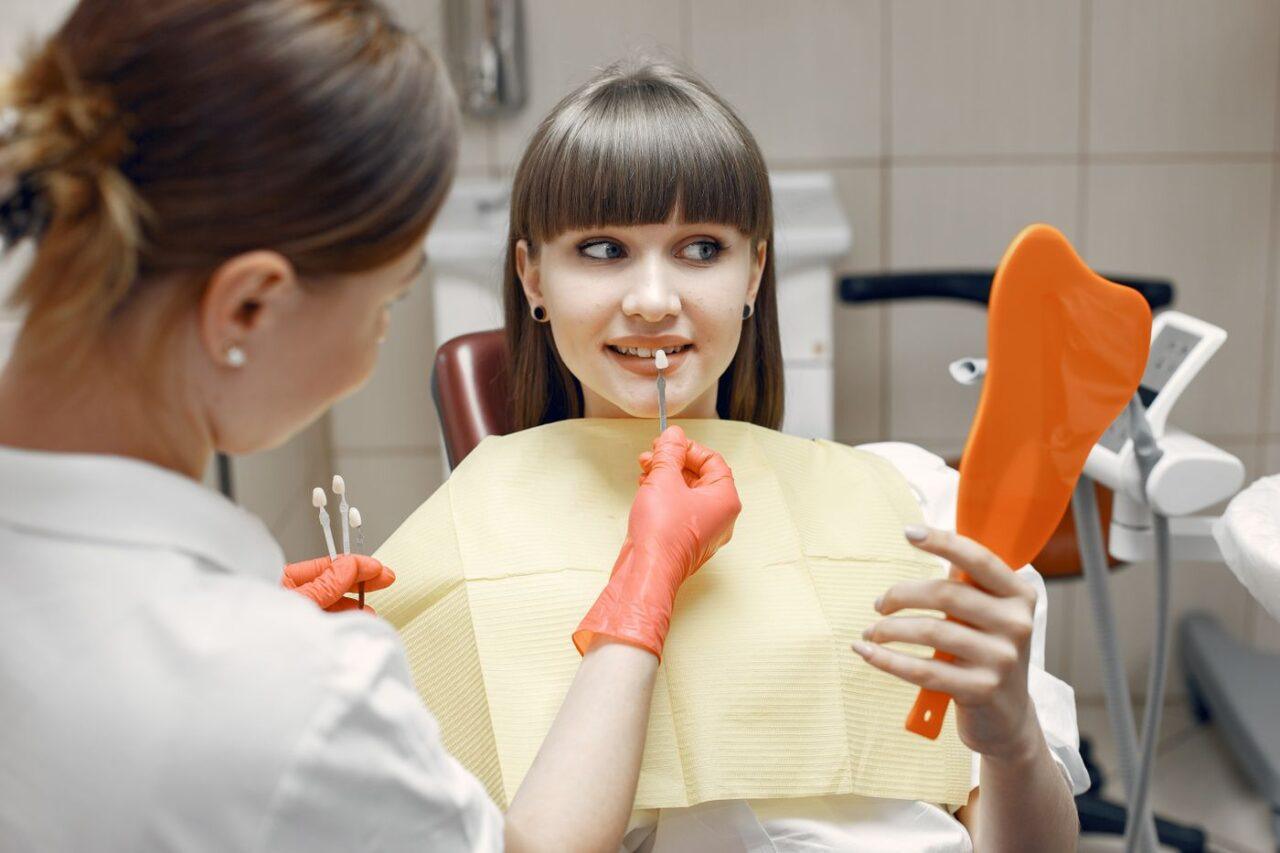
Dentist placing dental veneers in Tillsonburg at Family Dentistry on Brock
5.0 ★ Google ratingfrom 252+ patient reviews
What are dental veneers?

Quick answer

A dental veneer is a thin layer of tooth-coloured material, usually porcelain or composite resin, that is permanently bonded to the front surface of a tooth. Porcelain veneers are made in a dental lab and are about as thin as a contact lens. Composite veneers are sculpted directly on the tooth in one visit.

If colour is your only concern, start with teeth whitening in Tillsonburg. It’s simpler and keeps all your enamel.

Crooked teeth? Straightening them first with clear aligner treatment often means fewer veneers and less tooth reshaping.

Teeth that are badly broken or heavily filled usually need crowns from our restorative care options instead.

Curious who designs your smile? You can meet our doctors before your consultation.

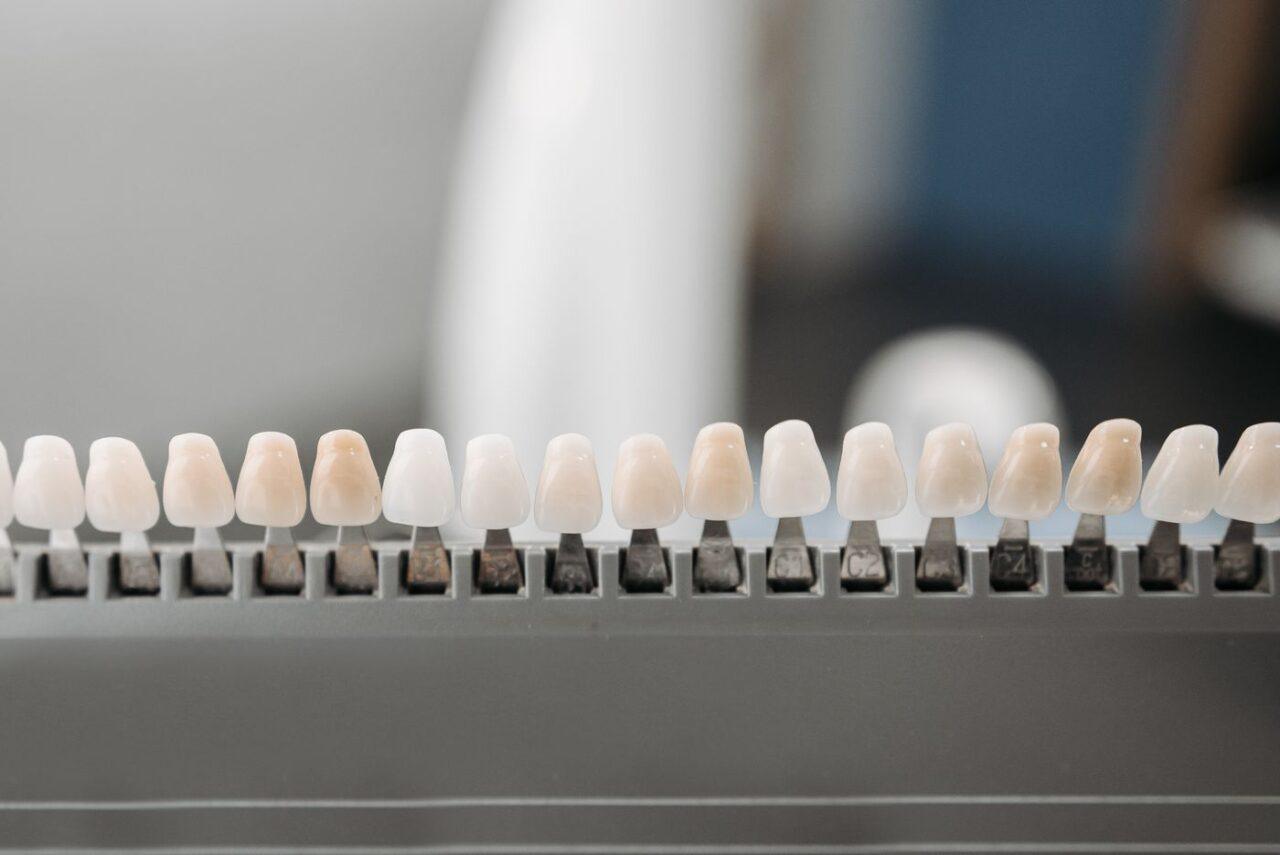
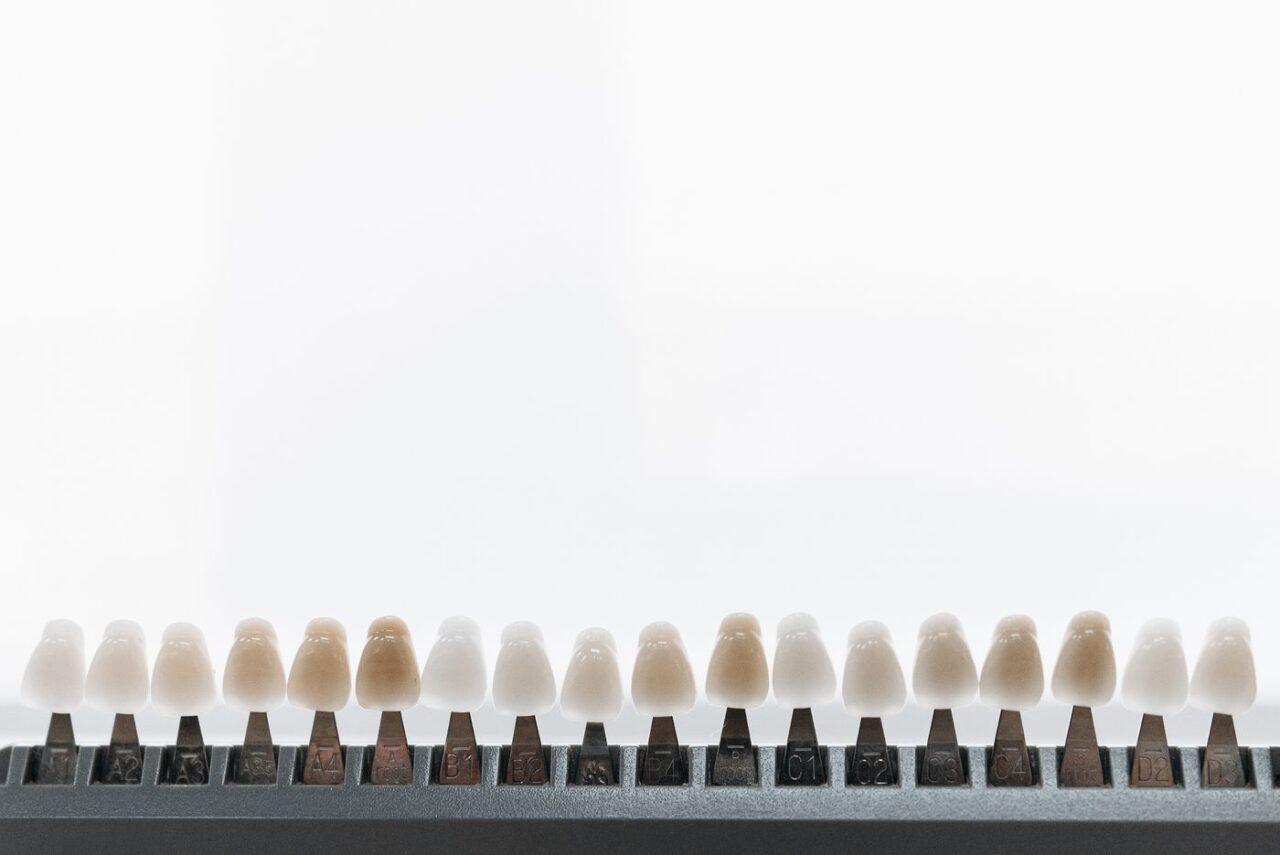
Porcelain dental veneers on display at a cosmetic dentist in Tillsonburg

What problems can veneers fix?

Veneers change how the front of your teeth looks. These are the reasons people ask us about them.

01

Stains that won't whiten

Grey medication stains, fluorosis spots and old dark fillings.

02

Chipped or worn edges

Rebuild length and shape lost to wear or small fractures.

03

Small gaps

Close spaces between front teeth without orthodontics.

04

Uneven or small teeth

Even out sizes and shapes, including peg-shaped lateral teeth.

05

Mildly crooked teeth

Hide minor overlaps when orthodontics isn't wanted.

06

Mismatched old work

Blend old bonding or crowns with a fresh, even look.

Veneers don't fix bite problems, gum disease or deep decay. Those come first.

What are the signs veneers might be right for you?

Veneers are worth asking about if any of these sound familiar.

01

You hide your smile in photos

Chips, gaps or uneven shapes make you close your lips.

02

Whitening didn't work

Grey, banded or spotty stains stayed after whitening.

03

Your front teeth look short

Wear from grinding has flattened the edges.

04

Old bonding keeps staining

Composite repairs need constant touch-ups.

05

One tooth doesn't match

A single dark or misshapen tooth stands out.

06

You want a lasting change

You're ready for a permanent cosmetic treatment.

Porcelain vs composite veneers: which should you choose?

Both look natural when done well. They differ in durability, visits and cost.

FactorPorcelain veneersComposite veneers
MaterialLab-made ceramicTooth-coloured resin shaped in the chair
VisitsUsually 2 to 3Usually 1
Tooth reshapingA thin layer of enamel, often 0.3 to 0.7 mmLittle or none in many cases
Stain resistanceExcellentGood, can stain over time
LifespanAbout 10 to 15 years or moreAbout 5 to 7 years
RepairsUsually replaced if chippedEasy to touch up in the chair
Relative costHigherLower

What is the dental veneer process?

Porcelain veneers usually take 2 to 3 visits over 2 to 4 weeks.

  1. Consultation and exam

    We check teeth, gums and bite, take photos and X-rays, and talk about what you want to change.

  2. Smile design and preview

    A digital design or a trial "mock-up" shows the new shape on your own teeth before anything is changed.

  3. Preparation

    Under local anesthetic, a thin layer of enamel is gently reshaped so the veneers sit flush.

  4. Impressions and temporaries

    Precise records go to the lab, and you wear temporary veneers in the meantime.

  5. Bonding

    Your custom veneers are tried in, adjusted for shade and fit, then bonded in place.

  6. Bite check and follow-up

    We fine-tune your bite and check your gums at a short follow-up visit.

Composite veneers usually skip the lab and are shaped and polished in a single longer appointment.

How does smile design work?

Smile design is the planning step that decides how your new teeth should look before anything is changed.

  1. Photos and records. We take smile photos, a short video of you talking and smiling, and a scan or impression.
  2. Proportions. We look at your face, lips, gum line and the width-to-length ratio of each tooth.
  3. Digital or wax design. The new shapes are planned on a model.
  4. Mock-up in your mouth. A temporary material is pressed over your teeth so you can see and feel the design.
  5. Your feedback. Longer, shorter, rounder, squarer: we adjust until it looks like you on a good day.
Dental veneers consultation with a cosmetic dentist in Tillsonburg

Who is a good candidate for veneers?

Short answer

Adults with healthy teeth and gums, enough enamel and cosmetic concerns like chips, gaps, stains or uneven shapes are usually good candidates. Active decay, gum disease and heavy grinding need to be treated or managed first.

Who may need another option first

  • People with untreated cavities or gum disease
  • Heavy grinders or clenchers (a night guard is usually required)
  • Teeth with large fillings or little enamel left, which may need crowns
  • Teens whose gums and teeth are still settling
  • Anyone with a bite problem that would overload thin veneers

All veneer treatment is planned by dentists registered with the Royal College of Dental Surgeons of Ontario (RCDSO). If veneers aren’t your best option, you’ll hear why.

Veneers vs crowns vs bonding vs whitening: what's the difference?

Each option fixes different problems. Here's a side-by-side.

FactorVeneersCrownsBondingWhitening
CoversFront surface onlyWhole toothSmall areaNo coverage
Tooth reshapingThin layer of enamelMore reduction all aroundLittle or noneNone
Best forColour and shape on healthy teethWeak, broken or heavily filled teethSmall chips and gapsYellowing and surface stains
LifespanAbout 10 to 15+ years (porcelain)About 10 to 15+ yearsAbout 5 to 10 yearsMonths to a few years
ReversibleNoNoMostlyYes

Can veneers fix crooked teeth?

Short answer

Veneers can hide mild crowding or small rotations, which some people call "instant orthodontics." For moderate or severe crowding, straightening the teeth first with clear aligners or braces usually gives a better, more conservative result.

Covering crooked teeth with veneers often means removing more enamel to make everything line up. Straightening first lets the veneers stay thin, or sometimes makes them unnecessary.

The trade-off is time. Aligners add months; veneers alone take weeks. We’ll show you both plans so you can weigh it up.

What do real veneer cases look like?

Typical situations in our Tillsonburg office, with details changed for privacy.

Adult, age 31

Grey bands from childhood medication

Whitening barely helped. 8 porcelain veneers covered the bands and gave an even, natural shade.

Adult, age 45

Front teeth worn short from grinding

A night guard came first, then 6 veneers restored the length, with the guard worn nightly to protect them.

Adult, age 26

A gap and 2 small peg-shaped teeth

2 composite veneers closed the space and evened out the shape in a single visit.

Adult, age 39

Crowding plus chipped edges

Clear aligners straightened the teeth first, so only 4 veneers were needed instead of 8.

What are the common myths about veneers?

Most veneer worries come from bad examples or old techniques.

Myth

Veneers always look fake.

Fact

Well-planned veneers match the shape, translucency and shade of natural teeth. Overly white, bulky veneers come from poor planning.

Myth

Veneers ruin your teeth.

Fact

Porcelain veneers remove a thin layer of enamel, often less than a millimetre. The rest of the tooth stays healthy with good care.

Myth

Veneers can be whitened later.

Fact

Veneers keep their colour. Whiten your natural teeth first, then match the veneers to the new shade.

Myth

Veneers last forever.

Fact

Porcelain veneers often last 10 to 15 years or more, but they may need replacing eventually.

Myth

Teeth under veneers can't get cavities.

Fact

The tooth edges can still decay. Brushing, flossing and checkups still matter.

Are dental veneers safe?

Quick answer

Yes, when they are planned and placed by a licensed dentist on healthy teeth. The main things to understand are that porcelain veneers are usually irreversible, teeth may be sensitive for a short time, and the edges still need good cleaning to prevent decay.

Possible risks

  • Temporary sensitivity to hot and cold after preparation
  • A veneer chipping or coming loose, usually from grinding or biting hard objects
  • Decay at the edges if brushing and flossing slip
  • Gum irritation if a veneer edge isn’t cleaned well

Careful planning, good bonding technique and regular checkups keep these risks low. If anything feels wrong after treatment, call us early. Small issues are easy to fix.

Do veneers hurt, and what is recovery like?

Short answer

Getting veneers usually doesn't hurt. Preparation is done with local anesthetic, and most people feel only mild gum tenderness or temporary sensitivity to cold for a few days afterward.

The first week

  • Your bite may feel slightly different for a day or two
  • Gums can feel a little tender where the veneer edges sit
  • Mild cold sensitivity usually fades within a week
  • Your tongue will notice the smooth new surfaces first

When to call us

Call if your bite feels high, a veneer feels loose, or sensitivity gets worse instead of better. A quick adjustment usually fixes it.

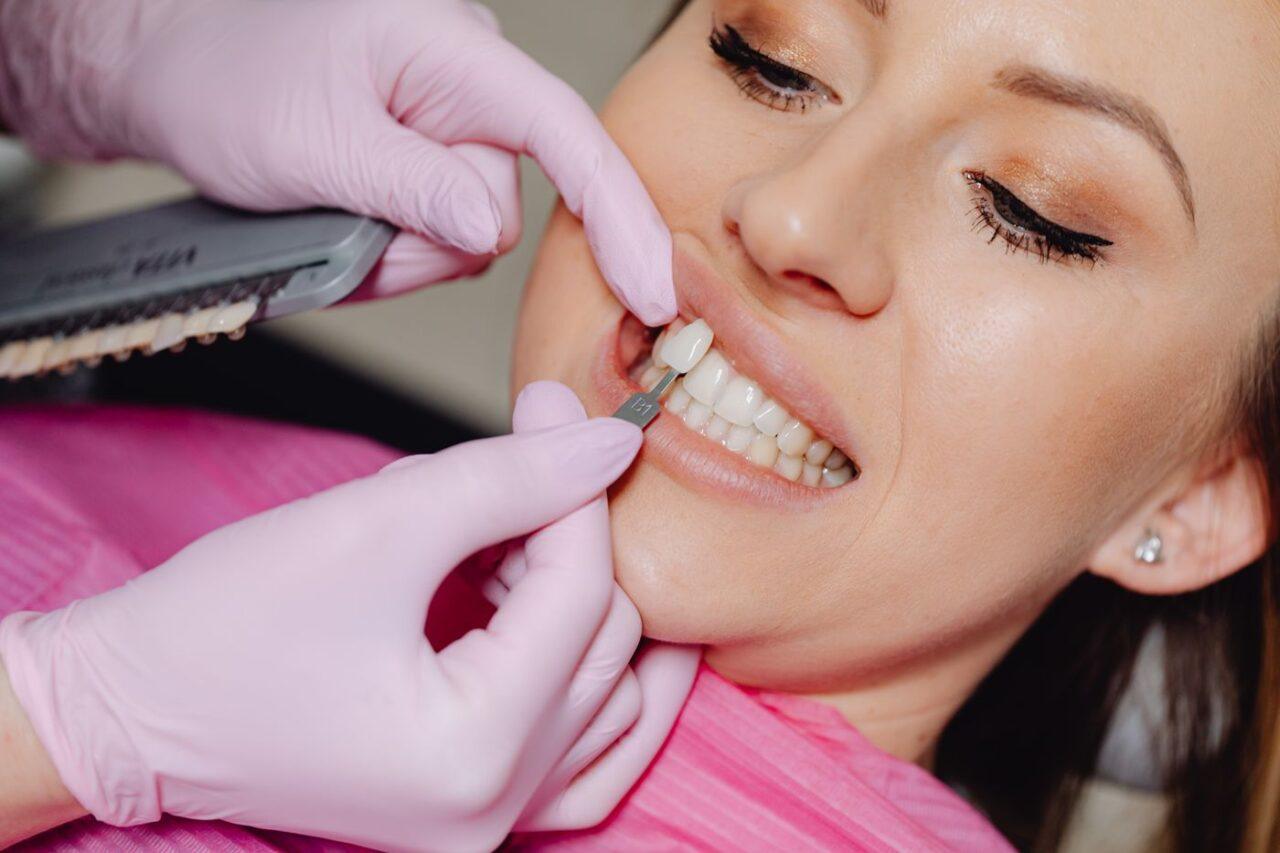
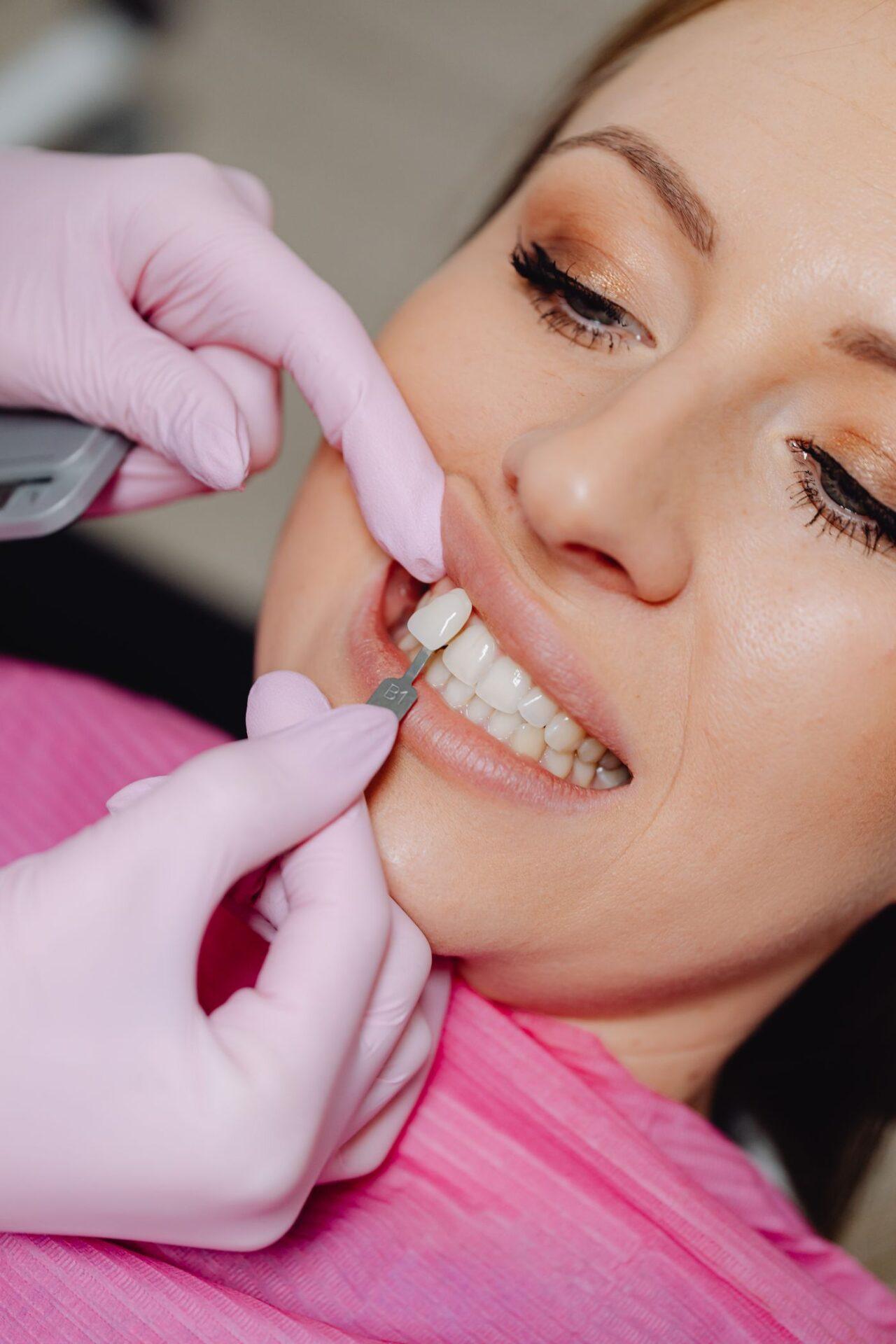
Dental veneer being applied to a patient's tooth in Tillsonburg

What does a day with new veneers feel like?

Most people go back to work the same afternoon. The biggest surprise is usually the feel: smoother, slightly fuller front teeth that your tongue keeps checking for the first few days.

  • Eating: you can eat normally once the freezing wears off. Cut hard foods like apples and crusty bread into pieces at first.
  • Speaking: a slight change in “s” and “f” sounds is possible for a day or two as your lips adjust.
  • Smiling: plenty of patients spend the first evening looking in every mirror they pass (we don’t blame them).

Your follow-up visit, usually 1 to 2 weeks later, checks the bite, the gum edges and how you’re getting on.

Can you get veneers if you grind your teeth?

Often, yes, but grinding has to be managed. Clenching and grinding put heavy sideways forces on thin porcelain, which is the most common reason veneers chip or pop off.

  • A custom night guard is usually required
  • Thicker or stronger materials may be chosen for edges that take the most force
  • Your bite is checked and adjusted so front teeth don’t hit too hard

Severe grinders sometimes do better with crowns or bonding that can be repaired easily.

How do you choose the right veneer shade?

The most natural shade usually sits a little softer than the whitest tab on the chart.

  • Match your eyes: veneers look best when they’re close to the whites of your eyes
  • Consider skin tone: warmer and cooler whites suit different faces
  • Check in daylight: we compare shades by a window, not just under the dental light
  • Think long term: a shade that looks right at 30 should still look right at 50

How do you care for dental veneers?

Treat veneers like natural teeth, with a few extra rules.

01

Brush twice a day

Use a soft brush and non-abrasive fluoride toothpaste.

02

Floss daily

The gumline at the veneer edge needs cleaning to prevent decay.

03

Wear a night guard if you grind

Grinding is the most common reason porcelain chips.

04

Don't bite hard objects

Ice, pens, fingernails and bottle caps can crack veneers.

05

Keep checkups and cleanings

We check the edges and polish without scratching the porcelain.

06

Go easy on stains

Composite veneers pick up coffee and wine stains over time.

Custom dental veneers prepared for a smile makeover in Tillsonburg

What affects the cost of veneers in Tillsonburg?

Short answer

Veneer cost depends on the number of teeth, the material (porcelain or composite), any treatment needed first, such as whitening, aligners or gum work, and the lab work involved. You get a written estimate after your smile design consultation.

Insurance and CDCP

Veneers are usually considered cosmetic, so most dental plans don’t cover them, and neither does the Canadian Dental Care Plan. In some cases, part of the cost may be covered when a tooth is broken or damaged. We can send a predetermination to check.

Choosing how many veneers

Most smile makeovers cover the teeth that show when you smile, often 4 to 10 on the upper arch. Fewer is fine if the rest of your teeth already match well.

What mistakes do people make when getting veneers?

  • Choosing the whitest shade on the chart. Too white looks artificial. The best shade suits your skin tone and the whites of your eyes.
  • Skipping the preview. A mock-up shows the shape before any enamel is touched.
  • Not whitening first. Veneers are matched to your other teeth, so whiten before, not after.
  • Ignoring grinding. Without a night guard, porcelain can chip.
  • Fixing crooked teeth with too many veneers. Straightening first often saves teeth and enamel.
  • Choosing a clinic only by price. Lab quality and planning time show up in the result.

What are no-prep or minimal-prep veneers?

No-prep and minimal-prep veneers are ultra-thin porcelain shells that need little or no enamel removal. They can work well for small teeth, gaps or teeth that sit slightly back in the arch.

The catch: adding material without removing any can make teeth look bulky if they’re already well positioned. They’re a good tool in the right case, and a poor one in the wrong case.

We’ll show you on a mock-up which approach gives the most natural result for your teeth.

Can veneers fix a front tooth damaged in an accident?

Often, yes. A chipped or broken front tooth with healthy roots and enough enamel can usually be restored with a veneer or bonding.

First, we check the nerve with tests and an X-ray. Teeth that have been knocked can darken months later if the nerve was injured, so we sometimes wait and watch before placing a permanent veneer.

If more than about half the tooth is missing, a crown is usually the stronger choice. And if you’ve just had the accident, treat it as urgent and call us the same day.

How long do veneers last, and what happens when they need replacing?

Quick answer

Porcelain veneers usually last 10 to 15 years or more, and composite veneers about 5 to 7 years. Grinding, biting hard objects and gum recession shorten that time.

When a veneer wears out, chips or the gum line changes, it’s removed and replaced with a new one. The tooth underneath usually needs only light refreshing.

Composite veneers are often repolished or touched up in the chair before they need full replacement. Regular checkups help us catch small issues before they become bigger ones.

What should you ask at your veneers consultation?

  1. Am I a good candidate, or would whitening, bonding or aligners work better?
  2. Porcelain or composite for my teeth, and why?
  3. How much enamel will be removed?
  4. Can I see a mock-up before treatment?
  5. How many veneers do I really need?
  6. Will I need a night guard?
  7. What does the estimate include?

Bring photos of smiles you like (and ones you don’t). It helps us understand your taste faster than any description.

How long does the veneer process take?

A typical timeline for porcelain veneers. Composite veneers are often finished in one visit.

StageWhenWhat happens
Consultation and photosWeek 1Exam, X-rays, smile goals and records
Smile design and mock-upWeek 1 to 2Preview the new shape on your own teeth
Preparation and temporariesWeek 2Gentle reshaping, impressions, temporary veneers
Lab fabricationAbout 1 to 2 weeksCustom porcelain veneers are made
BondingWeek 3 to 4Try-in, shade check and permanent bonding
Follow-up1 to 2 weeks laterBite check, gum check and night guard if needed

If whitening or clear aligners come first, add that time to the start of the plan.

Thinking about veneers?

Call our dental office in Tillsonburg at +1 519-900-5640 or email info@familydentistryonbrock.com. We'll reply quickly and set up a smile design consultation, including Monday evenings or Saturdays by appointment.

Why choose Family Dentistry on Brock for veneers in Tillsonburg?

If you’re looking for a cosmetic dentist in Tillsonburg who’ll plan carefully and tell you when you don’t need veneers, you’re in the right place. Family Dentistry on Brock holds a 5.0 Google rating from 252+ patient reviews, and many patients call us the best dental clinic in Tillsonburg for natural-looking results.

  • Smile previews before treatment. See the shape before any tooth is changed.
  • Licensed care. Planned by dentists registered with the RCDSO.
  • Every option in one place. Dental implants, clear aligners, restorative care, dental veneers, laser treatment, teeth whitening, dental emergency care, sedation dentistry, dental surgery and orthodontics.
  • New and CDCP patients welcome. CDCP covers eligible general care like exams and cleanings.
  • Extended hours. Monday until 7:00 PM and Saturday by appointment.
  • Easy to find. 49 Brock St E, Tillsonburg, ON N4G 1Z7.

Many veneer patients already see us as their family dentist in Tillsonburg, and some first came in as an emergency dental clinic in Tillsonburg after chipping a front tooth.

Dental veneers in Tillsonburg: frequently asked questions

How long do dental veneers last?

Porcelain veneers usually last 10 to 15 years or more with good care, while composite veneers last about 5 to 7 years. Wearing a night guard and avoiding hard objects helps them last longer.

Are veneers permanent?

Porcelain veneers are considered permanent because a thin layer of enamel is usually removed. If a veneer is ever removed, the tooth will need a new veneer or another restoration.

Do veneers look natural?

Yes, when they are well planned. Shade, shape and translucency are matched to your face and other teeth, and a mock-up lets you preview the look first.

Can I get veneers on just 1 or 2 teeth?

Yes. Single veneers are common for a chipped or discoloured tooth, though matching 1 veneer to natural teeth takes extra care with shade.

Are veneers better than teeth whitening?

They solve different problems. Whitening lightens natural teeth without changing their shape, while veneers change colour, shape and size. If colour is your only concern, whitening is usually the first step.

Conclusion

Dental veneers can fix chips, gaps, worn edges and stubborn stains with natural-looking, long-lasting results. Because they are usually permanent, a careful assessment and smile preview by an RCDSO-registered dentist matter as much as the veneers themselves. Family Dentistry on Brock is ready to help you decide whether veneers, whitening or another option is the right fit for your smile.

Results vary from patient to patient. This page is general information and does not replace an in-person dental assessment.