Realistic dentures before and after

Dentures have long been a popular solution for individuals missing teeth, providing both aesthetic and functional benefits. When considering dentures, it’s natural to wonder about the before and after transformation. How realistic do dentures look? Let’s explore the journey from initial fitting to the final outcome.
Before: Consultation and Fitting
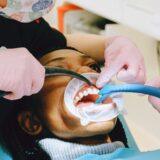
Before getting dentures, you’ll have a consultation with a dentist or prosthodontist. During this visit, they will assess your oral health, discuss your options, and take impressions of your mouth to create custom dentures that fit comfortably.
At the fitting appointment, you’ll try on the dentures to check the fit and make any necessary adjustments to ensure they feel secure and natural in your mouth.
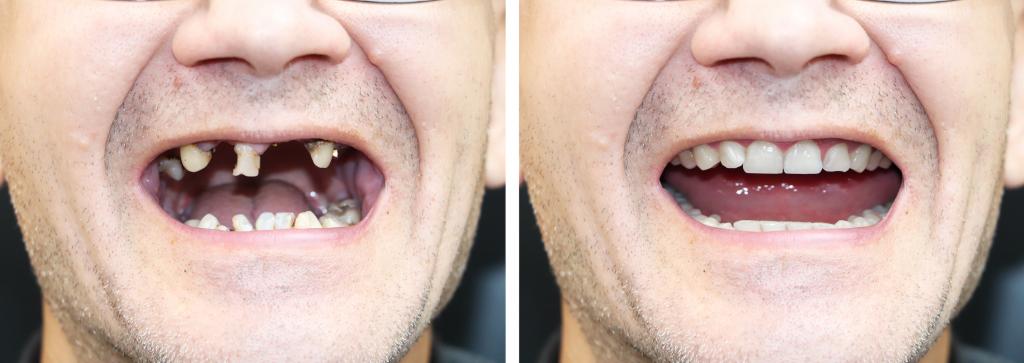
Credit: eurodenture.com
Before: Natural and Realistic Look
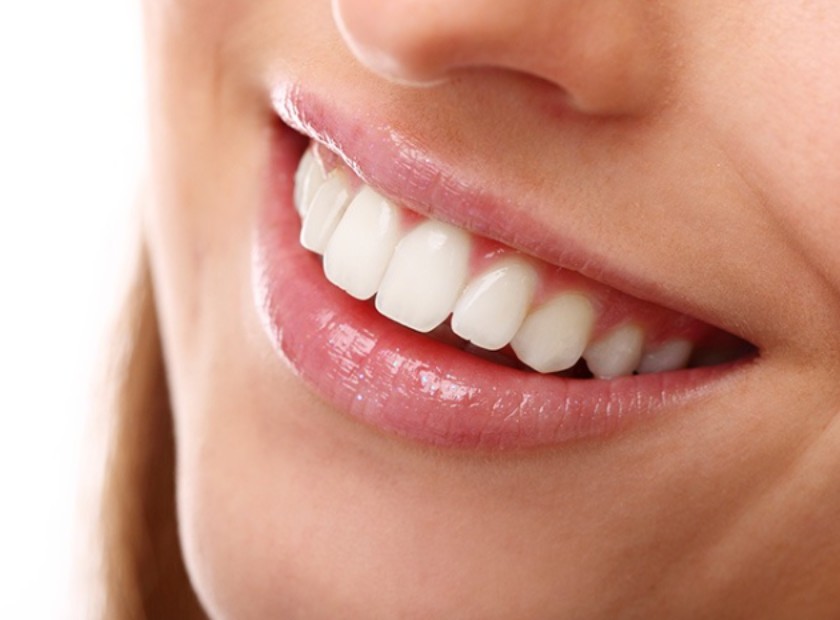
Modern dentures are designed to replicate the natural appearance of teeth. The materials used closely mimic the color and translucency of real teeth, giving your smile a realistic and aesthetically pleasing look.
The customization of dentures includes considerations such as the size, shape, and alignment of teeth to match the characteristics of your natural smile, creating a seamless integration.
After: Adjusting to Your New Smile
After receiving your dentures, there will be an adjustment period as you get used to wearing them. This may involve practicing speaking and eating with dentures to become comfortable with their feel and function.
It’s common to experience some initial discomfort or minor soreness as your mouth adapts to the dentures. Your dentist can provide guidance on proper care and maintenance to ensure a smooth transition.
After: Confident Smile Makeover
One of the significant benefits of realistic dentures is the transformation they offer to your smile. With well-fitted dentures that look natural, you can regain your confidence and enjoy a radiant smile once again.
Whether interacting with others, speaking in public, or simply smiling in photos, realistic dentures can give you the assurance to showcase your beautiful smile without hesitation.
After: Maintaining Your Dentures
Proper care and maintenance are essential to keep your dentures looking realistic and functioning well. Regular cleaning, storage in a denture solution, and routine dental check-ups play a crucial role in preserving the quality of your dentures.
By following your dentist’s recommendations and caring for your dentures diligently, you can prolong their lifespan and ensure that they continue to enhance your smile for years to come.
Conclusion: Transform Your Smile with Realistic Dentures
Realistic dentures offer a transformative solution for individuals seeking to restore their smile and oral function. From the initial consultation to the final fitting, the process of getting dentures can lead to a significant before and after difference in your smile.
With advancements in dental technology and materials, today’s dentures provide a natural and realistic appearance that blends seamlessly with your existing teeth. Embrace the journey to a confident smile makeover with realistic dentures that look and feel just like the real thing!
Frequently Asked Questions Of Realistic Dentures Before And After
What Are Realistic Dentures Made Of?
Realistic dentures are made from high-quality acrylic, porcelain, or a combination of both materials for a natural appearance and durability.
Can Realistic Dentures Improve Chewing Ability?
Yes, realistic dentures can enhance your ability to chew and enjoy a wider variety of foods with confidence.
How Long Do Realistic Dentures Last?
With proper care and regular check-ups, realistic dentures can last 5-8 years before needing adjustments or replacement.
Are Realistic Dentures Comfortable To Wear?
Realistic dentures are custom-fitted to ensure comfort and natural feel, allowing for ease of speech and everyday activities.
Setting realistic denture expectations
General dentist registered with the Royal College of Dental Surgeons of Ontario (RCDSO), practising at Family Dentistry on Brock, Tillsonburg. Last reviewed November 2026. This guide is general information and does not replace an exam with your own dentist.
What dentures can and cannot do
| Dentures can | Dentures cannot |
|---|---|
| Replace missing teeth with natural-looking ones | Feel exactly like natural teeth |
| Restore lip and cheek support | Stop jawbone shrinking on their own |
| Improve chewing compared with missing teeth | Match the chewing strength of natural teeth |
| Improve speech after practice | Stay perfectly still, especially lower dentures |
| Boost confidence | Last forever without relines or replacement |
Signs of a realistic before and after photo
- Natural light rather than studio lighting.
- Teeth that are not unnaturally bright or perfectly even.
- Photos taken while smiling and talking, not just posed.
- Visible gum line that looks natural in colour.
- The same person photographed from the same angle.
Setting your own expectations
Appearance
Very natural results are possible with careful shade and shape choices.
Comfort
Expect a few weeks of adjustment and some follow-up visits.
Eating
Most foods become possible with practice; very hard foods remain difficult.
Speech
A brief lisp is common at first and usually settles.
Stability
Implants can greatly improve stability if needed.
Why do some people love their dentures and others struggle?
Fit, bone shape, expectations and practice all play a part. Lower dentures are often harder to get used to, and implants can help a lot.
How can I see a realistic preview?
A wax try-in shows your new teeth in your mouth before the denture is finished, so you can judge the look in real life.
Making the most of new dentures
How you approach the first months makes a big difference to how realistic and comfortable your dentures feel. Wear them during the day as advised, even when they feel strange at first, so your mouth adapts more quickly. Start with soft foods cut into small pieces and chew on both sides at once, which keeps a lower denture steadier. Read aloud or sing to train your tongue and lips around the new teeth. Keep track of any sore spots and bring them to your follow-up visits rather than putting up with them. Take your dentures out at night, clean them daily with a denture brush and cleaner, and soak them overnight. Within a few weeks, most people find eating and talking much easier, and friends and family often notice a fresher, fuller smile rather than the dentures themselves.
A realistic first-month checklist
Knowing what is normal helps you stay patient while you adapt.
- Extra saliva for the first few days
- A slight lisp that improves with practice
- One or two sore spots that need adjusting
- Chewing slowly and on both sides
Some things are worth reporting right away.
- Sores that do not improve after an adjustment
- A denture that drops or lifts constantly
- Clicking teeth when you talk
- Pain when you bite together
Is it normal to dislike my dentures at first?
Many people do. Most feel much better after a few weeks and a couple of adjustments.
When should I consider implants?
If a lower denture still moves a lot after adjustments and relines, implants can make a big difference.
Honest answers to common worries
Many people feel anxious about getting dentures, and a few concerns come up again and again. One is that everyone will know. In reality, well-made dentures are rarely noticed, especially once you are used to speaking and smiling with them. Another worry is never eating favourite foods again. Most people return to a wide range of foods after a few weeks, though very hard or sticky items remain harder. Some worry that dentures will make them look older. Properly designed dentures do the opposite, restoring lip and cheek support that is lost when teeth go missing.
The most realistic way to judge your future result is not a magazine photo but your own try-in. Seeing the teeth in your mouth, in daylight, while you speak and smile, gives you the clearest picture of what to expect, and it is the right time to ask for changes.
Will dentures change my voice?
A brief change is common in the first days. Practice usually brings speech back to normal quickly.
Coverage and the Canadian Dental Care Plan
The CDCP covers complete and partial dentures for eligible patients, with possible preauthorization and co-payment. Implants are not covered.
Dentures at Family Dentistry on Brock
Family Dentistry on Brock is at 49 Brock St E in Tillsonburg, and we welcome patients from Tillsonburg, Norfolk County and Oxford County. We accept new patients and the CDCP. Read about dentures that look real, new dentures before and after and our before and after gallery.
Realistic Denture FAQs
Do dentures look natural?
Yes, with careful shade and shape choices.
Will dentures feel like real teeth?
Not exactly, but most people adapt.
Can I eat everything with dentures?
Most foods, with practice.
How long to get used to dentures?
Often a few weeks.
Are denture photos realistic?
Look for natural light and natural shades.
Can I preview my dentures?
Yes, at the wax try-in.
Can implants make dentures more stable?
Yes.
Does the CDCP cover dentures?
Yes, for eligible patients.
Book a denture consultation in Tillsonburg
Plan dentures with realistic, natural results. Family Dentistry on Brock, 49 Brock St E, Tillsonburg, ON N4G 1Z7. Call 519-900-5640 or book online. New patients and CDCP patients are welcome.
Book an appointment