How Long Does a Tooth Extraction Take to Heal?

Most people feel noticeably better 3 to 5 days after a tooth extraction, and the gum usually closes over the socket within 1 to 2 weeks. The bone underneath takes longer, often 3 to 6 months, to fill in completely. Some soreness and swelling in the first few days is normal and temporary. Pain that gets worse after day 3 can be a sign of dry socket or infection and is worth a call. A simple extraction heals faster than a surgical one, which is why recovery advice after dental surgery in Tillsonburg is always tailored to the type of removal.
The first 24 to 72 hours matter most. That’s when the blood clot forms and settles, and protecting it is the single best thing you can do for fast healing.
Planning ahead helps too. If you’ll want the tooth replaced, ask about timing for dental implants in Tillsonburg before the extraction, since a bone graft placed in the socket can protect the area.
Nervous about the procedure? Sedation dentistry in Tillsonburg can help you stay calm, especially for wisdom teeth.
If something feels off during healing, such as throbbing pain or swelling that keeps growing, a dental emergency in Tillsonburg visit can sort it out quickly. Having your extraction and follow-up at the same dental clinic in Tillsonburg keeps care simple.
Tooth extraction healing timeline
| Time after extraction | What’s happening | What you’ll feel |
|---|---|---|
| First 24 hours | Blood clot forms in the socket | Numbness wearing off, oozing, mild to moderate soreness |
| Days 2 to 3 | Inflammation peaks | Most swelling and possible bruising |
| Days 4 to 7 | New tissue starts forming | Pain easing, eating more comfortably |
| Weeks 1 to 2 | Gum covers the socket | Little discomfort, small dip in the gum |
| Weeks 3 to 4 | Soft tissue fills in | Area feels almost normal |
| Months 3 to 6 | Bone fills and remodels | No sensation, ready for implant if planned |
Simple vs surgical extraction recovery
| Simple extraction | Surgical or wisdom tooth extraction | |
|---|---|---|
| What’s involved | Visible tooth lifted out | Gum opened, bone may be removed, tooth sectioned |
| Typical soreness | 2 to 4 days | 4 to 7 days |
| Swelling | Mild | Moderate, peaks day 2 to 3 |
| Stitches | Sometimes | Usually, often dissolving |
| Back to normal activities | Next day | 2 to 3 days |
How can you heal faster after a tooth extraction?
- Bite on gauze for 30 to 45 minutes after the procedure.
- Don’t rinse, spit forcefully or use straws for 24 hours.
- Avoid smoking and vaping for at least 72 hours, ideally longer.
- Use cold packs on your cheek for the first day, 15 minutes on and off.
- Keep your head raised when resting the first night.
- Eat soft, cool foods and chew on the other side.
- Start gentle salt water rinses after 24 hours, as directed.
- Brush your other teeth normally, carefully near the socket.
- Take pain relief as advised by your dentist or pharmacist.
- Skip strenuous exercise for 2 to 3 days.
What can you eat after an extraction?
- Day 1: yogurt, smoothies (with a spoon), applesauce, pudding, lukewarm soup
- Days 2 to 3: scrambled eggs, mashed potatoes, oatmeal, soft pasta
- Days 4 to 7: soft fish, rice, cooked vegetables, soft bread
- Avoid for a week: chips, nuts, seeds, popcorn, spicy food, very hot drinks, alcohol
What is dry socket?
Dry socket happens when the blood clot breaks down or dislodges, leaving bone exposed. It usually shows up 2 to 4 days after extraction as pain that gets worse instead of better, often spreading to the ear, with a bad taste or smell.
It’s more common after lower wisdom tooth removal and in smokers. It’s very treatable: the dentist cleans the socket and places a soothing dressing, and pain usually eases quickly.
Myths about extraction recovery
“Rinsing hard keeps the socket clean.”
Hard rinsing in the first day can dislodge the clot. Gentle rinses start after 24 hours.
“Antibiotics are always needed.”
Most extractions heal well without them. They’re used when there’s infection or specific risk factors.
“Wisdom tooth recovery takes weeks of pain.”
Most people feel much better within a week.
“Extractions are always painful.”
The area is numbed during the procedure, and sedation is available for anxious patients. Afterward, discomfort is usually manageable.
Should you replace the extracted tooth?
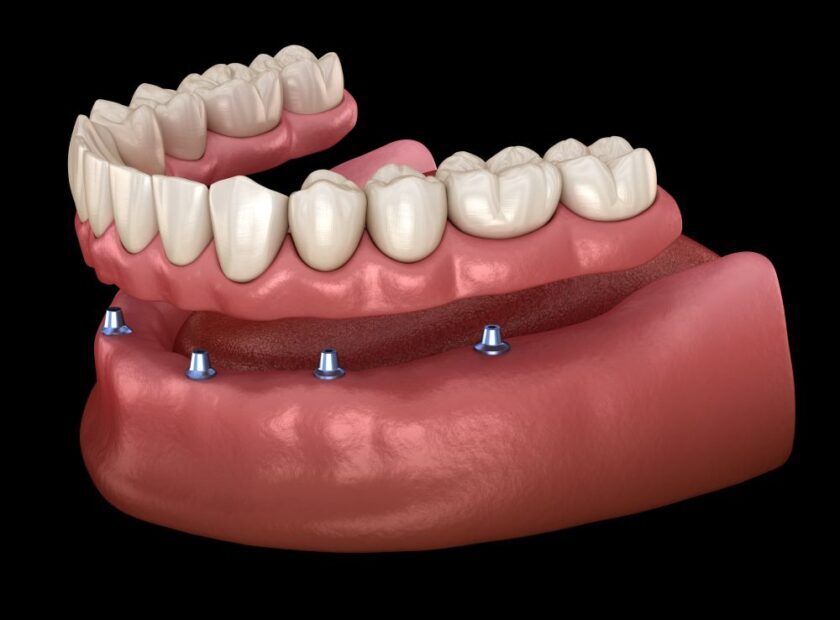
For back teeth and front teeth alike, leaving a gap can let neighbouring teeth drift and the bone shrink. Options include an implant, a bridge or a partial denture. If you’re planning an implant, ask about socket grafting at the time of extraction.
Extractions and aftercare at Family Dentistry on Brock
Family Dentistry on Brock is one of the most trusted choices for a top dentist in Tillsonburg, holding a 5.0 Google rating from 252+ patient reviews. The team gives clear written aftercare and responds quickly if you have concerns during healing.
New patients and CDCP patients are welcome. The clinic provides dental implants, clear aligners, restorative care, dental veneers, laser treatment, teeth whitening, dental emergency care, sedation dentistry, dental surgery and orthodontics.
Book a Monday evening appointment (open until 7:00 PM) or a Saturday by request. Call +1 519-900-5640, email info@familydentistryonbrock.com, or visit 49 Brock St E, Tillsonburg, ON N4G 1Z7.
Extractions are performed by licensed dental professionals registered with the Royal College of Dental Surgeons of Ontario (RCDSO), with follow-up visits as needed.
Frequently asked questions
How long does pain last after a tooth extraction?
Most pain peaks in the first 2 to 3 days and improves steadily after that. Pain that gets worse after day 3 should be checked by your dentist.
When can I eat normally after an extraction?
Most people return to fairly normal eating within about a week, starting with soft foods and avoiding crunchy, spicy and very hot foods at first.
How do I know if I have dry socket?
Dry socket usually causes pain that gets worse 2 to 4 days after extraction, often spreading to the ear, with a bad taste or smell. Call your dentist if you suspect it.
When does the hole close after a tooth extraction?
The gum usually closes over the socket within 1 to 2 weeks. The bone underneath fills in over 3 to 6 months.
Can I smoke after a tooth extraction?
It’s best to avoid smoking and vaping for at least 72 hours, as it greatly raises the risk of dry socket and slows healing.
Conclusion
Most people feel much better within a week of a tooth extraction, though bone keeps healing for months.
Protecting the blood clot in the first few days is the key to a smooth recovery.
Call your dentist if pain worsens instead of improving, and plan ahead for replacing the tooth.