Do Teeth Shift After Braces or Clear Aligners?
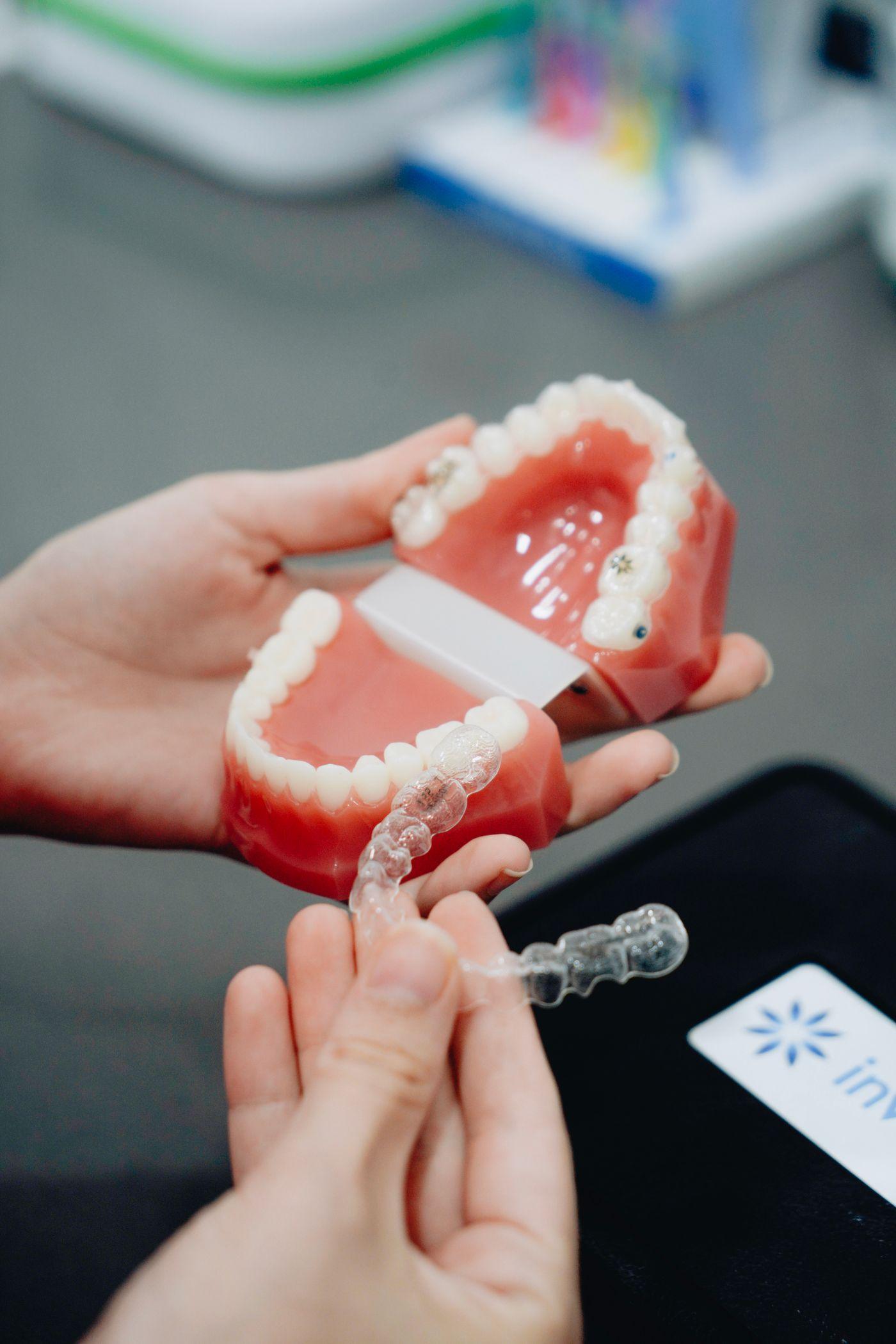
Yes, teeth can shift after braces or clear aligners, and some movement is completely normal. Teeth sit in living bone and gum fibres that keep remodelling throughout life, so without a retainer, crowding often creeps back, especially in the lower front teeth. Small changes are common and usually fixable, but a noticeable shift, a new gap or a bite that suddenly feels different is worth checking early with your orthodontics in Tillsonburg team.
This is one of the most frustrating things for adults who straightened their teeth as teens. Years of braces, then the retainer went missing in a move, and now the bottom teeth are overlapping again. Mild relapse can often be corrected in a few months with clear aligner treatment, followed by a retainer plan that actually fits your life.
Shifting isn’t always about old orthodontic work. Gum disease, tooth loss, grinding and even a new crown that’s slightly high can all move teeth, so a full exam covers more than just alignment. You can see the full range of dentistry services that might be part of the fix, and meet our doctors before your first visit.
If your retainer no longer fits or you’ve noticed movement, it’s simple to book an appointment and get it checked before things move further.
Quick answer: Teeth shift after braces or aligners mainly because bone and gum fibres keep remodelling, and they try to pull teeth back toward their old positions. Retainers are the main way to prevent this. Minor shifting is common and often fixable with a short aligner course. Sudden shifting, loose teeth or a changing bite need a dental exam to rule out gum disease or other causes.
Why do teeth move after orthodontic treatment?
Orthodontic treatment moves teeth by gently reshaping the bone around them. Once treatment ends, that process doesn’t just stop.
3 main reasons for relapse
- Gum fibre memory. Elastic fibres around the necks of teeth, especially rotated ones, stretch during treatment and tend to pull back toward the old position for months or even years.
- Ongoing bone remodelling. Bone keeps renewing itself for life. Without a retainer holding teeth steady, they drift.
- Natural ageing. Even people who never had braces see lower front teeth crowd slightly with age. This is called late mesial drift.
Other causes of shifting
- Gum disease that weakens bone support
- Missing teeth that leave space for neighbours to tip
- Grinding and clenching that push teeth around
- Tongue thrust or lip habits
- Wisdom teeth, though research shows they’re a minor factor at most
- Dental work that changes the bite, like a crown or filling that’s slightly high
Signs your teeth are shifting
- Your retainer feels tight, or doesn’t seat fully
- Floss snaps or catches between teeth that used to be easy
- Lower front teeth overlap more than before
- A gap has opened between front teeth
- Your bite feels different when you close
- Food traps in new places
- You notice changes in photos
How common is relapse?
Long-term studies show that a large share of people see some relapse years after orthodontic treatment without retainers, and the lower front teeth are the most common spot. With consistent retainer wear, changes are usually small.
Types of retainers compared
| Type | What it is | Pros | Cons |
|---|---|---|---|
| Bonded (fixed) retainer | Thin wire glued behind front teeth | Always working, no effort | Harder to floss; wire can break |
| Clear removable retainer | Thin plastic tray like an aligner | Nearly invisible, easy to clean | Can crack, wear or get lost |
| Hawley retainer | Acrylic plate with a metal wire | Durable, adjustable | More visible, can affect speech at first |
| Combination | Bonded on lower, removable on upper | Strong protection | Two systems to look after |
How long should you wear a retainer?
The common advice today is lifelong, at least at night. Most people wear removable retainers full-time for a few months after treatment, then switch to night-time wear indefinitely.
Braces vs clear aligners: does one relapse more?
| Factor | Traditional braces | Clear aligners |
|---|---|---|
| Relapse risk | Similar when retainers are worn | Similar when retainers are worn |
| Fixing relapse | Possible, but more visible | Often the easier choice for minor relapse |
| Retainer after | Needed | Needed |
| Best for | Complex bites, big movements | Mild to moderate crowding, spacing, relapse touch-ups |
The appliance matters less than the retainer habit afterward.
Can shifted teeth be fixed?
Yes, in most cases. Options depend on how much the teeth have moved.
Minor relapse
A new retainer can sometimes push teeth back slightly if the shift is very small and caught early. More often, a short course of clear aligners, often a few months, corrects it.
Moderate relapse
A full clear aligner plan or braces may be needed, especially if the bite has changed.
Relapse plus other problems
If gum disease or missing teeth caused the shift, those need treatment first. Moving teeth on weakened bone can make things worse.
Step by step: fixing teeth that have shifted
- Exam and X-rays. Check gum health, bone levels, cavities and bite.
- Digital scan. A 3D scan shows exactly how teeth have moved.
- Plan options. Retainer adjustment, aligners or braces, with time estimates.
- Treatment. Most minor cases use aligners worn 20 to 22 hours a day.
- New retainers. Made at the end of treatment from a fresh scan.
- Follow-up. Retainer checks at regular cleanings.
Common myths
“Once teeth are straight, they stay straight”
Teeth move throughout life. Retainers are the only reliable way to keep results.
“Wisdom teeth are what make teeth crooked again”
Research shows wisdom teeth play a small role, if any. Gum fibres, ageing and skipped retainers matter much more.
“If my old retainer still fits a little, it’s fine”
A retainer that doesn’t seat fully can put uneven pressure on teeth. If it feels very tight or rocks, have it checked.
“Fixing relapse means starting over with full braces”
Many relapse cases are corrected in months with clear aligners.
Safety note: Don’t force an old retainer onto teeth that have moved a lot, and don’t use mail-order aligners to fix relapse without an exam. Teeth that feel loose, gums that bleed, or a sudden change in bite can point to gum disease or other problems that need professional care first. This article is general information and isn’t a diagnosis.
How to prevent your teeth from shifting
- Wear your retainer exactly as directed, usually every night
- Clean your retainer daily with cool water and a soft brush
- Keep it in its case, away from pets and heat
- Bring it to every checkup so the fit can be checked
- Replace removable retainers when they crack or wear
- Floss carefully around bonded retainers with a threader
- Wear a night guard if you grind
- Keep up regular cleanings to protect gum and bone support
A real example
A patient in his late 30s had braces as a teenager and lost his retainer during university. Over 15 years, his lower front teeth crowded noticeably. A short course of clear aligners straightened them in about 5 months. He now has a bonded wire behind his lower front teeth and wears a clear retainer on the upper teeth at night.
Getting help in Tillsonburg
If your teeth have shifted, a dentist in Tillsonburg who offers both clear aligners and orthodontics can explain all of your options, not just one. Every dentist practising in Ontario must be registered with the Royal College of Dental Surgeons of Ontario (RCDSO).
Family Dentistry on Brock is one of the most trusted dental clinics in Tillsonburg, with a 5.0 Google rating from 252+ patient reviews. New patients and CDCP patients are welcome. Services include dental implants, clear aligners, restorative care, dental veneers, laser treatment, teeth whitening, dental emergency care, sedation dentistry, dental surgery and orthodontics.
The office has extended weekday hours, open Mondays until 7:00 PM, and Saturday appointments are available by request. It’s at 49 Brock St E, Tillsonburg, ON N4G 1Z7. Call +1 519-900-5640 or email info@familydentistryonbrock.com, and the team responds quickly if your retainer no longer fits.
How to care for each type of retainer
A retainer only protects your smile if it’s clean, intact and actually in your mouth. Care is a little different for each type.
Clear removable retainers
- Rinse with cool water every morning when you take it out
- Brush gently with a soft brush and mild soap, not toothpaste, which scratches the plastic
- Soak once a week in a retainer cleaner or a mild vinegar and water mix
- Never use hot water, which warps the plastic
- Keep it in a case, never wrapped in a napkin
Hawley retainers
- Brush the acrylic and wire daily
- Check that the wire isn’t bent
- Store in a case when not in your mouth
Bonded wire retainers
- Floss under the wire with a floss threader or super floss
- Use a small interdental brush between teeth
- Have the wire checked at every cleaning
- Call if the wire feels loose, sharp or rough
Signs your retainer needs replacing
| Sign | What it means |
|---|---|
| Cracks or splits in clear plastic | Weak spots that can break or stop holding teeth |
| Cloudy, yellow or smelly plastic | Bacteria build-up that cleaning no longer removes |
| Retainer feels loose | It has stretched or worn and isn’t holding teeth |
| Retainer feels very tight or won’t seat | Teeth have moved; needs assessment before forcing it |
| Bent wire on a Hawley retainer | It may push teeth in the wrong direction |
| Broken bonded wire | Teeth behind it can shift within weeks |
Many people need a new clear retainer every 1 to 3 years, depending on grinding and care. It’s a small cost compared with redoing orthodontic treatment.
What to do if you’ve lost your retainer
- Call your dental office soon. The sooner a new retainer is made, the less teeth can move.
- Don’t wait for a scheduled checkup if it’s months away.
- Avoid stretching an old retainer to fit if teeth have already shifted.
- Ask about a digital scan, which makes replacement faster.
- Consider a bonded wire for the lower front teeth if you tend to lose removable retainers.
Teeth shifting during pregnancy and menopause
Hormone changes can loosen the ligaments around teeth slightly. Some people notice teeth feel a bit mobile or that their retainer fits differently during pregnancy. Gum inflammation is also more common. Keep wearing retainers, keep up cleanings, and mention any changes at your checkups.
Questions to ask about relapse treatment
- How much have my teeth moved, and can you show me on the scan?
- Can this be fixed with aligners, or do I need braces?
- How long will correction take?
- Do I need a cleaning or gum treatment first?
- Which retainer would suit my habits best afterward?
Clear answers to these questions make it much easier to decide, and most relapse plans are shorter than people expect.
Frequently asked questions
How quickly can teeth shift without a retainer?
Some movement can start within weeks of stopping retainer wear, especially in the first year after treatment. Over years, changes can become more noticeable.
Is it too late to wear my old retainer?
If it still fits comfortably without force, it may help. If it’s tight, rocks or causes pain, stop and have it checked.
Can adults fix relapse with clear aligners?
Yes. Clear aligners are a common way to correct mild to moderate relapse in adults.
Do bonded retainers last forever?
They can last many years, but wires sometimes break or come loose. Regular checks catch problems early.
Why are my lower front teeth getting crooked in my 40s?
Natural ageing, gum changes and grinding can all crowd lower front teeth over time, even without past braces.
Conclusion
Teeth naturally shift after braces or aligners if they aren’t held in place.
Consistent retainer wear keeps most results stable for life.
Minor relapse is common and often fixed quickly with clear aligners after a proper exam.