Why Does My Adult Tooth Feel Loose?
An adult tooth that feels loose is never normal, and it’s usually caused by gum disease, an injury, or heavy grinding and clenching. Some causes are temporary, like a knock to the mouth or tooth movement during orthodontic treatment, and the tooth firms up again once the cause is handled. Others, like advanced gum disease, are serious and need treatment soon to save the tooth. If the tooth became loose after a fall or hit, treat it as urgent and call for dental emergency in Tillsonburg care the same day.
It’s an unsettling feeling. You bite into something and the tooth shifts. Or your tongue keeps finding it moving slightly. The worry jumps straight to “am I going to lose it?” Often, the answer is no, especially when it’s caught early.
If a tooth can’t be saved, replacements like dental implants in Tillsonburg restore chewing and appearance. Most loose teeth, though, can be stabilized with gum treatment, a splint, or restorative care to rebuild a damaged tooth.
Teeth that are being moved with braces or aligners can feel a bit loose, and that’s expected during orthodontics in Tillsonburg. For everything else, it’s best to book an appointment and get an exam before the movement gets worse.
Why does a tooth become loose?
Each tooth sits in a socket of bone and is held in place by the periodontal ligament, a layer of tiny fibres that act like a shock absorber. A little movement is normal (you can’t feel it). A tooth feels loose when the ligament is inflamed or damaged, or when the bone around the root is lost.
What causes a loose adult tooth?
1. Gum disease (periodontitis)
This is the most common cause in adults. Bacteria under the gum trigger inflammation that destroys the bone and ligament. As support shrinks, teeth start to move. Bleeding gums, bad breath, and recession often come first.
2. Injury or trauma
Sports, falls, car accidents, or biting something hard can stretch or tear the ligament or crack the root. The tooth may feel tender and loose immediately.
3. Grinding and clenching (bruxism)
Heavy forces, often at night, overload the ligament. Teeth can become sore and slightly mobile, especially if gum disease is also present.
4. A high filling or crown
If one tooth hits first every time you bite, it takes too much force and can loosen over time.
5. Infection at the root tip
An abscess can destroy bone around the root and make a tooth feel loose and tender.
6. Orthodontic treatment
Braces and aligners move teeth by remodelling bone. Mild looseness during treatment is expected and temporary.
7. Pregnancy
Hormonal changes can loosen the ligament slightly. This usually reverses after pregnancy.
8. Bone conditions and medications
Osteoporosis and some medications can affect bone. Rarely, cysts or tumours in the jaw cause mobility, which is why X-rays matter.
Is a loose tooth serious?
| Cause | Usually temporary? | Urgency |
|---|---|---|
| Orthodontic treatment | Yes | Routine |
| Recent minor knock | Often | Same day or next day |
| Pregnancy | Usually | Routine check |
| Grinding or high bite | Often, once corrected | Soon |
| Root infection | No, needs treatment | Urgent |
| Gum disease | Can be stabilized, bone loss stays | Soon |
| Severe trauma | Depends | Emergency |
Signs that need prompt attention
- A tooth that became loose after an injury
- Bleeding or swelling around the tooth
- Pus or a bad taste near the gum
- Pain when biting
- A tooth that’s moved out of line or feels higher than the others
- Several teeth feeling loose
- Gums pulling away from the tooth
What to do if a tooth feels loose
- Stop wiggling it. Tempting, but it slows healing.
- Chew on the other side. Stick to softer foods.
- Keep it clean. Brush gently around it and rinse with warm salt water.
- Use pain relief if needed, as directed on the label.
- Book an exam. Same day if there was trauma, swelling, or pain.
If the tooth was knocked loose or out
- For a knocked-out adult tooth, pick it up by the crown (not the root), rinse briefly if dirty, and try to put it back in the socket. If you can’t, keep it in milk and see a dentist within 30 to 60 minutes.
- For a tooth pushed out of position, don’t force it back. Get seen right away.
How does a dentist diagnose a loose tooth?
- History. Injuries, grinding, recent dental work, medications, and health conditions.
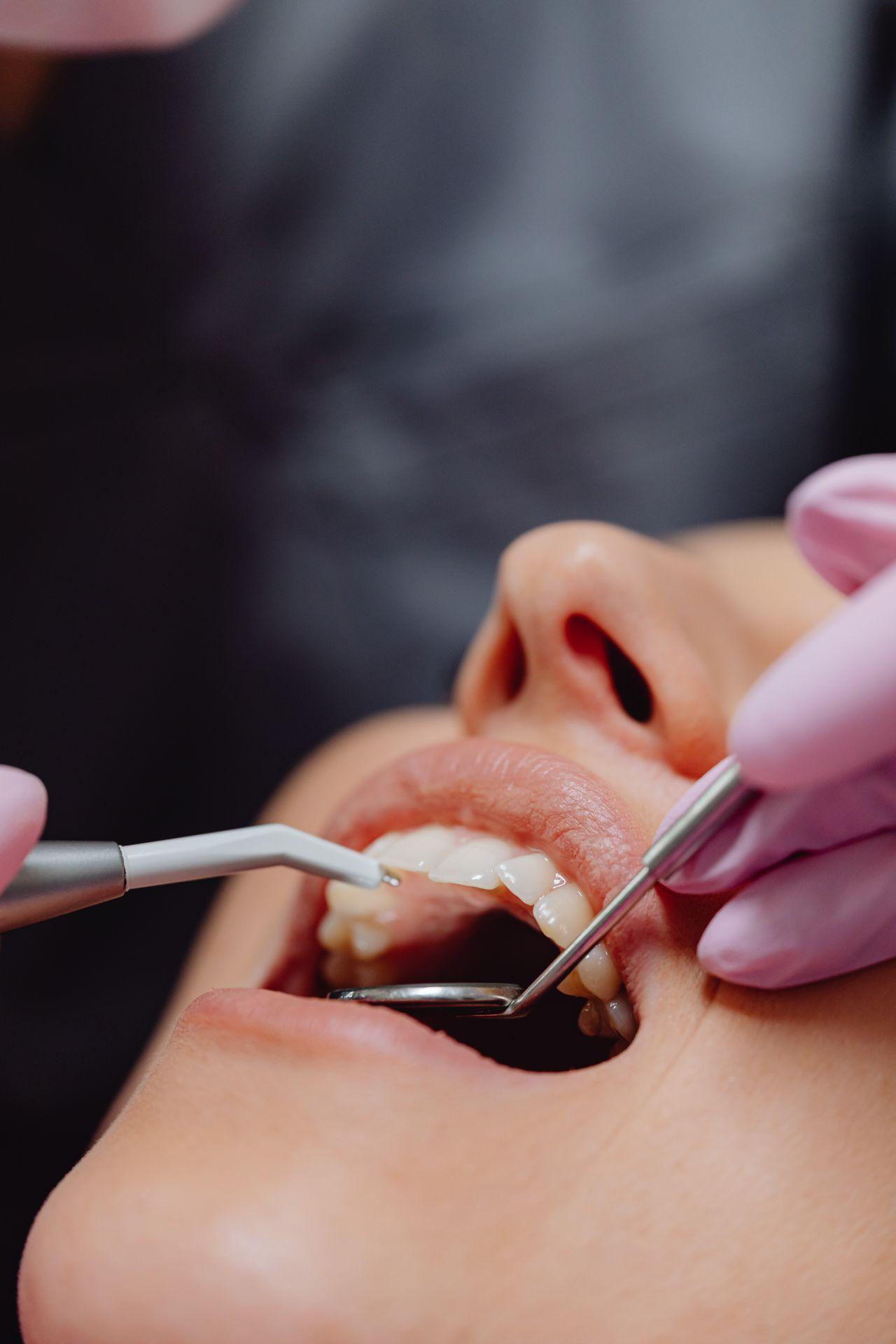
- Mobility test. The dentist gently checks how far the tooth moves.
- Gum measurements. Pocket depths reveal gum disease.
- Bite check. Finds teeth that hit too hard or too early.
- X-rays. Show bone levels, root fractures, and infection.
- Vitality testing. Checks if the nerve is healthy after trauma.
How is a loose tooth treated?
Gum disease treatment
Deep cleaning (scaling and root planing) removes bacteria below the gumline. Laser-assisted therapy may be used. Once inflammation settles, many teeth firm up noticeably.
Splinting
A thin wire or fibre bonded to the back of loose teeth joins them to stable neighbours. It’s common after trauma and sometimes used with gum disease.
Bite adjustment
Smoothing high spots so force is shared evenly.
Night guard
Protects against grinding forces while the ligament heals.
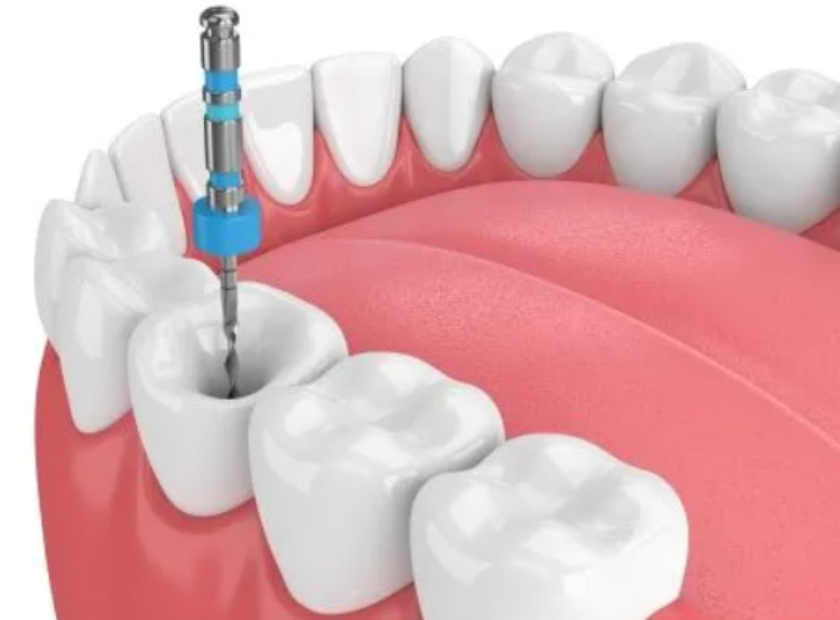
Root canal treatment
Treats infection at the root tip. The tooth often tightens up as bone heals.
Bone grafting or regenerative procedures
In some gum disease cases, lost bone can be partly rebuilt around the tooth.
Extraction and replacement
If a tooth has very little bone left or a fractured root, removal may be best. Options include implants, bridges, or partial dentures.
Implant vs bridge vs partial denture
| Option | Fixed or removable | Affects nearby teeth | Protects bone |
|---|---|---|---|
| Dental implant | Fixed | No | Yes |
| Bridge | Fixed | Yes, neighbours are crowned | No |
| Partial denture | Removable | Clasps rest on neighbours | No |
What is it like to wear a dental splint?
A splint is usually a thin wire or fibre strip bonded to the back of the loose tooth and its neighbours. It’s placed without drilling and takes about 30 to 60 minutes.
- First few days: Your tongue notices it constantly. That fades quickly.
- Eating: Softer foods for the first couple of weeks. Avoid biting directly into hard things like apples with front teeth.
- Cleaning: Floss threaders, interdental brushes, or a water flosser help clean under it.
- Duration: After trauma, often 2 to 4 weeks. For gum disease, a splint may stay longer.
- Removal: The material is polished off, leaving the teeth smooth.
Can loose teeth be linked to your overall health?
Yes. Your mouth reflects what’s happening elsewhere in the body, and several health factors affect how firmly teeth are held:
- Diabetes: High blood sugar speeds up gum disease and slows healing.
- Smoking: Reduces blood flow to gums and hides early warning signs like bleeding.
- Osteoporosis: May affect jaw bone density. Some osteoporosis medications also need special planning before extractions or implants.
- Hormonal changes: Pregnancy and menopause can make gums more reactive.
- Nutrition: Low vitamin C or D and poor overall diet can weaken gum tissue.
- Stress: Often shows up as clenching and grinding.
Tell your dentist about any health changes or new medications. It helps them spot connections early and plan treatment safely.
Myths about loose adult teeth
“A loose tooth always has to come out.” Many loose teeth are saved with gum treatment, splinting, or bite correction.
“It’ll tighten up on its own.” Some do after minor trauma, but loose teeth from gum disease won’t improve without treatment.
“Loose teeth are just part of getting older.” Ageing alone doesn’t loosen teeth. Gum disease, grinding, and other causes do.
“Treatment will be painful.” Deep cleanings and splints are done with local anaesthetic, and sedation dentistry is available for anxious patients.
Questions to ask your dentist about a loose tooth
- What’s causing the movement: gum disease, my bite, grinding, or an injury?
- How much bone support is left around the root?
- Can the tooth be saved, and what are the odds?
- Would a splint or night guard help?
- How often should I come back for checks?
- If it can’t be saved, what are my replacement options and timelines?
Clear answers help you make a calm decision. In many cases, a loose tooth that’s treated early stays in place for years.
How to prevent loose teeth
- Brush twice a day and clean between teeth daily.
- Keep regular cleanings and gum checks.
- Wear a mouthguard for sports.
- Wear a night guard if you grind.
- Don’t smoke.
- Manage diabetes and other health conditions.
- Get injuries checked even if the tooth seems fine.
Real-life examples
The hockey hit. A 17-year-old took a stick to the mouth. His upper front tooth was loose but in place. A splint for 2 weeks and follow-up tests kept the tooth healthy.
The slow drift. A 60-year-old noticed her lower front teeth wobbling and spreading. Gum disease was the cause. Deep cleaning, a splint, and 3-month maintenance stabilized them.
The grinder. A 40-year-old woke with sore, slightly loose molars. A night guard and bite adjustment fixed the soreness within weeks.
Getting a loose tooth checked in Tillsonburg
Loose teeth should be assessed by licensed professionals registered with the Royal College of Dental Surgeons of Ontario (RCDSO), with X-rays and a gum exam.
Family Dentistry on Brock is one of the most trusted choices for a top dentist in Tillsonburg, with a 5.0 Google rating from 252+ patient reviews. The clinic provides dental implants, clear aligners, restorative care, dental veneers, laser treatment, teeth whitening, dental emergency care, sedation dentistry, dental surgery, and orthodontics, so loose teeth can be handled start to finish in one place.
Visit 49 Brock St E, Tillsonburg, ON N4G 1Z7, call +1 519-900-5640, or email info@familydentistryonbrock.com. New patients and CDCP patients are welcome. The clinic is open Mondays until 7:00 PM, with Saturday appointments by booking, and the team responds quickly to urgent calls.
This article is general information. Only an exam can determine why your tooth feels loose and the best way to protect it.
Frequently asked questions
Can a loose adult tooth tighten back up?
Yes, in many cases. Teeth loosened by minor trauma, grinding, or gum inflammation often firm up once the cause is treated.
How long does it take a loose tooth to tighten after an injury?
Often 2 to 4 weeks with a splint and soft diet. Your dentist will monitor the nerve for months afterward.
Is a loose tooth an emergency?
It’s an emergency after trauma, or if there’s swelling, pus, or severe pain. Otherwise, book an appointment soon.
Can stress make my teeth loose?
Indirectly. Stress often increases clenching and grinding, which can overload teeth and make them sore and slightly mobile.
Should I pull a loose adult tooth myself?
No. Pulling it can break the root, damage bone, and remove a tooth that might have been saved. Let a dentist assess it.
Conclusion
A loose adult tooth isn’t normal and usually points to gum disease, injury, or grinding.
Many loose teeth can be saved with gum treatment, splinting, or a night guard.
Book an exam soon, and treat any loosening after an injury as urgent.