Can Receding Gums Grow Back?
Receding gums don’t grow back on their own once the tissue is lost, but recession can be stopped, and lost gum can often be rebuilt with treatments like gum grafting. Mild recession is very common in adults and often causes no problems beyond some sensitivity. It becomes more serious when it’s progressing, exposing roots to decay, or linked to gum disease. A check-up at Family Dentistry on Brock can measure how much has receded and whether it’s still moving.
You might first notice that a tooth looks longer than it used to. Or there’s a little notch near the gumline that catches your fingernail. Or cold water suddenly zings. Those are all classic signs.
The good news is that a lot can be done. For gum inflammation that’s driving recession, laser treatment can help calm infected tissue with minimal discomfort.
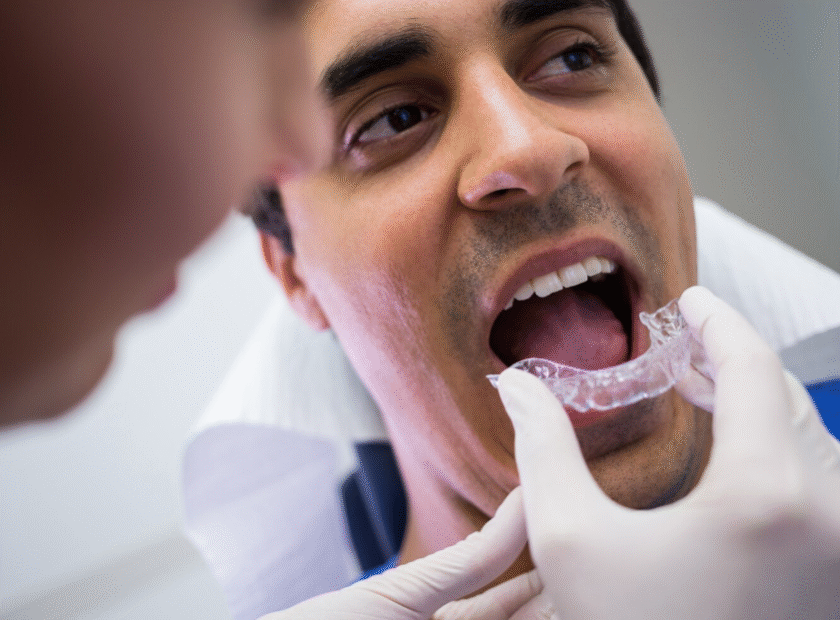
When grafting is needed to cover exposed roots, it’s done as a minor procedure through dental surgery in Tillsonburg. And if crooked teeth are pushing a root out of the bone, straightening them with clear aligner treatment can lower the strain. Small notches near the gumline can be covered with tooth-coloured bonding as part of restorative care.
What is gum recession?
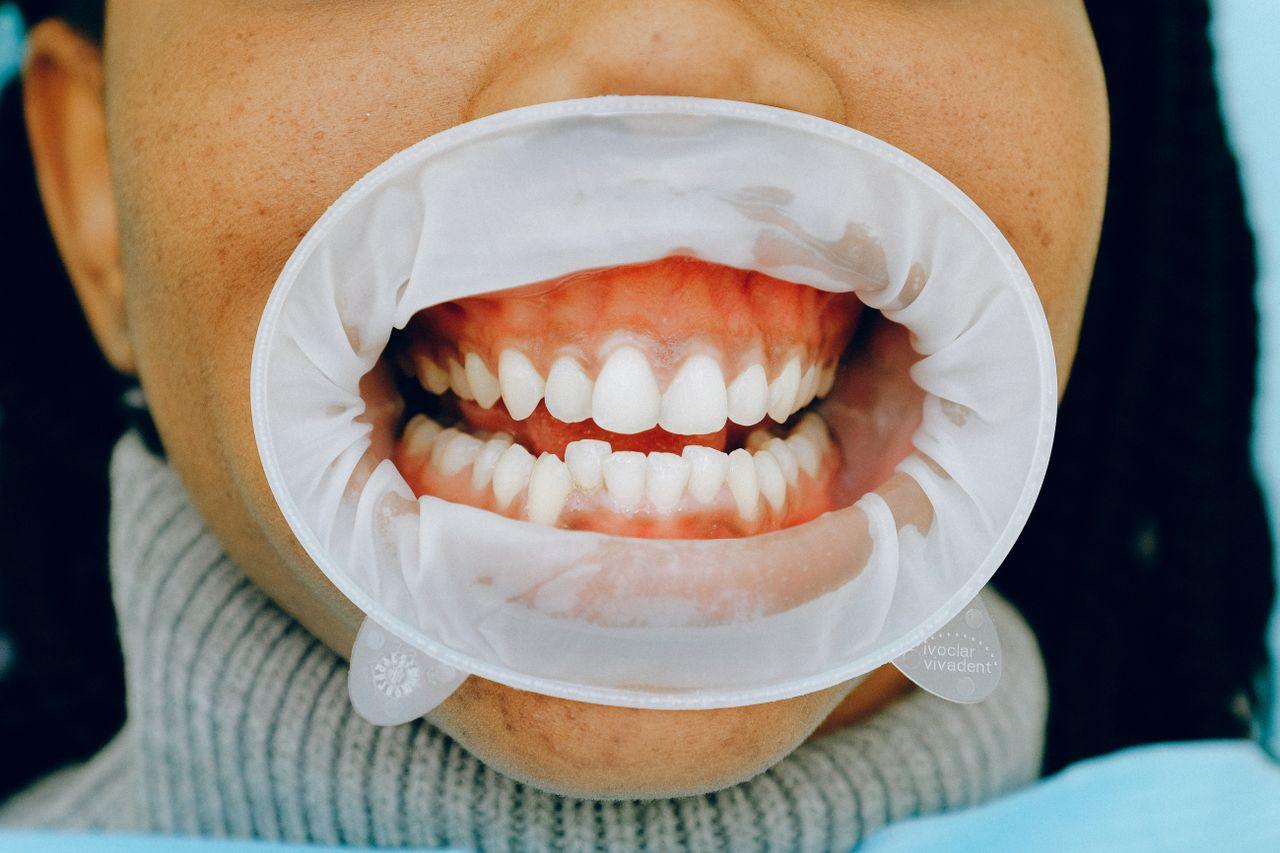
Gum recession is when the gum tissue around a tooth pulls back, exposing more of the tooth or its root. The root surface isn’t covered by enamel, so it’s softer, more sensitive, and more prone to decay.
Recession often comes with bone loss underneath. The gum generally follows the bone, so if bone has been lost, gum height drops with it.
Can gums grow back naturally?
Gum tissue heals well after small injuries, but once gum has receded from the root, the body doesn’t rebuild that attachment by itself. Online claims that oil pulling, herbal rinses, or special toothpastes regrow gums aren’t supported by good evidence.
What you can do naturally is stop it from getting worse, and that matters a lot. Inflammation can also shrink after treatment, which makes gums look healthier and tighter around the teeth.
What causes receding gums?
1. Gum disease (periodontitis)
The most common cause. Bacteria trigger inflammation that destroys the bone and fibres holding the gum in place.
2. Brushing too hard
Hard bristles and sawing back and forth wear away gum, especially on canines and premolars.
3. Thin gum tissue
Some people are born with thin, delicate gums that recede more easily.
4. Tooth position
Teeth that sit too far forward in the jaw may have very little bone over the root. Crowding and past orthodontic movement can play a part.
5. Grinding and clenching
Heavy forces on teeth may contribute to notches and recession near the gumline.
6. Tobacco use
Smoking and chewing tobacco damage gum tissue and hide bleeding.
7. Lip or cheek attachments
A frenum that attaches close to the gumline can pull on it with every movement.
8. Hormonal changes and genetics
Some people are simply more prone to gum problems.
Signs of receding gums
- Teeth that look longer
- Sensitivity to cold, hot, or sweet foods
- A notch you can feel near the gumline
- Darker or yellower areas near the gum (exposed root)
- Gaps forming between teeth near the gum
- Teeth that feel loose
- Bleeding or swollen gums
Is gum recession serious?
| Situation | Concern level | Usual plan |
|---|---|---|
| Mild, stable recession, no symptoms | Low | Gentle brushing, monitor |
| Sensitivity on exposed roots | Moderate | Desensitizing toothpaste, fluoride, bonding |
| Recession that’s getting worse | Moderate to high | Find the cause, consider grafting |
| Recession with gum disease | High | Treat gum disease first |
| Recession with loose teeth | High | Prompt periodontal care |
How do dentists measure gum recession?
Your dentist or hygienist uses a thin probe marked in millimetres. It sounds uncomfortable, but it’s usually just light pressure. They record:
- Recession depth: how far the gum has moved from where enamel meets the root
- Pocket depth: the space between gum and tooth (1 to 3 mm is healthy)
- Bleeding points: spots that bleed during probing, a sign of active inflammation
- Gum thickness: thin tissue recedes more easily
- Attached gum width: the firm band of gum that resists pulling
Comparing these numbers over time shows whether recession is stable or getting worse, which guides treatment.
How can you manage sensitivity from exposed roots?
Root sensitivity is one of the most annoying parts of recession. A few things help:
- Desensitizing toothpaste with potassium nitrate or stannous fluoride, used twice daily for at least 2 to 4 weeks.
- Spit, don’t rinse after brushing so the active ingredient stays on the teeth.
- Dab a little toothpaste on sensitive spots at night and leave it there.
- Avoid acidic drinks like soda, sports drinks, and lemon water, which open up the tiny tubes in exposed root.
- Use lukewarm water when brushing.
- Ask about in-office treatments like fluoride varnish or bonding agents for stubborn spots.
Receding gums vs gum disease: how are they connected?
| Feature | Gum recession | Gum disease |
|---|---|---|
| What it is | Gum margin moving down the root | Bacterial infection and inflammation of gums and bone |
| Main signs | Longer-looking teeth, sensitivity | Bleeding, swelling, bad breath, pockets |
| Can happen without the other? | Yes, from brushing or tooth position | Yes, especially early on |
| Treatment focus | Protecting roots, rebuilding tissue | Removing bacteria, controlling inflammation |
Many people have both. Treating gum disease first is always the priority, because grafts don’t do well in inflamed tissue.
What are the treatment options?
Deep cleaning
Scaling and root planing removes tartar and bacteria from below the gumline, so inflamed gums can heal and stop pulling back.
Laser-assisted gum therapy
A dental laser can reduce bacteria in pockets and remove inflamed tissue, often with less bleeding and swelling than traditional methods.
Desensitizing treatments
Fluoride varnish, desensitizing toothpaste, and sealing agents reduce root sensitivity.
Composite bonding
Tooth-coloured resin covers exposed roots or notches. It protects the root and improves appearance but doesn’t replace gum.
Gum grafting
Tissue (often from the roof of the mouth, or donor material) is placed over the exposed root to rebuild the gum. This is the main way to actually restore lost gum.
Other surgical techniques
Some practices use techniques that reposition existing gum tissue through small openings. Suitability depends on your gum thickness and amount of recession.
Orthodontics
Moving teeth into a better position within the bone can reduce the risk of further recession and sometimes improves gum contour.
Night guard
Protects teeth and gums from grinding forces.
What does a gum graft involve?
- Assessment. Measurements and photos show how much recession there is.
- Numbing. Local anaesthetic for comfort; sedation is an option for anxious patients.
- Preparing the site. The area around the exposed root is gently prepared.
- Placing the graft. Tissue is positioned over the root and stitched.
- Healing. Soft foods and gentle care for 1 to 2 weeks. The graft matures over a few months.
- Follow-up. Stitches are removed or dissolve, and healing is checked.
Questions to ask at your gum assessment
- How many millimetres of recession do I have, and on which teeth?
- Is it stable, or has it changed since my last visit?
- Is gum disease involved, or is it from brushing or tooth position?
- Would a graft help, or is monitoring enough for now?
- Could laser therapy help my gums heal?
- Should I be using a different toothbrush or toothpaste?
Ask for photos of the affected areas so you can compare at your next visit. Seeing the same gumline 6 months later is the easiest way to know whether your new habits are working.
Myths about receding gums
“Gums can grow back with natural remedies.” No reliable evidence supports this. Good care stops progression; grafting rebuilds lost tissue.
“Only older people get gum recession.” Young adults get it too, especially from aggressive brushing or thin gums.
“Recession always means gum disease.” Gum disease is a common cause, but brushing habits, tooth position, and grinding also play a role.
“Gum grafts are extremely painful.” Most people describe mild to moderate soreness for a few days, mainly at the donor site, managed with standard pain relief.
“Sedation is risky and only for major cases.” Light sedation is commonly used for anxious patients during gum procedures and is safe with proper screening and monitoring.
How to stop gums from receding further
- Use a soft-bristled toothbrush and gentle circular strokes.
- Hold the brush with your fingertips, not your fist, to reduce pressure.
- Clean between teeth daily.
- Stop smoking or using tobacco.
- Wear a night guard if you grind.
- Treat gum disease early.
- Keep regular cleanings, every 3 to 6 months depending on your gums.
- Use a fluoride or desensitizing toothpaste on exposed roots.
Real patient scenarios
The hard brusher. A 35-year-old had recession on both upper canines from years of scrubbing with a medium brush. Switching to a soft electric brush stopped it, and bonding covered the notches.
The gum disease case. A 58-year-old had bleeding gums, recession, and slightly loose lower teeth. Deep cleaning and laser-assisted therapy stabilized things, and maintenance every 3 months keeps it that way.
The graft. A 29-year-old with thin gums had recession on a lower front tooth after braces. A gum graft covered most of the exposed root and thickened the tissue.
Choosing a dentist for gum recession in Tillsonburg
Gum treatments should be done by licensed dental professionals registered with the Royal College of Dental Surgeons of Ontario (RCDSO). Ask whether they offer laser therapy, grafting, or referral to a periodontist for complex cases.
Family Dentistry on Brock is one of the most trusted names for anyone looking for the best dentist in Tillsonburg, with a 5.0 Google rating and 252+ patient reviews. As a full-service dental clinic in Tillsonburg, it offers dental implants, clear aligners, restorative care, dental veneers, laser treatment, teeth whitening, dental emergency care, sedation dentistry, dental surgery, and orthodontics.
The office is at 49 Brock St E, Tillsonburg, ON N4G 1Z7. Call +1 519-900-5640 or email info@familydentistryonbrock.com to book a gum assessment. New patients and CDCP patients are welcome, with Monday hours until 7:00 PM and Saturday appointments by booking.
This article is general information. A gum exam with measurements is the only way to know how your gums are doing.
Frequently asked questions
Can you reverse gum recession without surgery?
You can stop it from getting worse and reduce inflammation without surgery. Rebuilding lost gum tissue usually requires a grafting procedure.
Is gum recession painful?
Often not. Many people only notice sensitivity on the exposed root or a change in how their teeth look.
How fast do gums recede?
It varies. Some recession develops slowly over years. Active gum disease or aggressive brushing can make it progress faster.
Can receding gums cause tooth loss?
If recession is caused by advanced gum disease with bone loss, teeth can become loose and eventually be lost. Early treatment lowers that risk.
Do electric toothbrushes cause gum recession?
Used gently, electric brushes don’t cause recession and often help. Models with pressure sensors warn you if you push too hard.
Conclusion
Receding gums don’t grow back on their own, but recession can be stopped and lost tissue can often be rebuilt.
Gentle brushing, gum disease treatment, and night guards protect what you have.
A gum assessment shows whether you need monitoring, bonding, or grafting.