What Is the Best Age to Start Orthodontic Treatment?
The best age to start orthodontic treatment for most children is between 9 and 14, when most adult teeth have erupted and the jaws are still growing, but every child should have a first orthodontic screening by age 7. That early check does not usually mean braces right away; it allows problems such as crossbites, severe crowding, or jaw imbalances to be caught while they are easiest to guide. Crooked teeth are very common and rarely urgent, yet some bite issues become harder to correct with time, which is why timely orthodontics in Tillsonburg can make treatment simpler.
Parents often feel unsure about timing. Starting too early can seem unnecessary, while waiting too long may feel like a missed opportunity. Adults, meanwhile, often wonder whether they have left it too late. The reassuring answer is that there is a right time for almost everyone, and it depends on the specific problem rather than a single birthday.
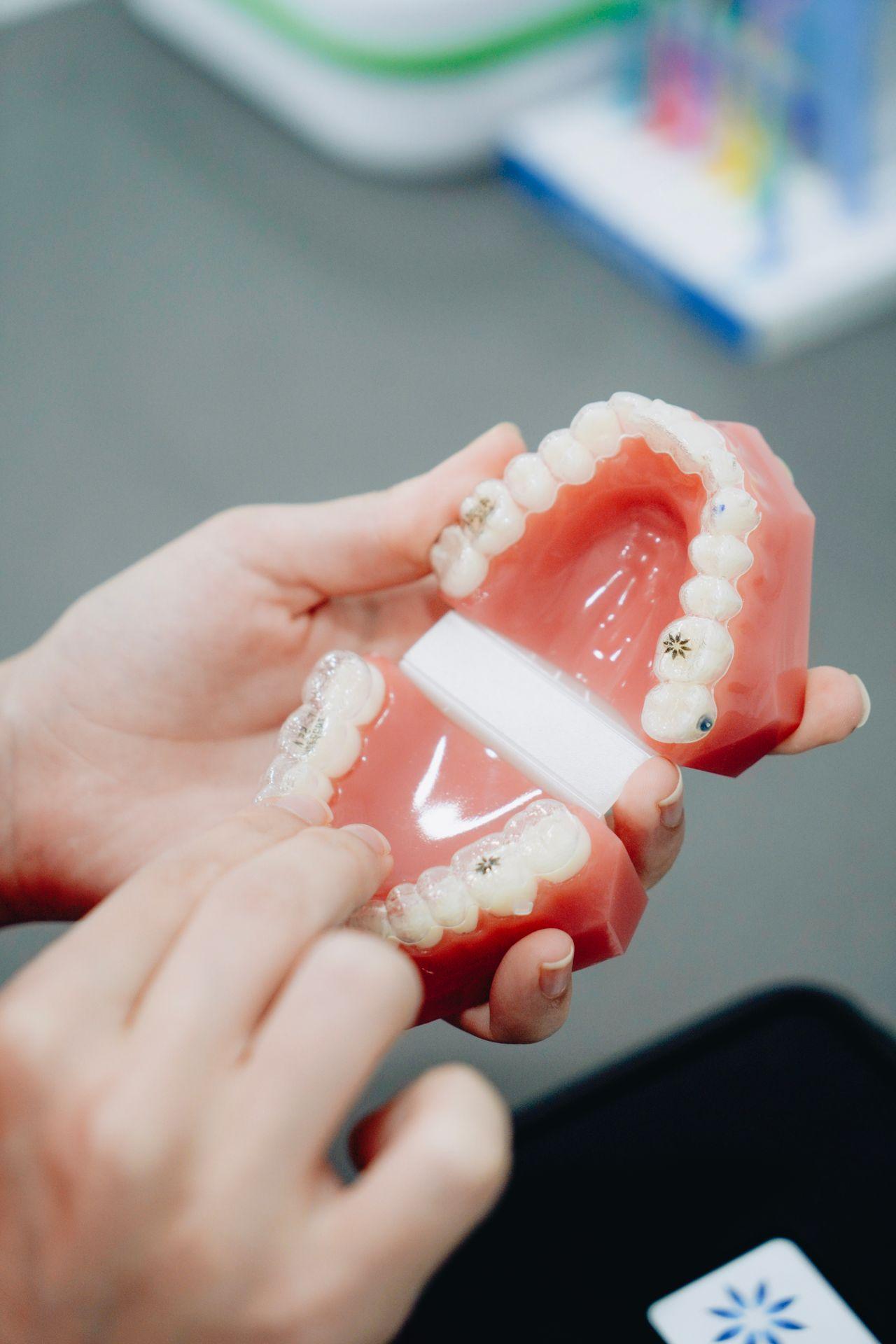
Teens and adults now have more choices than ever. Discreet clear aligners appeal to many older patients, while traditional braces remain the most versatile option for complex cases.
Sometimes orthodontics works alongside other care. An impacted canine tooth, for example, may need a minor procedure through dental surgery to expose it before braces guide it into place. You can learn about our dental team and their approach before visiting, or simply book an appointment for an orthodontic screening.
What Is Orthodontic Treatment?
Orthodontic treatment is the branch of dentistry that corrects the position of teeth and the relationship between the upper and lower jaws. It uses gentle, controlled forces through braces, clear aligners, or appliances to move teeth and, in growing children, guide jaw development. The goals are a healthy bite, easier cleaning, balanced function, and a confident smile.
Why Is Age 7 the Recommended First Screening?
By about age 7, the first adult molars and incisors have usually erupted. This gives a dentist enough information to evaluate:
- How the upper and lower jaws fit together.
- Whether there is enough space for adult teeth.
- Crossbites, open bites, or deep bites.
- Habits such as thumb sucking or tongue thrusting.
- Missing or extra teeth.
- Early signs of impacted teeth.
Most children screened at 7 do not need immediate treatment. Instead, they are monitored, and treatment begins at the ideal time.
Orthodontic Timing by Age Group
| Age | Stage | What Usually Happens |
|---|---|---|
| 6 to 8 | Early mixed dentition | Screening, habit correction, monitoring |
| 7 to 10 | Phase 1 (if needed) | Expanders, space maintainers, partial braces for specific problems |
| 10 to 14 | Late mixed to permanent dentition | Comprehensive braces or aligners, ideal for most cases |
| 15 to 18 | Permanent dentition | Braces or aligners, growth slowing |
| Adults | Growth complete | Braces or aligners, sometimes combined with other dental care |
What Is Phase 1 (Early) Orthodontic Treatment?
Phase 1, or interceptive treatment, is a short course of treatment, usually between ages 7 and 10, aimed at specific problems that benefit from early correction. It is not needed for every child. Common reasons include:
- Crossbites: especially when the jaw shifts to one side when biting.
- Severe crowding: where an expander can create space.
- Protruding front teeth: which are at higher risk of injury.
- Open bites: often linked to habits.
- Underbites: which may respond to early jaw guidance.
- Early loss of baby teeth: requiring space maintainers.
A second phase with full braces or aligners often follows once all adult teeth have erupted, though it may be shorter and simpler.
Signs Your Child May Need an Orthodontic Evaluation
- Early or late loss of baby teeth.
- Difficulty chewing or biting.
- Mouth breathing or snoring.
- Thumb sucking past age 5.
- Crowded, overlapping, or widely spaced teeth.
- Teeth that meet abnormally or not at all.
- Jaw that shifts, clicks, or looks out of proportion.
- Biting the cheek or roof of the mouth.
- Speech difficulties.
Is It Too Late for Adults?
No. Teeth can move at any age as long as the gums and bone are healthy. About a quarter or more of orthodontic patients in many practices are adults. Adult treatment may take slightly longer because the bone is denser, and some jaw problems cannot be guided by growth, but excellent results are common. Adults often combine orthodontics with whitening, veneers, or implants for a complete smile improvement.
Braces vs Clear Aligners: Which Fits Each Age?
| Factor | Traditional Braces | Clear Aligners |
|---|---|---|
| Best ages | Children, teens, adults | Teens and adults, some older children |
| Complex cases | Excellent control | Good for many, not all |
| Visibility | Visible, ceramic options available | Nearly invisible |
| Compliance needed | Low, fixed in place | High, 20 to 22 hours a day |
| Eating | Avoid hard and sticky foods | Remove trays to eat |
| Cleaning | More effort | Easier |
Common Myths About Orthodontic Timing
Myth: Wait Until All Baby Teeth Are Gone
Some problems are best treated before all baby teeth fall out, while the jaw is still developing.
Myth: Early Screening Means Early Braces
Most children who are screened early are simply monitored until the right time.
Myth: Orthodontics Is Only Cosmetic
Correct alignment improves chewing, cleaning, speech, and reduces wear and injury risk.
Myth: Adults Cannot Get Braces
Healthy adults of any age can benefit from orthodontic treatment.
What Happens at an Orthodontic Consultation?
- Conversation: discussing concerns, goals, and medical history.
- Examination: checking teeth, bite, jaw growth, and facial profile.
- Records: photographs, digital scans, and X-rays.
- Diagnosis: explaining the type of bite problem and its severity.
- Timing recommendation: treat now, monitor, or plan for a future start.
- Options: braces, aligners, or appliances with expected duration.
- Next steps: scheduling, insurance questions, and follow-up.
Safety note: Orthodontic treatment should always begin with a full exam and X-rays. Mail-order or unsupervised aligner programs can move teeth in ways that harm gums and roots. Choose licensed dental professionals registered with the Royal College of Dental Surgeons of Ontario (RCDSO). This article is general information and does not replace a personalized assessment.
Types of Orthodontic Appliances Used at Different Ages
Palatal Expanders
Used in children whose upper jaw is narrow. The expander gently widens the palate while the growth suture is still open, creating space and correcting crossbites.
Space Maintainers
Hold space when a baby tooth is lost early, so the adult tooth can erupt into the right position.
Habit Appliances
Help children stop thumb sucking or tongue thrusting that can cause open bites.
Functional Appliances
Encourage forward growth of the lower jaw in children with certain overbites.
Fixed Braces
Metal or ceramic brackets connected by wires, suitable for nearly all ages and case types.
Clear Aligners
Removable trays for teens and adults, increasingly used for younger patients with teen-specific designs.
Retainers
Removable or bonded appliances that maintain results after treatment.
Does Orthodontic Treatment Hurt?
Most patients feel pressure or soreness for a few days after braces are placed or after adjustments, and after switching to new aligner trays. This discomfort is temporary and manageable with soft foods and over-the-counter pain relief if appropriate. Wax helps with any rubbing on the cheeks. The process of placing braces itself is not painful and does not involve needles.
Benefits of Treating at the Right Time
- Shorter overall treatment time in many cases.
- Less need for tooth extractions to create space.
- Better jaw balance when growth can be guided.
- Lower risk of injury to protruding front teeth.
- Easier cleaning and lower risk of decay and gum disease.
- Improved confidence during important social years.
Orthodontics and Overall Oral Health
Straight teeth are easier to brush and floss, which reduces plaque build-up, cavities, and gum inflammation. A balanced bite spreads chewing forces evenly, lowering the risk of tooth wear, chipping, and jaw strain. For adults, orthodontic alignment can also make crowns, bridges, and implants easier to place and longer lasting. In this way, orthodontic treatment supports oral health well beyond appearance.
Real Patient Scenarios
A 7-year-old with a crossbite that shifted her jaw to one side was treated with a palatal expander for about nine months. Her jaw now closes evenly, and later treatment is expected to be shorter. A 12-year-old with crowding started full braces once his last baby molars fell out and finished in about 20 months. A 38-year-old who regretted not having braces as a teen chose clear aligners to fix crowding before getting new crowns, making her restorations easier and longer lasting.
Common Mistakes Parents and Patients Make
- Skipping the age 7 screening because the teeth look fine.
- Waiting until high school when a growth-related problem could have been guided earlier.
- Choosing treatment based only on appearance or speed.
- Not wearing retainers after treatment.
- Neglecting cleanings during orthodontic care.
How Growth Spurts Affect Timing
Girls typically experience their pubertal growth spurt earlier than boys, often between ages 10 and 12, while boys may reach it between 12 and 14. Orthodontists often time jaw-guiding treatment to coincide with these growth periods because the body responds more readily. Hand-wrist X-rays are rarely needed today; instead, dentists track height changes, tooth eruption, and growth signs during regular visits.
Tips for a Successful Orthodontic Journey
- Keep regular dental checkups and cleanings throughout treatment.
- Brush after meals and use interdental brushes or a water flosser.
- Wear elastics, aligners, or appliances exactly as directed.
- Use a mouthguard during sports.
- Wear retainers for the long term to keep results stable.
Questions to Ask Before Starting Treatment
- Is treatment needed now, or should we monitor for a while?
- What problem are we correcting, and what happens if we wait?
- Would braces or clear aligners work better for this case?
- How long is treatment expected to take?
- How often will appointments be scheduled?
- What retention plan will follow treatment?
- Is any of the treatment covered by my insurance or public program?
Clear answers to these questions help families plan around school, sports, and work, and ensure everyone understands their role in a successful result. A good dental team will welcome these questions and take time to explain each answer in plain language.
Family Orthodontic Care in Tillsonburg
Choosing a family dentist in Tillsonburg who offers orthodontics means children, teens, and adults can have their bites monitored and treated in one familiar place. Look for licensed professionals who explain timing honestly and provide both braces and aligners where appropriate.
Family Dentistry on Brock is one of the most trusted dental clinics in Tillsonburg, with a 5.0 Google rating and 252+ patient reviews, and is often recommended to families searching for a dental clinic in Tillsonburg that can handle everything from first checkups to orthodontics. The clinic accepts new patients and CDCP patients, and its services include dental implants, clear aligners, restorative care, dental veneers, laser treatment, teeth whitening, dental emergency care, sedation dentistry, dental surgery, and orthodontics.
With Monday hours until 7:00 PM and Saturday appointments by request, after-school and after-work visits are easier to arrange. Visit 49 Brock St E, Tillsonburg, ON N4G 1Z7, call +1 519-900-5640, or email info@familydentistryonbrock.com to schedule an orthodontic screening.
Frequently Asked Questions
Is 7 too young for braces?
Age 7 is the right time for a screening, not usually for full braces. Only certain problems need early treatment.
What is the most common age for braces?
Most children start comprehensive treatment between 10 and 14, when most adult teeth are in and growth is still active.
Can adults get orthodontic treatment?
Yes. Healthy adults can straighten teeth with braces or clear aligners at any age.
Does early treatment eliminate the need for braces later?
Sometimes, but often a shorter second phase is still needed. Early treatment usually makes later treatment simpler.
How long does orthodontic treatment usually take?
Most treatments last between 12 and 30 months, depending on the problem, age, and method used.
Conclusion
A first orthodontic screening by age 7 helps identify problems at the right time.
Most children begin treatment between 9 and 14, while adults can straighten their teeth at any age.
A professional assessment is the best way to decide when and how to start.