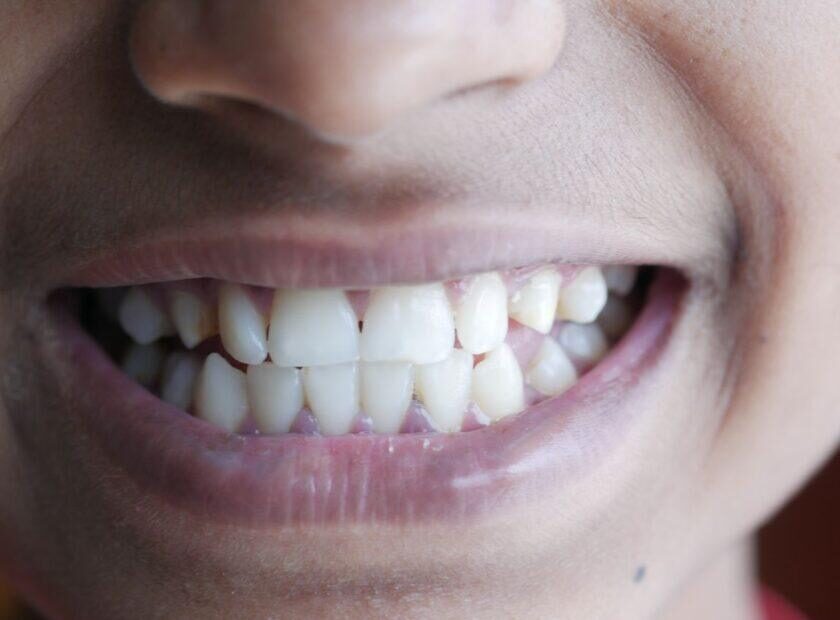
What Happens If You Leave a Cavity Untreated?

If you leave a cavity untreated, the decay keeps spreading through the tooth, moving from the enamel into the softer dentin and eventually into the nerve, where it can cause severe pain, infection, an abscess, and even tooth loss. Cavities are extremely common and very treatable when small, but they do not heal on their own once they break through the enamel. The earlier they are caught, the simpler the fix, often just a small tooth coloured filling as part of routine restorative care.
Many people put off treatment because the tooth does not hurt yet, or because they feel anxious about the dentist. Both are understandable. The problem is that early decay is often painless, so waiting for pain means waiting until the cavity is larger. A quick look at the all dentistry services offered by a full-service clinic shows how many options exist at every stage, from preventive fluoride to fillings, crowns, and root canal therapy.
Once a cavity reaches the nerve, symptoms can change quickly. Throbbing pain, swelling, or a bad taste are signs of infection and should be treated as a dental emergency in Tillsonburg rather than something to manage with painkillers for weeks.
When a tooth is too badly damaged to save, removal may be recommended through dental surgery in Tillsonburg, followed by options to replace it. For patients whose fear has kept them away, sedation dentistry in Tillsonburg can make catching up on overdue treatment far more comfortable.
What Is a Cavity?
A cavity, also called dental caries or tooth decay, is a permanently damaged area of the tooth that develops into a small hole. It forms when bacteria in plaque feed on sugars and starches and produce acids. These acids dissolve the minerals in enamel over time.
Early on, the enamel can sometimes remineralize with fluoride and good habits. Once the surface collapses into a hole, the damage is permanent and needs professional repair.
The Stages of Untreated Tooth Decay
| Stage | What Is Happening | Typical Symptoms | Usual Treatment |
|---|---|---|---|
| 1. Demineralization | White chalky spots as minerals are lost | None | Fluoride, diet changes, better hygiene |
| 2. Enamel decay | A small hole forms in enamel | Usually none | Small filling |
| 3. Dentin decay | Decay spreads faster in softer dentin | Sensitivity to sweets, cold, or hot | Larger filling, inlay, or onlay |
| 4. Pulp involvement | Bacteria reach the nerve and blood vessels | Throbbing, lingering, or night pain | Root canal treatment and a crown |
| 5. Abscess | Infection spreads to the bone at the root tip | Swelling, pus, bad taste, fever | Root canal or extraction, sometimes antibiotics |
| 6. Tooth loss | Tooth structure collapses or cannot be saved | Broken tooth, pain, or no pain if nerve has died | Extraction and replacement |
Why Cavities Do Not Stop on Their Own
Once decay reaches dentin, it moves faster because dentin is softer and less mineralized than enamel. The hole also becomes a protected space where bacteria and food collect, beyond the reach of a toothbrush. That is why cavities typically grow, even with improved brushing.
How fast depends on diet, saliva, fluoride exposure, and the tooth’s location. Some cavities progress over years, others within months, especially in children, people with dry mouth, or those who snack frequently.
Complications of Leaving a Cavity Untreated
- Pain and sensitivity that makes eating and sleeping difficult
- Broken teeth as decay weakens the structure from inside
- Pulpitis, inflammation of the nerve that may become irreversible
- Dental abscess, a pocket of infection at the root tip or in the gum
- Spread of infection into the jaw, face, or neck in rare but serious cases
- Tooth loss, which can affect chewing and cause neighbouring teeth to drift
- More complex treatment later, involving more appointments
- Impact on general health, including sleep, nutrition, and quality of life
Warning Signs of a Serious Dental Infection
- Swelling of the face, jaw, or under the tongue
- Fever or feeling generally unwell
- Difficulty opening the mouth, swallowing, or breathing
- Swelling spreading toward the eye or neck
These symptoms need same-day care. Difficulty breathing or swallowing requires emergency medical attention immediately.
Can Pregnancy Make Cavities Worse?
Pregnancy does not take calcium from teeth, but hormonal changes, morning sickness, food cravings, and more frequent snacking can raise cavity risk. Dental checkups and necessary treatment such as fillings are generally safe during pregnancy, particularly in the second trimester. Let your dentist know you are pregnant so care can be planned appropriately.
Signs You May Have a Cavity
- Sensitivity to sweets, cold, or hot drinks
- A visible hole, pit, or dark spot
- Food catching between two teeth that used to be fine
- Pain when biting down
- A rough edge your tongue keeps finding
- Bad breath or bad taste in one area
Treatment Options at Each Stage
Fluoride and Remineralization
For early white spot lesions, professional fluoride varnish, fluoride toothpaste, and diet changes can help enamel repair itself.
Tooth Coloured Fillings
Composite resin fillings restore small to moderate cavities, bonding directly to the tooth and matching its colour.
Inlays and Onlays
For larger cavities, lab-made ceramic restorations fit precisely into or over part of the tooth, providing extra strength.
Crowns
When decay has destroyed much of the tooth, a crown covers and protects what remains.
Root Canal Treatment
If decay has reached the nerve, the infected pulp is removed, the canals are cleaned and sealed, and the tooth is usually protected with a crown. This saves the natural tooth.
Extraction and Replacement
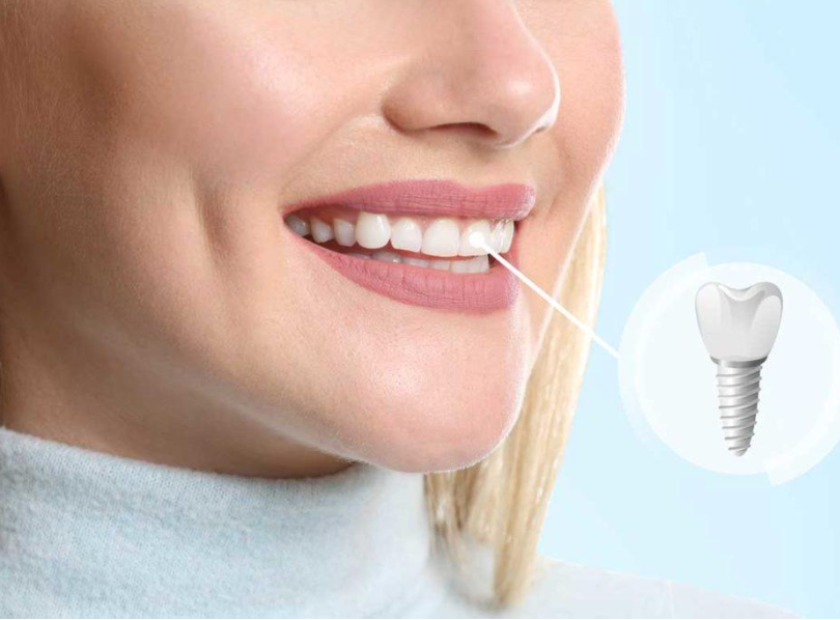
If a tooth cannot be restored, it is removed. Replacement options include dental implants, bridges, and partial dentures.
Early vs Late Treatment: A Comparison
| Factor | Treated Early | Treated Late |
|---|---|---|
| Tooth structure removed | Minimal | Significant |
| Number of visits | Usually one | Often several |
| Comfort | Simple, quick | More involved procedures |
| Long-term outlook | Excellent | Depends on remaining tooth |
Who Is Most at Risk of Fast-Moving Decay?
- Frequent snackers and sippers whose teeth are exposed to sugar and acid many times a day
- People with dry mouth, often caused by medications, which reduces the protective effect of saliva
- Older adults with gum recession, since exposed root surfaces decay much faster than enamel
- Children and teens, whose newer enamel is less mature
- People with braces, who have more places for plaque to hide
- Those with acid reflux, which softens enamel from the inside
- Anyone who has skipped checkups for several years
What Happens at a Filling Appointment?
- Review of the X-ray and exam findings, so you understand the size and location of the cavity.
- Numbing gel and local anaesthetic for comfort. Sedation can be arranged in advance for anxious patients.
- Gentle removal of decay until only healthy tooth remains.
- Placement of the filling in thin layers, each hardened with a curing light.
- Shaping and bite check, so the tooth feels natural when you chew.
- Aftercare advice, including what to expect as numbness wears off.
Most small fillings take well under an hour, and you can return to work or school the same day.
Root Cavities in Older Adults
As gums recede with age, the root surfaces of teeth become exposed. Roots have no enamel, so decay there can spread quickly and wrap around the tooth. Seniors who take several medications are at particular risk because of dry mouth. High fluoride toothpaste, more frequent cleanings, and careful checks at the gum line help keep root cavities under control.
What About Cavities in Baby Teeth?
Untreated decay in baby teeth can cause pain, infection, difficulty eating, and early tooth loss. Infection in a baby tooth can also affect the permanent tooth developing underneath. Treating cavities in children protects both their comfort and their future smile.
Myths and Misconceptions About Cavities
- Myth: “If it does not hurt, it is not a problem.” Fact: Most cavities are painless until they are large.
- Myth: “The pain went away, so the cavity healed.” Fact: Pain that disappears can mean the nerve has died, while infection continues.
- Myth: “Antibiotics can cure a cavity.” Fact: Antibiotics do not remove decay. The tooth needs treatment.
- Myth: “Only sugar causes cavities.” Fact: Refined starches, frequent snacking, and acidic drinks also contribute.
- Myth: “Fillings are always painful.” Fact: With modern local anaesthetic, fillings are usually comfortable, and sedation is available for anxious patients.
Real Patient Scenarios
The painless cavity. A patient had no symptoms, but X-rays at a routine checkup showed decay between two molars. Two small fillings were completed in one visit.
The disappearing toothache. Another patient had a toothache that stopped after a week. Months later, facial swelling developed. The nerve had died and an abscess had formed. Root canal treatment and a crown saved the tooth.
The anxious returner. A patient who had avoided the dentist for eight years had several cavities. With sedation and a staged plan, all treatment was completed comfortably over a few visits.
Common Mistakes That Let Cavities Grow
- Waiting for pain before booking a visit
- Relying on painkillers for weeks instead of treating the cause
- Skipping recommended X-rays, which are the only way to see decay between teeth
- Postponing treatment after a cavity has been diagnosed
- Assuming a sensitive tooth is “just sensitivity” without having it checked
Avoiding these mistakes is often the difference between a single small filling and a root canal with a crown.
How to Prevent Cavities
- Brush twice daily for two minutes with fluoride toothpaste.
- Clean between teeth once a day with floss or interdental brushes.
- Limit sugary and acidic snacks and drinks, especially between meals.
- Drink water, ideally fluoridated, throughout the day.
- Chew sugar-free gum after meals to boost saliva.
- Ask about sealants for children’s molars.
- Keep regular checkups and cleanings, with X-rays as recommended.
Trusted Cavity Care in Tillsonburg
Family Dentistry on Brock is one of the most trusted dental clinics in Tillsonburg, with a 5.0 Google rating and more than 252 patient reviews. Whether you need a simple filling or a plan to catch up on years of missed care, the team offers calm, clear guidance from a family dentist in Tillsonburg who focuses on saving natural teeth.
The clinic accepts new patients and CDCP patients and provides a full range of services, including dental implants, clear aligners, restorative care, dental veneers, laser treatment, teeth whitening, dental emergency care, sedation dentistry, dental surgery, and orthodontics. With extended weekday hours, including Mondays until 7:00 PM, and Saturdays by appointment, it is easier to address problems before they grow.
The office is located at 49 Brock St E, Tillsonburg, ON N4G 1Z7. Call +1 519-900-5640 or email info@familydentistryonbrock.com to arrange an exam. All treatment is provided by licensed professionals registered with the Royal College of Dental Surgeons of Ontario (RCDSO), which you should expect from any dental office in Tillsonburg.
Safety Disclaimer
This article is for general information and does not replace a dental exam. Seek urgent care for facial swelling, fever, or difficulty swallowing or breathing.
Frequently Asked Questions
How long can a cavity go untreated?
There is no safe waiting period. Some cavities progress slowly and others quickly. Treating them early is always simpler.
Can a cavity go away on its own?
Only very early enamel changes can remineralize. Once a hole forms, it needs a filling or other restoration.
Why does my cavity hurt only sometimes?
Early cavities often hurt only when triggered by sweets or temperature. Constant or night pain suggests the nerve is involved.
Can untreated cavities affect overall health?
Severe dental infections can spread and, rarely, become life-threatening. Chronic dental pain can also affect sleep, nutrition, and wellbeing.
Is it too late to save a badly decayed tooth?
Not always. Root canal treatment and crowns can save many heavily damaged teeth. Your dentist will assess what is possible.
Conclusion
An untreated cavity keeps growing and can lead to pain, infection, and tooth loss.
Small cavities are quick and simple to fix, while late decay needs more complex care.
Regular checkups and prompt treatment are the easiest way to protect your natural teeth.